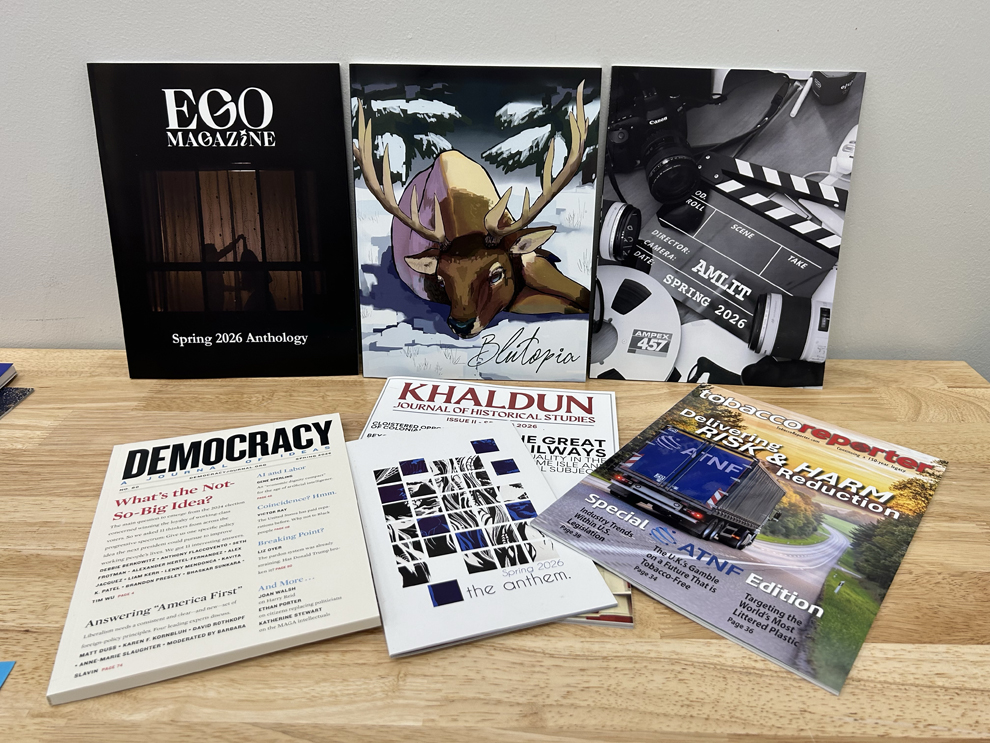
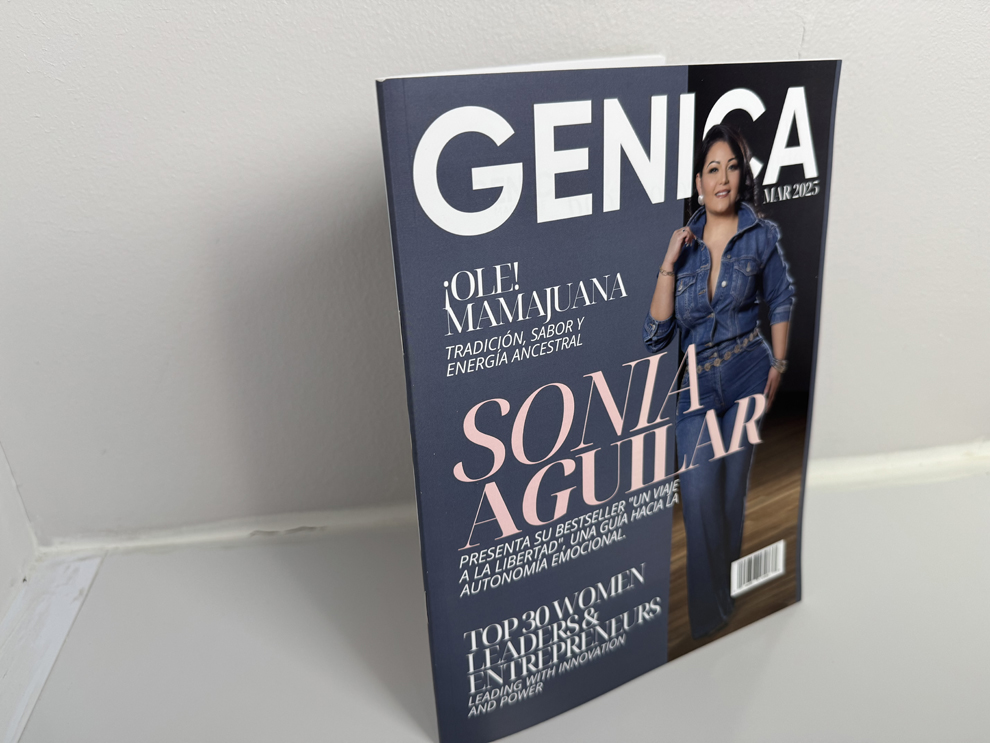
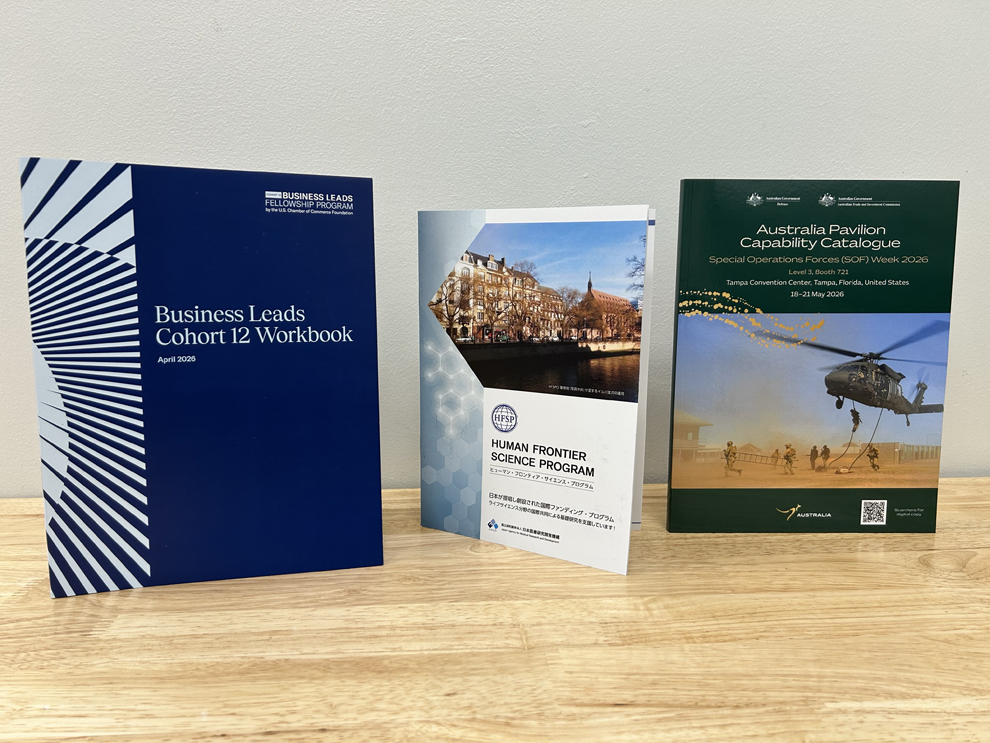
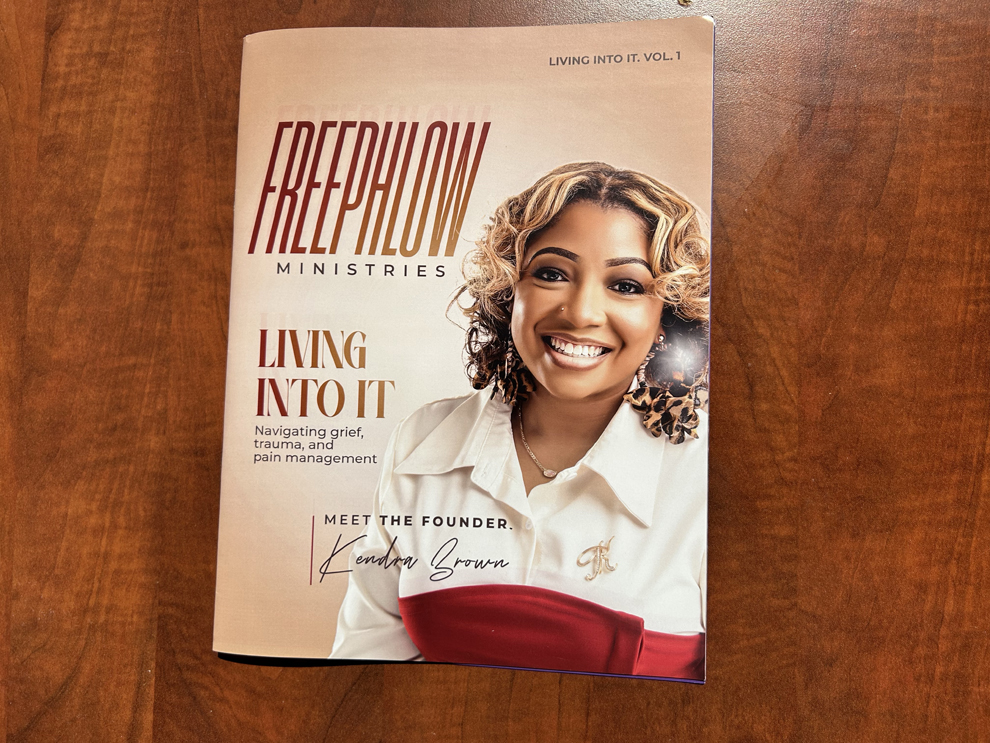
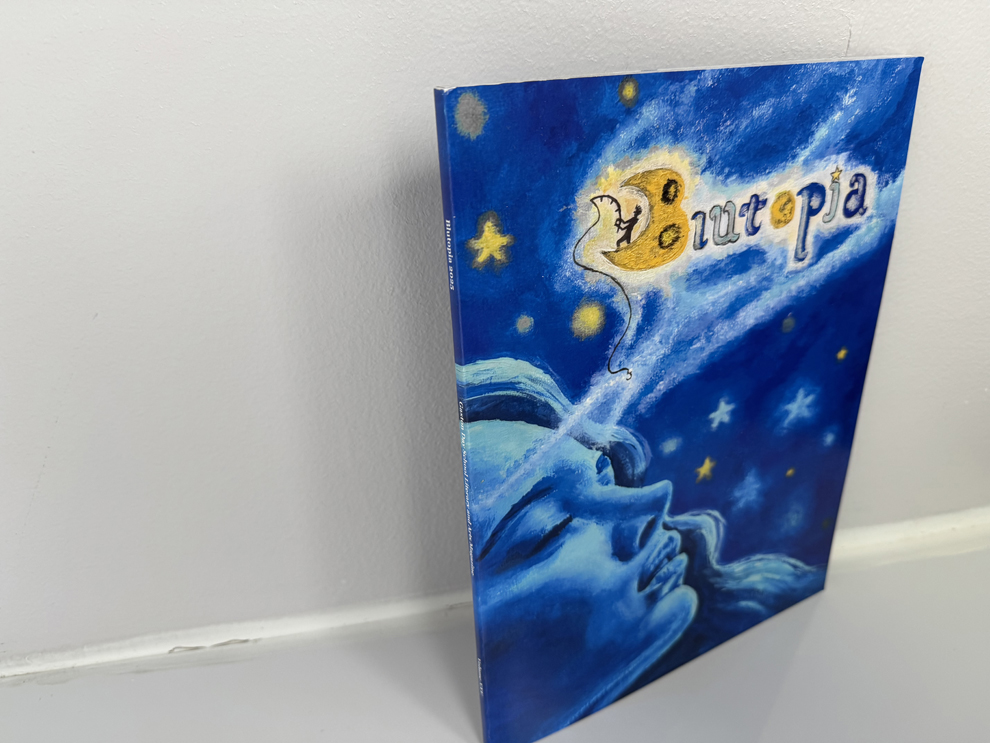
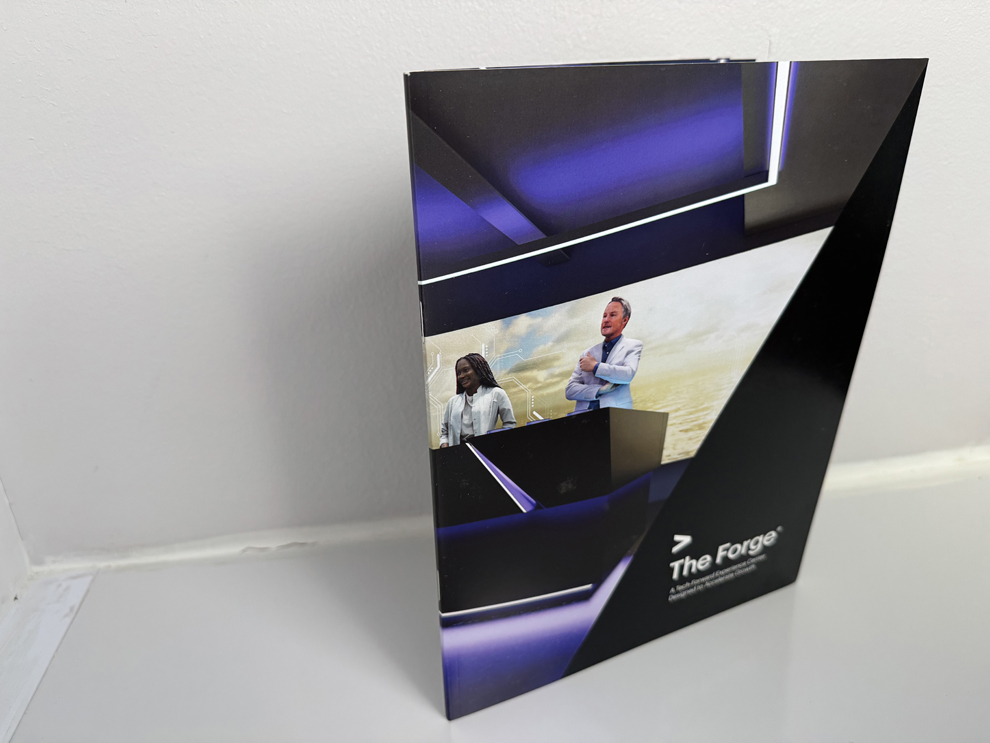
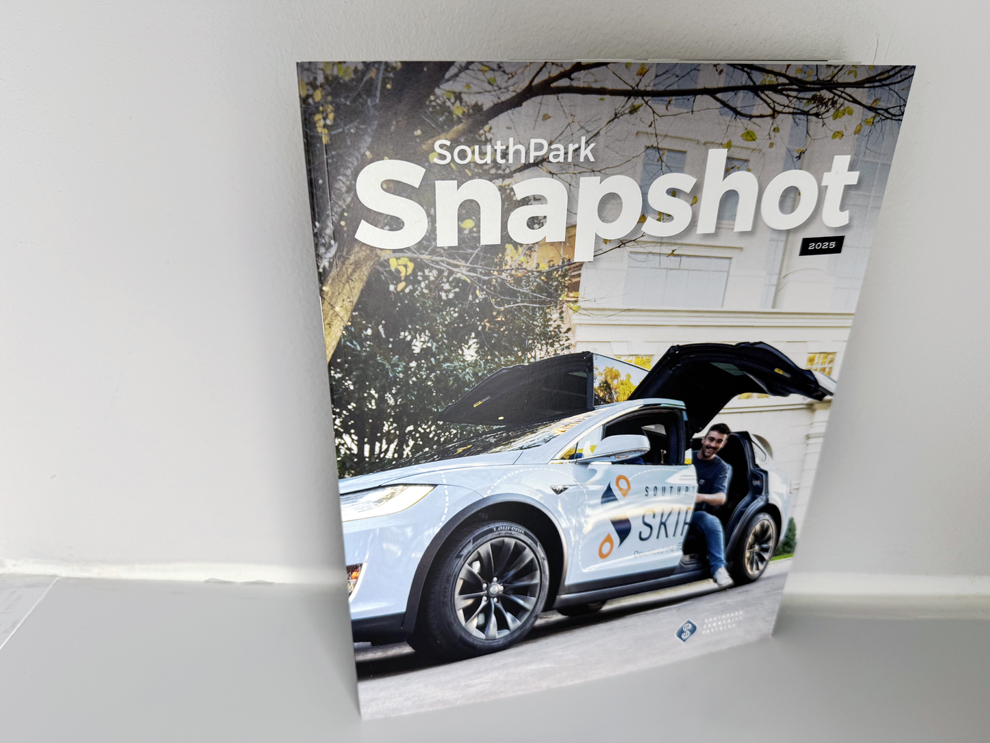
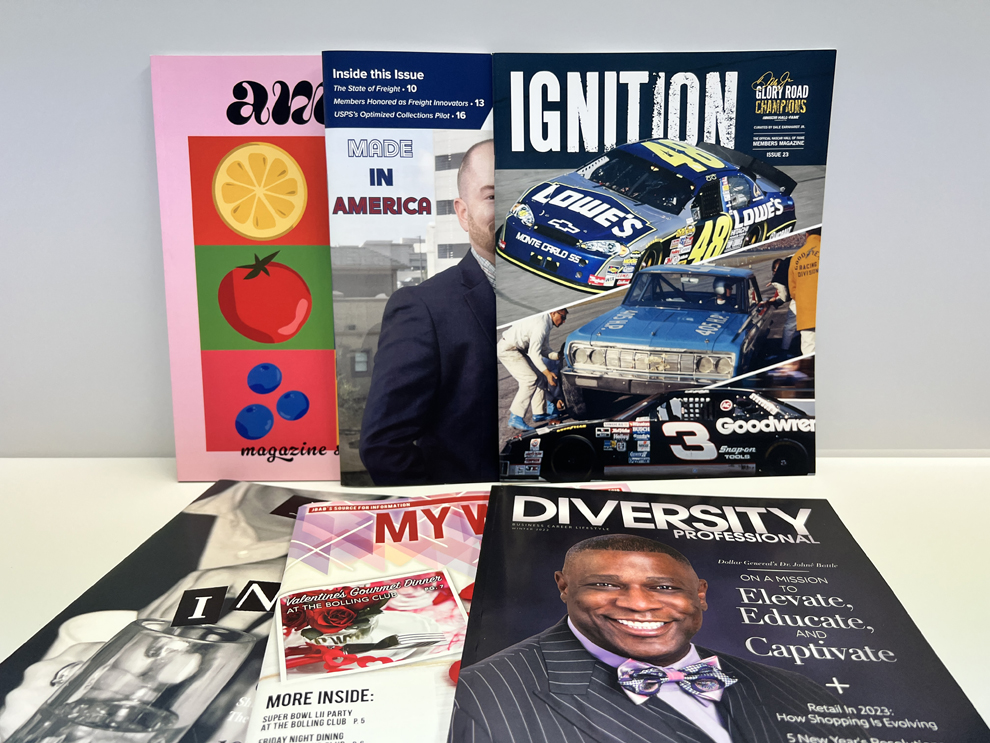
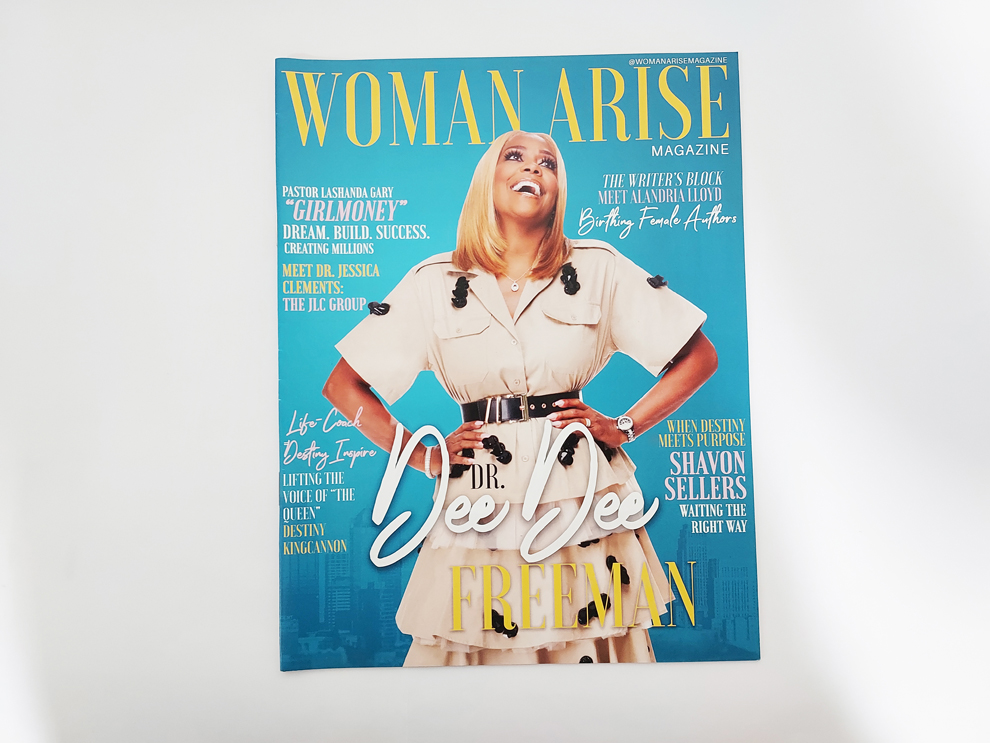
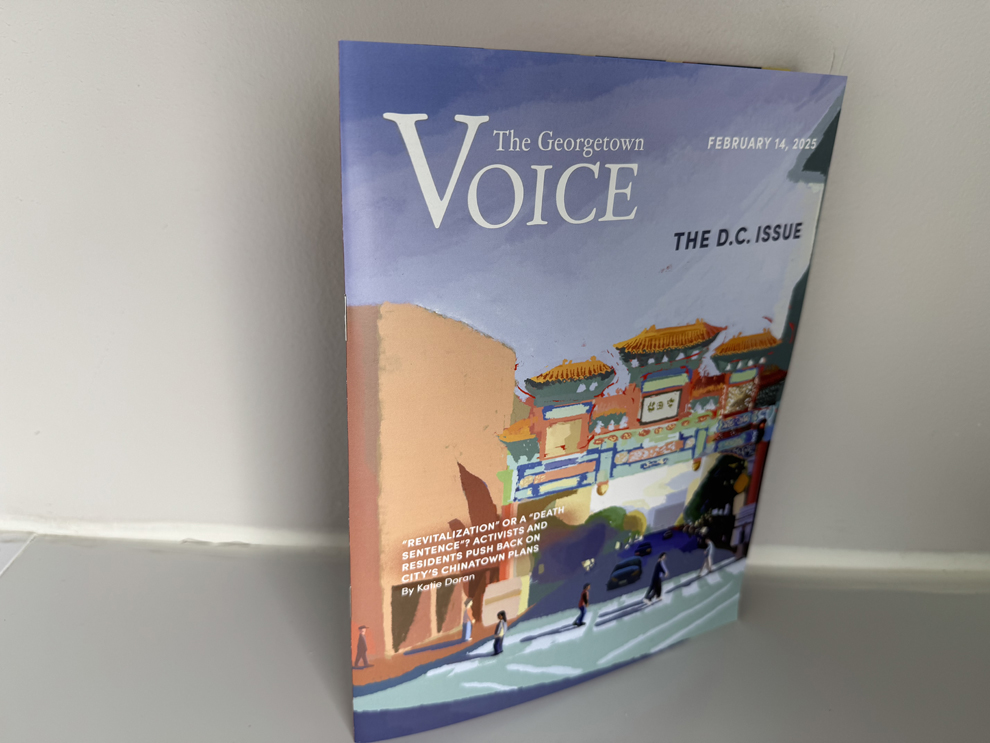
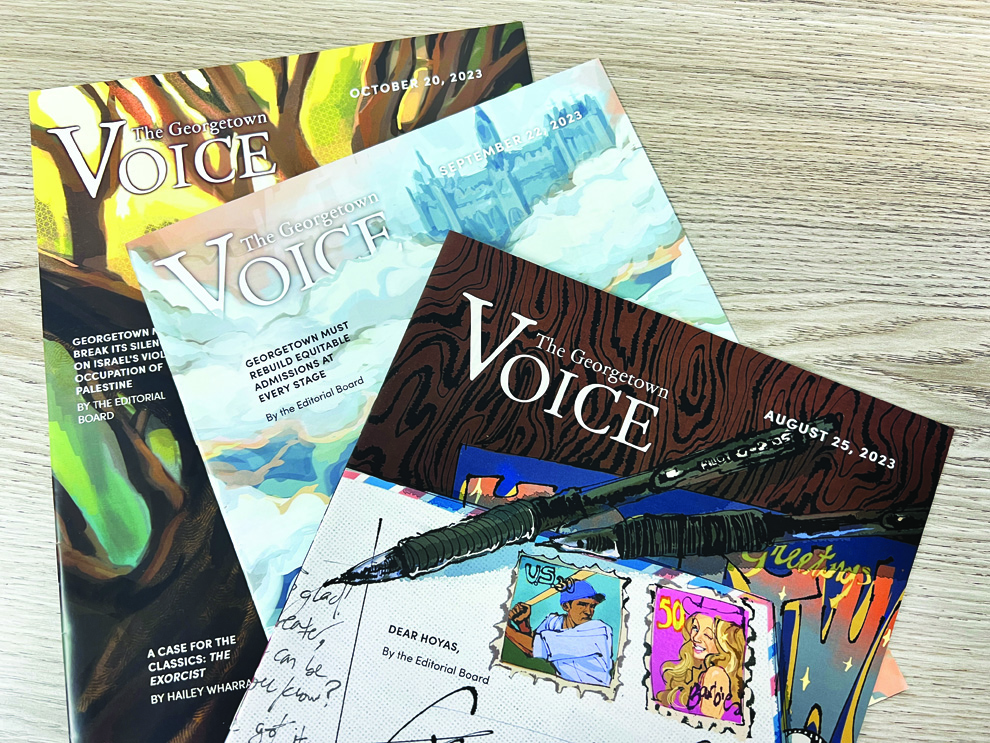
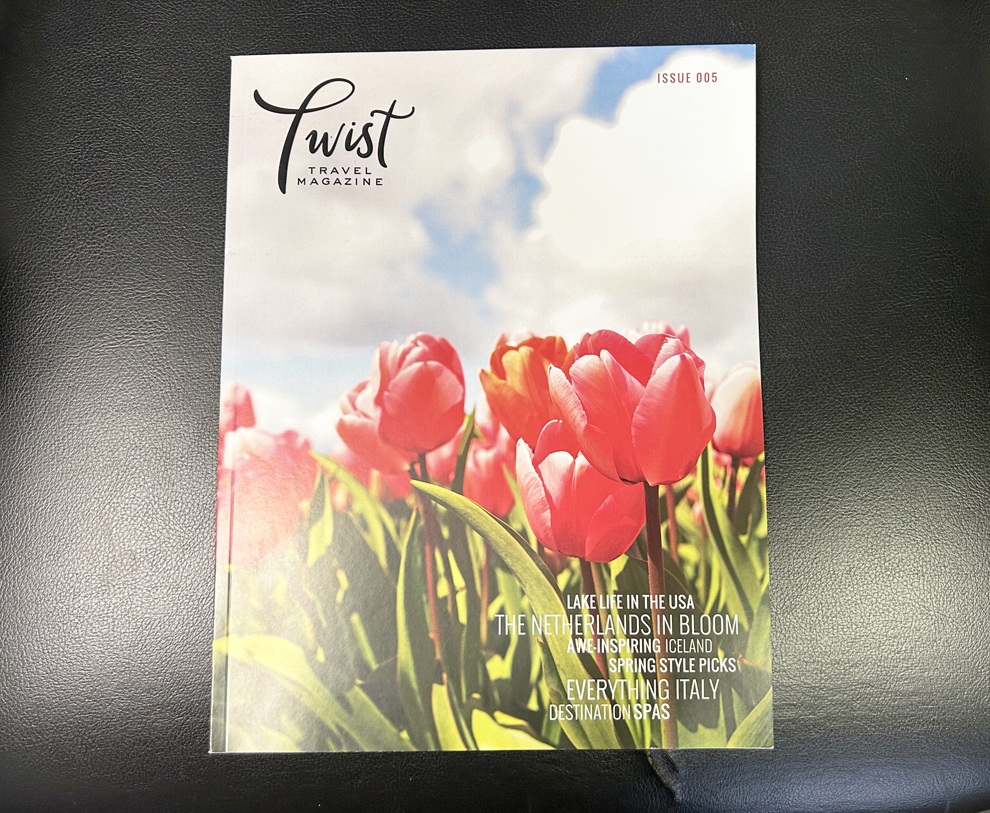
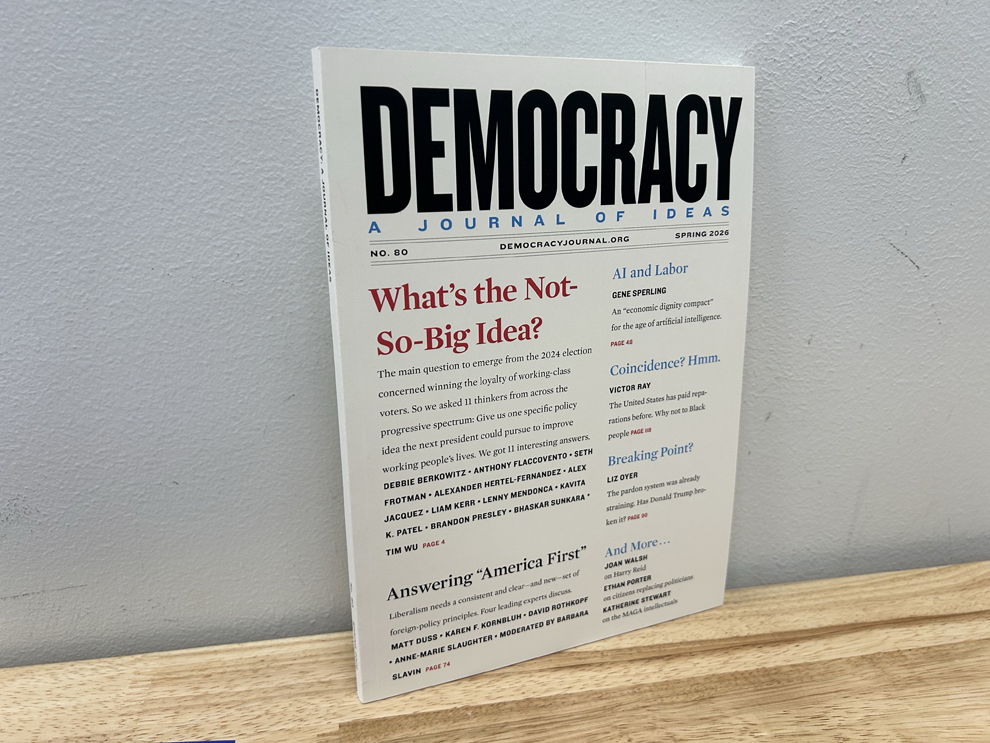
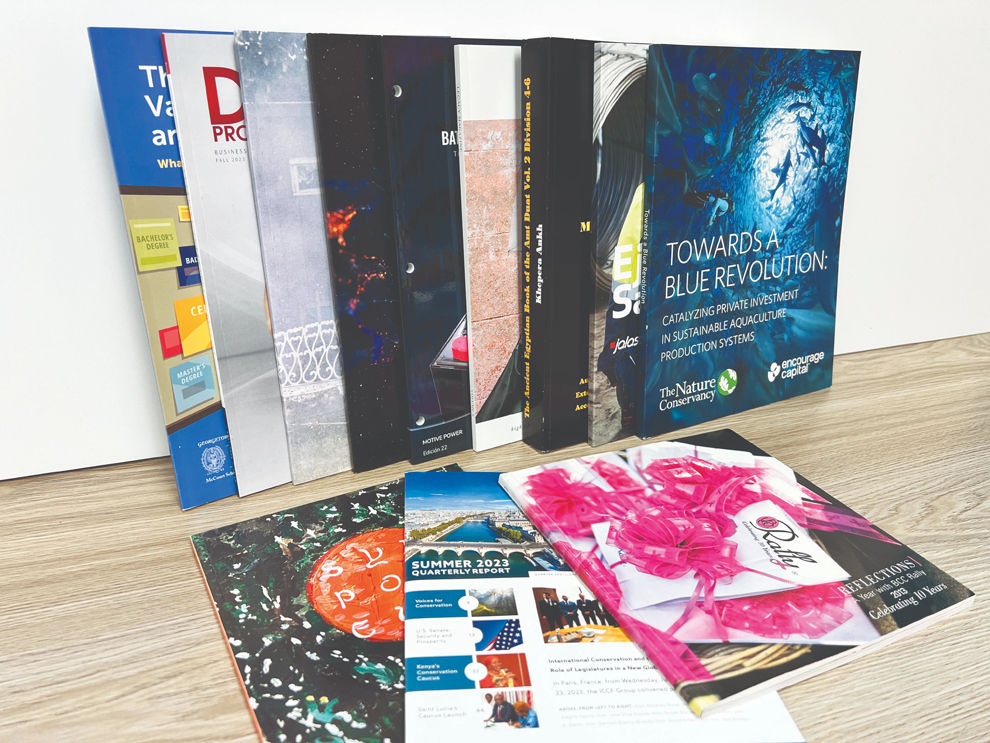
Winston-Salem organizations produce many printed publications that fall outside the usual magazine or newsletter mold. A research group in the Innovation Quarter may issue a findings report, a trade association may update its membership directory, an arts organization may publish a season guide, and a hospital system may distribute a patient resource handbook. Each piece carries its own page count, paper, binding, color sensitivity, and distribution plan, and Heritage plans production around those specifics rather than one template.
Timing in the Triad is tied to something concrete: a board meeting, a grant reporting deadline, a gallery opening, or a conference registration packet. Heritage asks early when the publication must reach readers, then works backward through proof approval, printing, binding, and shipping to show what fits. We do not quote a turnaround before seeing files and specifications, but we respond quickly and explain real options.
A directory handled for a year needs a sturdier cover and a binding that tolerates wear, while a report read once and filed can use a lighter self-cover and saddle stitching. Matching construction to use makes the finished piece work.
Heritage has been printing since 1977, and that history matters when a publication will be read by members, donors, patients, students, or policymakers who judge your organization partly by what they hold. Veteran-owned and family-led, Heritage pairs award-winning production expertise with the kind of accountable follow-through that keeps a journal or directory on track from file receipt to delivery.
Quality control starts before anything is printed. Heritage checks incoming files for common production problems, then sends an electronic proof that you approve before printing starts. Where color is critical, as it often is for photography-heavy guides or brand-sensitive directories, we apply spectrophotometric calibration and verification and production-specific color profiles so the printed result reflects the intended targets within the limits of the chosen paper and press combination.
Responsiveness in the Triad means prompt answers to calls and emails, flagging a problem before it becomes a missed date, and telling you plainly what the schedule can support. When a Winston-Salem foundation needs its program evaluation report in hand for a board retreat, that candor is worth more than an optimistic promise.
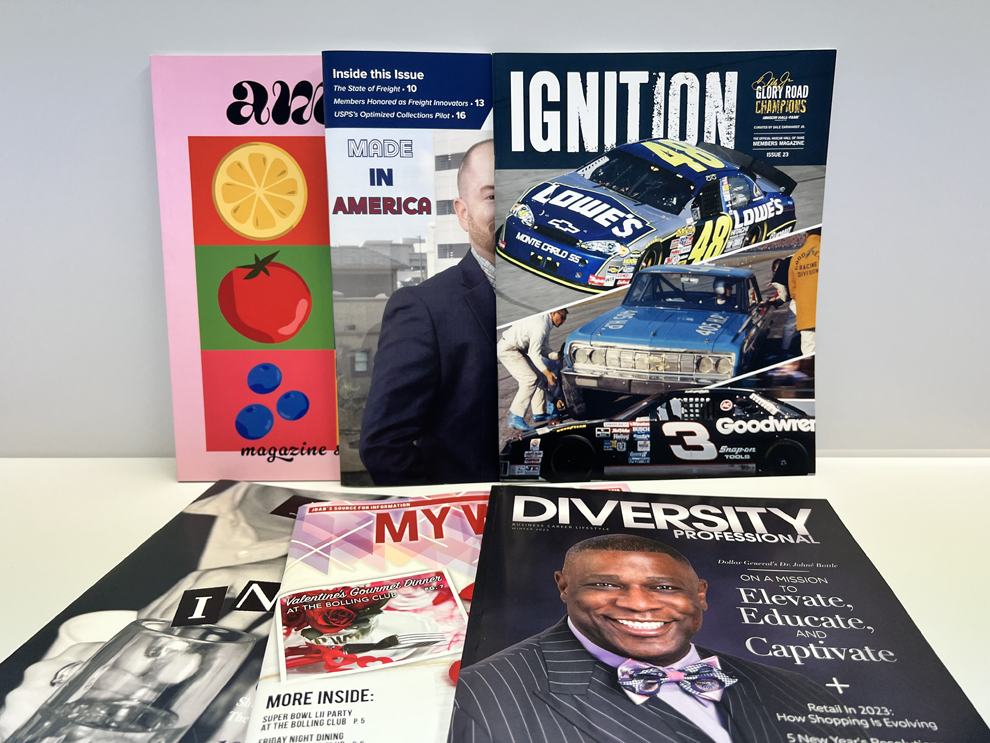
Choose this when you publish recurring editorial issues that need consistent cover stock, interior paper, and binding from one edition to the next.
Shorter, more frequent organizational updates with mailing needs belong here rather than in a broader publication plan.
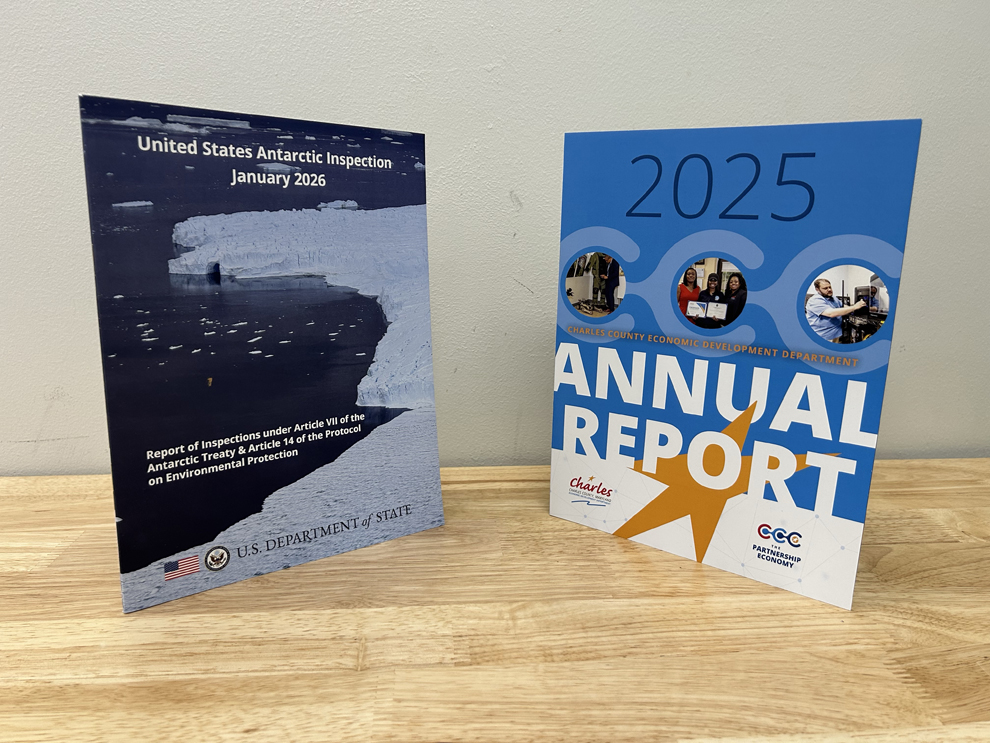
Yearly stakeholder reporting on finances, performance, and governance has its own page family and production rhythm.
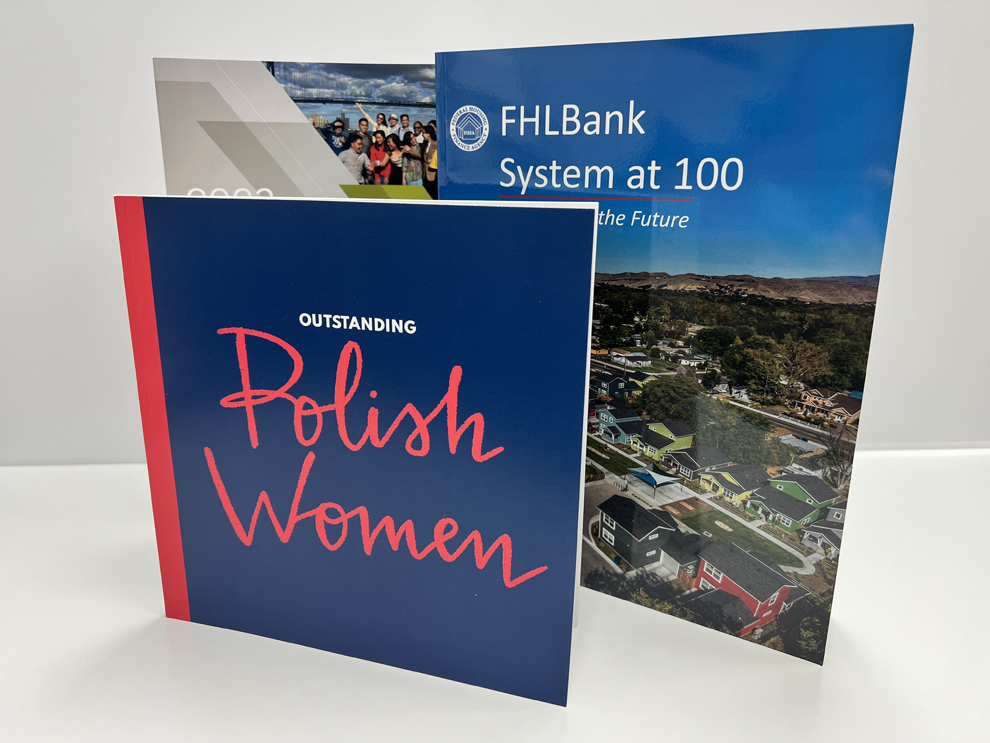
Compact programs, guides, and handouts where binding style and practical format are the main decisions fit this family best.
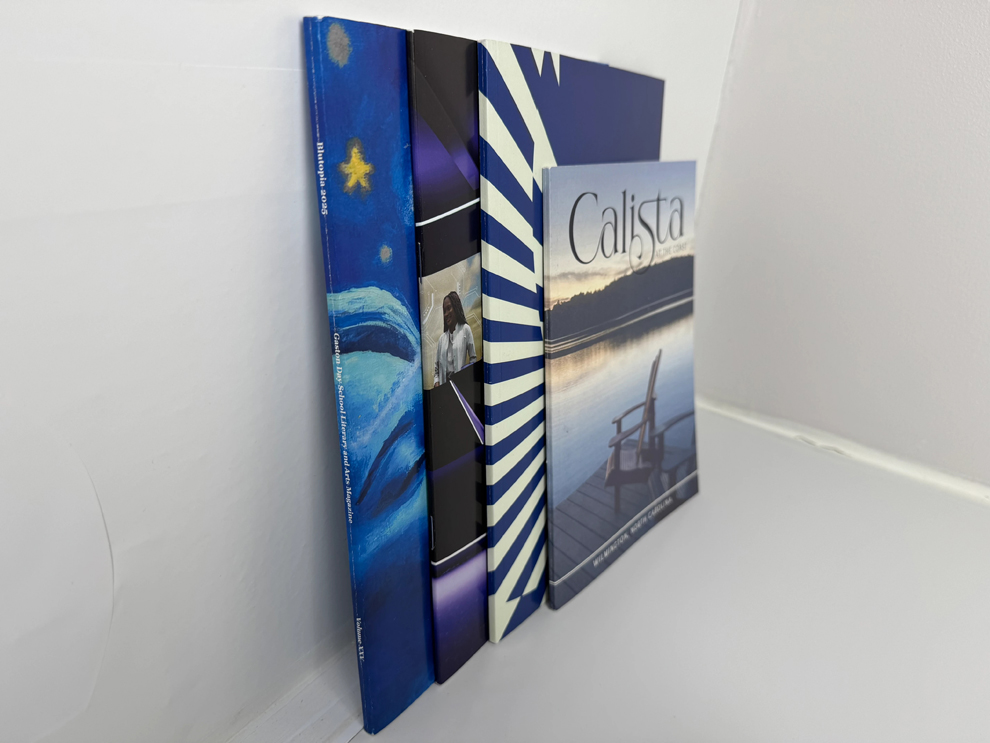
Thicker publications gain a square, printable spine and a more substantial shelf presence through this method.
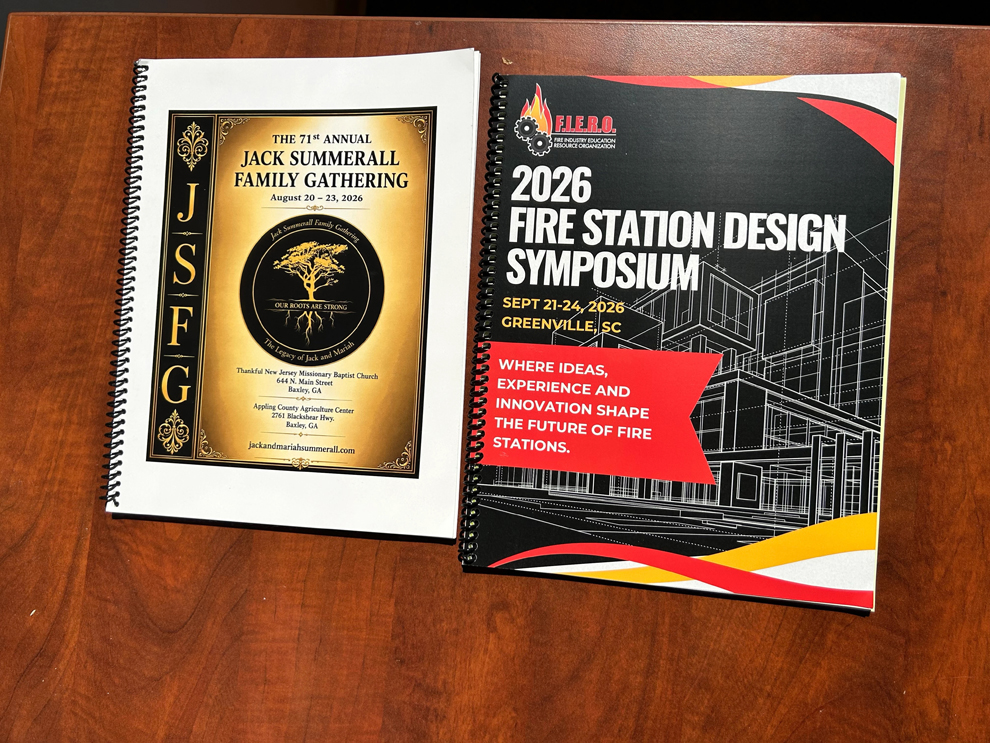
Instructional content that will be opened repeatedly at a desk or workstation benefits from lay-flat construction and durable covers.
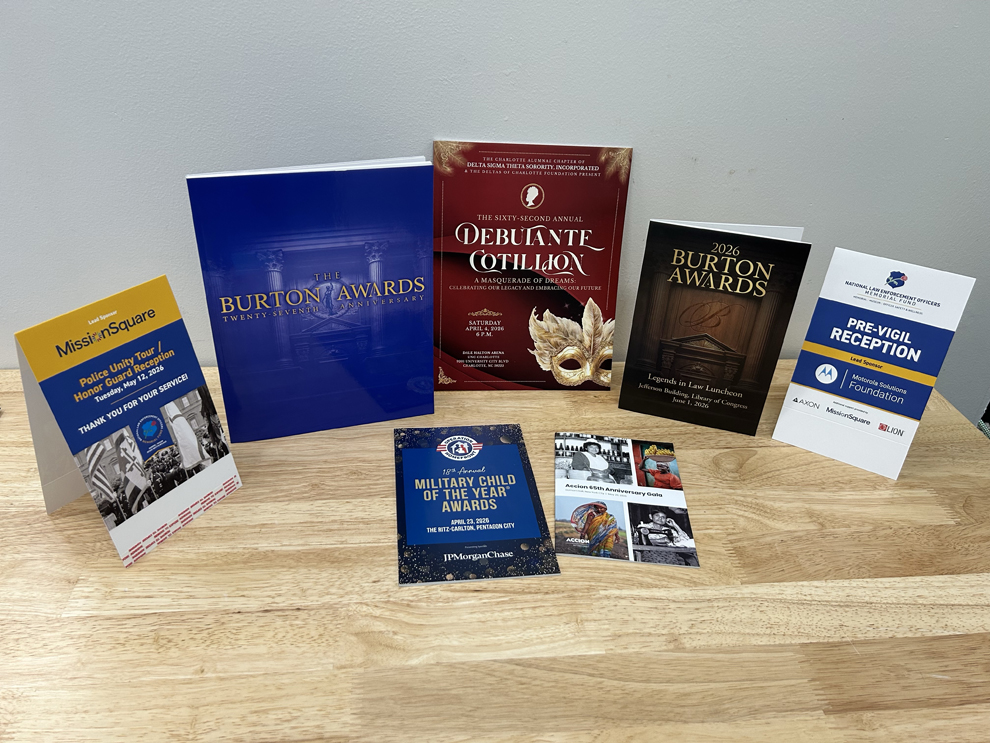
Agendas, speaker bios, and sponsor acknowledgments for conferences, galas, and ceremonies are handled with the event date in mind.
Addressing, postal preparation, and USPS entry for publications that go straight to a mailing list.
Send Heritage the basics about your journal, report, guide, or directory through Custom Quote when the project needs specification guidance, production-oriented file preparation, multiple editions, mailing coordination, or color-critical attention. After acceptance and assignment, a Project Coordinator will reach out to work through the plan with you. If your files are print-ready and the job matches a current saddle-stitched, perfect-bound, or coil-bound Online Store configuration, you can also price and order directly.
The process begins with a clear picture of the job: finished size, page count, quantity, paper, binding, color expectations, required date, and how copies will reach readers. If you submit a Custom Quote, Heritage reviews that information and responds with questions or a proposal. Once the order is accepted and assigned, a Project Coordinator becomes your direct phone and email contact, carrying the publication through production and staying available if anything changes.
Binding follows how the piece will be used. A thinner journal or program guide usually suits saddle stitching. A thick directory with a square spine for shelf identification calls for perfect binding, provided the page count gives the spine enough bulk. A reference guide that lives open on a desk often works best with plastic coil. Paper weight, cover construction, and ink coverage are chosen alongside the binding, not after it.
Every order receives an electronic proof for approval before printing. Heritage then holds to the confirmed specifications, keeps finishing consistent across the run, flags any material or schedule issue promptly, and moves finished copies into mailing, shipping, or your distribution plan.
Yes. Heritage serves organizations across Winston-Salem, Forsyth County, and the wider Piedmont Triad from its North Carolina production operations, with the Charlotte headquarters facility handling much of the Carolinas work. Heritage does not maintain an office in Winston-Salem, so finished publications are shipped, delivered, or mailed according to the project plan rather than picked up locally.
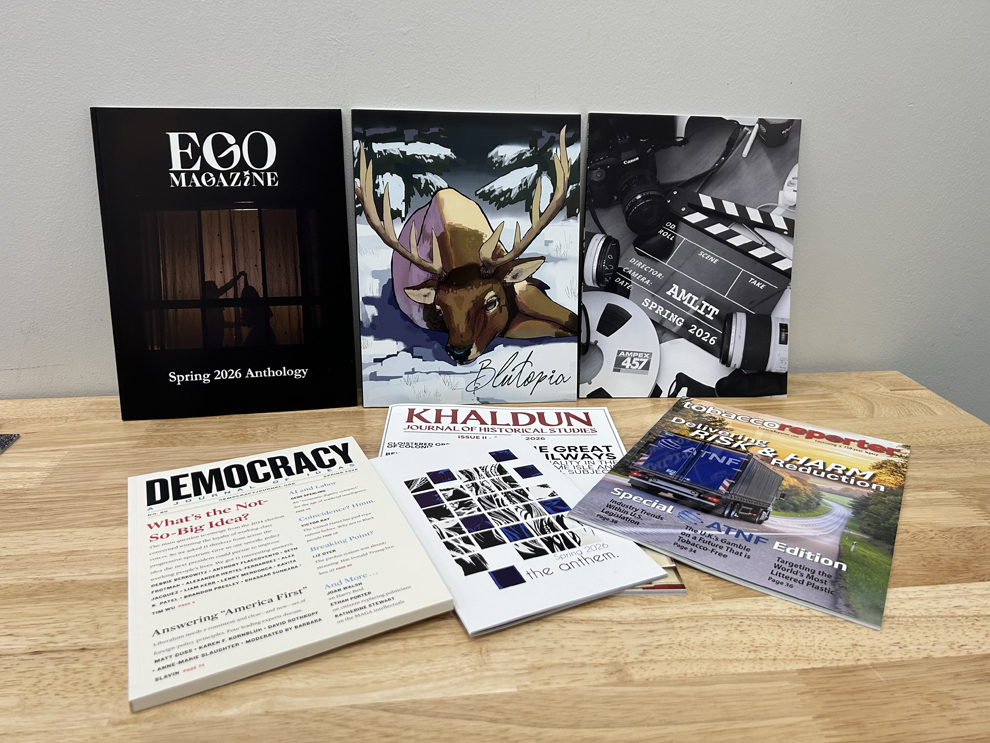
Think of Publication Printing as the home for journals, research or policy reports, program and resource guides, membership directories, and similar multi-page pieces that do not clearly fit Magazine, Newsletter, Annual Report, or Booklet Printing. If your piece is a recurring editorial issue, a brief frequent update, or a yearly stakeholder report, the narrower family will serve you better and Heritage will point you there.
Heritage works best from complete, print-ready files. Writing, editing, and overall design remain with your team or your designer. On qualifying Custom Quote projects, Heritage can handle production-oriented adjustments such as fixing bleed, repositioning elements for binding, or preparing cover files, but Publication Printing is not an editorial or creative development service.
Check page order, pagination, cover placement, image cropping, text that sits too close to the trim, and any last-minute content changes. Your approval locks the file Heritage will print, so this is the moment to catch errors. Keep in mind that a screen proof confirms layout and content, not finished color, because monitors and paper render color differently.
The choice follows page count, paper, and reader behavior. Saddle stitching suits thinner pieces and keeps costs down. Perfect binding needs enough bulk to form a sound square spine and gives thicker directories and journals a finished look. Plastic coil lets guides and manuals lie flat, which matters for reference use. Heritage will recommend an option once it sees the specifications.
A self-cover keeps the publication lighter and simpler, which can reduce mailing costs for large member lists. A separate heavier cover adds protection and a more polished feel for a directory that will be handled all year. Weigh binding method, page count, postal weight, and how long the piece needs to last before deciding.
Yes, within reason. Heritage can retain the finished size, paper, cover construction, binding, and color targets from the previous edition as the baseline for the next one, and established clients may continue working with the same assigned coordinator. Each new edition still gets a fresh file review, proof, and schedule check because content, quantity, and paper availability can change.
Heritage treats the submission as an inquiry and reviews the details you provide. If the project is a fit and Heritage accepts and assigns the order, a Project Coordinator becomes your direct phone and email contact and walks through specifications, timing, proofing, and distribution with you. Submitting the form does not by itself guarantee acceptance or an immediate assignment.
Use the Self-Directed Online Store when your publication is fully specified, your artwork is print-ready, and a live saddle-stitched, perfect-bound, or coil-bound configuration matches the job. You choose the options and place the order yourself. The Store still includes the standard Heritage production review and electronic proof, but it does not include an assigned Project Coordinator or a physical color proof.
Yes. New Commercial Printing work carries a $750 minimum, and the Self-Directed Online Store applies the same $750 total-order minimum. Eligible Store products can be combined in a single order to reach that figure. Custom Quote is the higher-touch path for qualifying projects of $2,000 or more that need added guidance or coordination.
On qualifying Custom Quote orders of $2,000 or more, you can request a Physical Production Color Proof for an additional charge. Heritage prints it on the actual production equipment and the intended paper, and once approved it becomes the physical color reference for the run. It adds production time, so build it into the schedule early. This option is not offered through the Online Store.
Yes, when mailing is included in the project scope. You supply an accurate, authorized recipient list, and Heritage handles the addressing and postal preparation that were agreed. Once the mailing is accepted by USPS, in-home delivery timing is outside the control of Heritage, so plan the drop date with that in mind.
Contact Heritage immediately with the new in-hand date and send the final print-ready file. Heritage will look at the remaining window, identify what must be decided today, and tell you honestly whether the new date is achievable with the planned specifications or whether a change in binding, paper, or quantity would help. No expedited promise is made before that review.
Heritage calibrates and verifies its production equipment with spectrophotometric measurement and uses color profiles matched to the specific printer and paper combination. Supplied PMS references serve as targets. Because paper, ink, and coating each affect the achievable gamut, Heritage manages color within what the chosen combination can physically reproduce rather than what appears on screen.
Yes. A regional chapter directory, a bilingual resource guide, or a report with different cover letters for donors and staff can be produced as separate versions within one project. Give each version a clear file name, confirm quantities for each, and approve each proof separately so nothing is mixed during finishing or distribution.
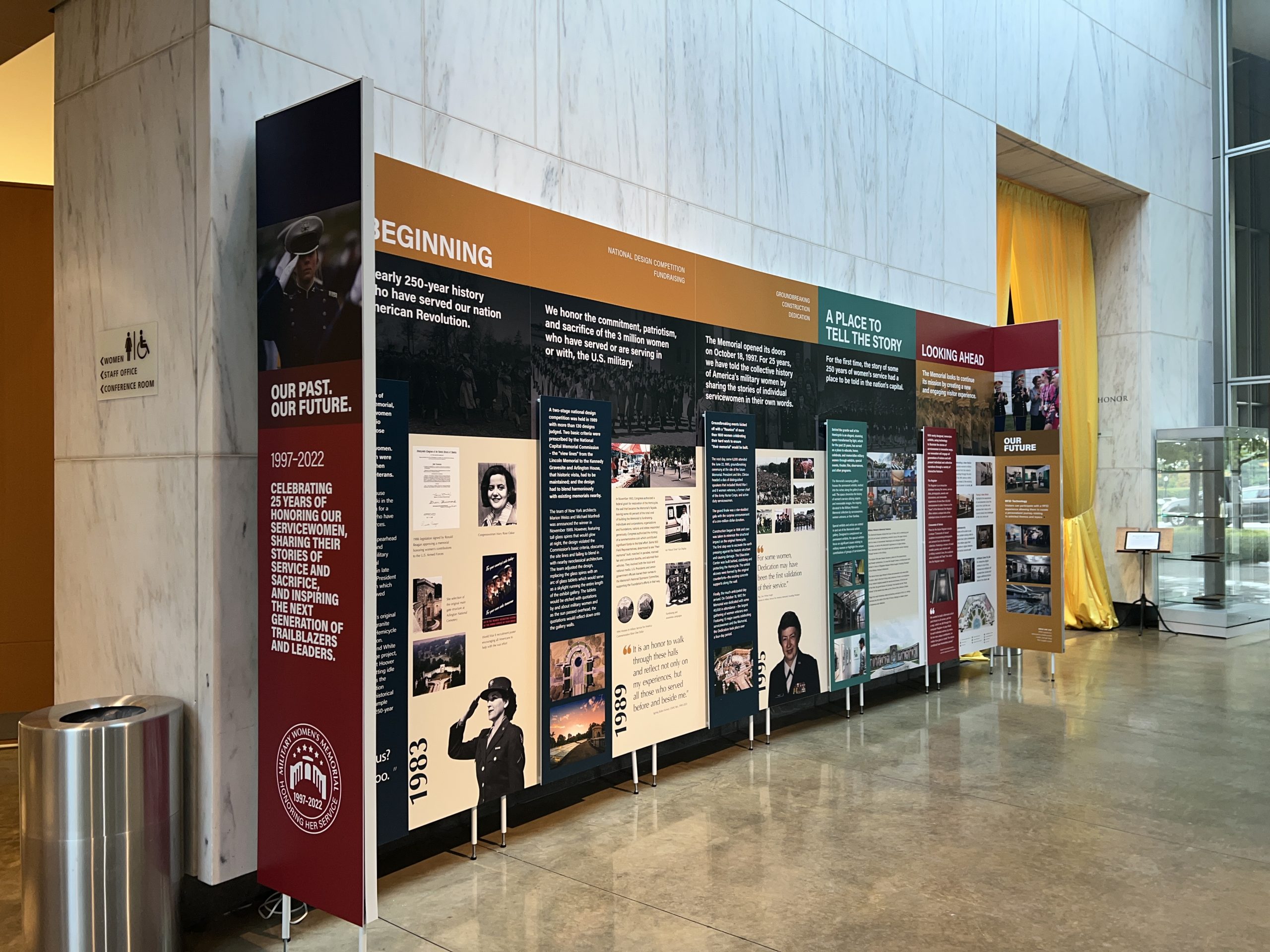
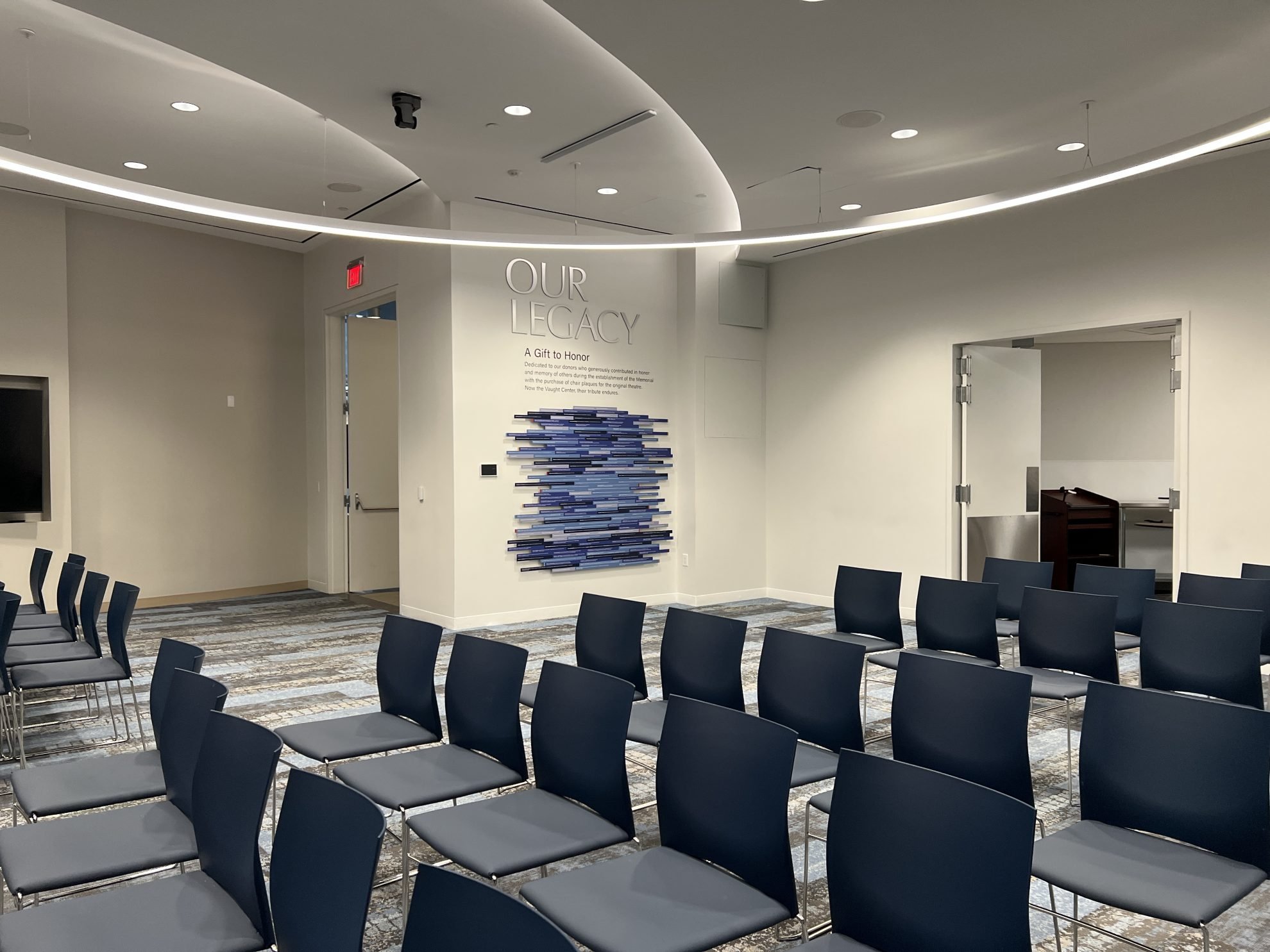
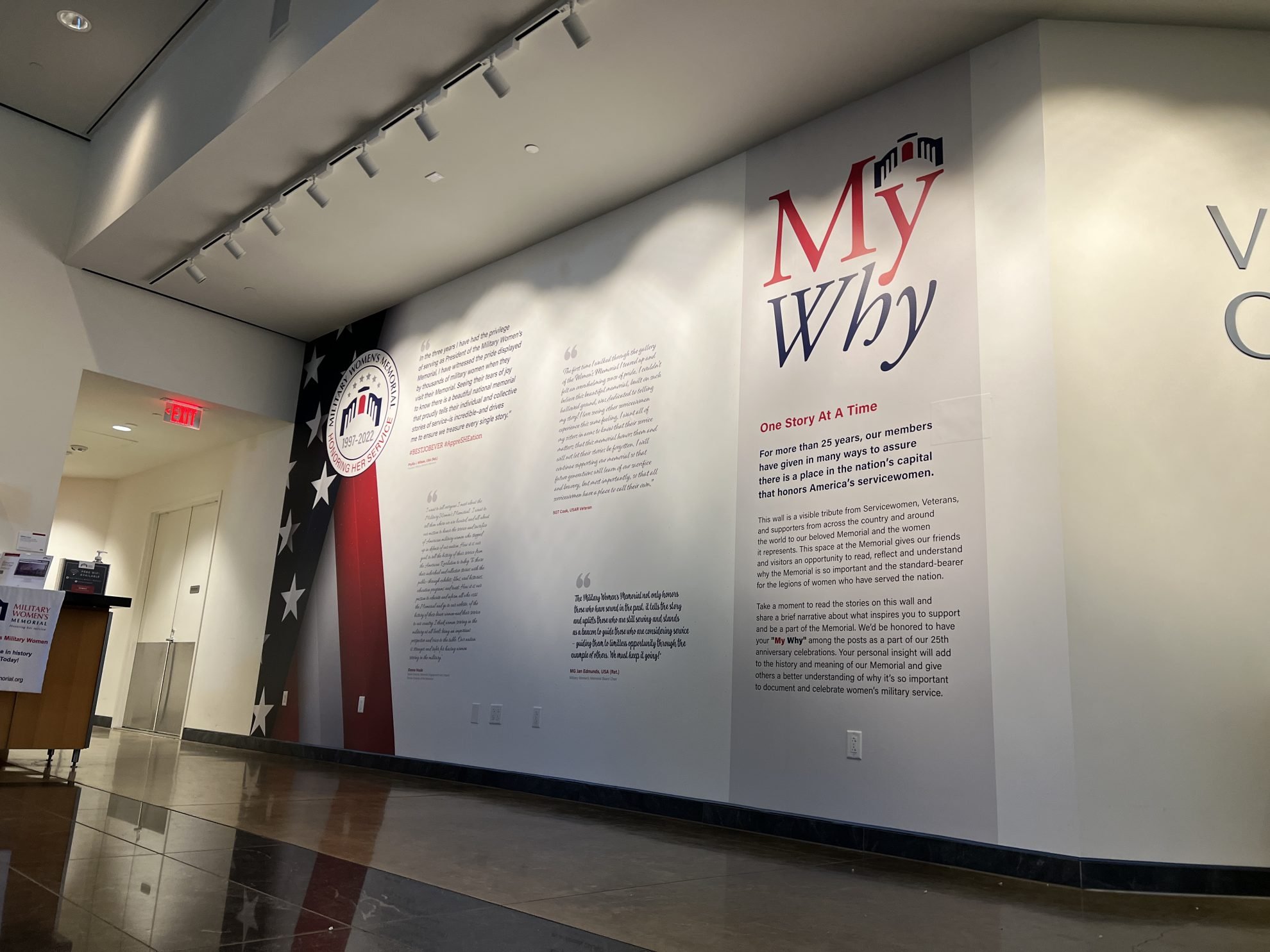
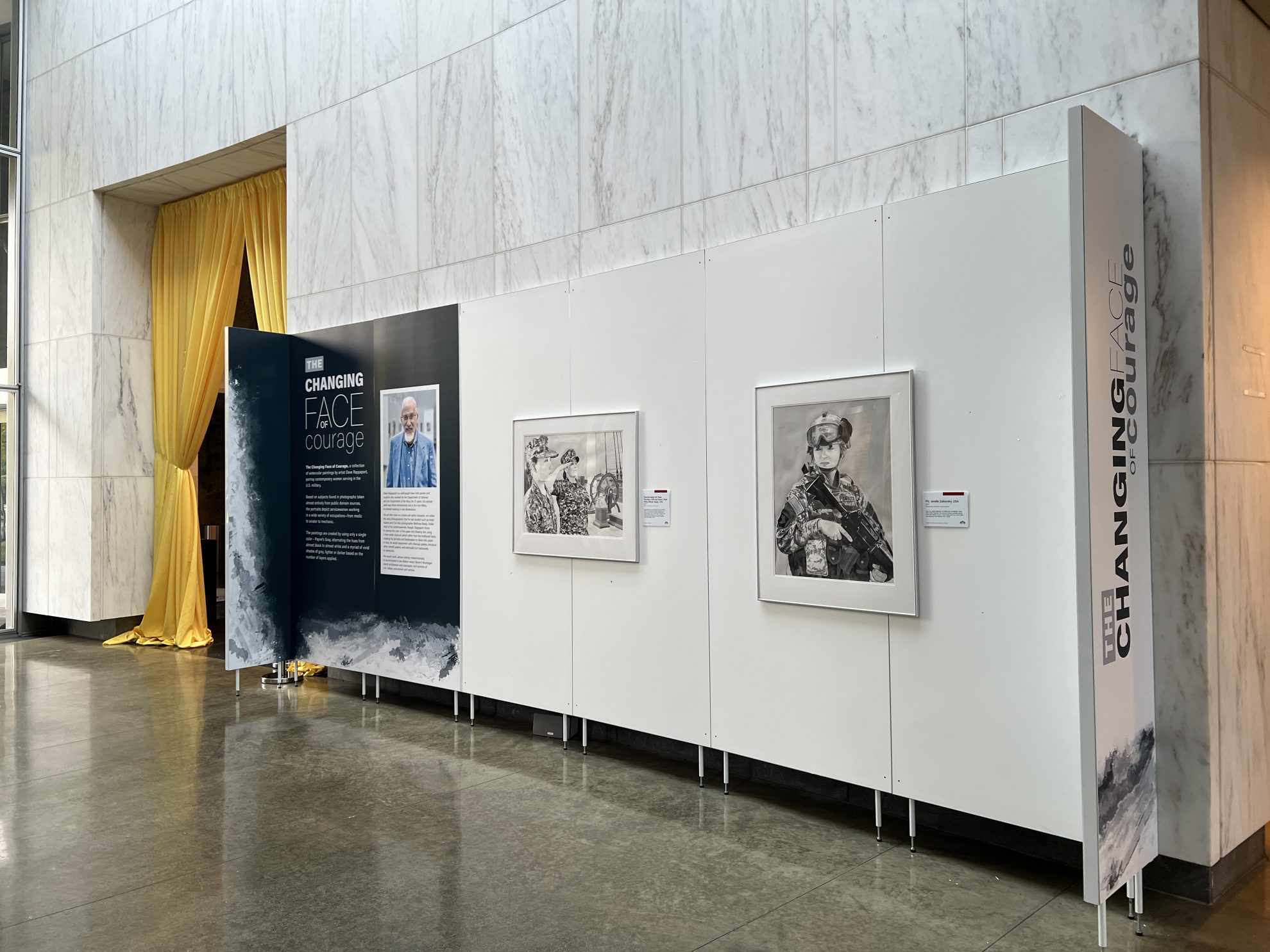
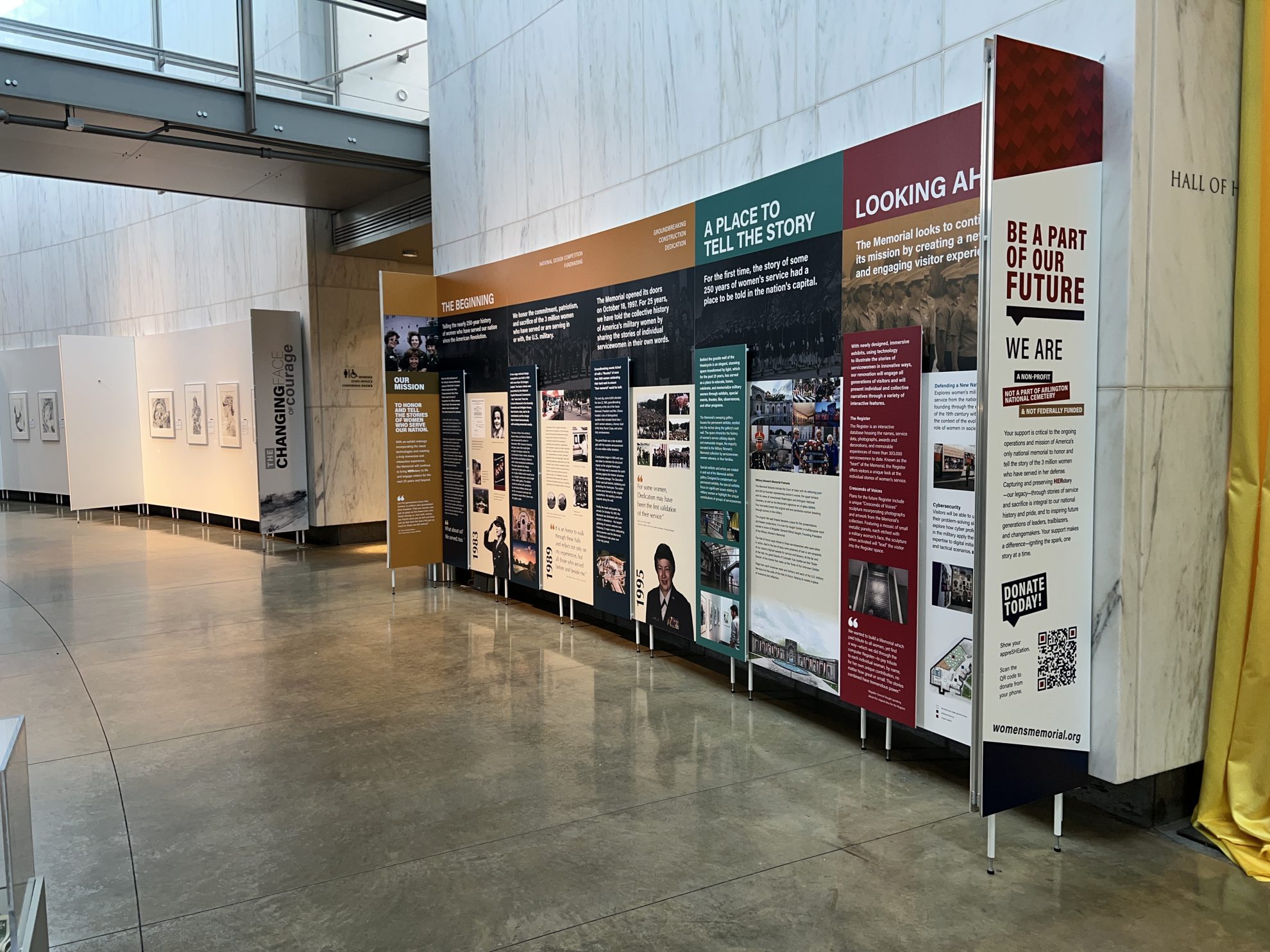
Heritage Signs & Displays created new museum signage for the Military Women’s Memorial in Winston-Salem, NC. The project included custom signs, wall wraps, dimensional letters, and standoff-mounted displays to honor the legacy of U.S. servicewomen and the donors who supported the memorial. The updated interior features impactful designs, including a "Our Legacy" wall display and panels showcasing historical contributions and artwork, creating a transformative tribute to women in the U.S. Armed Forces.
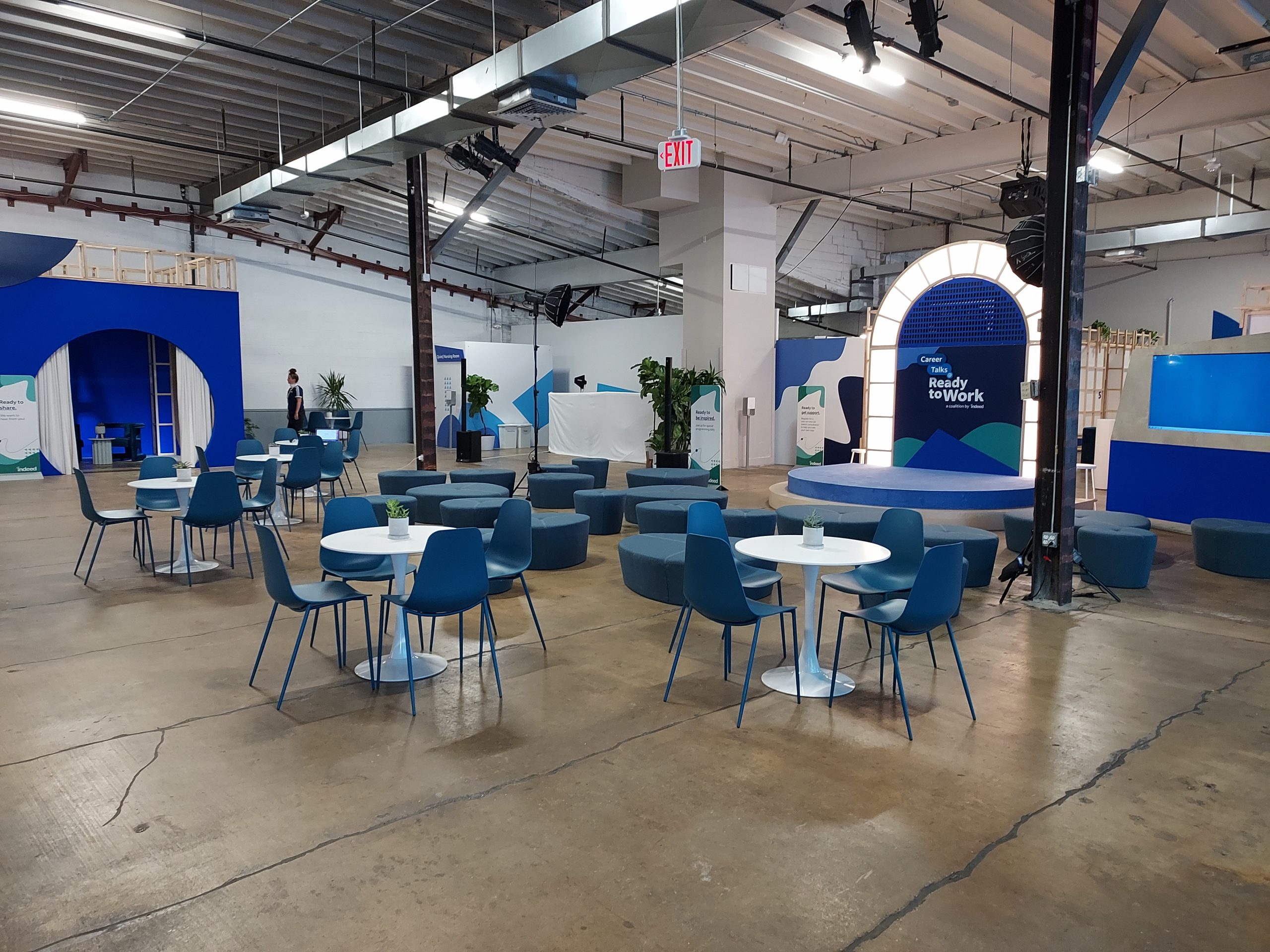
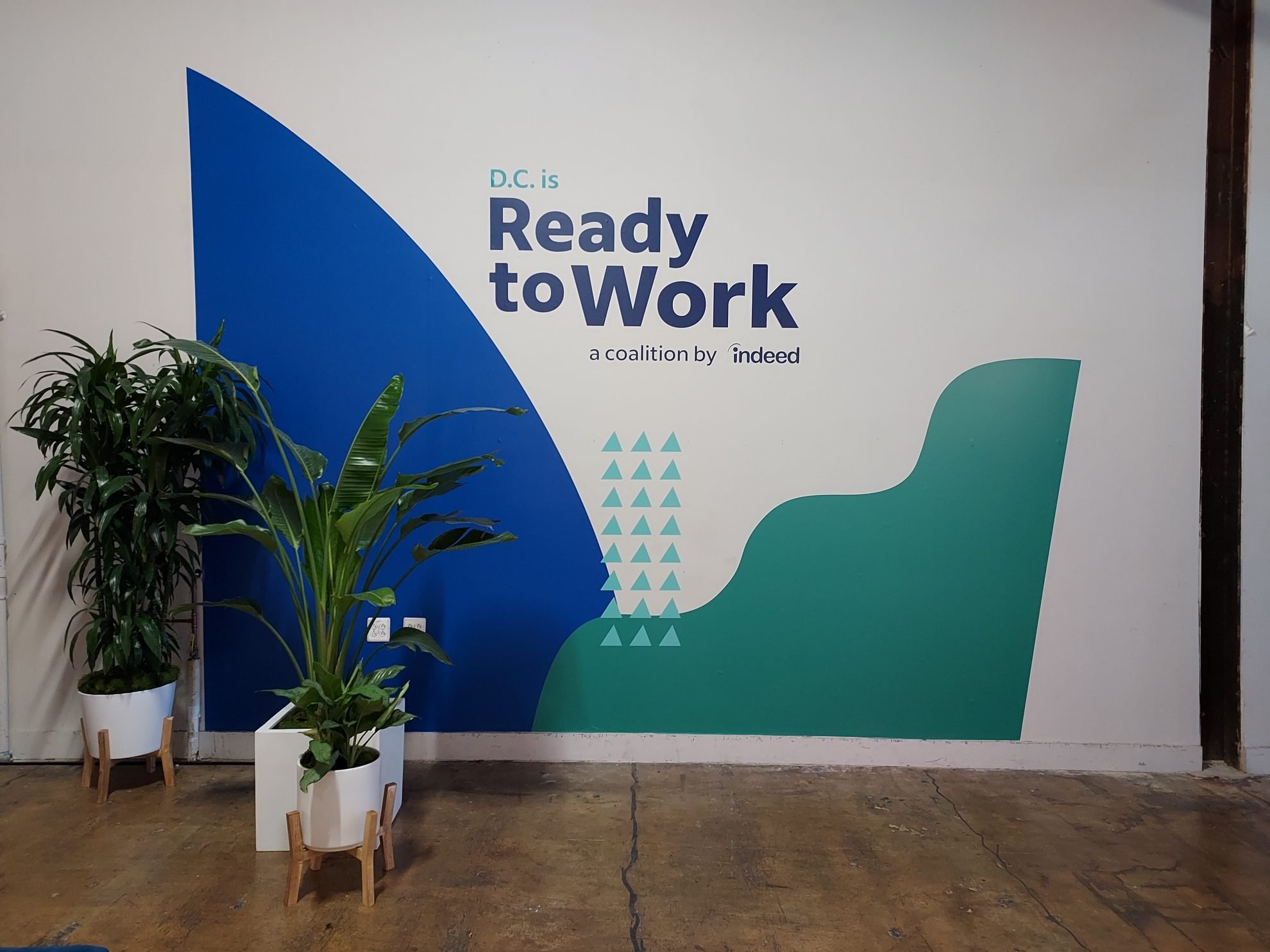
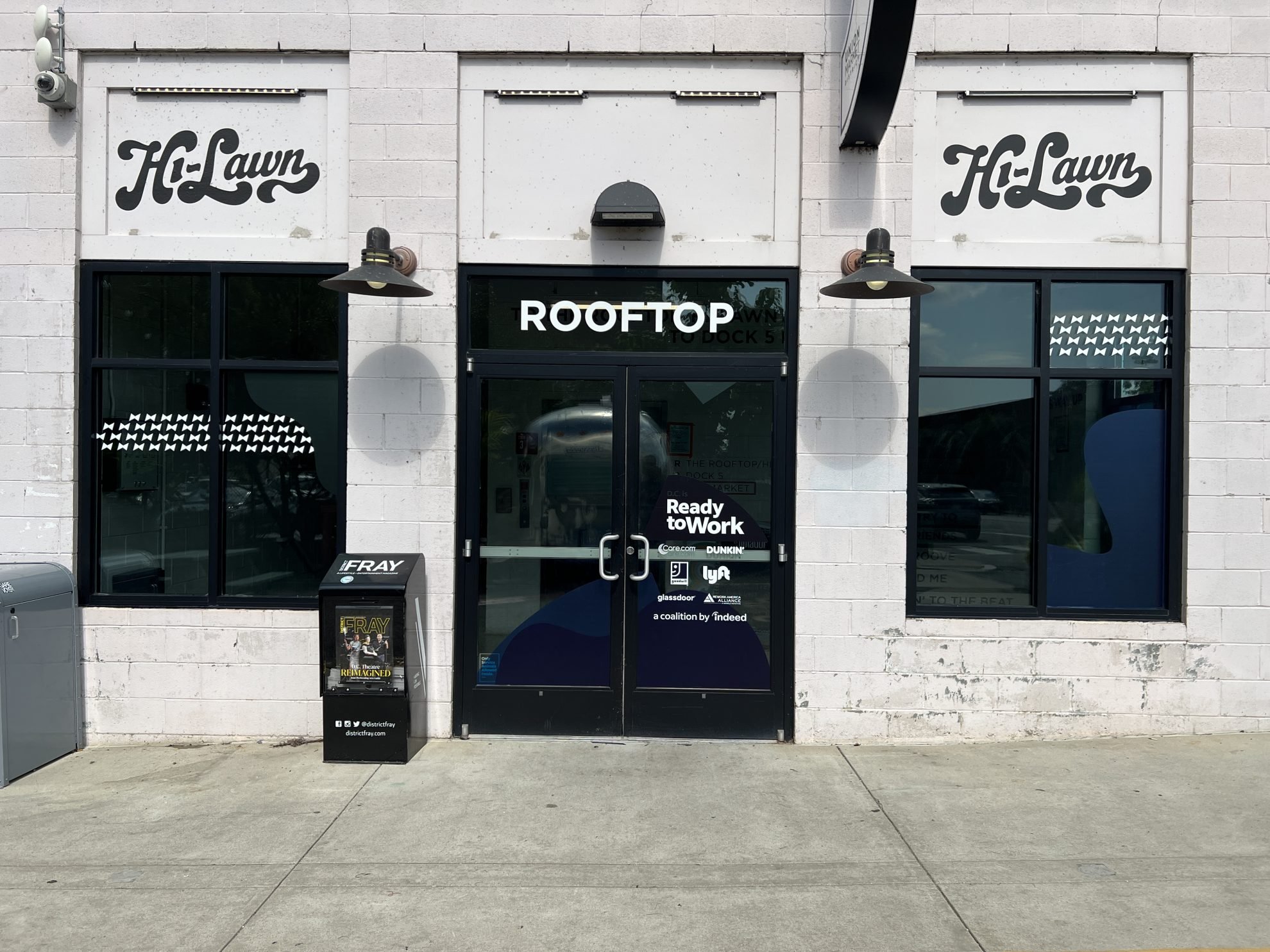
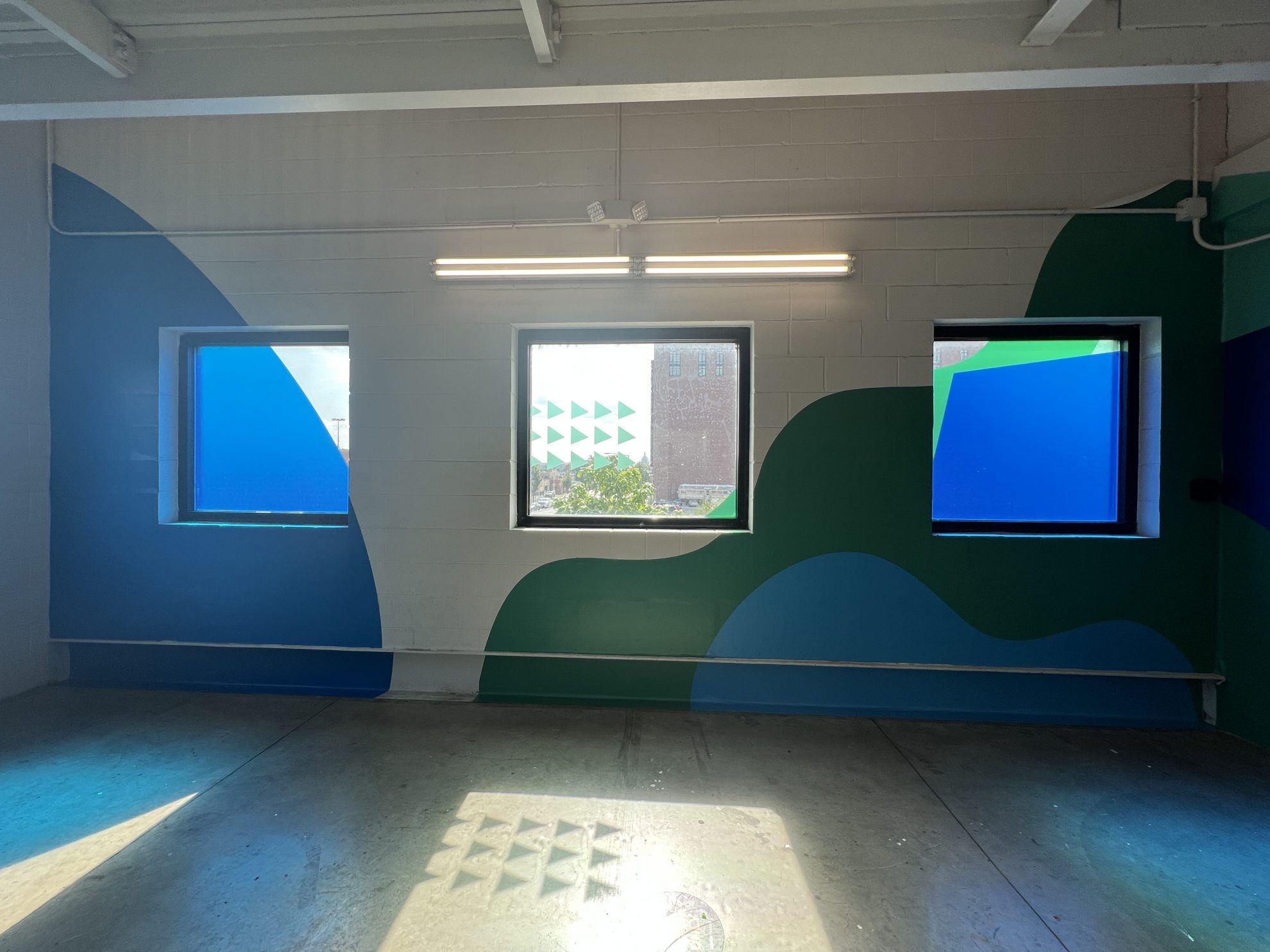
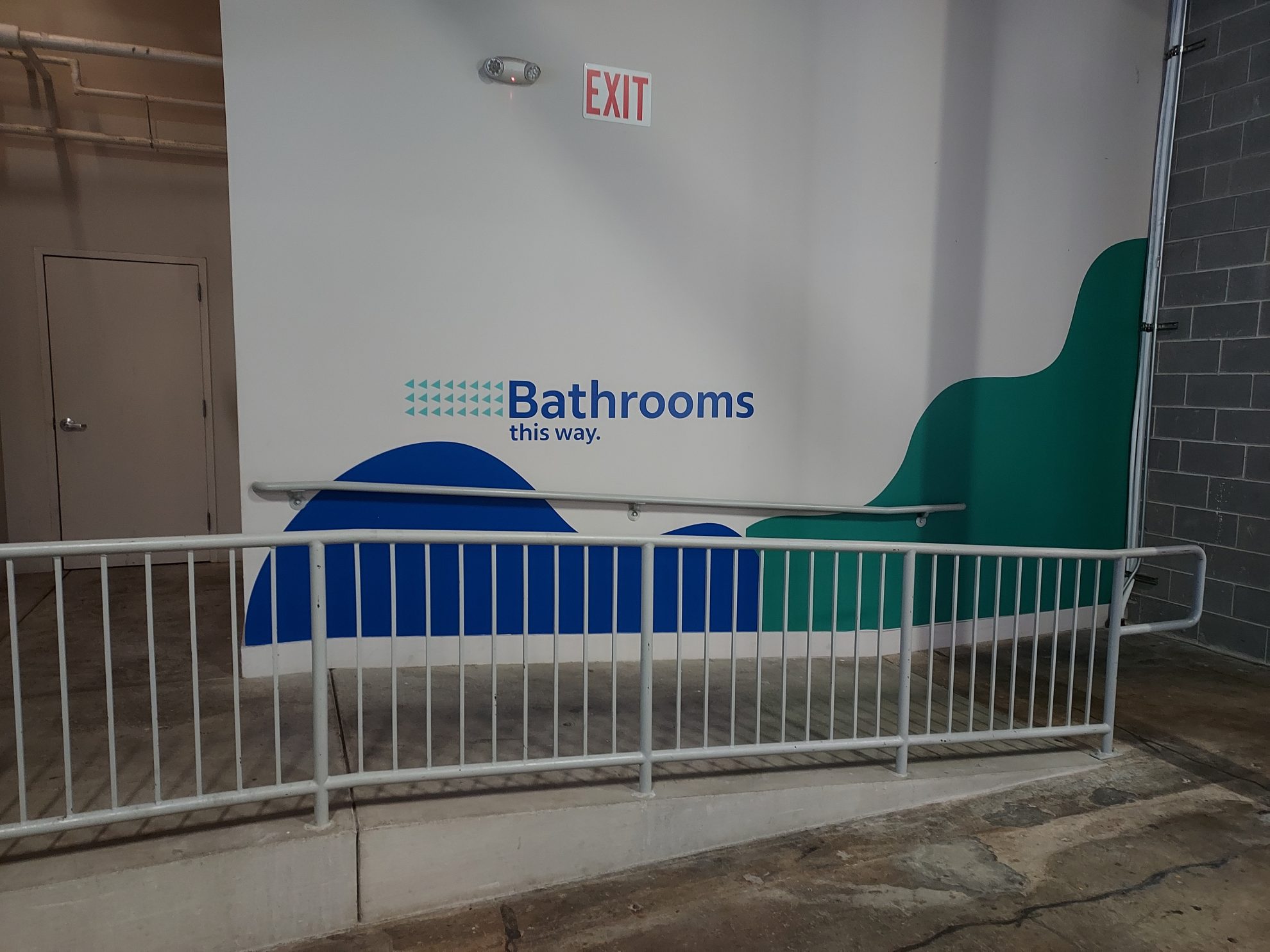
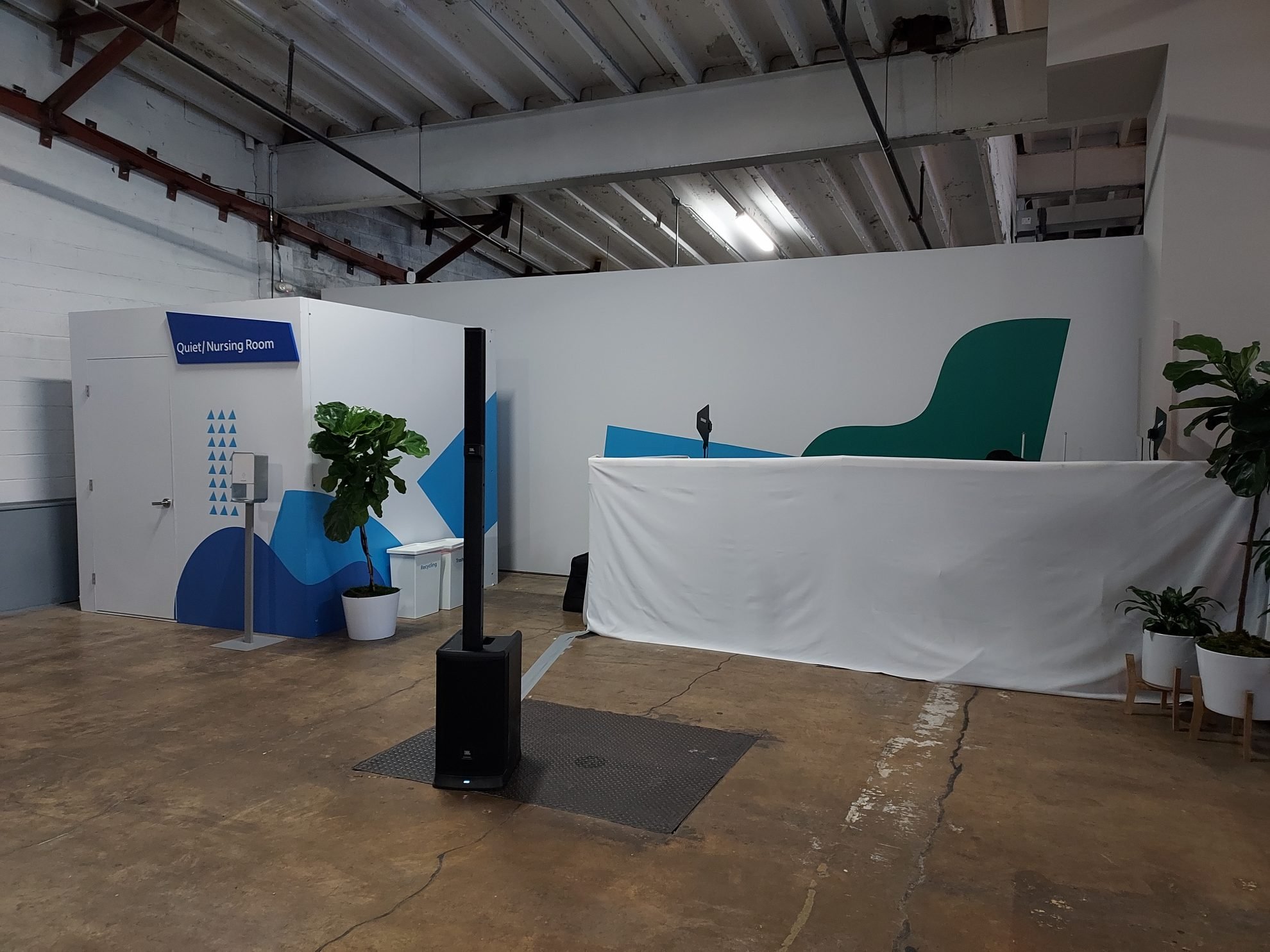
Heritage Signs & Displays' collaboration with The Gathery to brand Union Market in Winston-Salem, NC, for Indeed's "Ready to Work" job fair. The project included custom event displays, wall graphics, window graphics, and wayfinding signs, creating an immersive and visually appealing environment. The branding enhanced the venue, reflected the event's mission, and provided a seamless experience for attendees.