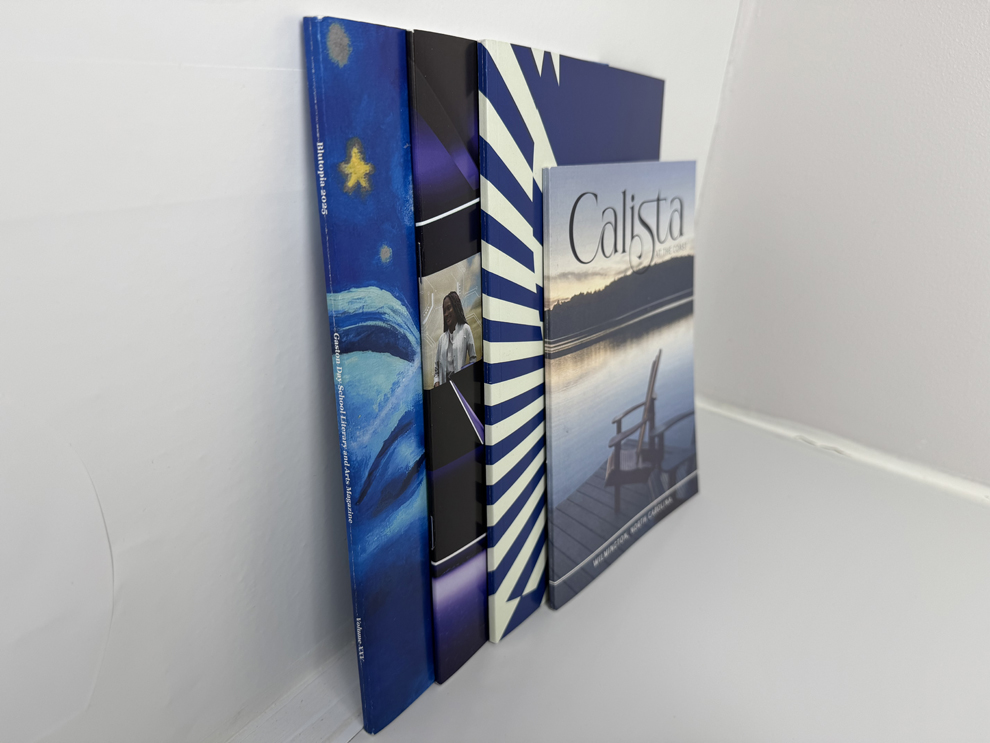
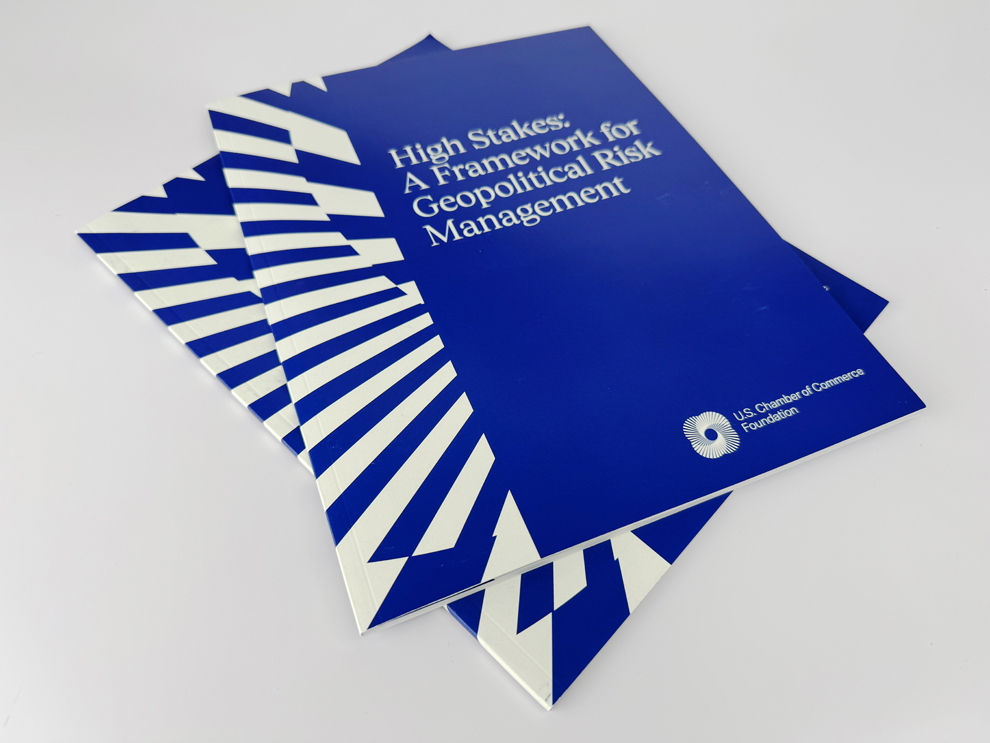
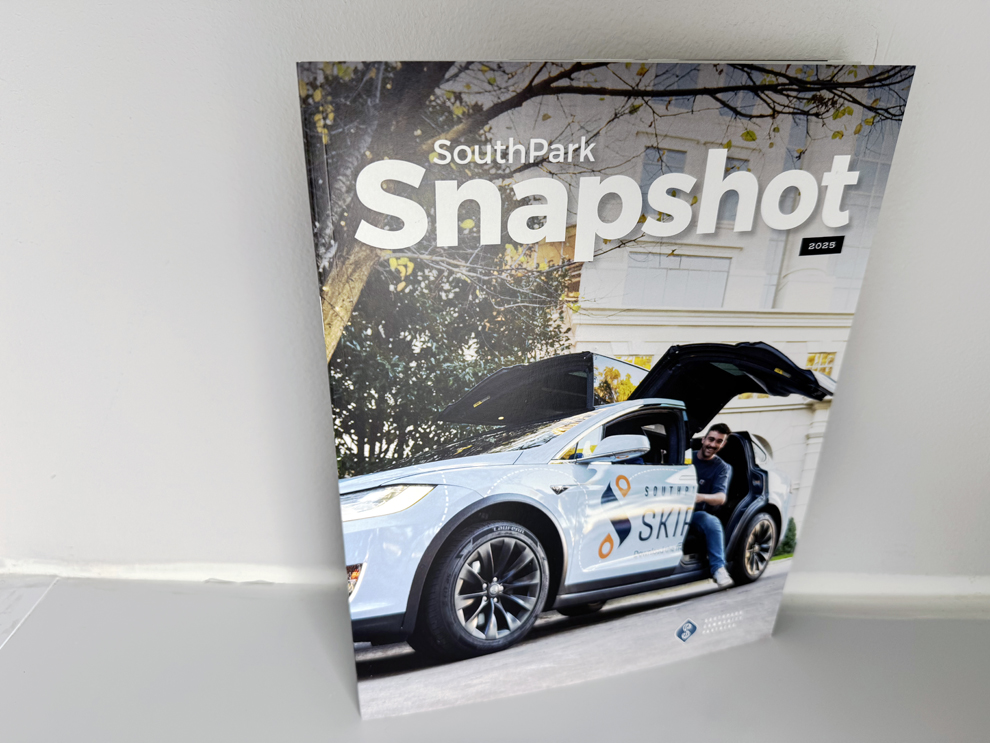
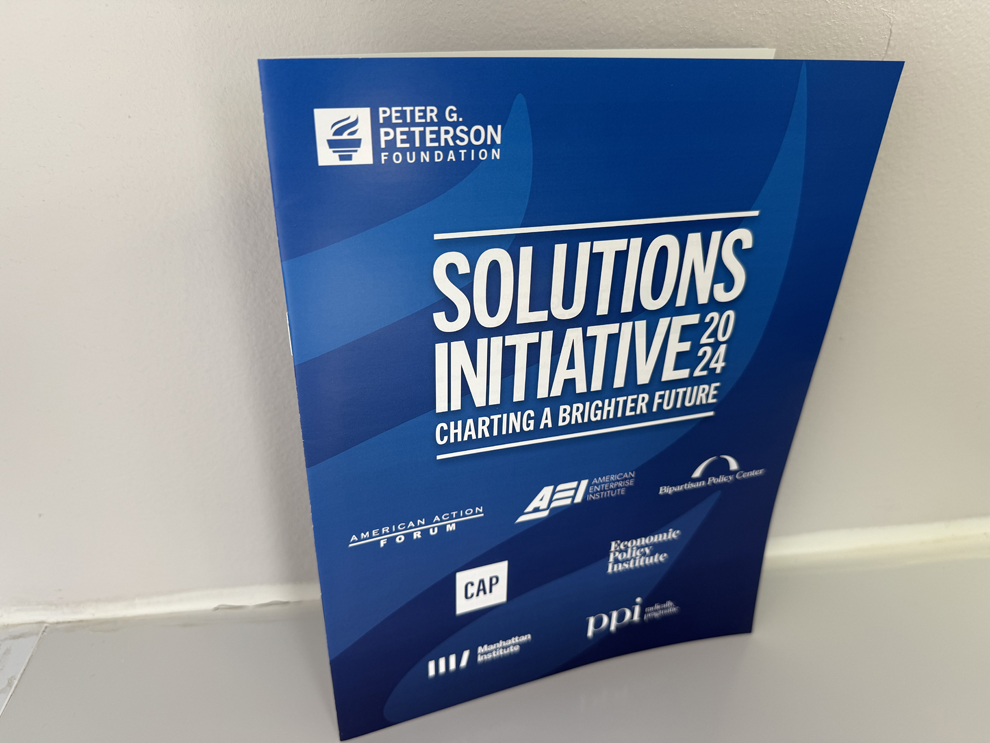
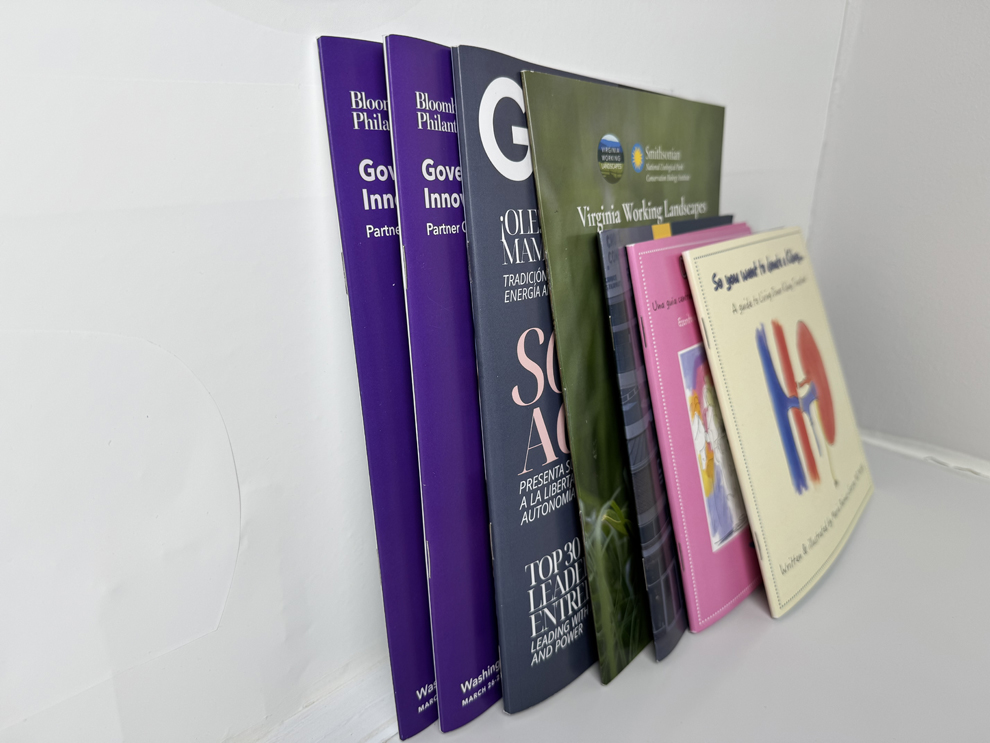
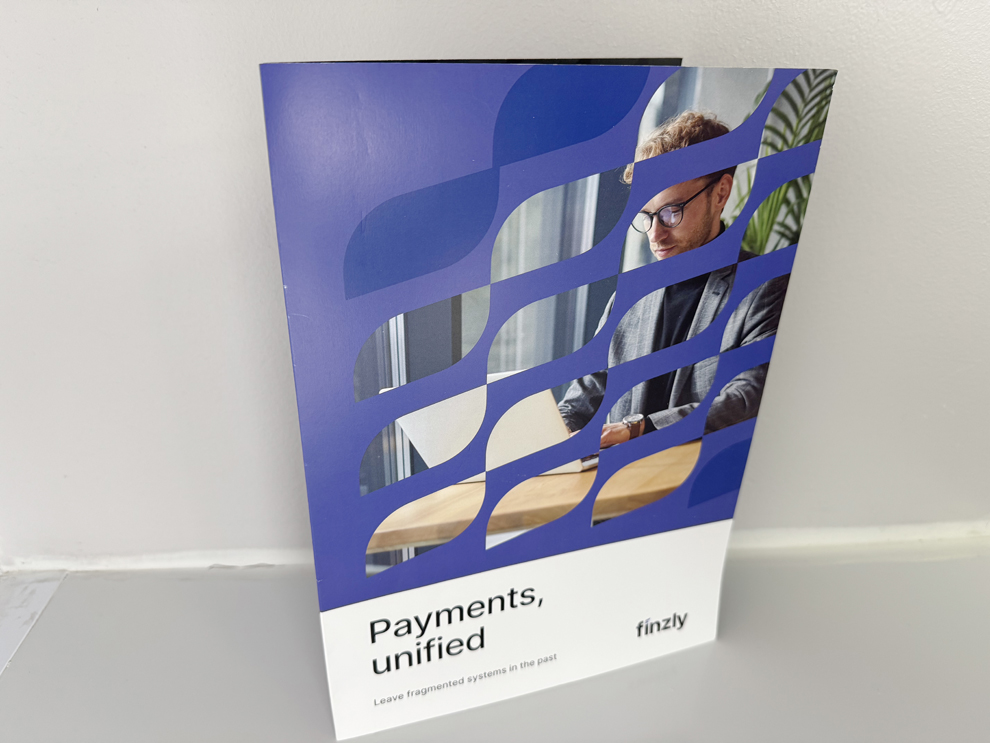
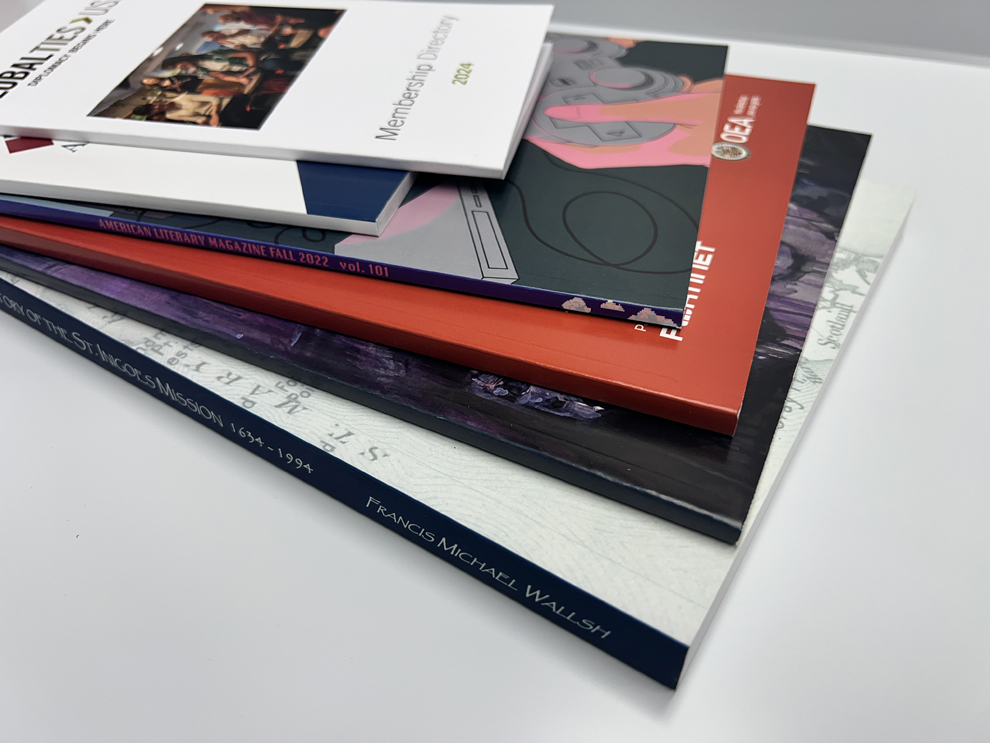
A donor report due before the fiscal year closes, a season program handed out at the theater door, or an orientation guide waiting on a campus table each carries a date that will not move. The booklet has to arrive on time, read clearly, and reflect the organization standing behind it. Those outcomes depend on production decisions made well before the final page is approved.
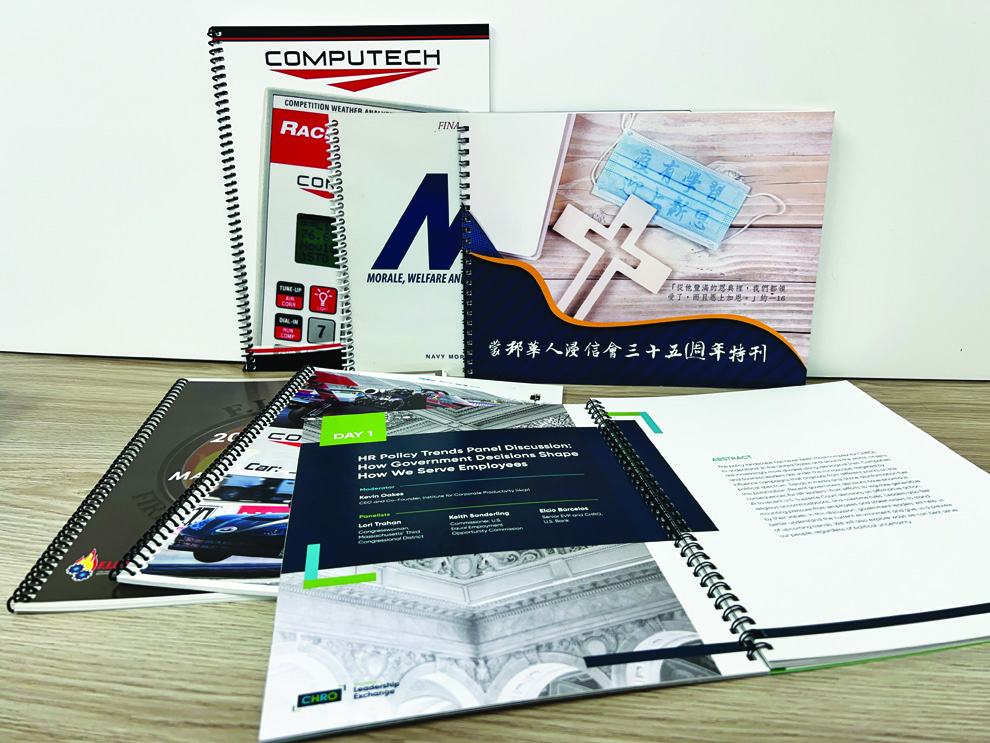
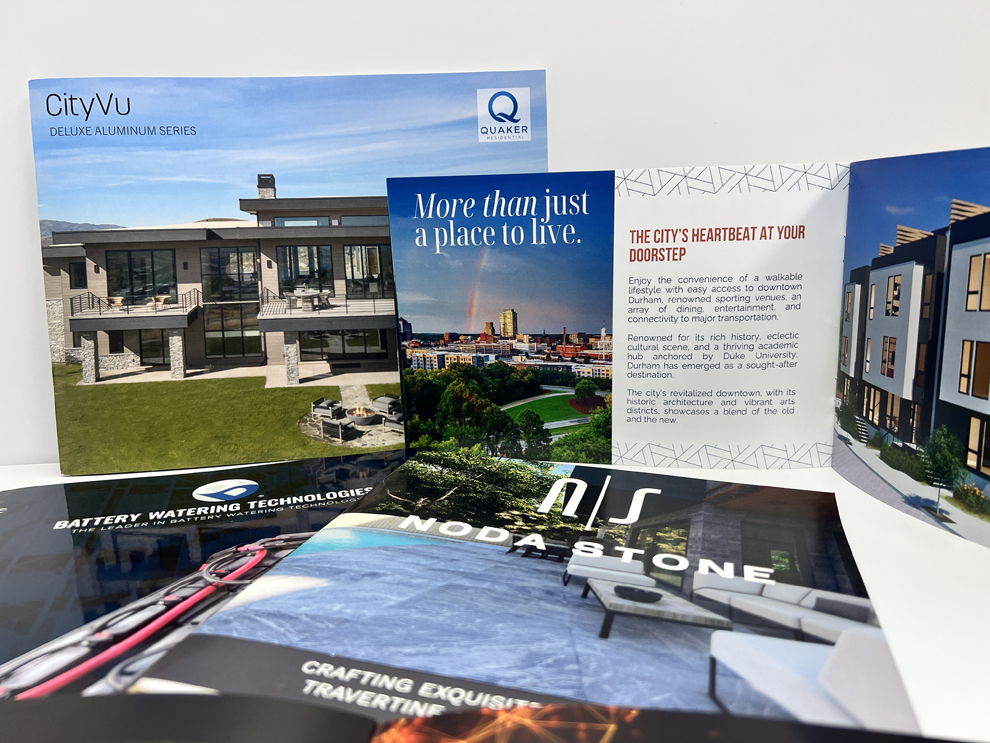
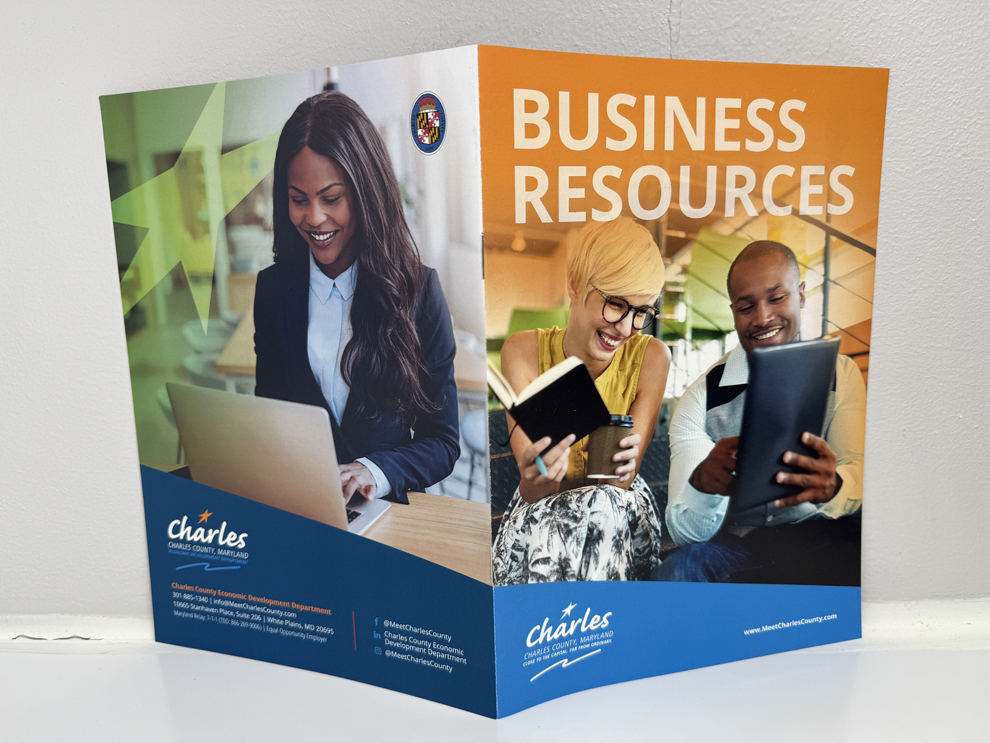
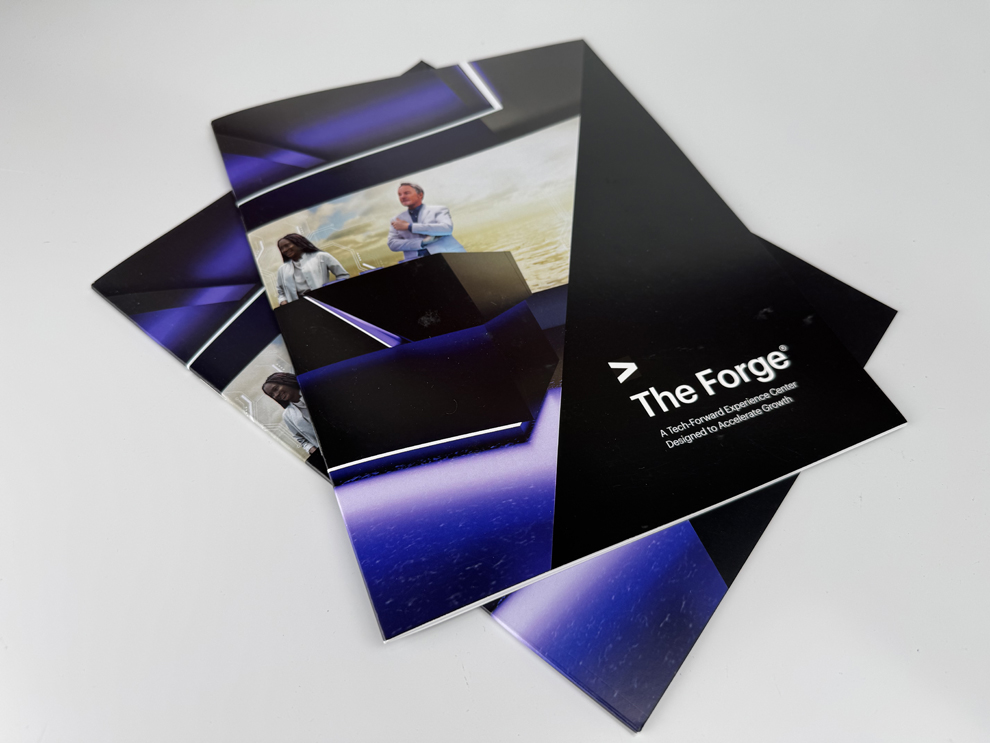
Winston-Salem organizations use booklets for foundation annual reports, performance and festival programs, continuing education catalogs, employee training publications, and company capability booklets. Each application sets its own expectations for page count, trim size, paper weight, cover construction, binding, color, and distribution. A twelve-page evening program is a different production exercise from a sixty-page benefits guide employees will keep all year.
Heritage has worked in Commercial Printing since 1977 and brings that experience to booklet work for Winston-Salem and the surrounding Piedmont Triad. Client support for this market draws on Heritage's broader regional production resources rather than a Triad print facility. Our attention goes to careful specification, dependable communication, and a booklet that is ready when readers expect it.

An annual report often waits on audited figures, a board chair's letter, and a photo selection that three departments have opinions about, while the mailing date does not move. A conference program may still be changing the week registration closes. The printer has to be the one part of that chain that does not add uncertainty, with clear file requirements, accurate proofs, and a schedule built on real binding and finishing time.
Heritage is veteran-owned and family-led, with Commercial Printing roots reaching back to 1977, and we work from a purpose to honor God by serving clients and communities with excellence. For Winston-Salem clients that means disciplined color management, structured preflight review, and production staff who understand how a heavy cover or an odd page count changes a binding plan.
When a qualifying Storefront Custom Quote is accepted and the order assigned, a Project Coordinator becomes your direct phone-and-email contact for that publication. That person knows the agreed specification and delivery plan, so a late correction is handled by someone with context. Established clients may keep that coordinator for appropriate repeat editions.

Many booklet projects arrive alongside other printed items for the same event, campaign, or audience.

Keep schedules, speaker bios, and sponsor acknowledgments together in one handout.

For member magazines and recurring editions built on repeat specifications.

Explore full book production when a publication outgrows booklet page counts.

For instructional guides that need to lie flat and survive daily use.

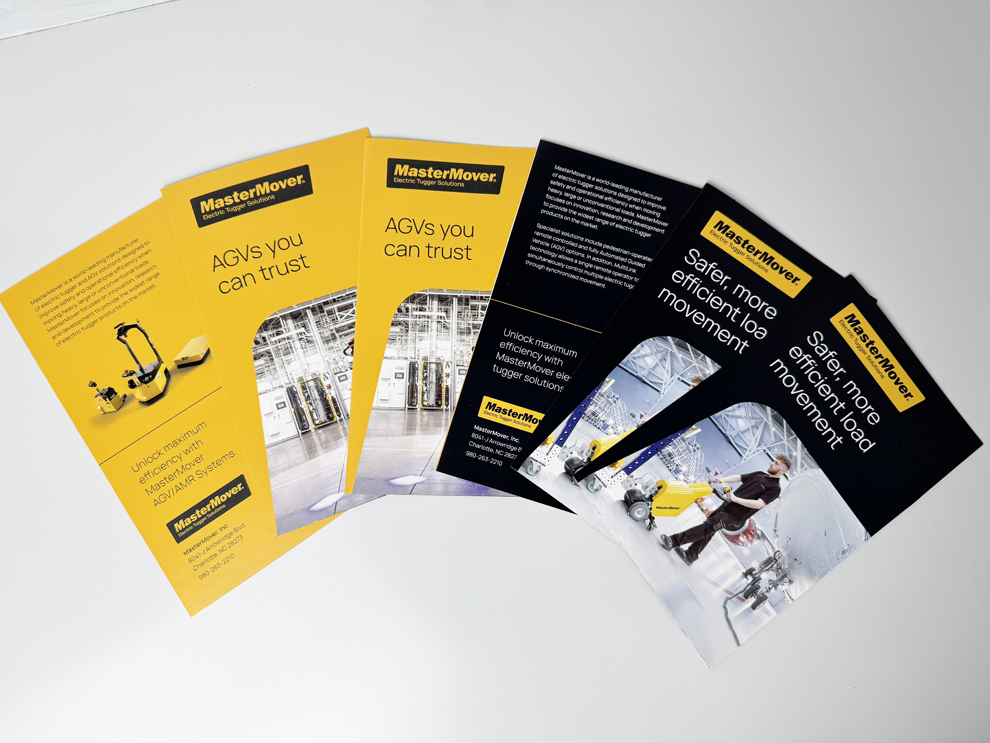
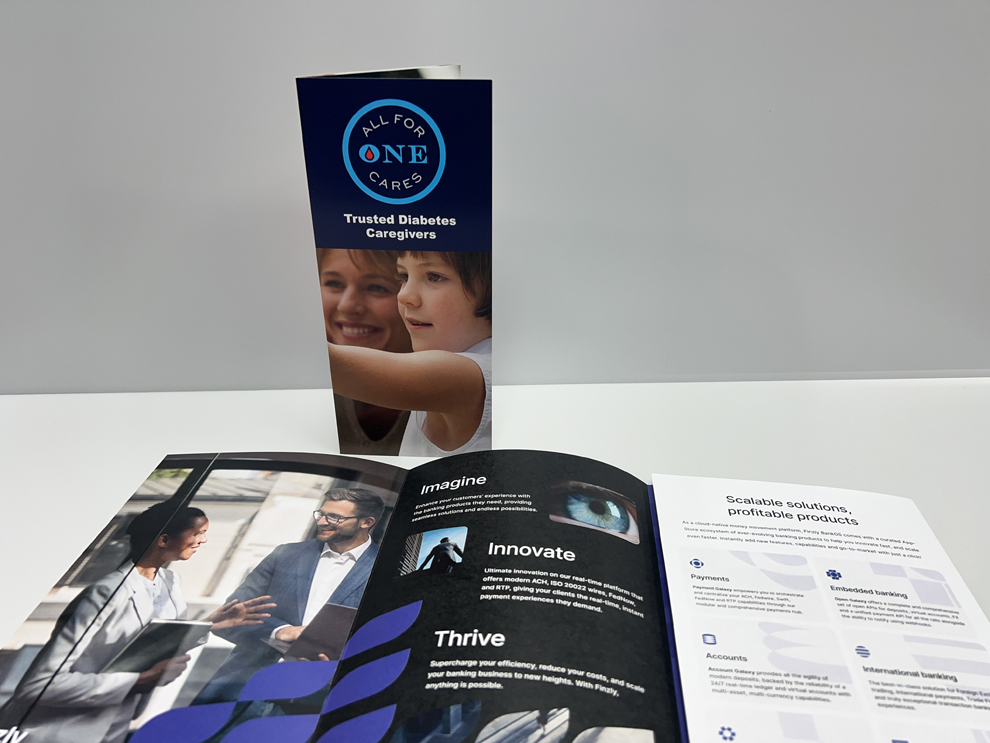
Present a condensed message in a flat or folded piece for quick reading.

Coordinate addressed distribution of booklets and reports within an accepted scope.

For campaign pieces that accompany a capability booklet or donor report.

Keep inserts, program booklets, and leave-behinds organized for a meeting.
Compare live booklet configurations and posted pricing, confirm your binding, and place the order online once your print-ready files are complete.
Binding determines whether a booklet lies flat, stands on a shelf, or springs shut in a reader's hands, and it sets limits on page count and paper.
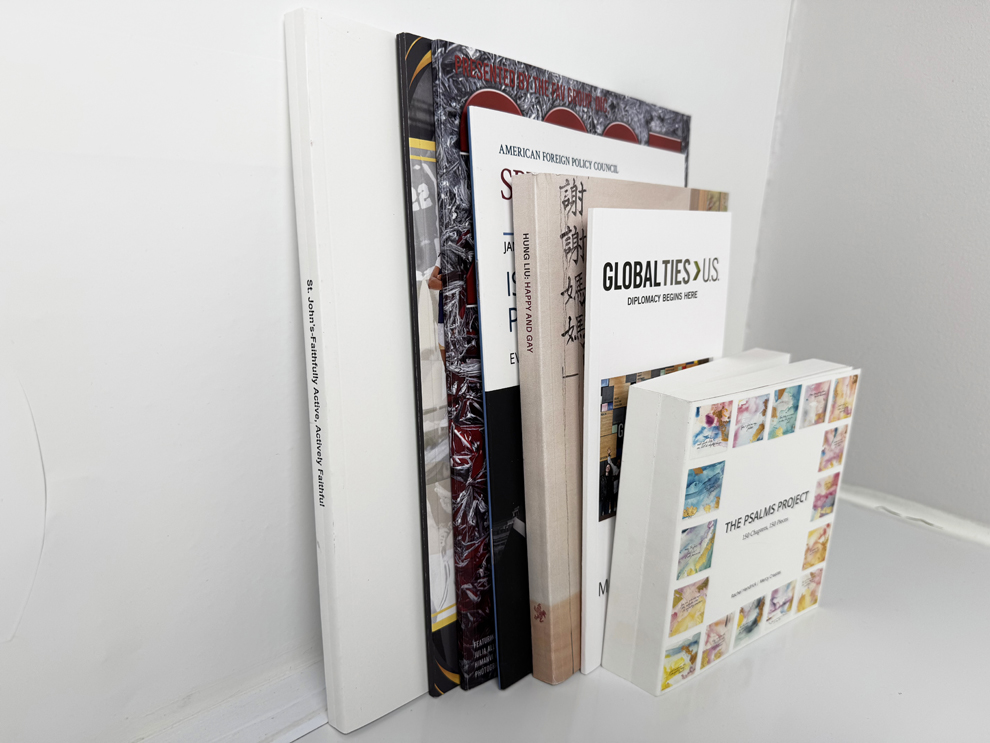
Saddle-Stitched Booklets: Folded sheets are nested and stapled through the spine fold, producing a slim booklet that distributes easily at a performance, orientation, or meeting. Page totals normally fall in multiples of four, and heavier paper lowers the practical capacity before the booklet stops closing cleanly.
Perfect Bound Booklets: Collated pages are glued along a roughened spine edge and wrapped in a cover, giving a report or guide a squared, book-like finish. The method needs enough page count and paper thickness to form a sound spine, so thin publications are generally better stitched.
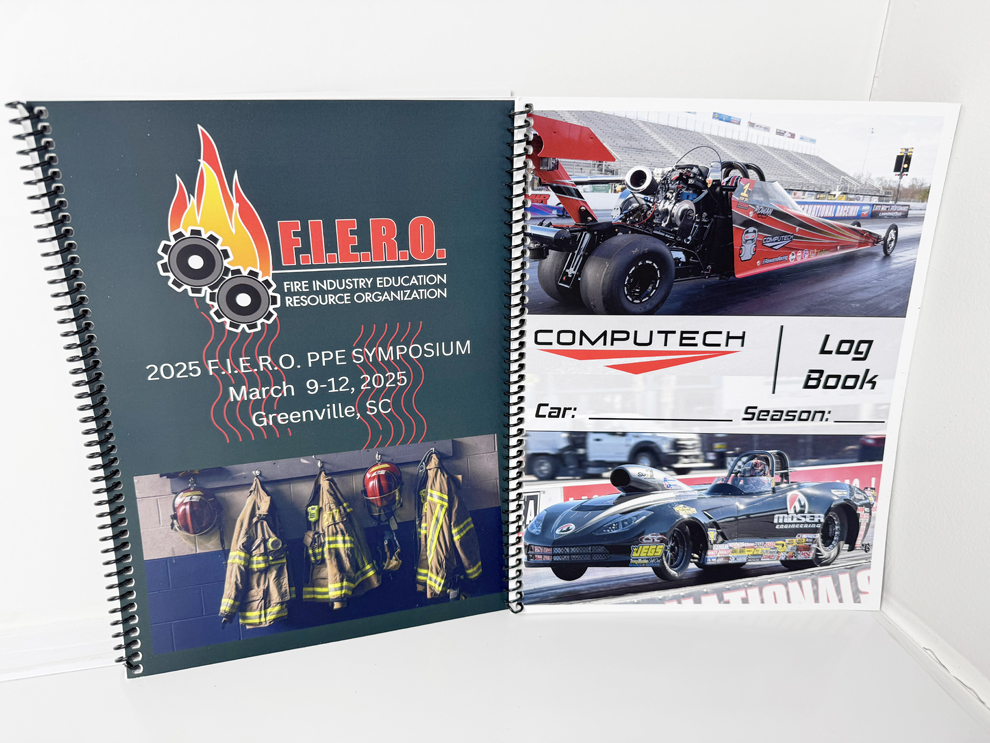
Plastic Coil / Spiral-Bound Booklets: Punched pages ride on a continuous plastic coil, so a manual can stay open on a workbench or fold back on itself during a training session. It suits procedures and working documents more than a donor report or program.
Finished size, cover weight, mailing, and the delivery date all interact with that choice; for qualifying accepted Custom Quote work, Heritage can review them before the specification is locked.

Winston-Salem buyers can purchase booklets independently through the Self-Directed Online Store or request directly managed production assistance through Storefront Custom Quote for qualifying work. Both paths include Heritage's production review and an electronic proof for your approval before anything prints. What changes is whether your team configures and buys the product unassisted or works with an assigned Project Coordinator after quote acceptance.
Self-Directed Online Store: With complete print-ready artwork and a live booklet configuration, you select binding, page count, paper, and quantity, review posted pricing, and place the order yourself. Store products carry Heritage's lowest available pricing, and eligible items may be combined to reach the $750 minimum order. Accepted orders receive standard production checks and the required electronic proof, but not layout work, a Project Coordinator, or a physical color proof.
Storefront Custom Quote: For approved Commercial Printing opportunities of $2,000 or more, this route may be available when the project genuinely needs file adjustments, binding guidance, color-critical decisions, or mailing coordination. Value alone does not require it. A Project Coordinator becomes your contact once the quote is accepted and the order assigned.

Start with thickness. Saddle stitching staples folded sheets through the center and works for slimmer booklets with page totals in multiples of four, while perfect binding glues a squared spine and suits thicker reports and guides. If the paper is heavy or the page count is high, stitching may not close well; if the publication is thin, a glued spine may not hold. Check the live Store configuration to confirm which bindings are offered for your page count and paper.
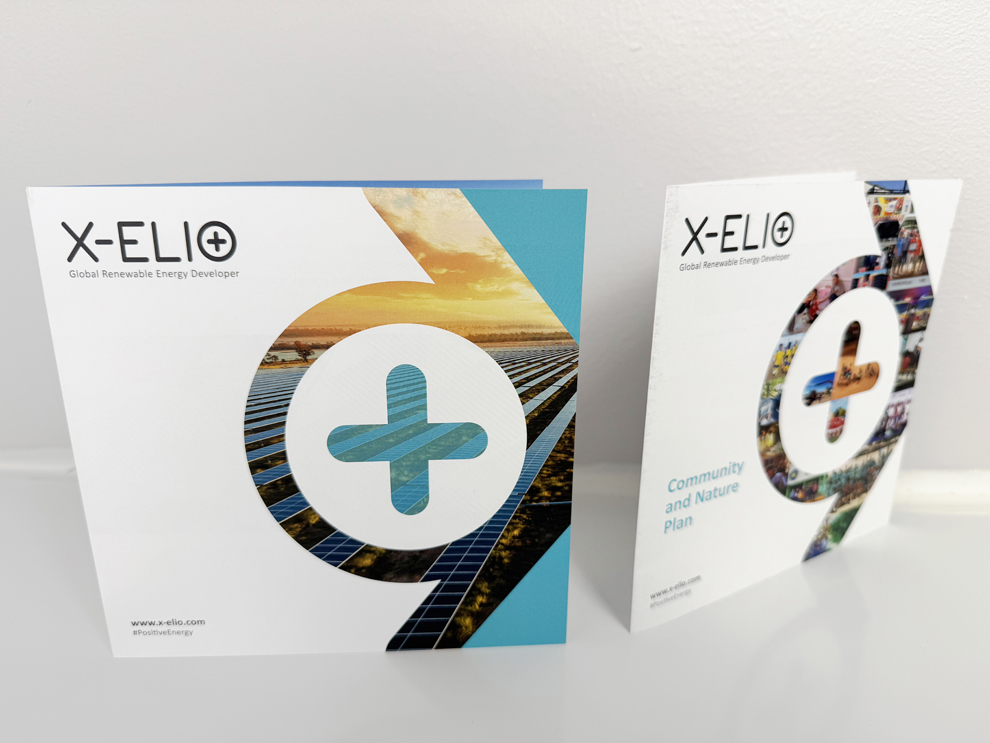
A performance or festival program is usually a saddle-stitched booklet, because it is read in a seat, carried out the door, and kept as a memento rather than shelved. A donor or foundation annual report with substantial page count and photography often presents better perfect bound, especially when it will be mailed to supporters and board members. Consider how the reader receives and handles the piece before settling on a binding.
Confirm the PDF matches the selected product's artwork instructions, with pages in single-page reading order unless the workflow specifically calls for spreads. Verify trim size, bleed, safe margins, image resolution, embedded fonts, and whether the cover is supplied separately or as part of the interior file. A perfect-bound cover may need a spine width that a stitched cover does not.
Yes, when the product and specification fit Heritage's accepted Commercial Printing scope and capacity. Share the required date, quantity, binding, page count, artwork status, and delivery address as early as possible. Heritage evaluates the full production path, including proof approval and finishing time, before confirming a date, and will explain workable alternatives if the requested timing cannot be met responsibly.
Because binding capacity is governed by bulk, not by page count alone. Forty pages of heavy coated stock can exceed what a saddle stitch closes cleanly, while the same count on lighter text paper stitches without trouble. Perfect binding needs enough bulk for a sound spine, and coil binding must fit the available coil diameter. Treat paper and page count as a single decision.
Yes. Every Heritage booklet order, including Self-Directed Online Store purchases, receives an electronic proof for review and approval before printing. Use it to check text, images, pagination, cover placement, and applicable production details. An electronic proof confirms content and layout; it is not a physical color standard and does not guarantee finished color.
A Physical Production Color Proof, also called a Digital Hard Copy Proof, is a printed sample produced on the intended production printer and the intended paper or material. It is available at additional cost for qualifying Commercial Printing Custom Quote work of $2,000 or more, adds production time, and becomes the controlling physical color reference after approval unless otherwise agreed. It is not offered through the Self-Directed Online Store.
Through professional color-management practice, including spectrophotometric calibration, verification, and production-specific profiles, applied to each run. PMS brand colors are reproduction targets, and results vary with press, ink, paper, and finish, so supplying the same artwork values and paper across editions improves consistency. For repeat publications, Heritage can reference the previously approved specification while reviewing the current files.
Quantity, page count, trim size, paper and cover selections, binding, color, finishing, and delivery or mailing arrangements. A short run delivered to one office costs differently from a mailed edition with addressing. The Self-Directed Online Store posts current pricing for eligible configurations, and qualifying opportunities of $2,000 or more that need closer production support may use Storefront Custom Quote.
The Self-Directed Online Store requires complete print-ready files. For a qualifying Commercial Printing opportunity of $2,000 or more, an accepted Storefront Custom Quote may include production-oriented work such as resizing, adding bleed, correcting pagination, or preparing a cover with the right spine width. That assistance is file readiness, not broad creative design, so share the files and the date so the scope can be evaluated.
Page through the PDF in reading order and confirm page numbers, blank pages, section openers, and that inside front and back covers are accounted for. For saddle stitching, make sure the total lands on a multiple of four. Do not upload printer spreads unless the product instructions request them, and follow the selected configuration's directions for separate or self covers.
When readers need the booklet to stay open or fold back, such as a safety manual on a plant floor, a lab procedure guide, or a workbook used in training. Coil binding handles frequent reference well but gives a less formal presentation, so it is rarely the first choice for a donor report, a season program, or anything meant for a shelf.
Yes, as part of an accepted Commercial Printing project that includes mailing in its scope. Heritage can keep printing, finishing, addressing, and USPS handoff together so your team manages fewer vendors. Provide authorized, accurate address data and the requested mail date in advance. USPS sets acceptance requirements and controls delivery once it receives the mailing.
A self-cover booklet uses the same paper throughout, which keeps a short program light and economical. A separate cover uses heavier stock for durability and presentation, adds bulk that can change binding feasibility, and raises shipping weight and cost. Confirm which options the live Store configuration offers before you finalize artwork.
Use the Self-Directed Online Store when you have print-ready files, a standard configuration fits, and posted pricing meets the $750 minimum, which eligible products may combine to reach. Consider Storefront Custom Quote for qualifying new Commercial Printing work of $2,000 or more that genuinely needs production guidance, with a Project Coordinator assigned after acceptance. For routine Store questions, use Contact Our Team.
Heritage Signs & Displays created new museum signage for the Military Women’s Memorial in Arlington, VA. The project included custom signs, wall wraps, dimensional letters, and standoff-mounted displays to honor the legacy of U.S. servicewomen and the donors who supported the memorial. The updated interior features impactful designs, including a "Our Legacy" wall display and panels showcasing historical contributions and artwork, creating a transformative tribute to women in the U.S. Armed Forces.
Heritage Signs & Displays' collaboration with The Gathery to brand Union Market in Arlington, VA, for Indeed's "Ready to Work" job fair. The project included custom event displays, wall graphics, window graphics, and wayfinding signs, creating an immersive and visually appealing environment. The branding enhanced the venue, reflected the event's mission, and provided a seamless experience for attendees.