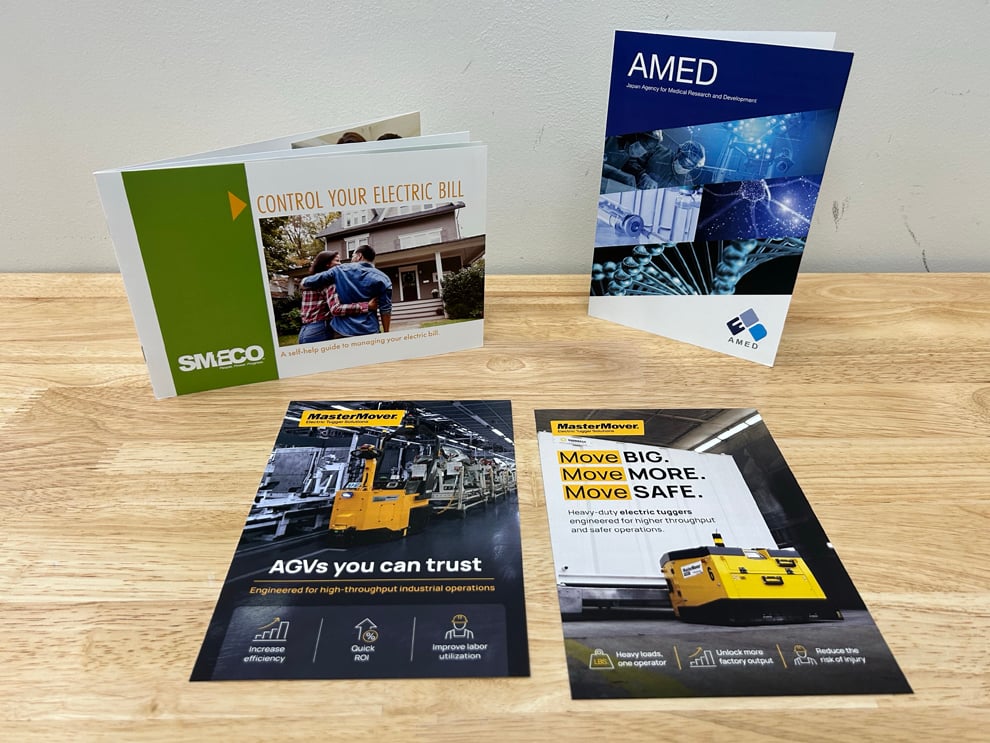
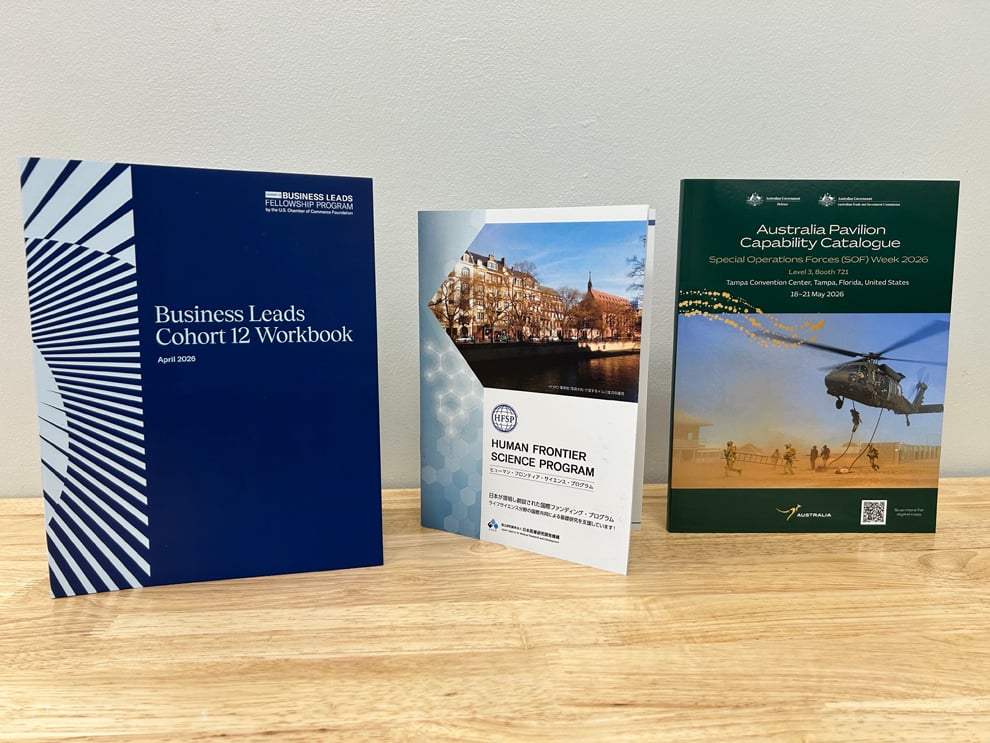
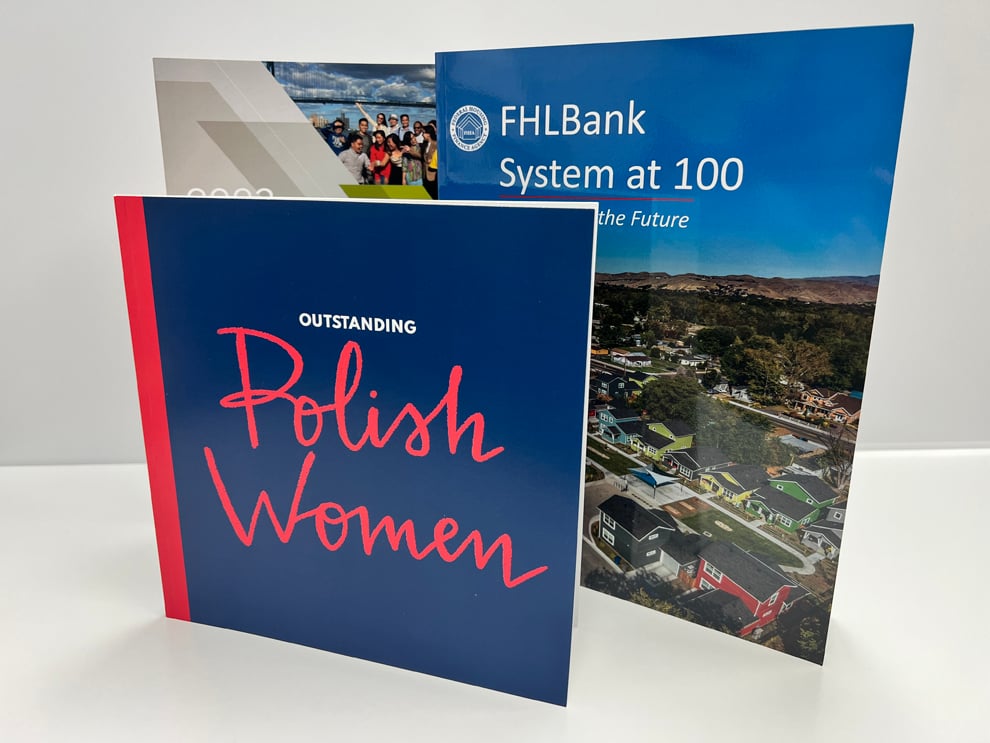
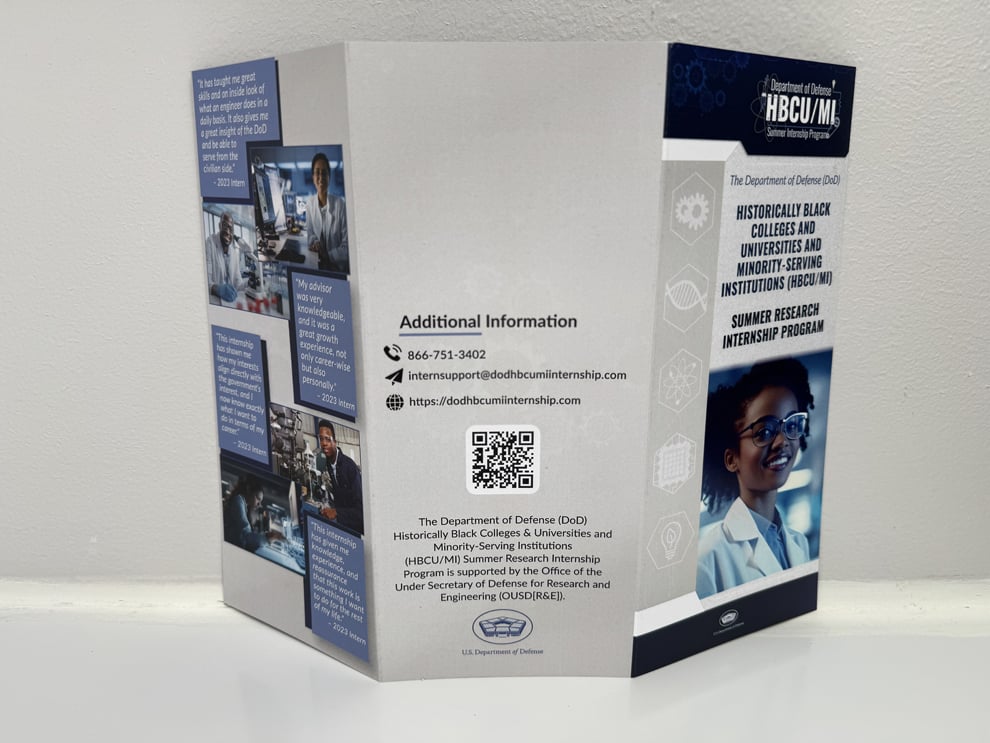
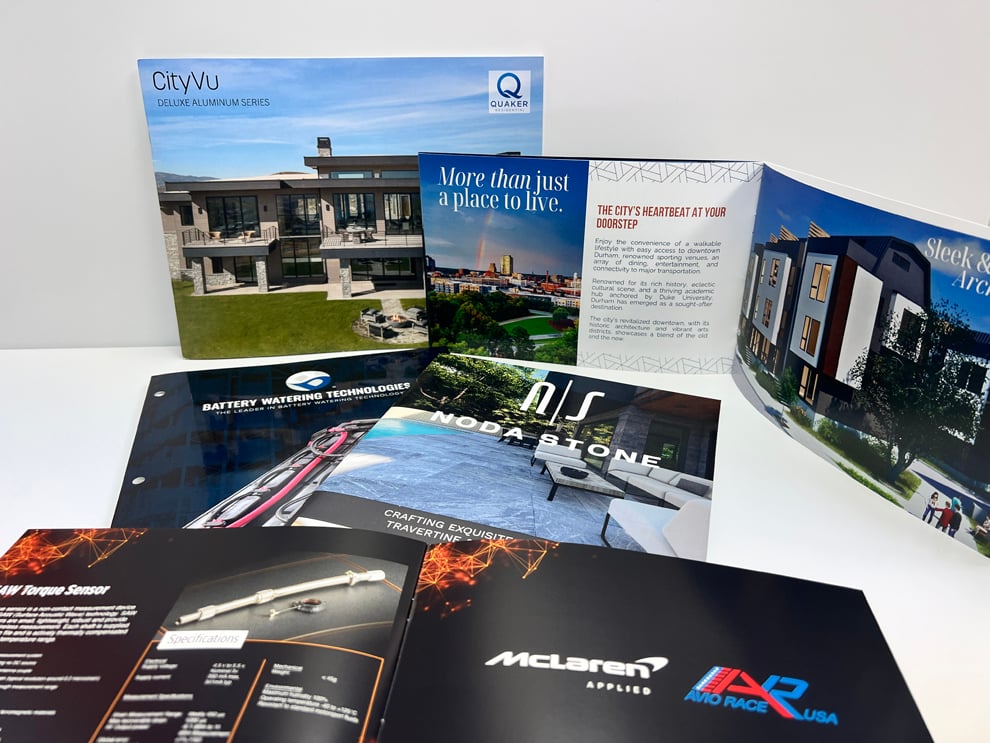
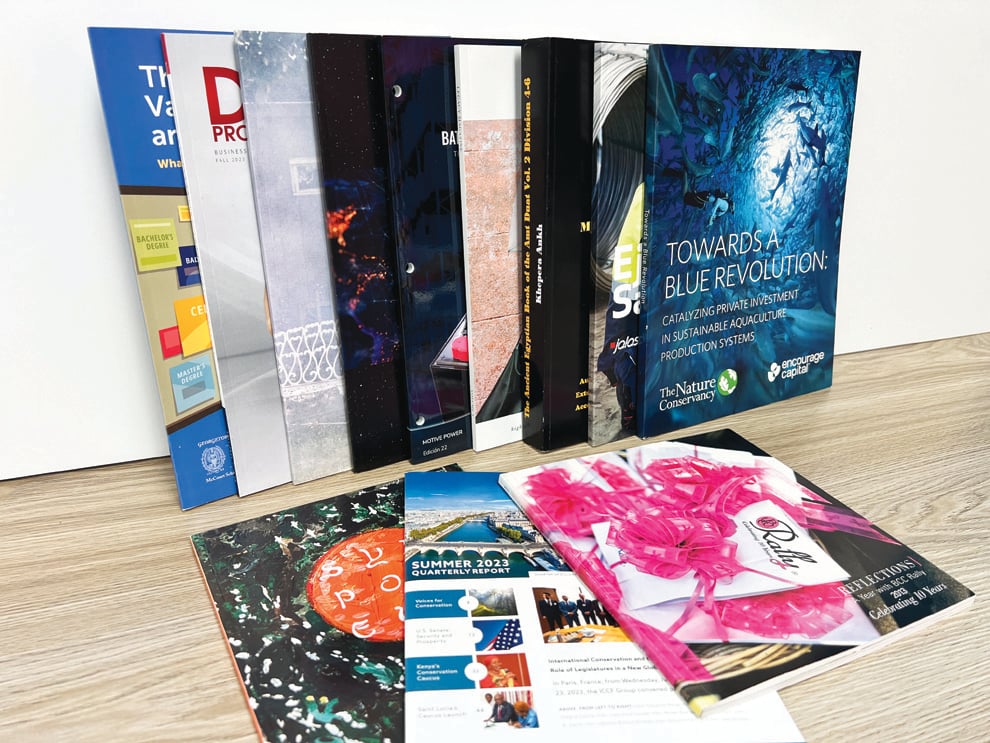
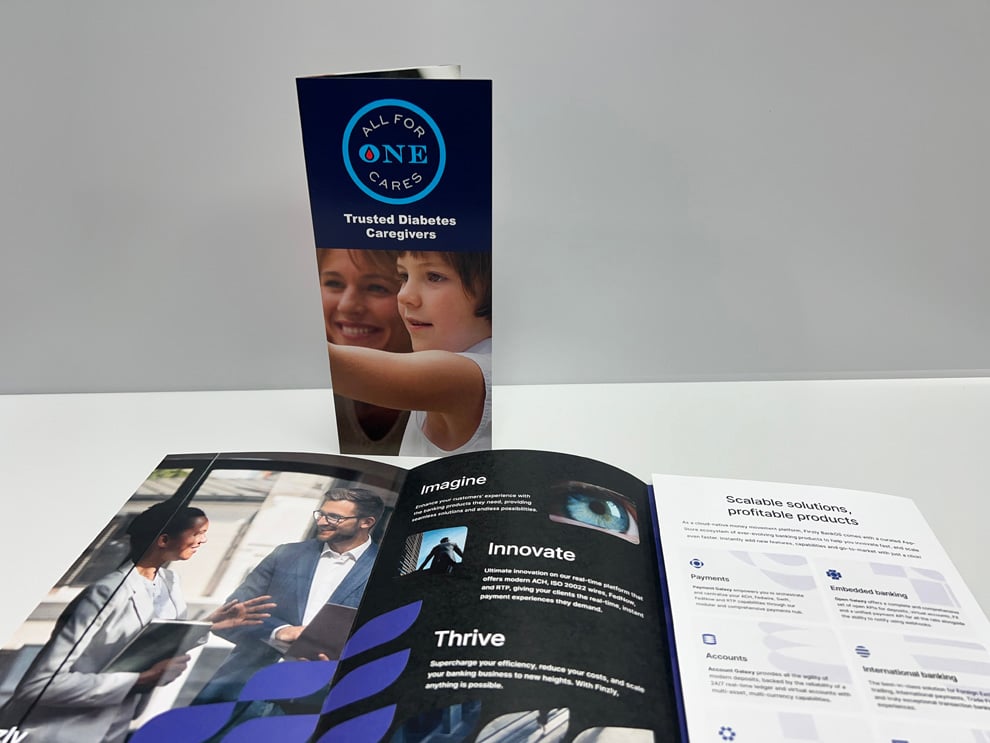
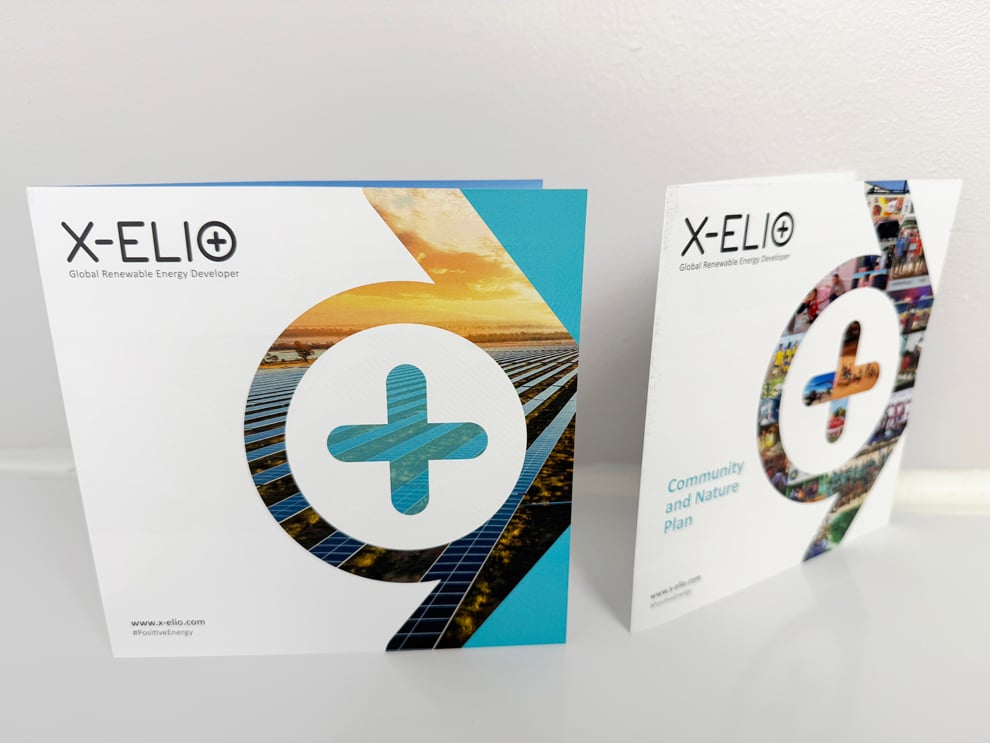
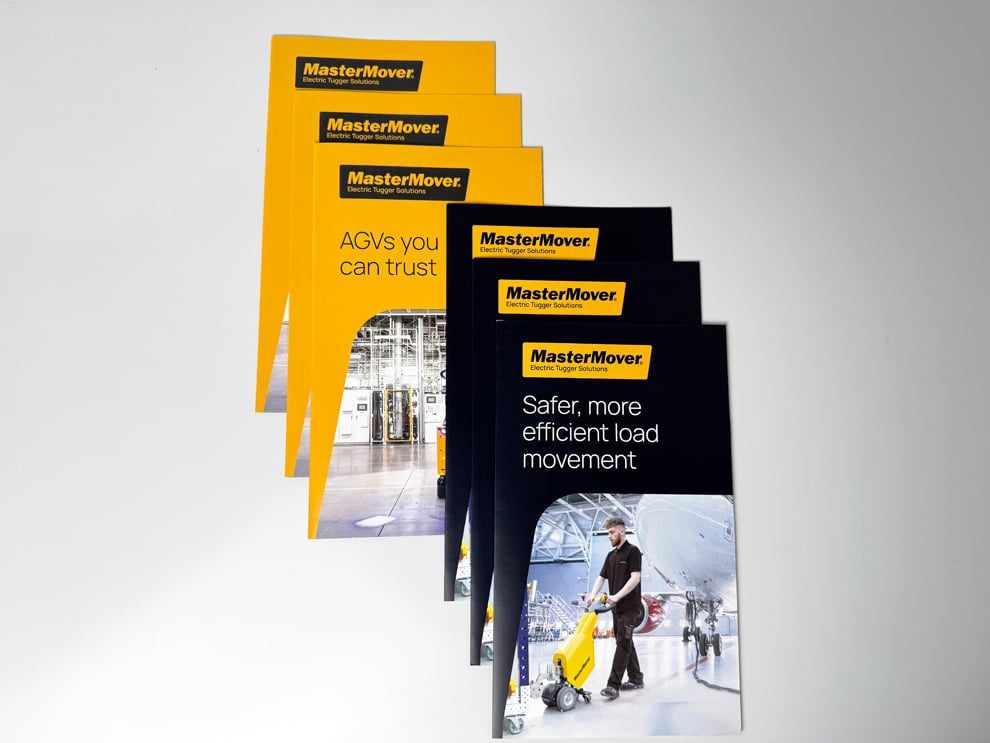
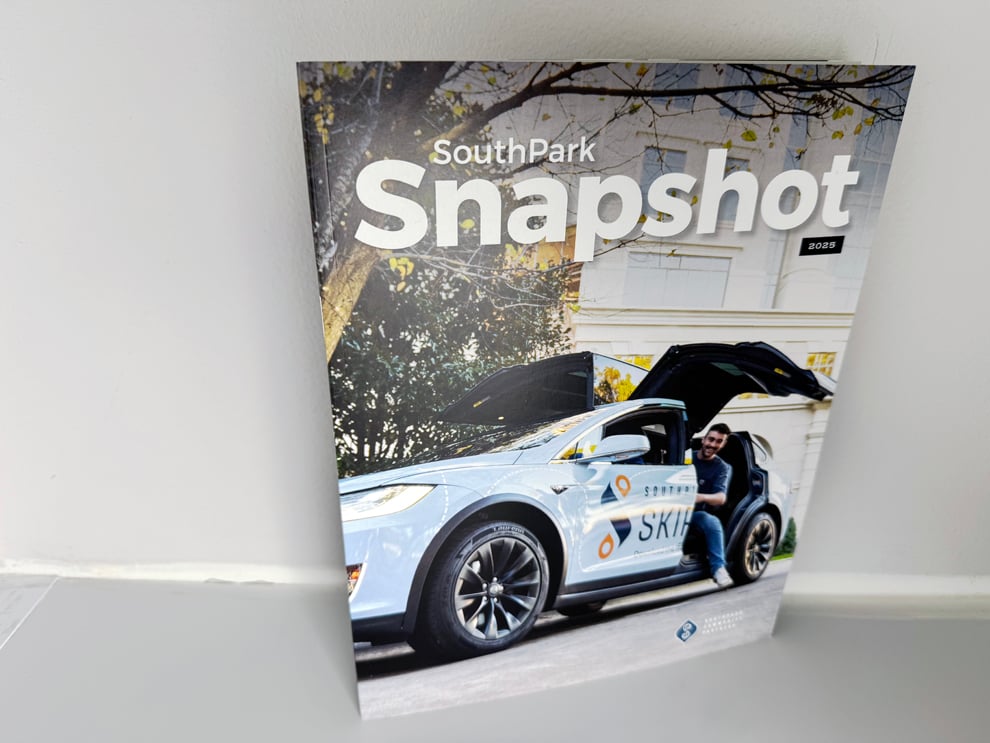
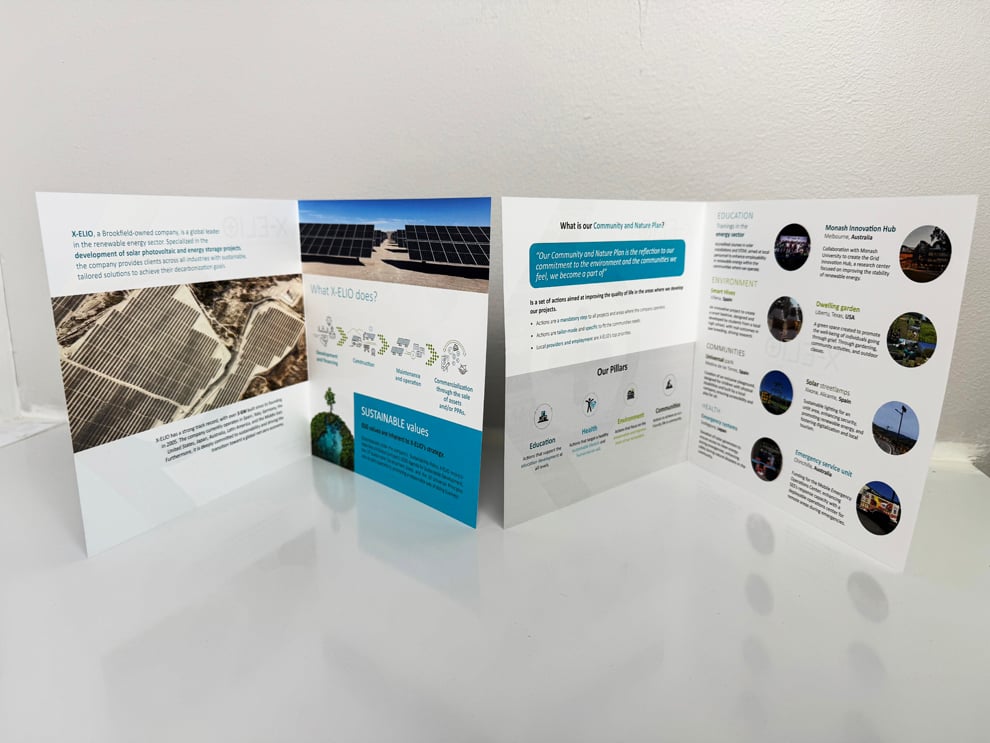
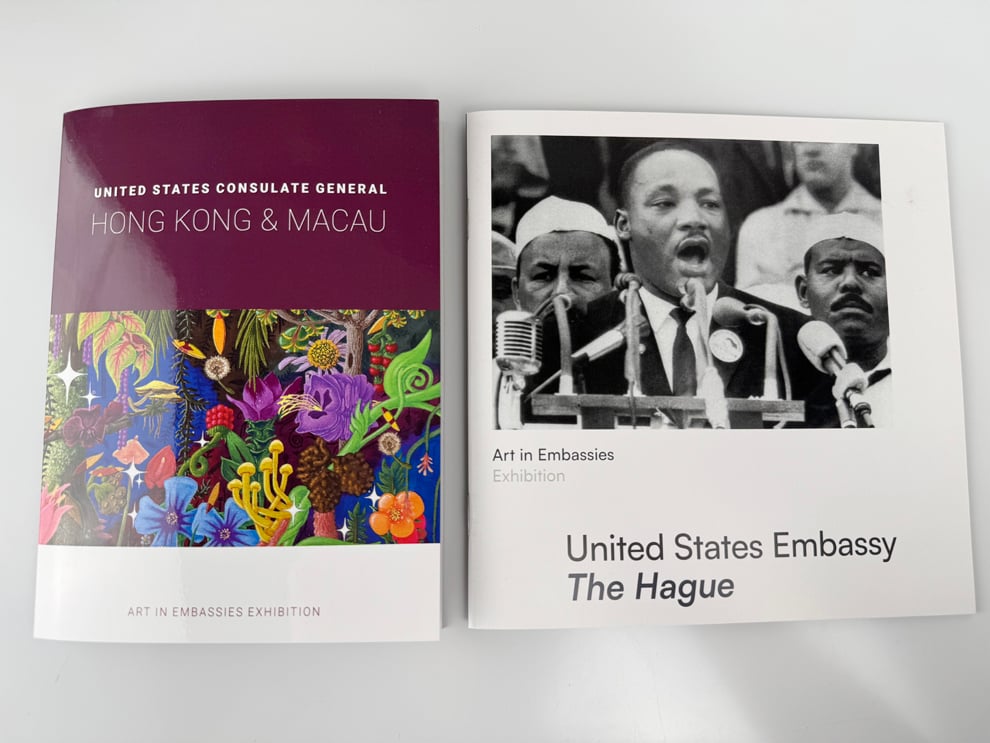
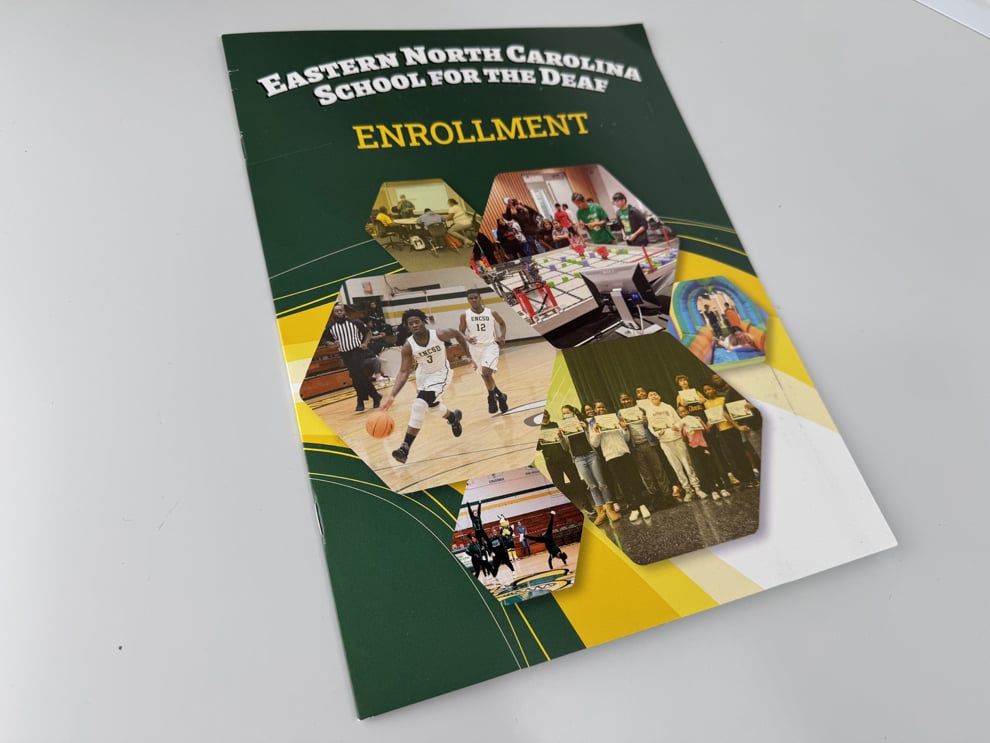
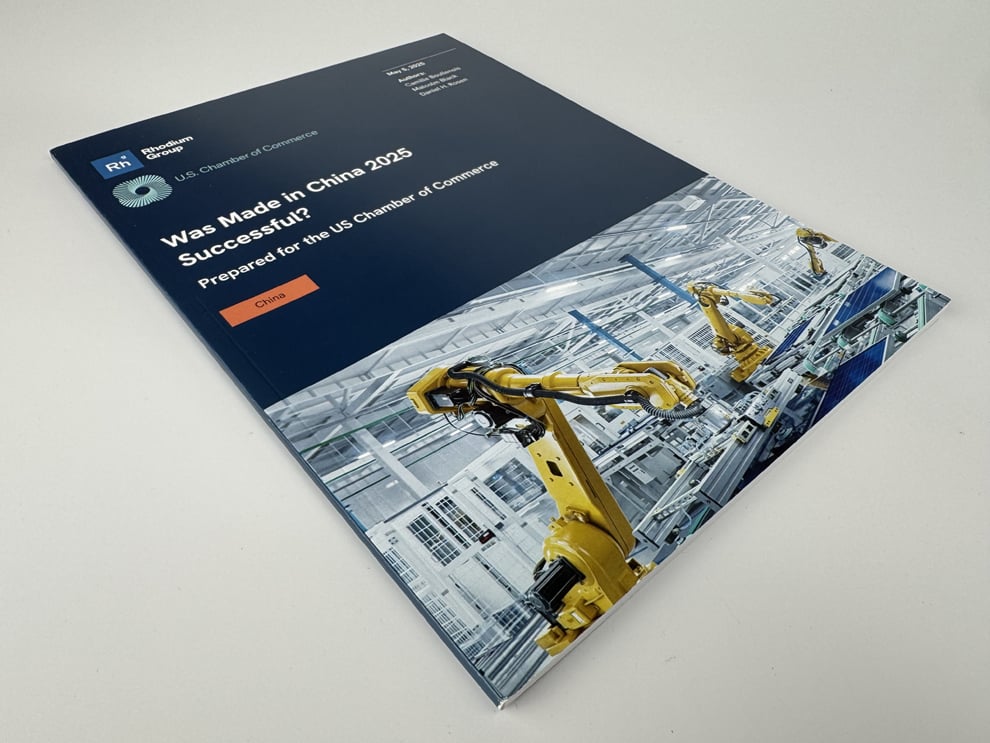
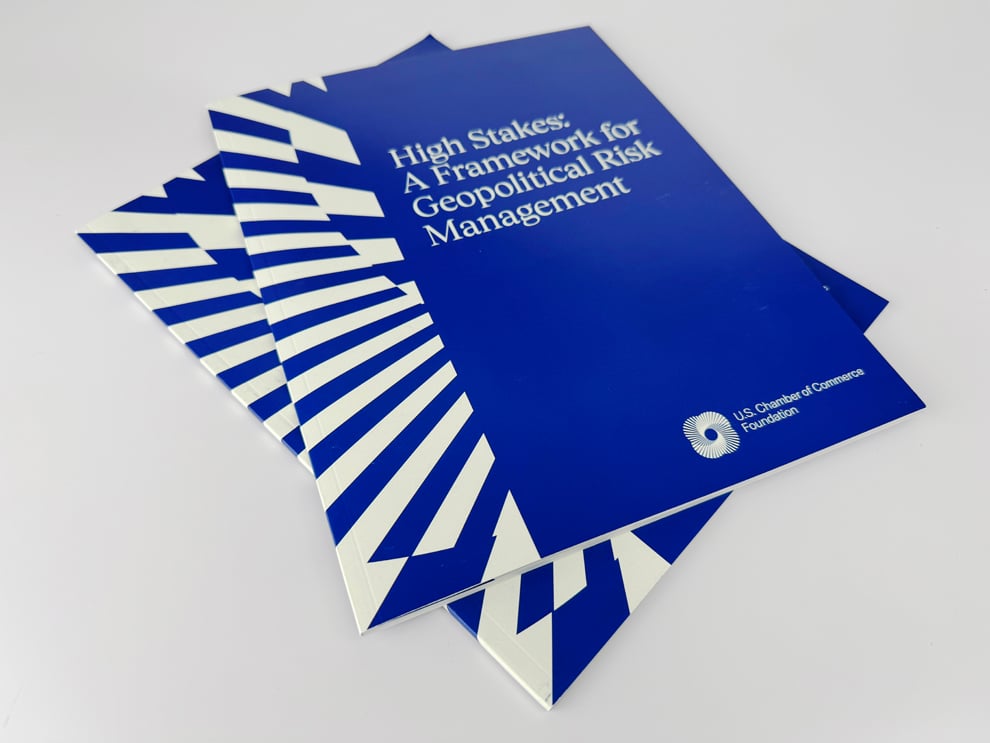
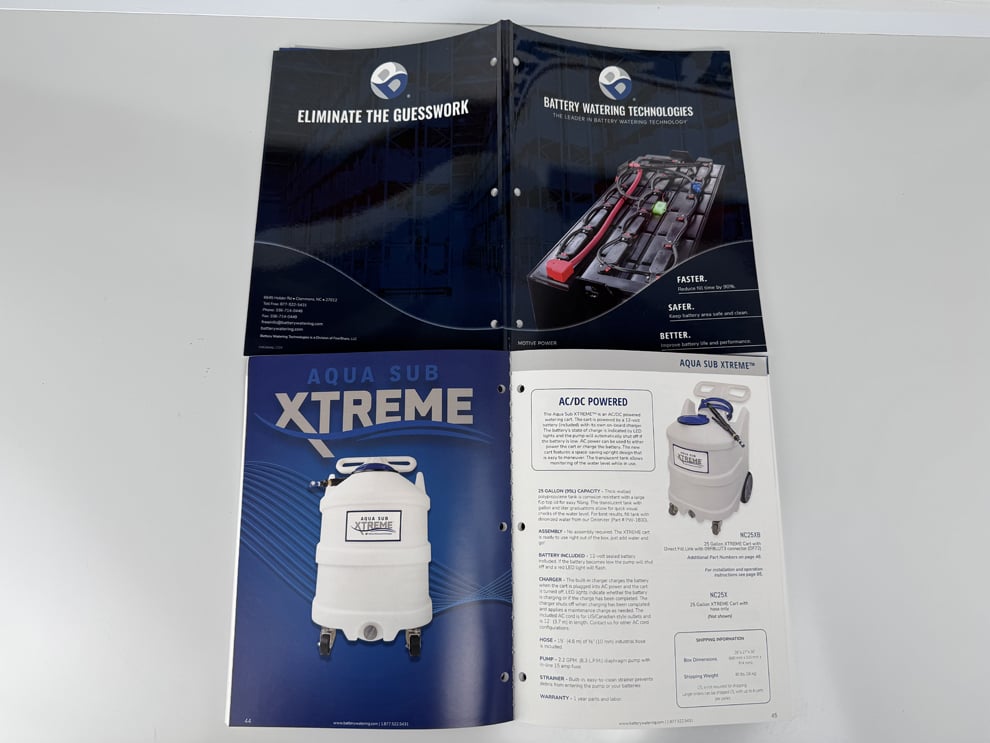
In Durham's research and technology community, a brochure often has a demanding job. It may need to explain a platform, summarize study data, introduce a lab service, or support a partnership conversation, all in a few folded panels. Readers are often specialists, and they notice when a chart is muddy or a caption is hard to read.
Heritage concentrates on the printed result. Starting from your finished artwork, we check the size and fold, look closely at small type, thin lines, and detailed graphics, and manage color so diagrams and brand elements reproduce consistently. Before production, you approve an electronic proof that confirms the copy, images, and panel order.
The goal is a brochure that makes complex information feel organized and credible in the hand. That matters at scientific meetings, investor conversations, site visits, and recruiting events, where the printed piece may be the one thing a contact keeps after a long day of presentations. When the date is fixed, tell us early so the schedule can be planned around it.
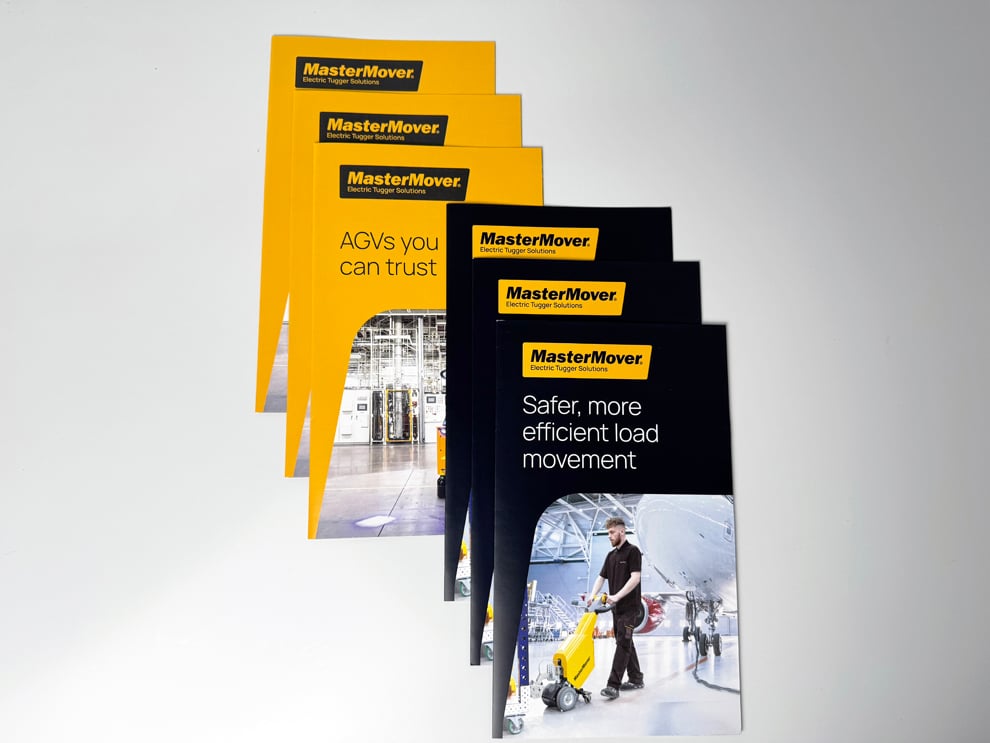
Technical content leaves less room for print errors. A legend that drops out, a chart that breaks across a fold, or fine type that fills in on absorbent paper can undercut the precision a company wants to project. Heritage, whose printing roots reach back to 1977, reviews supplied files with those risks in mind before production begins.
Color management supports the same goal. Spectrophotometric measurement and production-specific profiles help Heritage reproduce color within the capabilities of the selected printer, paper, ink, and finish, which matters when charts use color to separate data sets. PMS references can be supplied as targets, with the understanding that every paper and process has its own limits.
Communication is direct and practical. If something in the file could compromise legibility or the requested date, you hear about it promptly with a recommended next step. For qualifying Custom Quote orders, the assigned Project Coordinator becomes your direct phone and email contact after the quote is accepted and the order is assigned, which helps when several stakeholders need answers quickly.
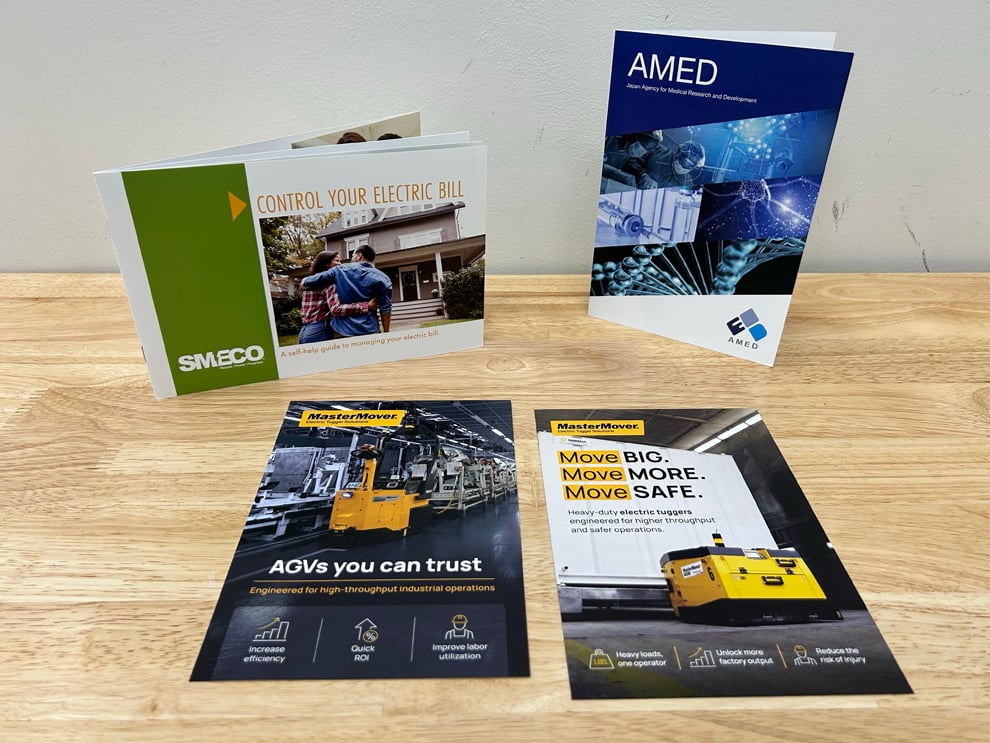
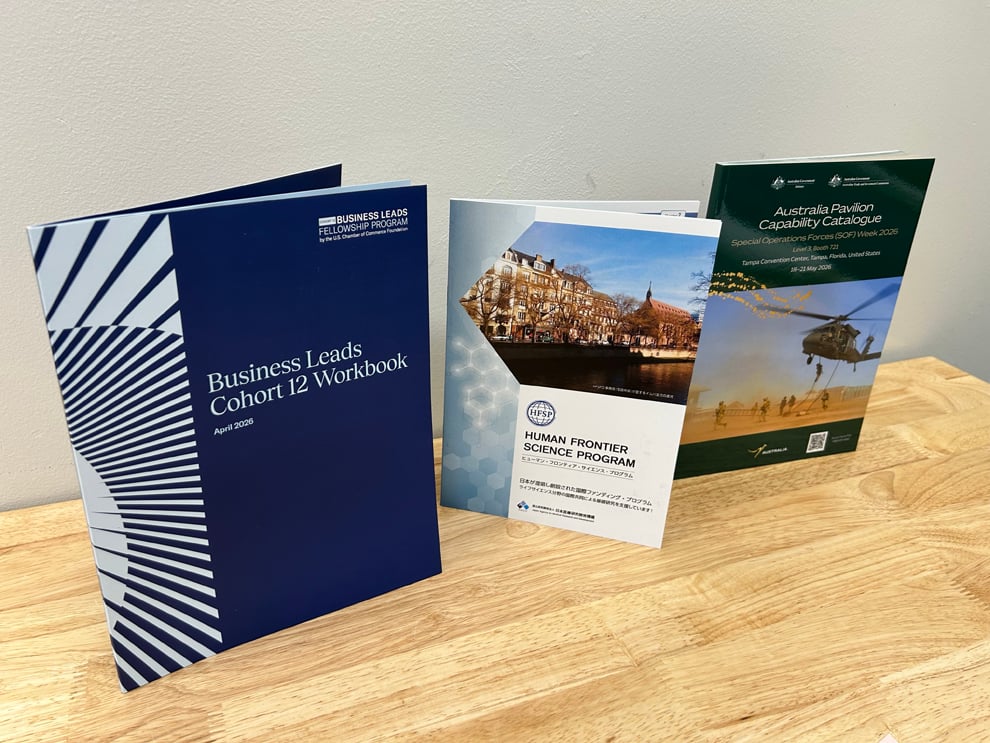
Organize a brochure with technical data sheets, pricing, or partnership terms for investor and client meetings.
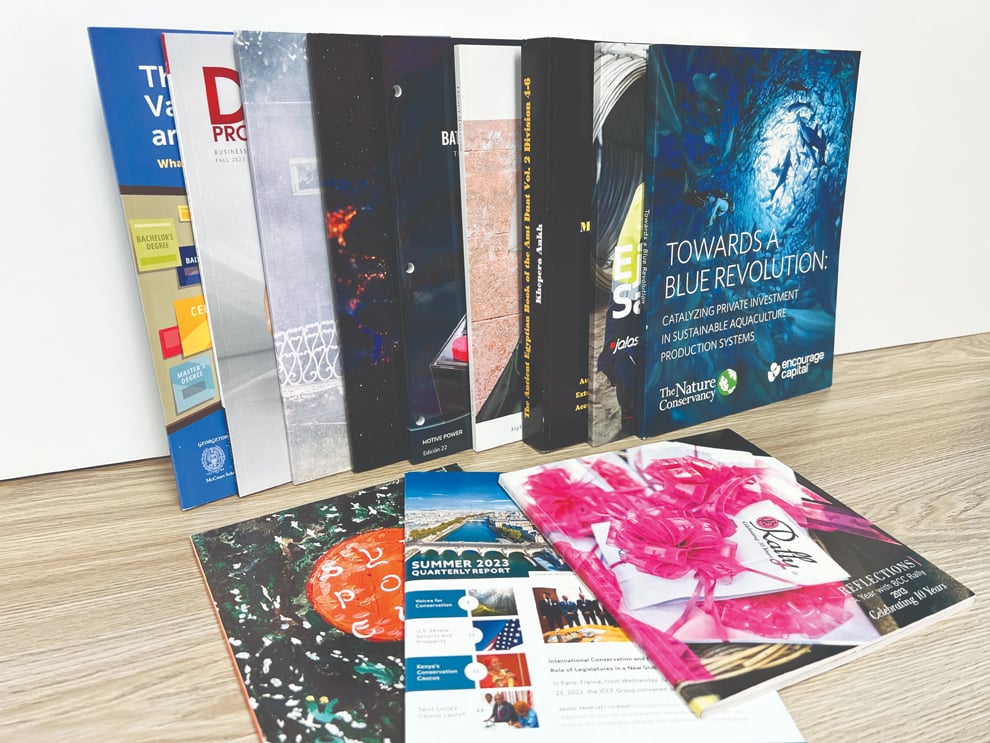
Coordinate brochures with flyers, postcards, and handouts for a product launch or scientific meeting.
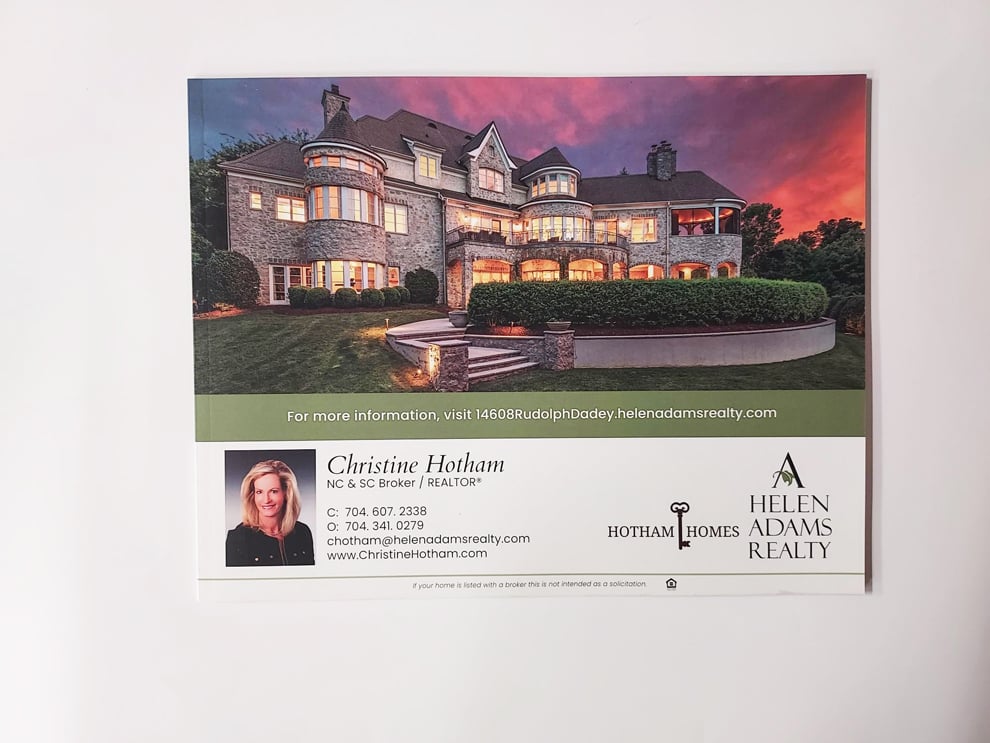
Mail brochures to prospects, partners, or referring practices when outreach calls for addressed delivery.
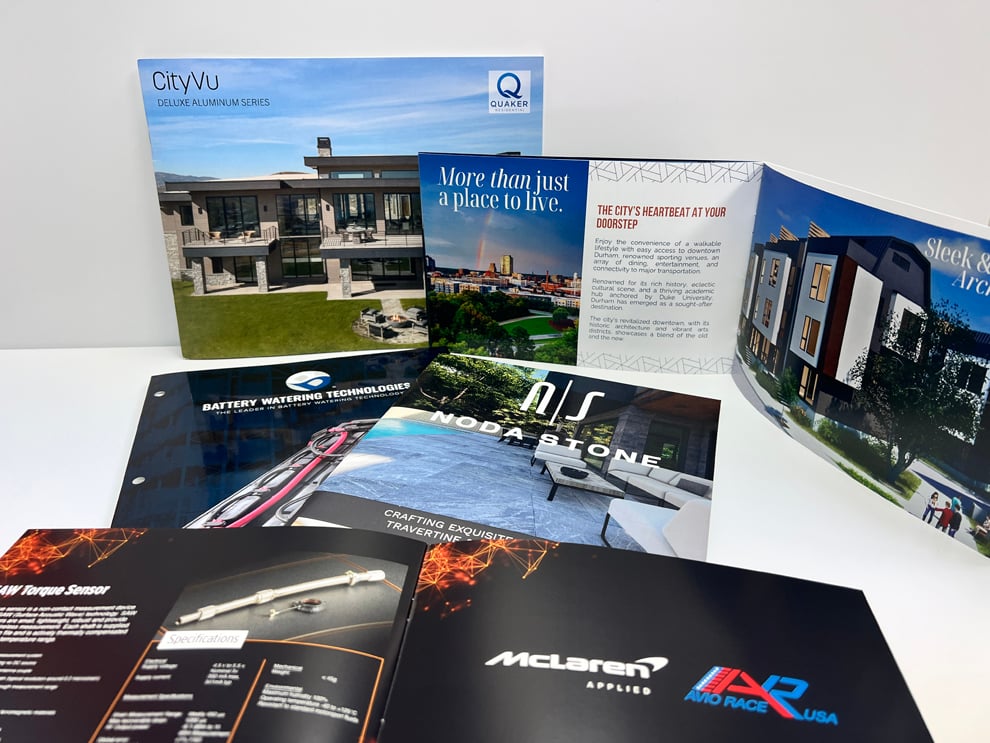
Use a bound format for method summaries, service menus, or capability overviews that need more pages.
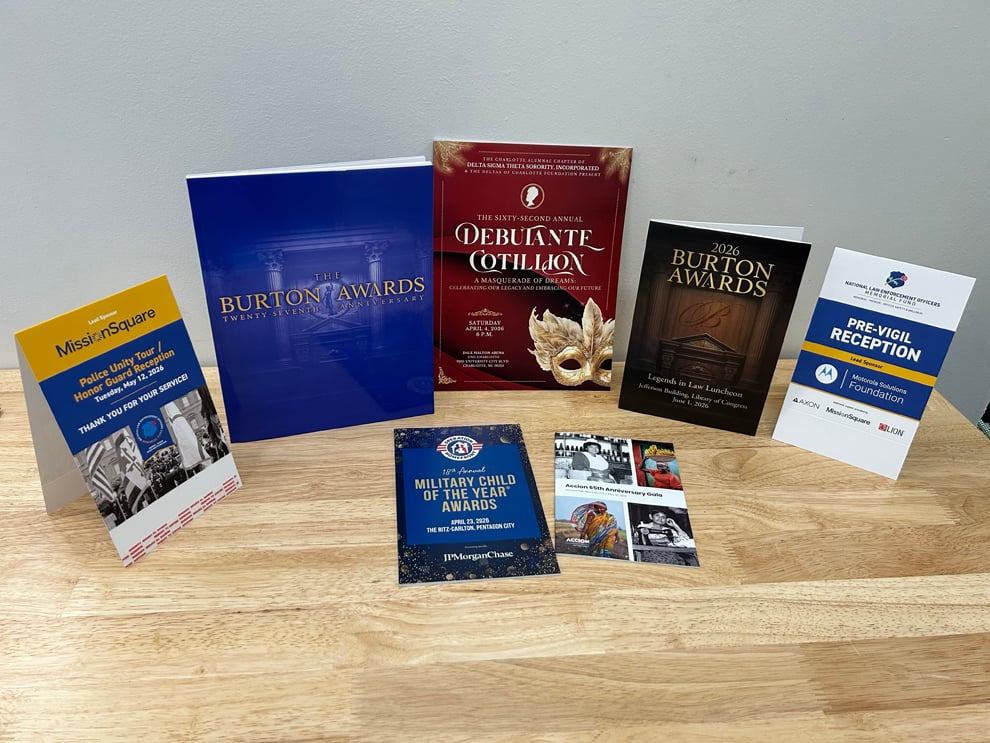
Print session schedules and speaker information for symposiums, seminars, and company-hosted events.
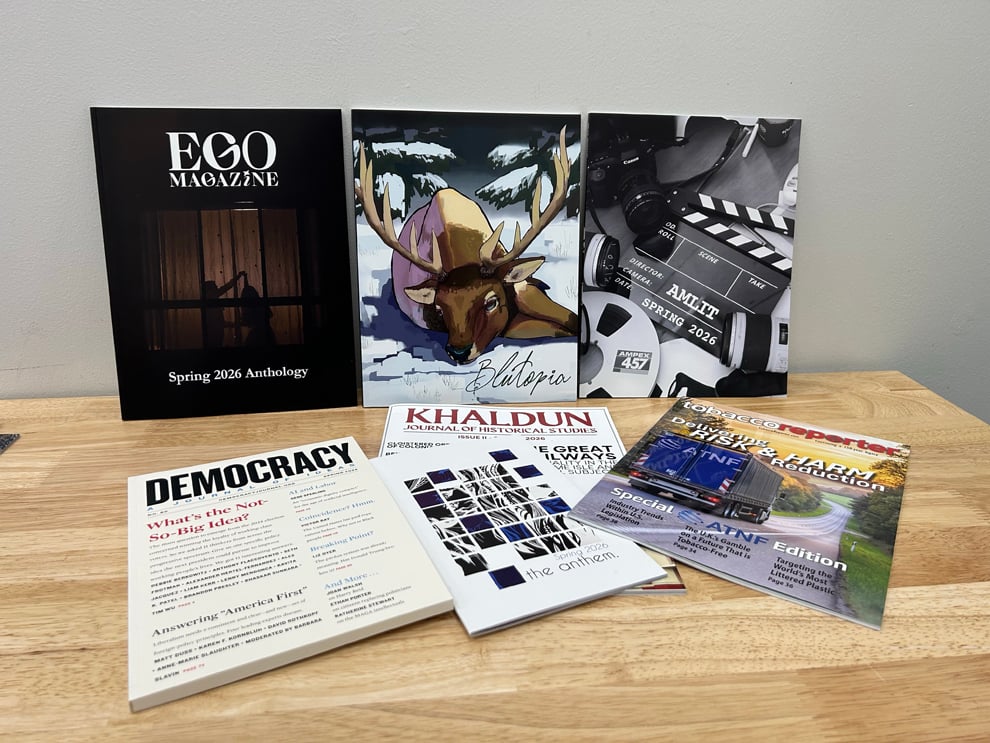
Produce research summaries, technical reports, and reference guides with room for detail.
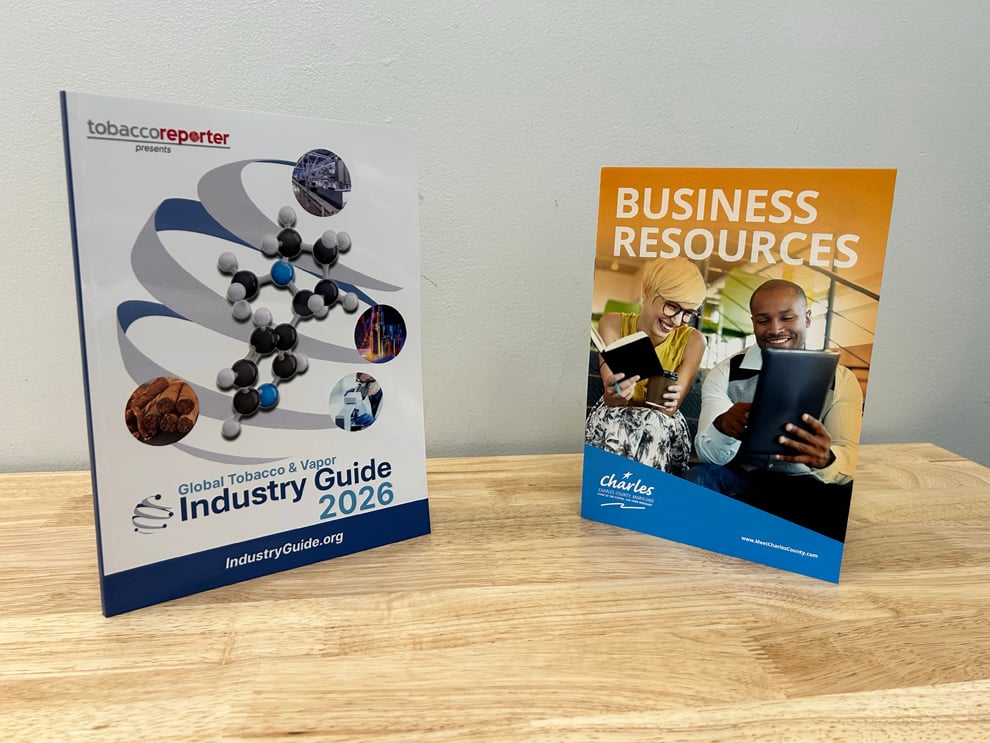
Share pipeline news, team updates, and program milestones with a regular printed edition.
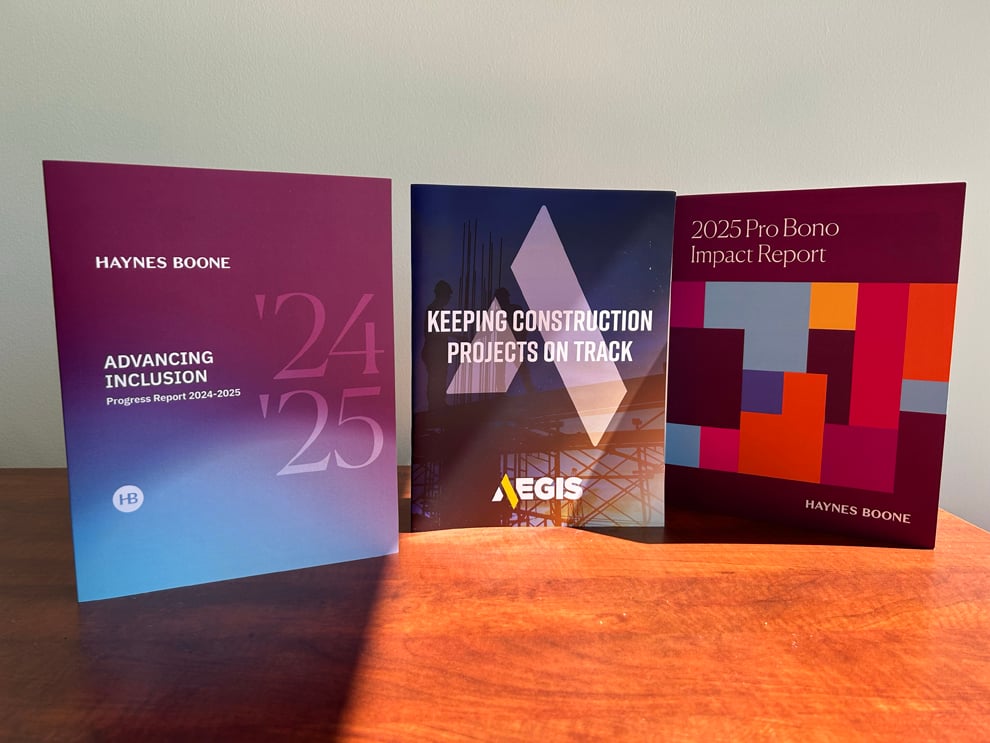
Report progress, funding, and results to investors, boards, and partners in a formal publication.
For a technical brochure, the deciding question is how much help the file needs. A finished, print-ready design in a live Store configuration can be ordered directly, with Heritage's lowest available pricing and the standard electronic proof. A file that needs fold adjustments, color-critical review of chart colors, or a Physical Production Color Proof on the production paper belongs in Custom Quote for orders of $2,000 or more. After acceptance and assignment, your Project Coordinator answers your team's questions directly.
Detail-heavy brochures benefit from a few production decisions made before the file is final. Small text and thin rules print most reliably when they are built in a single solid color or black rather than a mix of process colors, and paper choice affects how sharply fine detail holds. Coated stocks generally keep small type and dense charts crisper than highly absorbent uncoated sheets.
Folds deserve the same planning. A chart, table, or chemical structure that spans two panels can look intentional on screen and awkward in the hand, because every fold has normal production tolerance. Critical figures are safer placed within a single panel, with enough margin that the crease never touches a label or data point.
Heritage reviews these issues during production review and will flag concerns we see before you approve the electronic proof. For qualifying Custom Quote orders, production-oriented file adjustments may be included when artwork needs practical changes for the fold. Your team still owns the science, data accuracy, and messaging, while Heritage focuses on reproducing that work clearly.
There is no single safe number, because typeface, weight, color build, and paper all affect legibility. Light or thin fonts, reversed type, and small text built from several process colors are the most vulnerable. If a caption or footnote is critical, give it a heavier weight and a solid color, and review it closely on the proof at actual size.
It can, but it is risky for information that must be read precisely. Normal folding tolerance means the crease may land slightly to either side of the intended line, which can obscure a label, axis value, or data point. Keep critical charts within one panel and let decorative backgrounds carry across the fold instead.
Coated paper usually holds fine lines, small type, and detailed imagery more sharply because ink sits on the surface rather than spreading into the fibers. Uncoated paper offers a natural feel and accepts handwriting easily, but detail can soften slightly. For chart-heavy pieces, coated stock is often the safer choice.
Color is managed with spectrophotometric measurement and production-specific profiles, and PMS references can be supplied as targets. When charts rely on color to separate data sets, choose colors that remain clearly distinct in print, not only on screen, because some vivid screen colors fall outside what a given paper and process can reproduce.
It can be when color carries meaning, such as a chart key or a tightly controlled brand palette. For qualifying Custom Quote orders, the paid proof is produced on the intended production printer and paper and becomes the controlling physical color reference once approved, unless otherwise agreed. It adds time, so plan it early.
A brochure works when the goal is a concise introduction that gets a technical buyer interested in a conversation. A booklet suits detailed methods, validation data, or multiple case studies that need full pages. Many life-sciences companies use a brochure at meetings and send a booklet or white paper as follow-up.
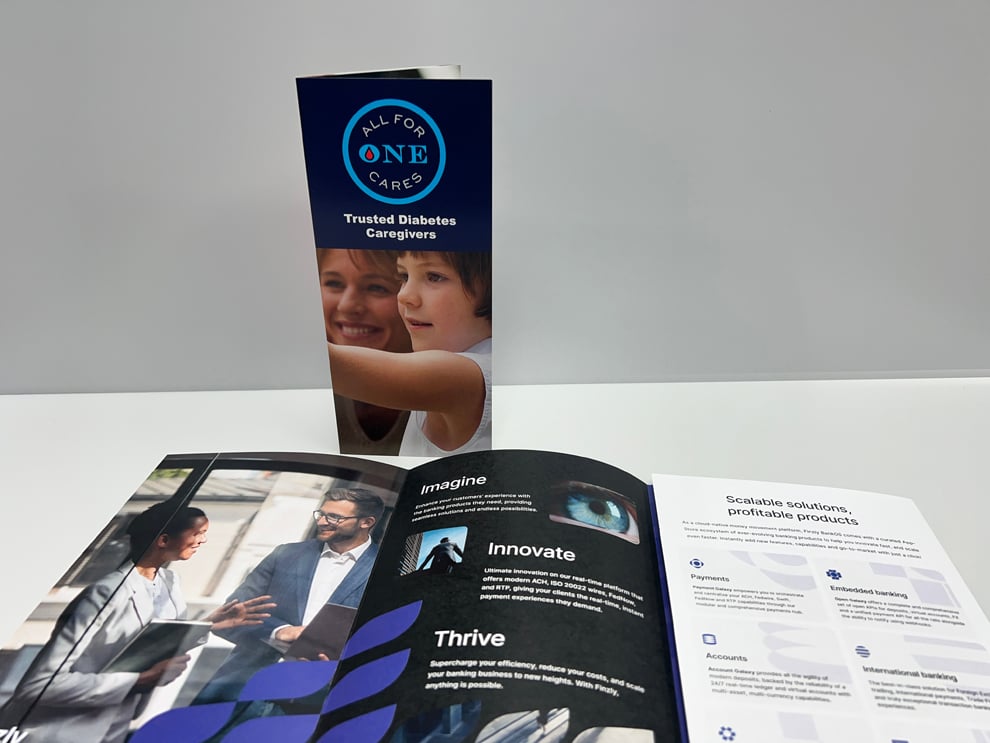
A tri-fold handles a problem, approach, and results sequence well. A Z-fold suits a side-by-side comparison of services or assay options, since each panel opens independently. A bi-fold gives larger panels for complex diagrams. Choose the structure that keeps your most important figure readable without crossing a fold.
Print uses CMYK inks, so files built in RGB are converted, and very saturated screen colors can shift during that conversion. Many designers convert and review color before exporting the final PDF. Heritage manages color with production-specific profiles, but data colors that look distinct on screen should be checked for contrast in print.
Usually, if they are planned early. Footnotes need enough size and contrast to remain legible, so reserve space for them instead of shrinking them at the last minute. Your team is responsible for the wording and accuracy of every regulatory statement, and the electronic proof is the place to confirm each one.
For qualifying Custom Quote orders of $2,000 or more, Heritage can make production-oriented adjustments so panels, figures, and footnotes fit the selected fold. That work protects print readiness without changing your scientific content. For Online Store orders, the file must already be print-ready when it is uploaded.
Yes, when the accepted plan includes it. Provide the venue's receiving instructions, the booth or room details, required arrival window, and a contact on site. Many meeting venues accept freight only during set hours, so confirm those rules before production finishes to keep the brochures from arriving too early or too late.
Compare every number, unit, axis label, legend, and footnote against your source data, and confirm that charts appear on the correct panels. Check small type closely at actual size. The electronic proof confirms the content Heritage will print, while scientific accuracy remains your team's responsibility.
Choose it for qualifying orders of $2,000 or more that need fold adjustments, several audience versions, color-critical review, a Physical Production Color Proof, or coordinated delivery to a meeting. After Heritage accepts the quote and assigns the order, a Project Coordinator becomes your direct contact.
Yes. Versions can change the messaging, data emphasis, or contact information while keeping the same design system. Label each file clearly, assign quantities to each version, and name an approver for each proof. Your team remains responsible for the accuracy of every technical and regulatory statement in each version.
Use it when the brochure is designed, print-ready, and available in a live Store configuration that matches your size, fold, paper, and quantity. You place the order yourself at Heritage's lowest available pricing, and the order still receives production review and an electronic proof before printing.
Send Heritage the date and the intended specification before the design is final. That allows materials and production capacity to be considered early. When the finished file is in hand, Heritage assesses the remaining window and explains clearly what can be achieved, along with any decision that needs to happen right away.
Heritage Signs & Displays created new museum signage for the Military Women’s Memorial in Arlington, VA. The project included custom signs, wall wraps, dimensional letters, and standoff-mounted displays to honor the legacy of U.S. servicewomen and the donors who supported the memorial. The updated interior features impactful designs, including a "Our Legacy" wall display and panels showcasing historical contributions and artwork, creating a transformative tribute to women in the U.S. Armed Forces.
Heritage Signs & Displays' collaboration with The Gathery to brand Union Market in Arlington, VA, for Indeed's "Ready to Work" job fair. The project included custom event displays, wall graphics, window graphics, and wayfinding signs, creating an immersive and visually appealing environment. The branding enhanced the venue, reflected the event's mission, and provided a seamless experience for attendees.