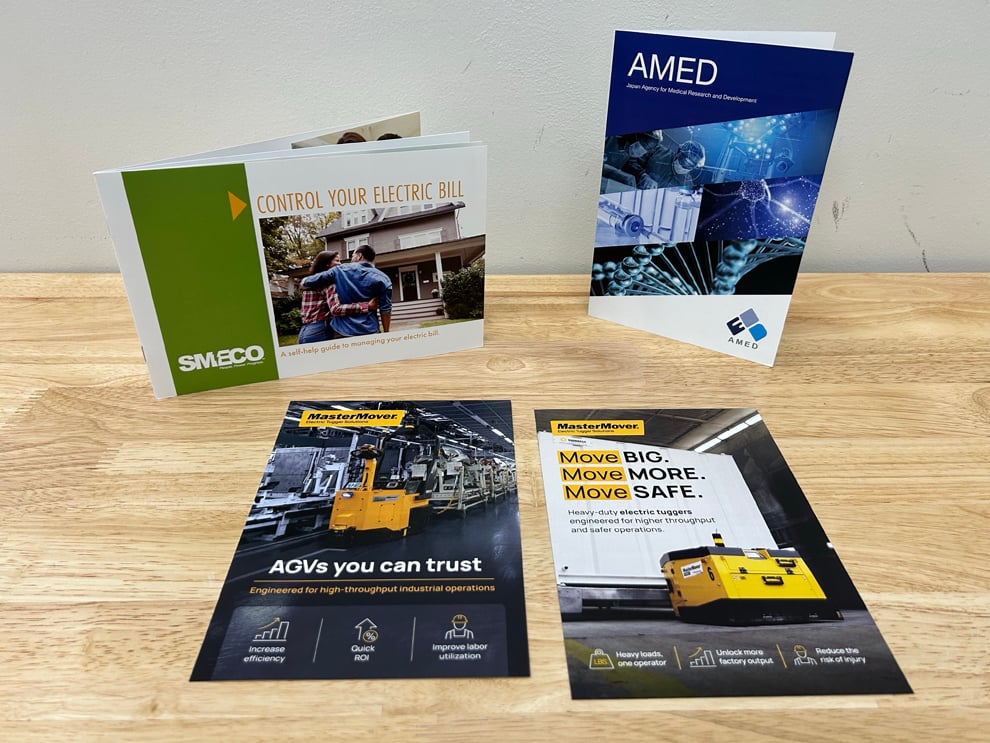
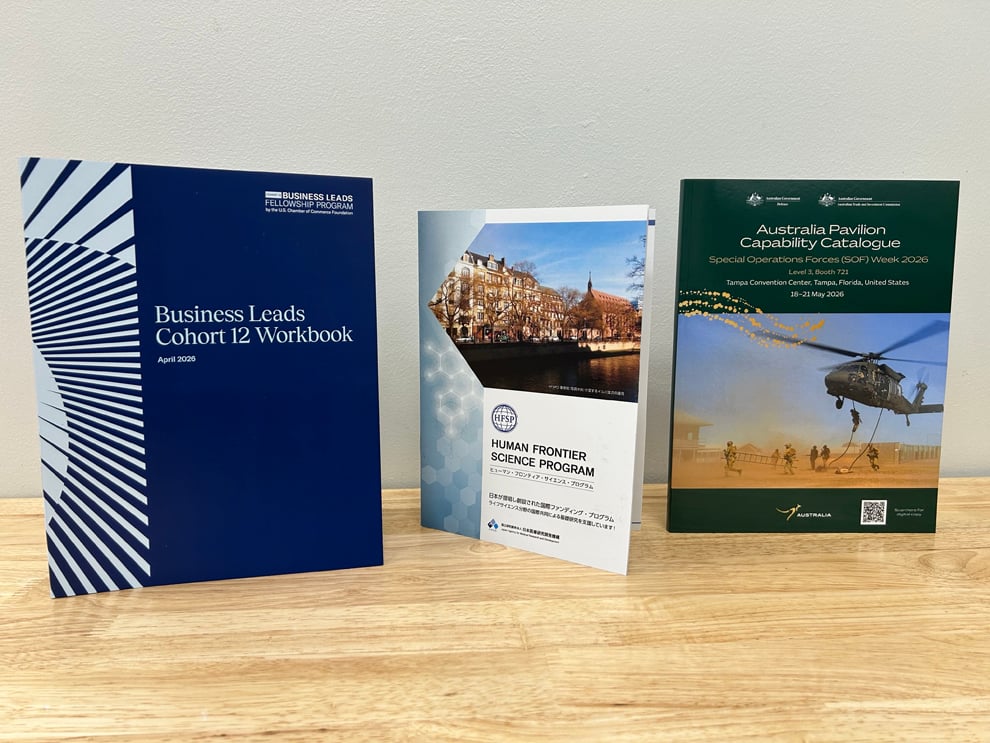
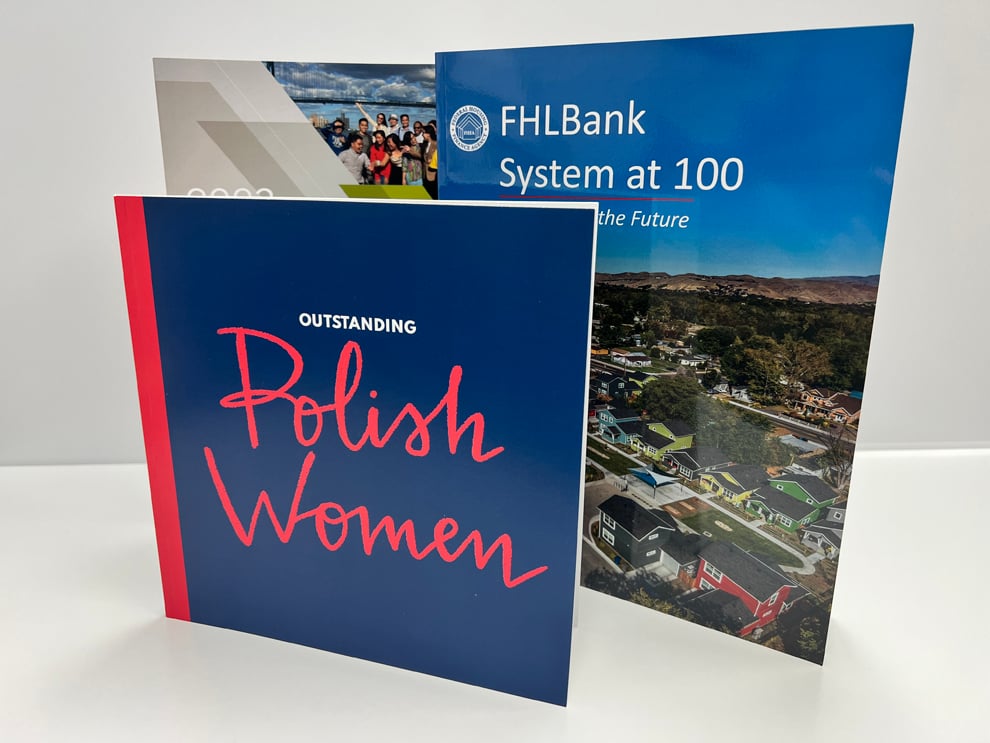
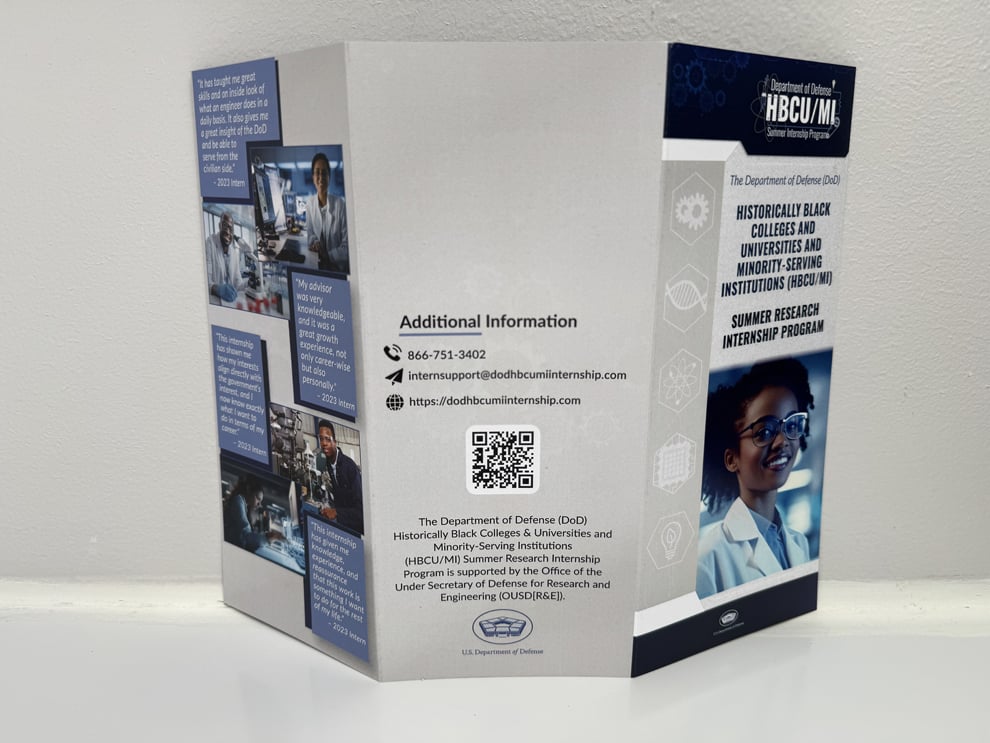
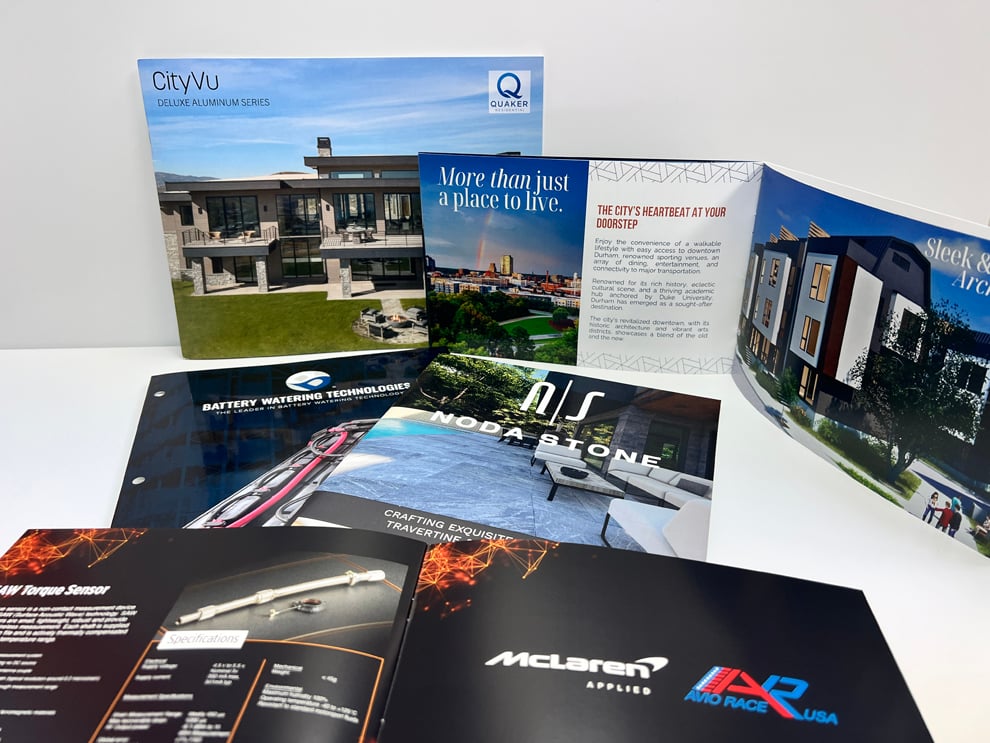
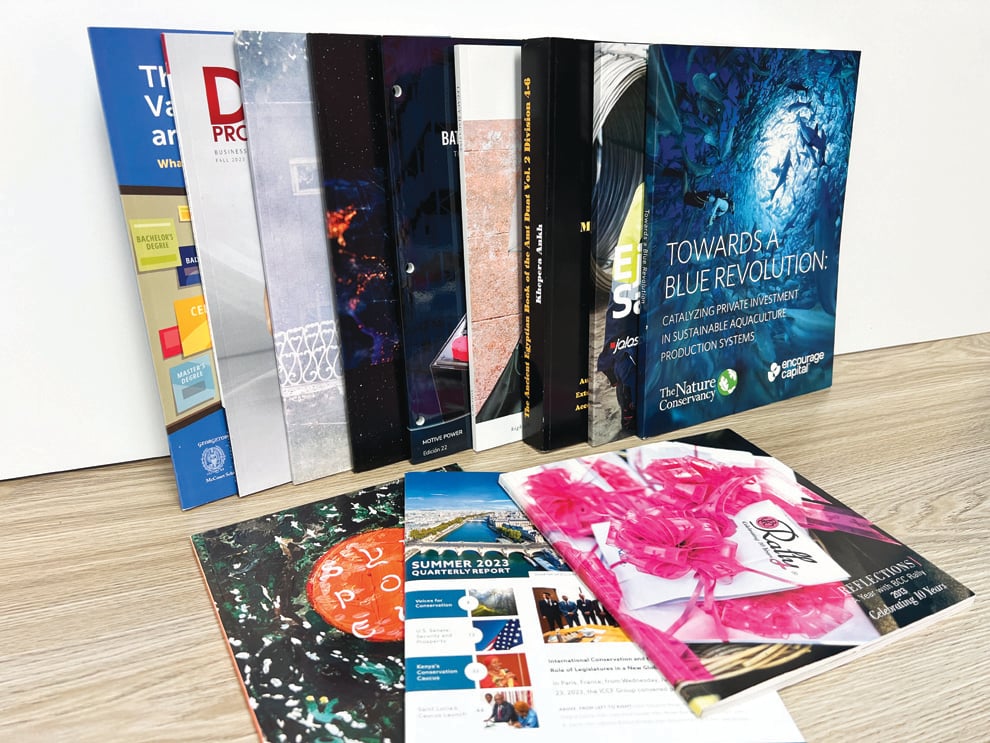
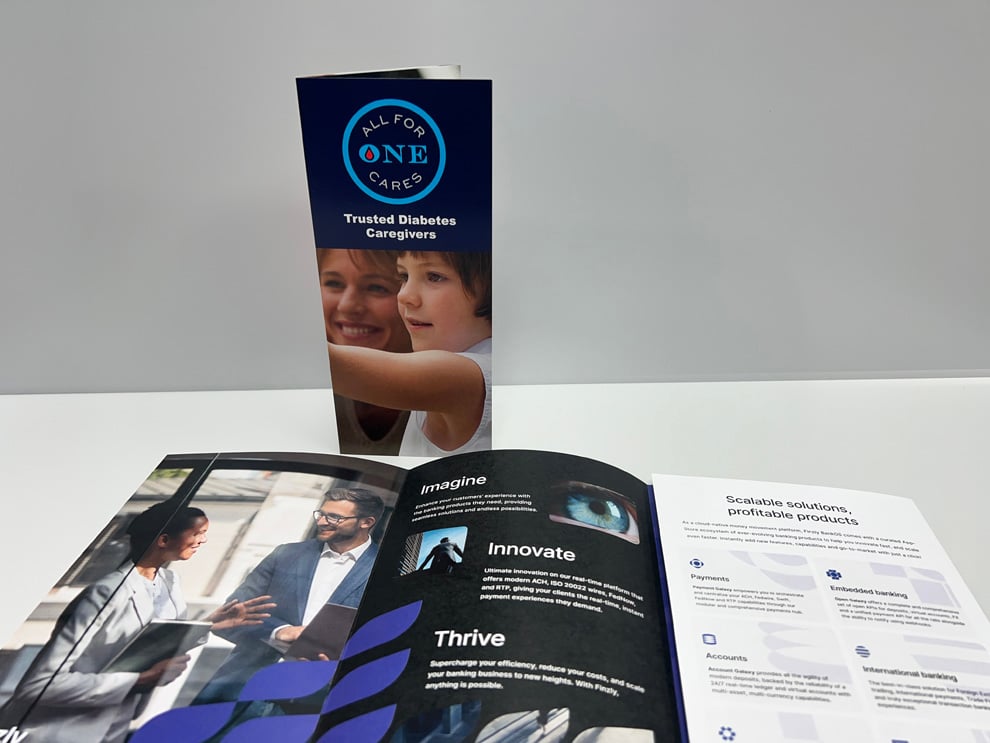
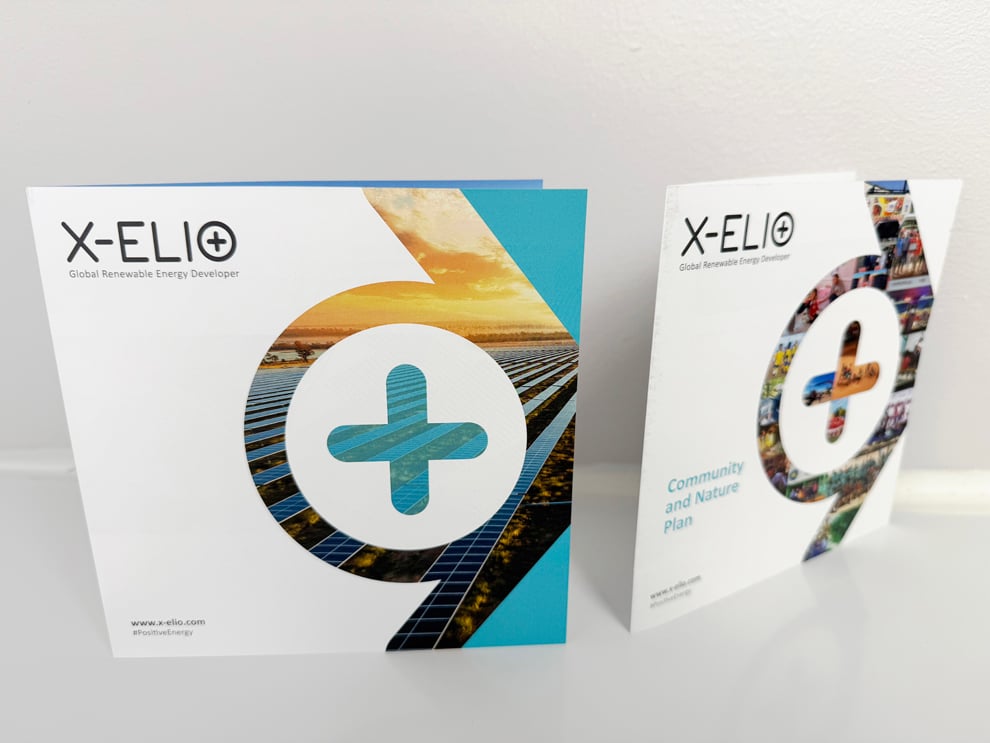
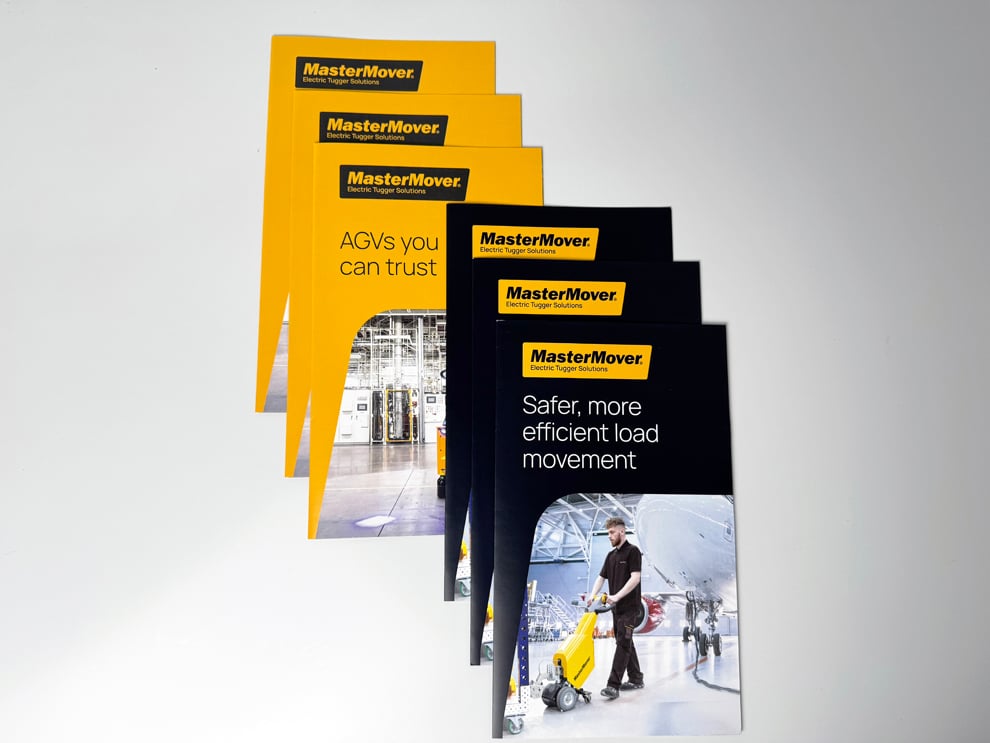
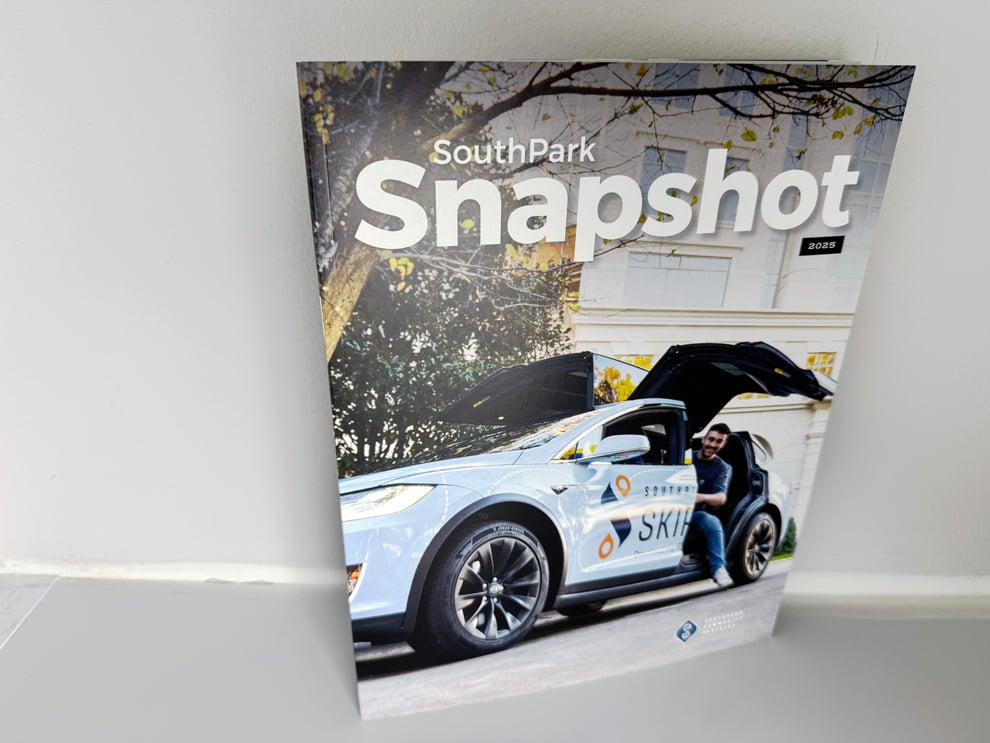
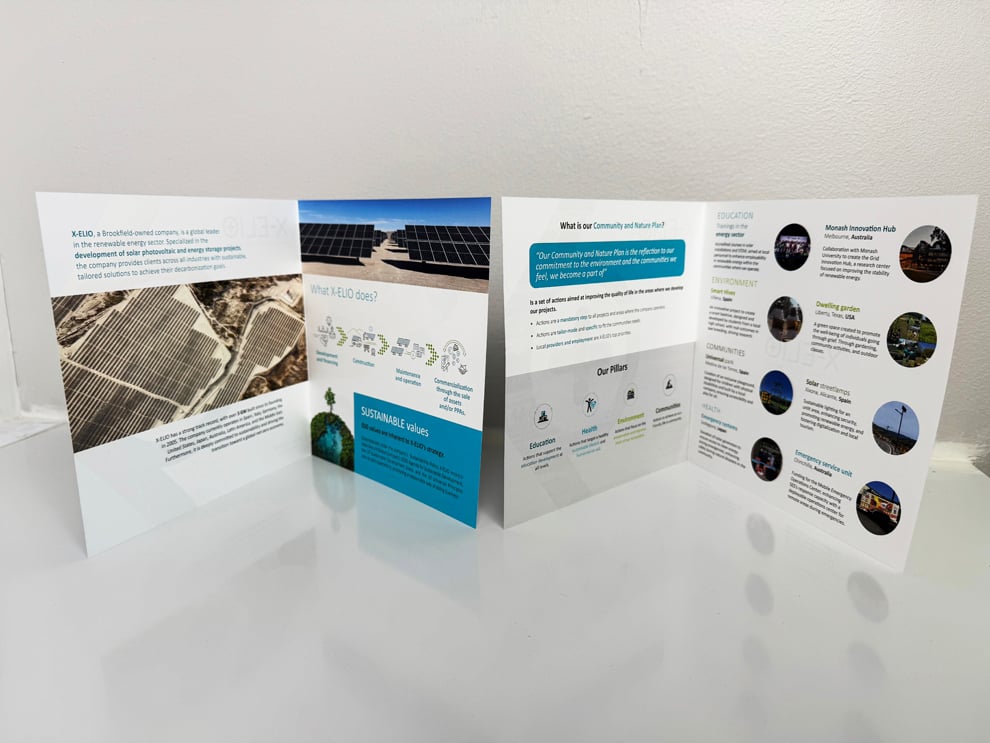
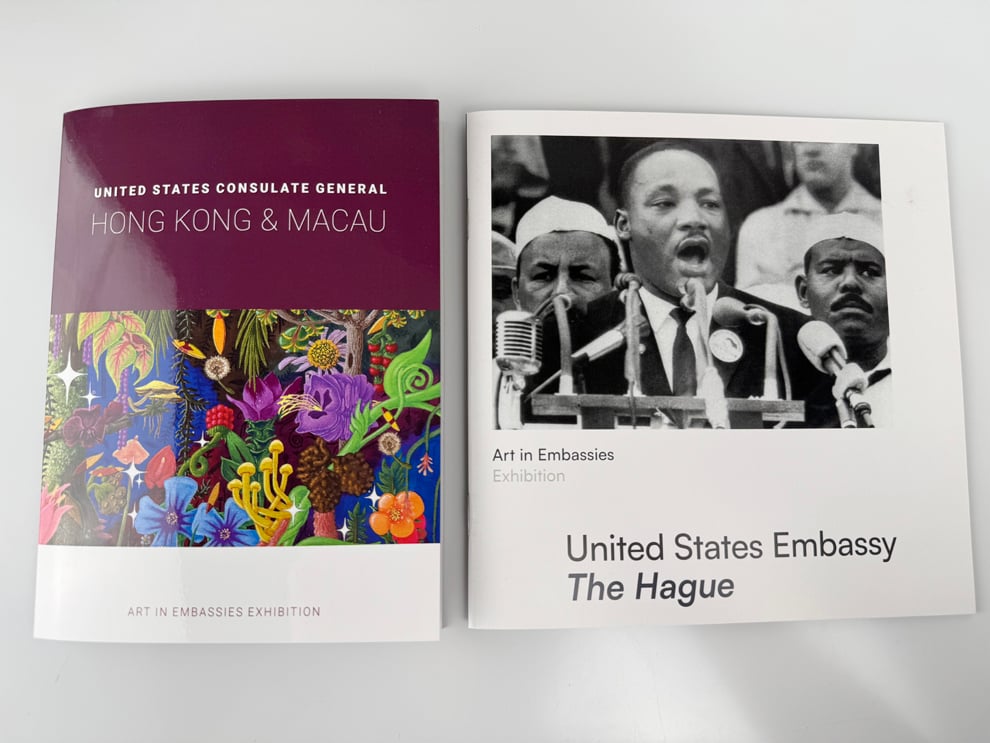
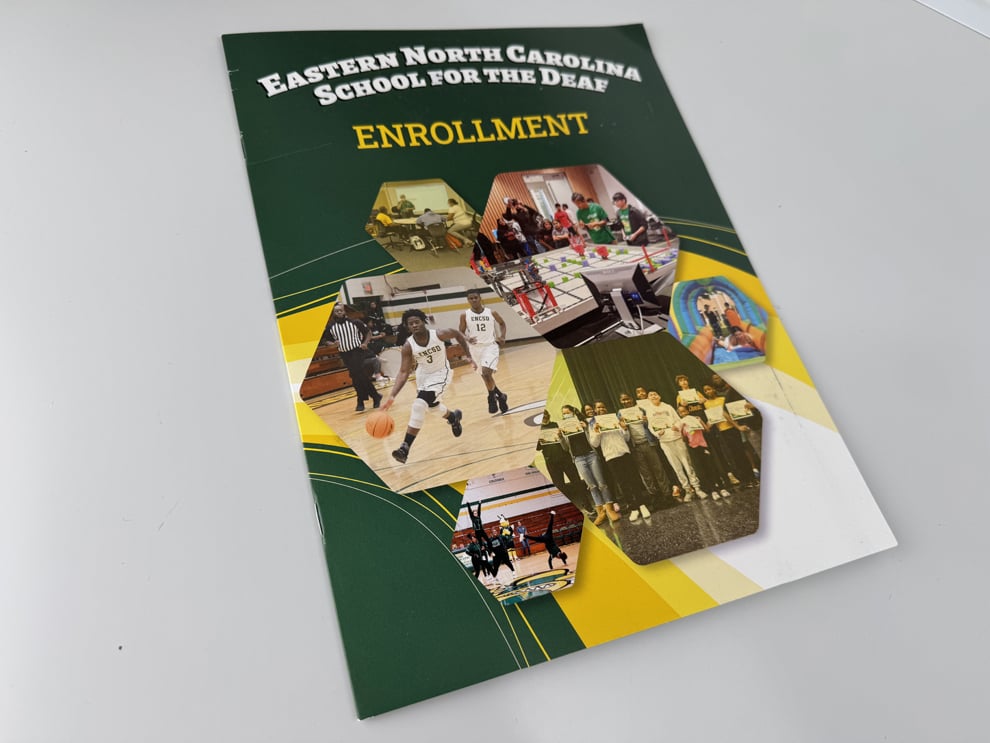
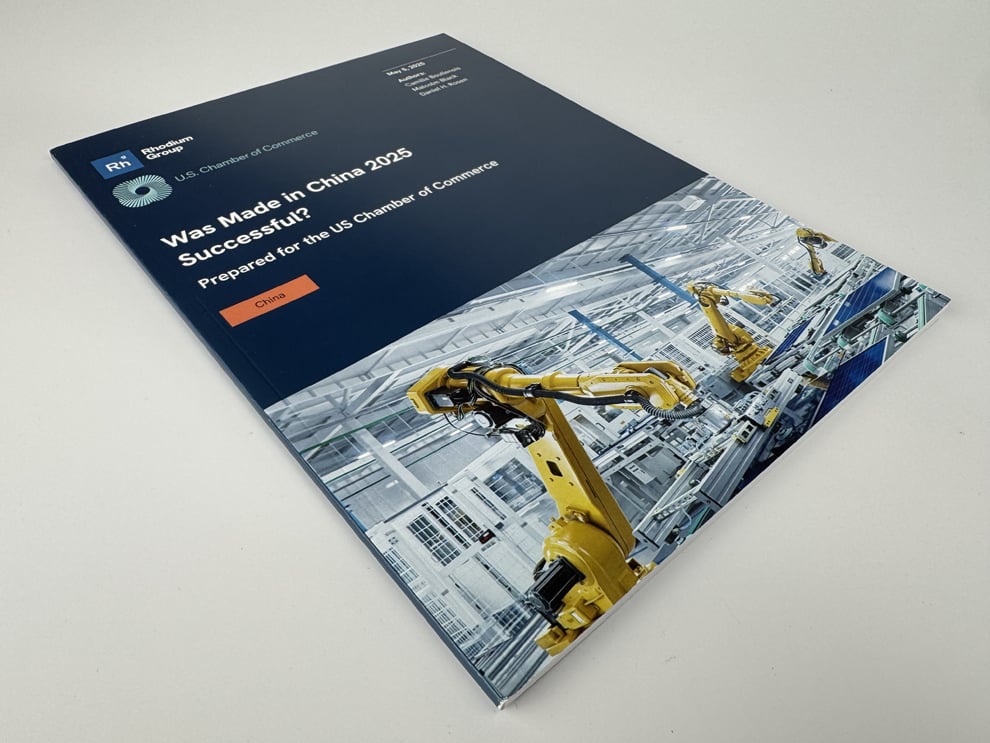
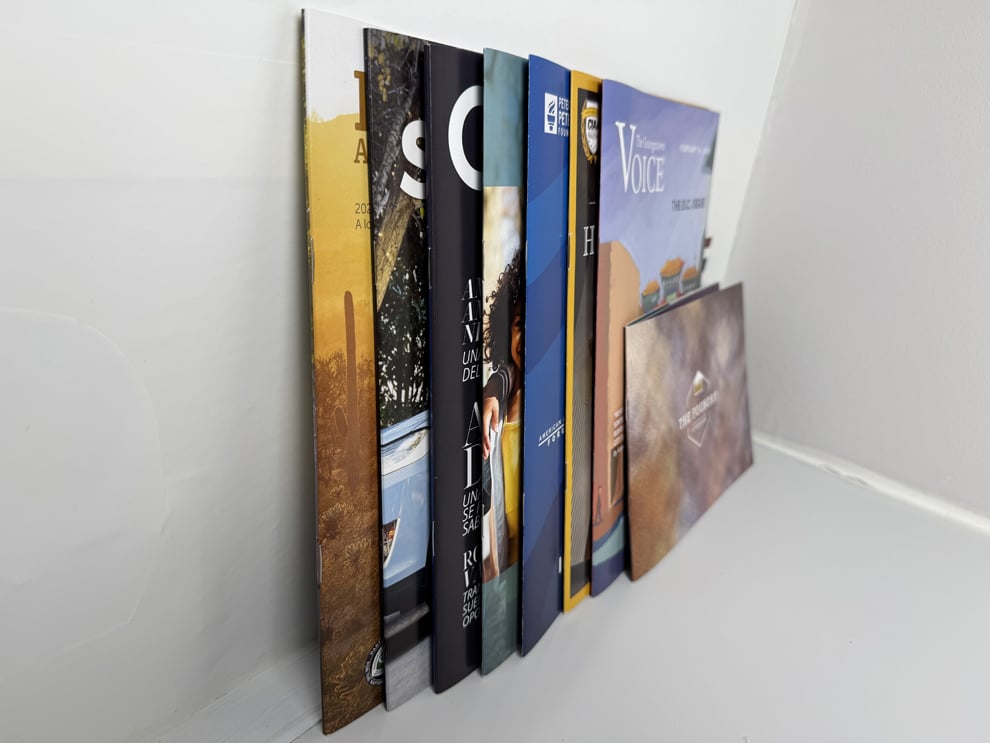
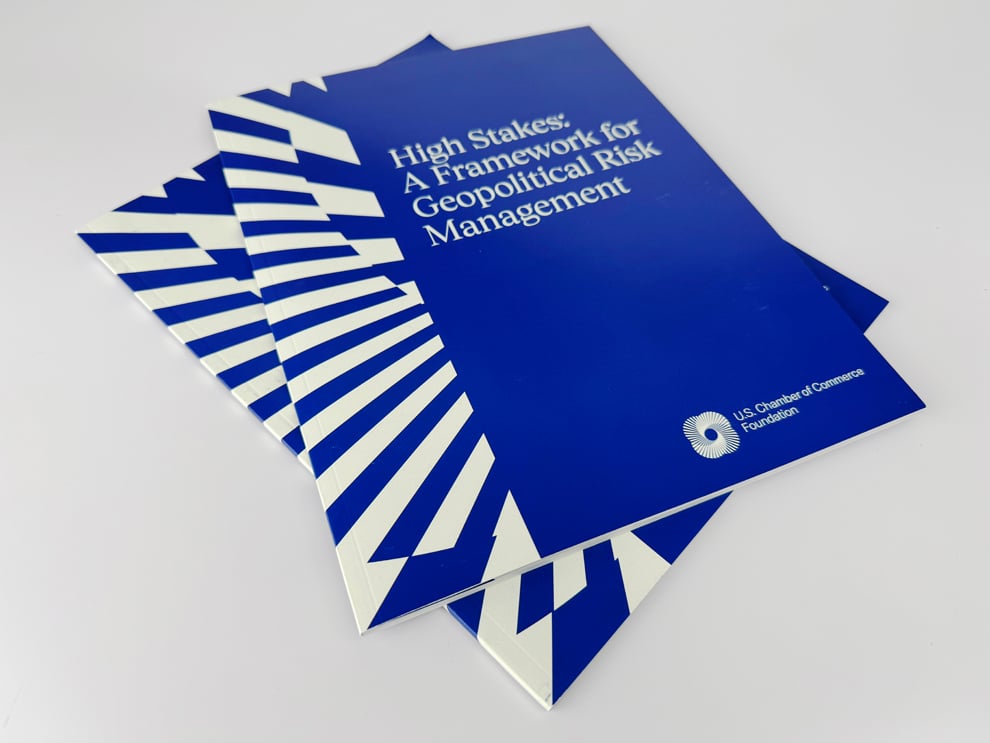
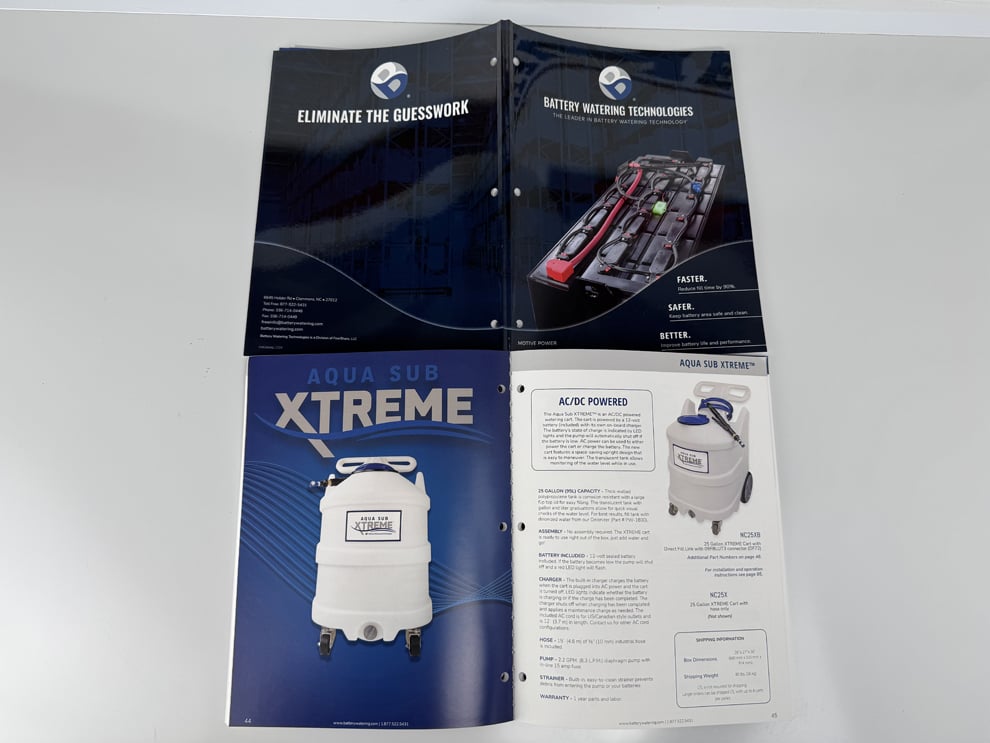
For a growing business, practice, or community organization in Waldorf and the surrounding Southern Maryland area, a printed brochure is often a milestone. It means the services are defined, the message is clear, and there is finally something professional to hand to a customer, patient, or neighbor. The printed result should match that moment and the work it took to get there.
Heritage helps make sure it does. Once your design is complete, we make sure it fits the size and fold you picked, keep your logo colors looking right, and send an electronic proof so you can check every word and image before anything is printed.
If this is your first brochure, a few practical steps make the process smoother: knowing the fold you want, preparing the file to the correct size, and choosing paper that suits how the brochure will be used. When an open house, grand opening, or community event is coming up, share the date early so the schedule can work in your favor.
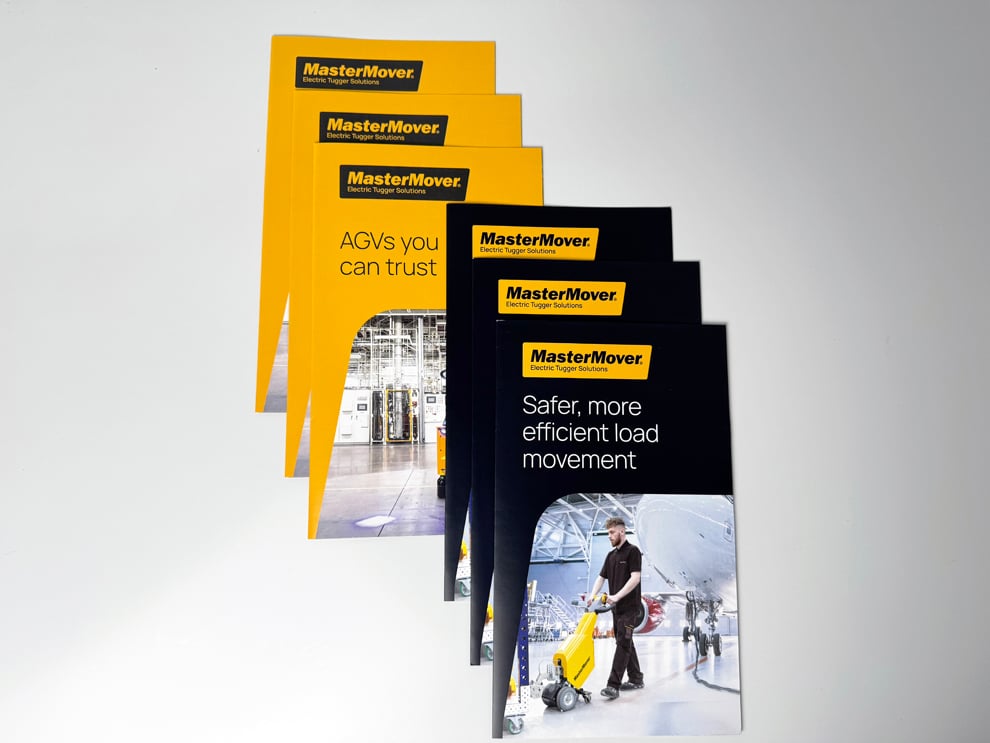
A first brochure deserves the same care as a large corporate order. Since 1977, Heritage has treated every printing job as worth doing right, and today every brochure order, whether placed through the Online Store or a qualifying Custom Quote, receives production review and an electronic proof before printing. That consistency protects new clients and established ones alike, and it means a small business gets the same checkpoint a large institution does.
Folding is checked against the panel layout so the brochure closes cleanly and reads in the intended order, and color is handled with measured calibration and profiles suited to the printer and paper, helping your brand colors print consistently within what your chosen stock can reproduce.
Our service is straightforward, and it reflects who we are: a veteran-owned, family-led company that answers questions directly and tells you early if a timeline needs adjusting. When a qualifying Custom Quote is accepted and the order assigned, a Project Coordinator becomes your direct contact, which helps when a project needs more guidance than self-directed ordering offers.
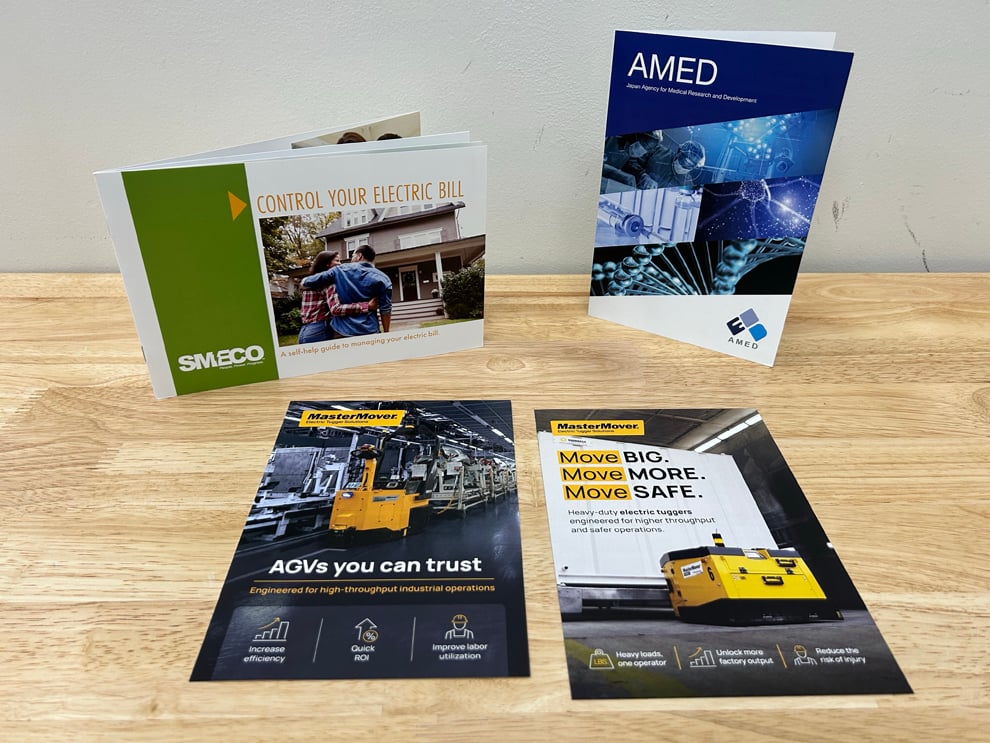
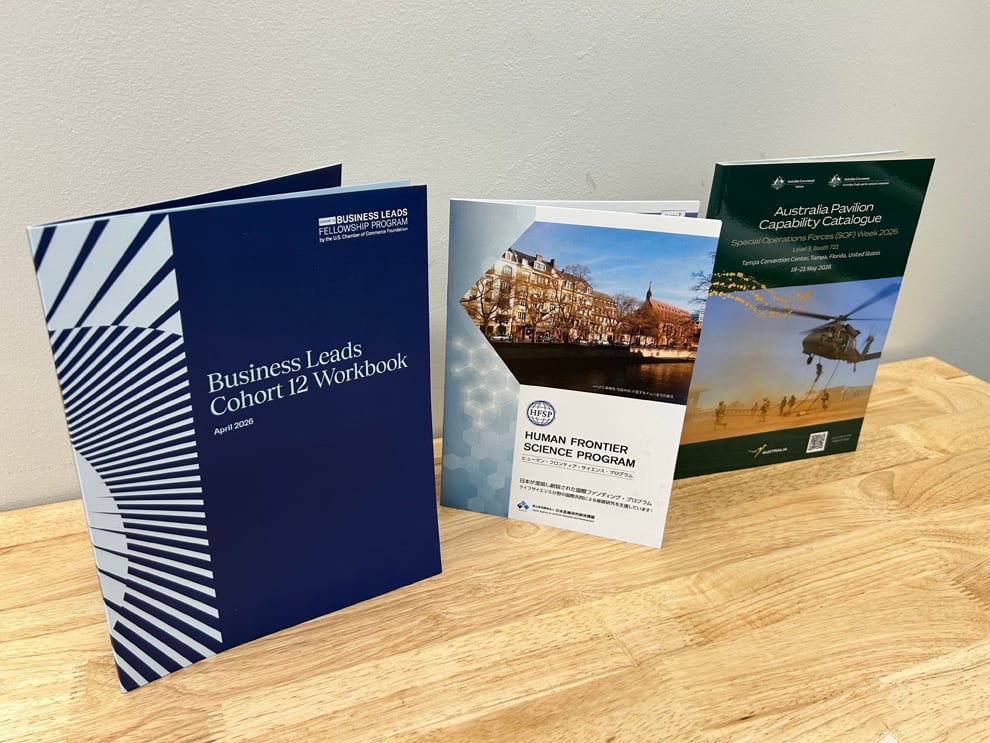
Give new clients or patients a folder with your brochure, service details, and forms.
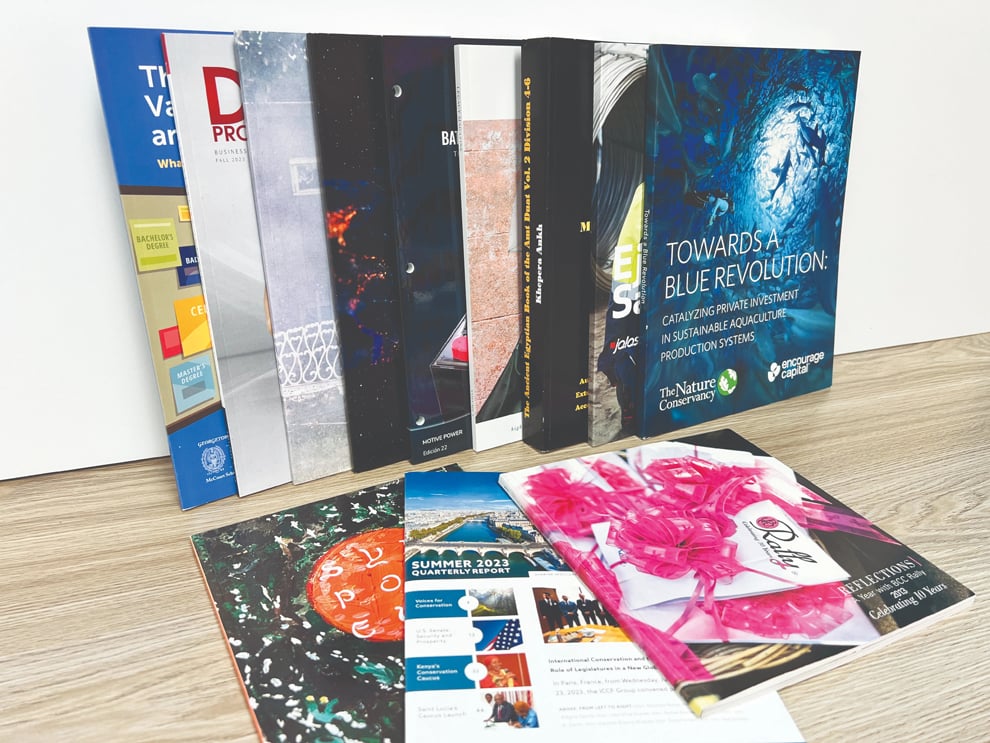
Coordinate flyers, postcards, and handouts with your brochure for local promotions.
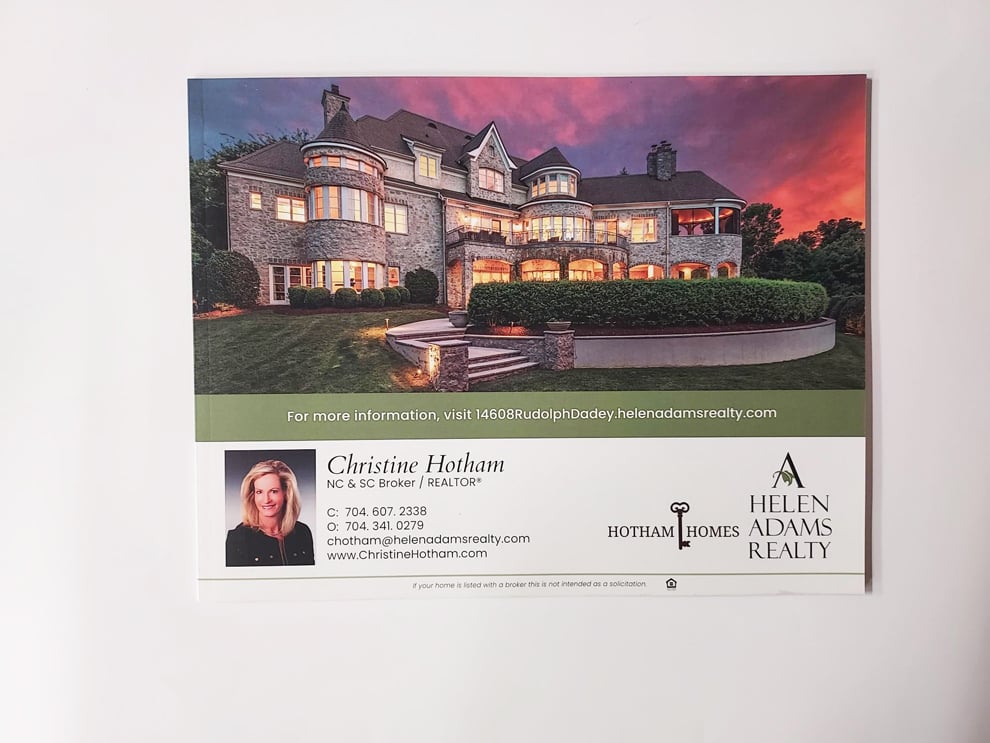
Reach nearby households or customers with mailed brochures when addressing is part of the scope.
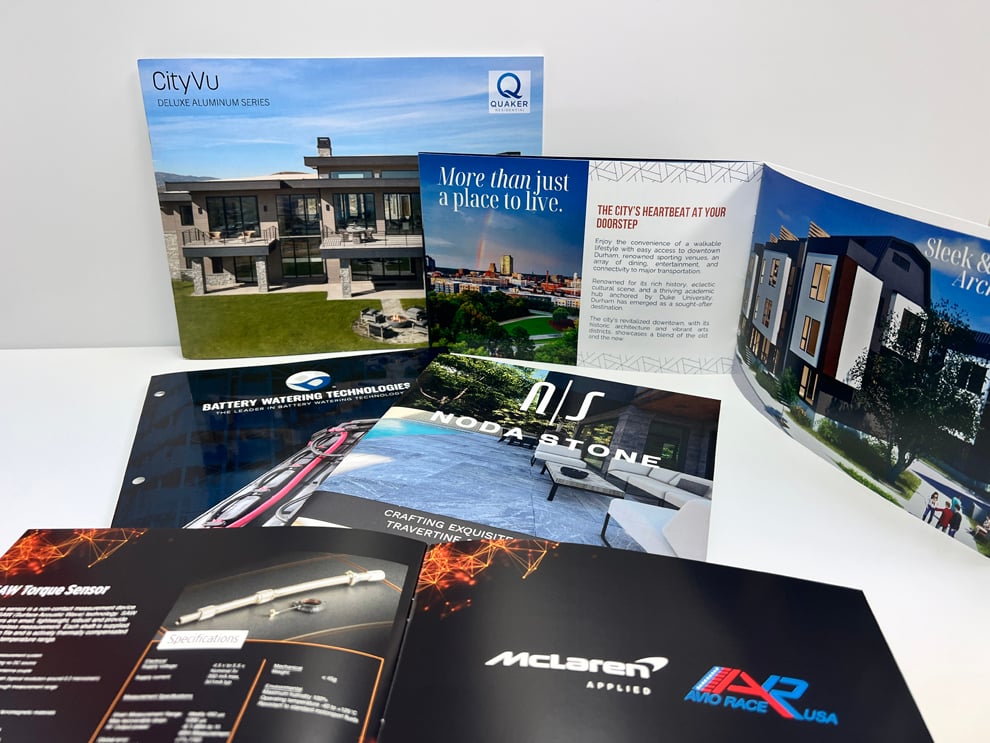
Print service menus, member guides, or program handbooks as bound booklets when a brochure is too small.
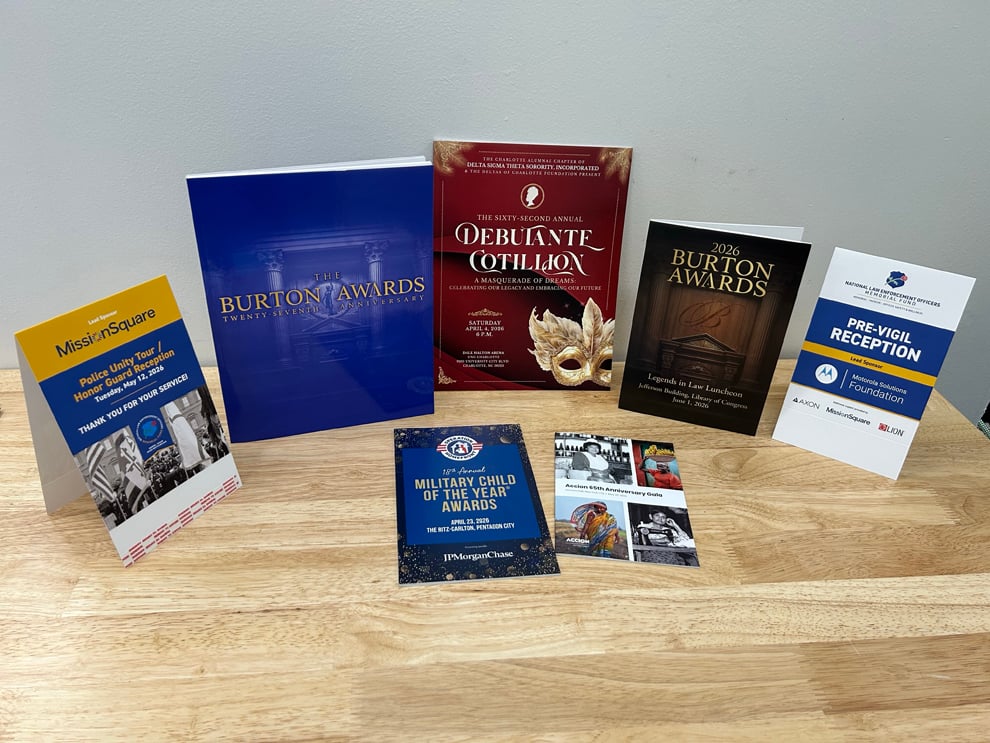
Print programs for grand openings, church events, school ceremonies, and community celebrations.
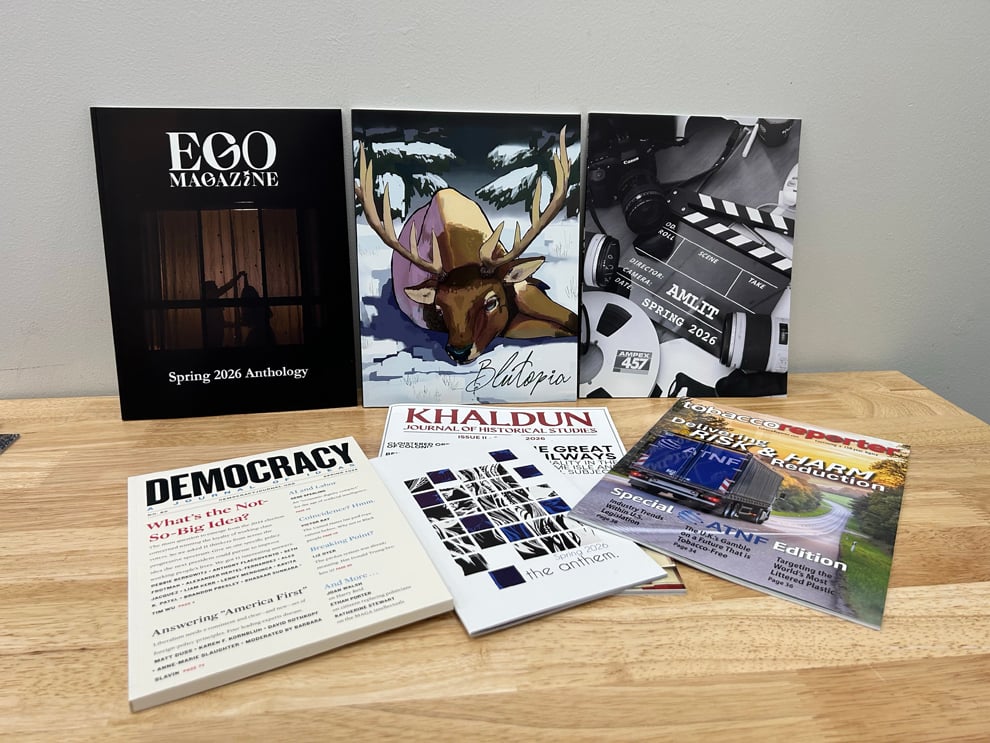
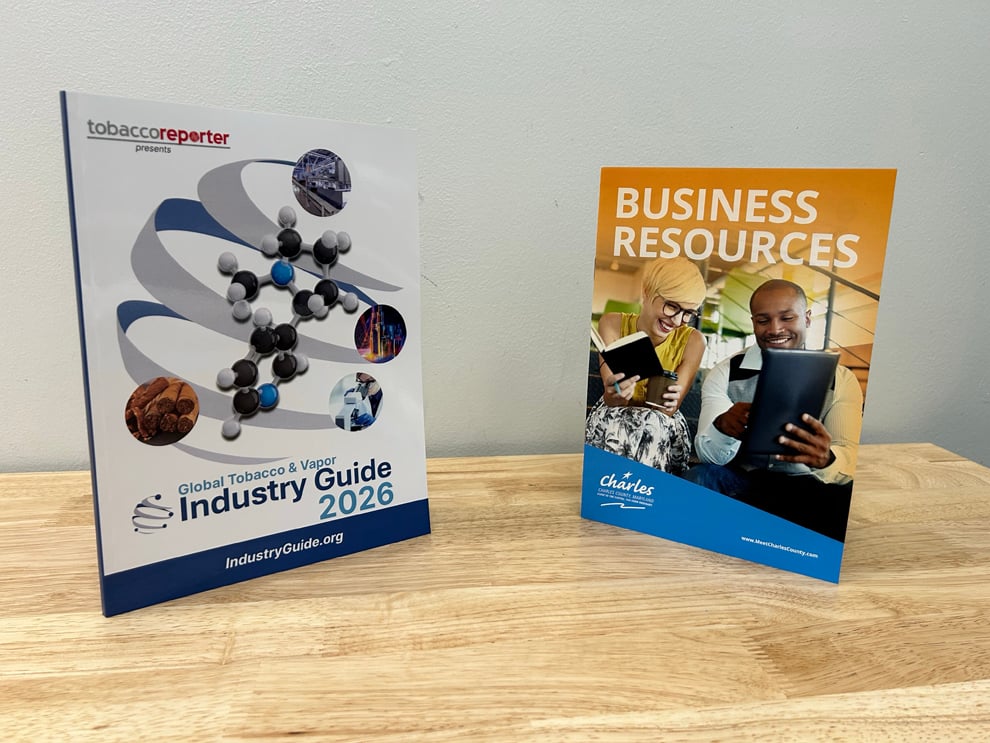
Produce resource guides and directories for members or the community.
Stay connected with customers, members, or families through a recurring printed newsletter.
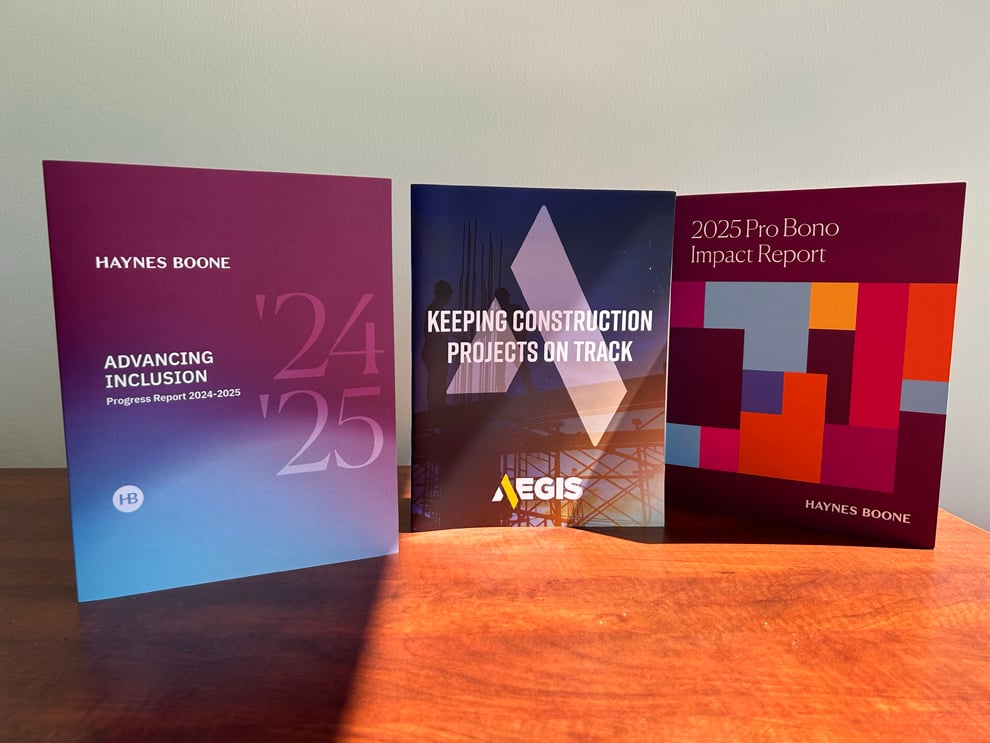
Present the year's accomplishments to members, donors, or a board.
When your file is print-ready and your brochure configuration appears in the Online Store, buying it there yourself gets you Heritage's lowest available pricing. Store orders have a $750 total minimum, and brochures can be combined with other eligible printed products to reach it. Need file adjustments, specification guidance, or more hands-on support? Orders of $2,000 or more can use Custom Quote, and after acceptance and assignment a Project Coordinator becomes the person you call.
Start by choosing the format. A tri-fold on letter-size paper is the most familiar brochure format and works well for introducing services, hours, and contact details. A bi-fold offers larger panels for photos or menus. Knowing the fold before design begins lets the layout match the panels the printed piece will actually have.
Next, prepare the file correctly. The artwork should match the finished size and panel layout, extend backgrounds into the bleed, keep important text away from the trimmed edges and folds, and use high-resolution images. If a designer created the brochure, ask for a print-ready PDF built to these requirements so it moves through production smoothly.
Then think about quantity and timing. Order enough to cover a realistic period, keeping in mind that phone numbers, prices, or staff details may change. Review the electronic proof carefully, because it is your final chance to catch a typo before printing. Planning these steps well before you need the brochures keeps the process calm and the results professional.
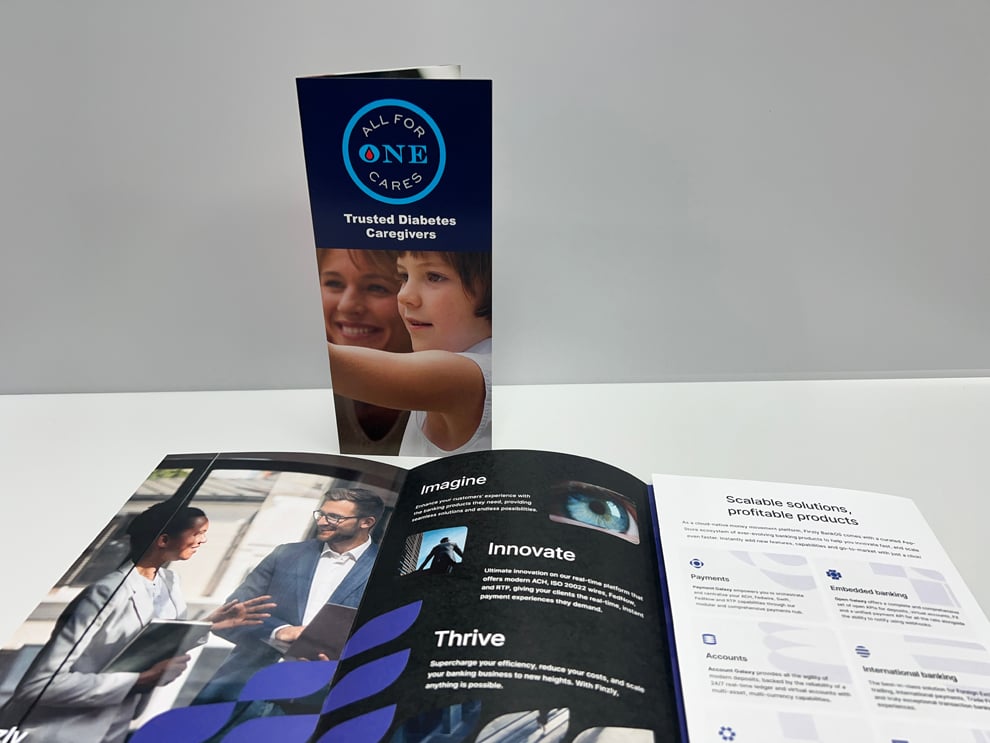
The letter-size tri-fold is the most common. An 8.5 by 11 inch sheet folds into three panels on each side, giving a compact piece that fits racks, envelopes, and pockets. It works well for introducing a business, listing services, and sharing contact information.
A high-resolution, print-ready PDF is usually best. It should be built at the finished size with the correct panel layout for your fold, include bleed where artwork reaches the edge, embed fonts, and use images with enough resolution for print. Your designer can export a file to those requirements.
Heritage focuses on producing brochures from completed or substantially complete artwork rather than writing or designing them from scratch. For qualifying Custom Quote orders of $2,000 or more, production-oriented layout or file adjustments may be included. For original design and messaging, working with a designer first is the best path.
A moderately heavy stock that feels substantial in the hand but folds cleanly suits most business brochures. Very light paper can feel flimsy, while very heavy paper may need scoring. Coated paper keeps photos crisp; uncoated paper is easier to write on.
Read every word, then check phone numbers, addresses, hours, web addresses, email addresses, and spelling of names. Confirm the panel order matches how the brochure will fold. It is a check of words and layout rather than printed color, and once you approve it, printing begins.
Most small businesses and community organizations start with a brochure. It is economical, easy to hand out, and covers the essentials: who you are, what you offer, and how to reach you. A booklet makes sense later if you need to explain many services, programs, or menu items in detail.
A tri-fold folds a letter-size sheet into three panels on each side, creating a compact brochure that fits racks and envelopes. A bi-fold folds a sheet once into four larger panels, giving more room for photos or menus. The tri-fold is more common; the bi-fold feels roomier.
Bleed is extra artwork that extends past the edge of the brochure so the color runs cleanly to the edge after trimming. Without it, a thin white strip can appear along an edge. If any background or photo touches the edge of your design, the file needs bleed.
Think about how many you will realistically hand out over the next several months: at the counter, in local displays, at events, and in mailings. Order enough to cover that period without a large surplus, since phone numbers, prices, and services may change. You can always reorder from the approved file.
If your brochure is designed and print-ready in a configuration the Online Store lists, the Store is simplest and offers Heritage's lowest available pricing. Custom Quote is for qualifying orders of $2,000 or more that need file adjustments, specification guidance, or more hands-on support.
Yes. Place the code on one panel, away from folds, with strong contrast and clear space around it, and include a short web address for people who prefer typing. Scan it from the proof with your own phone to confirm it opens the right page.
Timing depends on the specification, proof approval, materials, production capacity, finishing, and delivery, so Heritage does not promise a date before reviewing the order. The fastest path is a fully print-ready file in a standard configuration and a prompt proof approval. Tell Heritage your needed date when you order.
Yes. Update your design file, or have your designer update it, and send the revised version. It will receive a new electronic proof so you can confirm every change before printing. Keeping your approved file and specification on record makes future updates and reorders simple.
Yes. Heritage's minimum for a new commercial printing order is $750. In the Online Store, that minimum applies to the total eligible order, so brochures can be combined with any other eligible printed products that are live in the Store at the time you order.
When mailing is part of the accepted scope, Heritage coordinates addressing and postal preparation with printing. You provide an accurate, authorized mailing list in the agreed format. Plan mailing early because size and weight affect postage, and remember that delivery after U.S. Postal Service acceptance is controlled by the Postal Service.
Yes. Heritage serves businesses, practices, and community organizations across Charles County, Southern Maryland, and the wider DC metro area. Your accepted plan determines where finished brochures go, whether that is your storefront, a community event, or a mailing to nearby households.
Heritage Signs & Displays created new museum signage for the Military Women’s Memorial in Arlington, VA. The project included custom signs, wall wraps, dimensional letters, and standoff-mounted displays to honor the legacy of U.S. servicewomen and the donors who supported the memorial. The updated interior features impactful designs, including a "Our Legacy" wall display and panels showcasing historical contributions and artwork, creating a transformative tribute to women in the U.S. Armed Forces.
Heritage Signs & Displays' collaboration with The Gathery to brand Union Market in Arlington, VA, for Indeed's "Ready to Work" job fair. The project included custom event displays, wall graphics, window graphics, and wayfinding signs, creating an immersive and visually appealing environment. The branding enhanced the venue, reflected the event's mission, and provided a seamless experience for attendees.