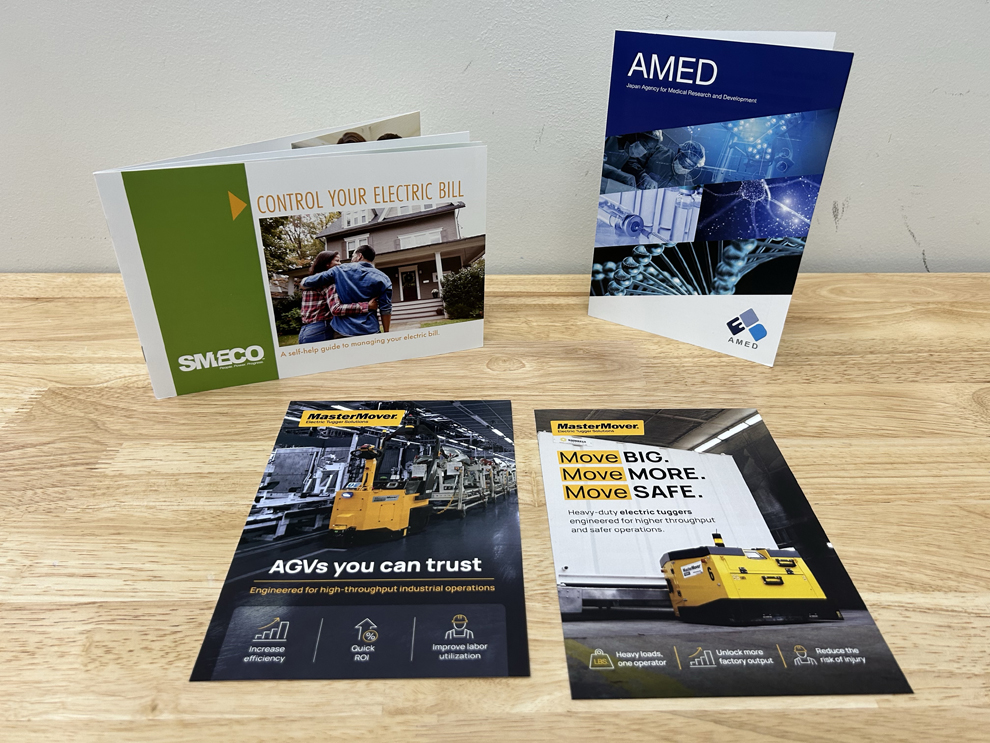
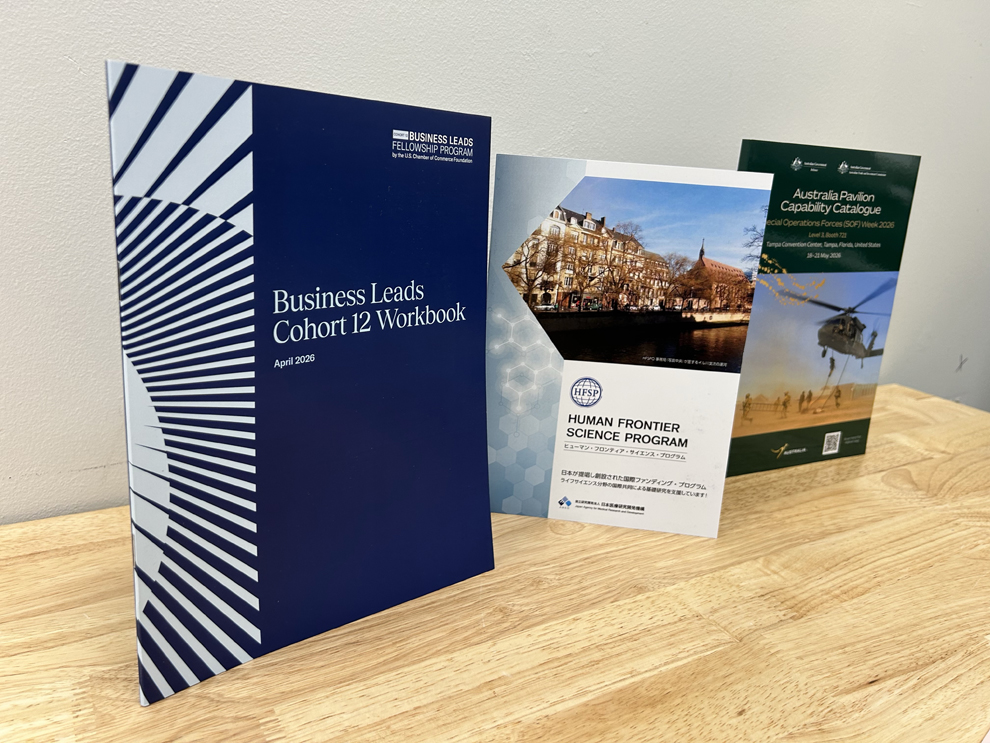
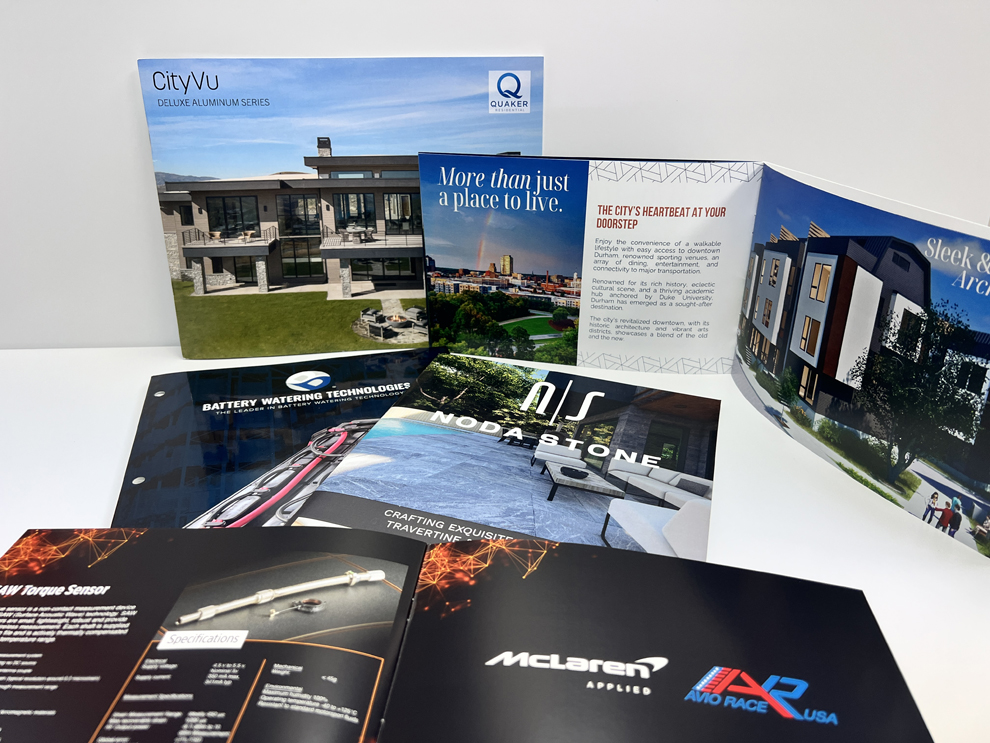
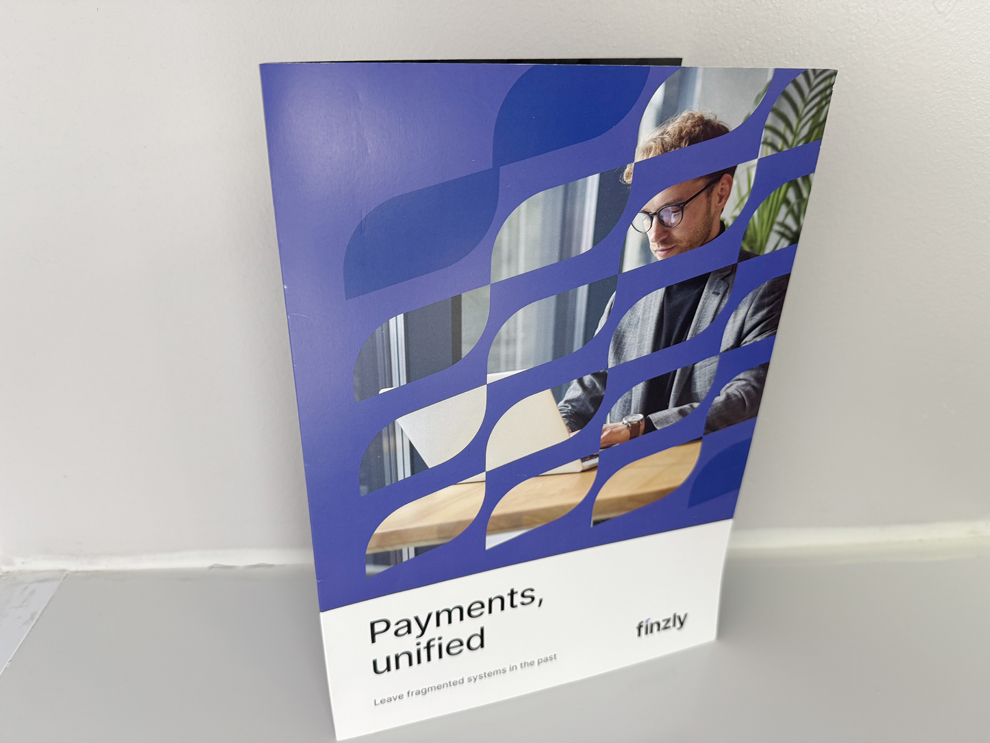
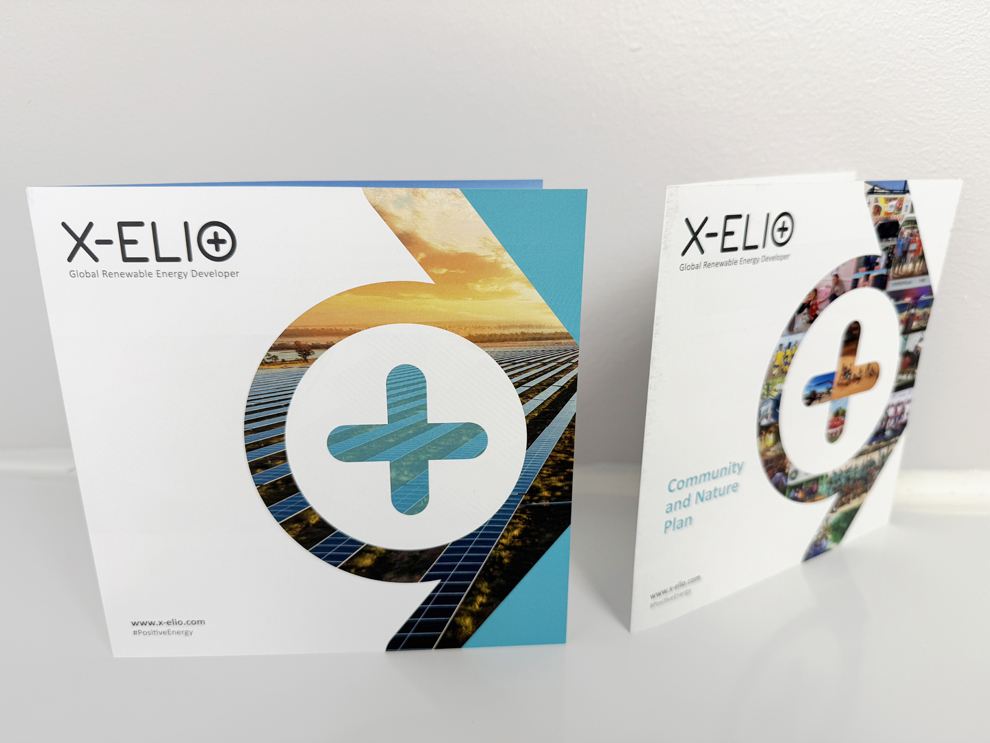
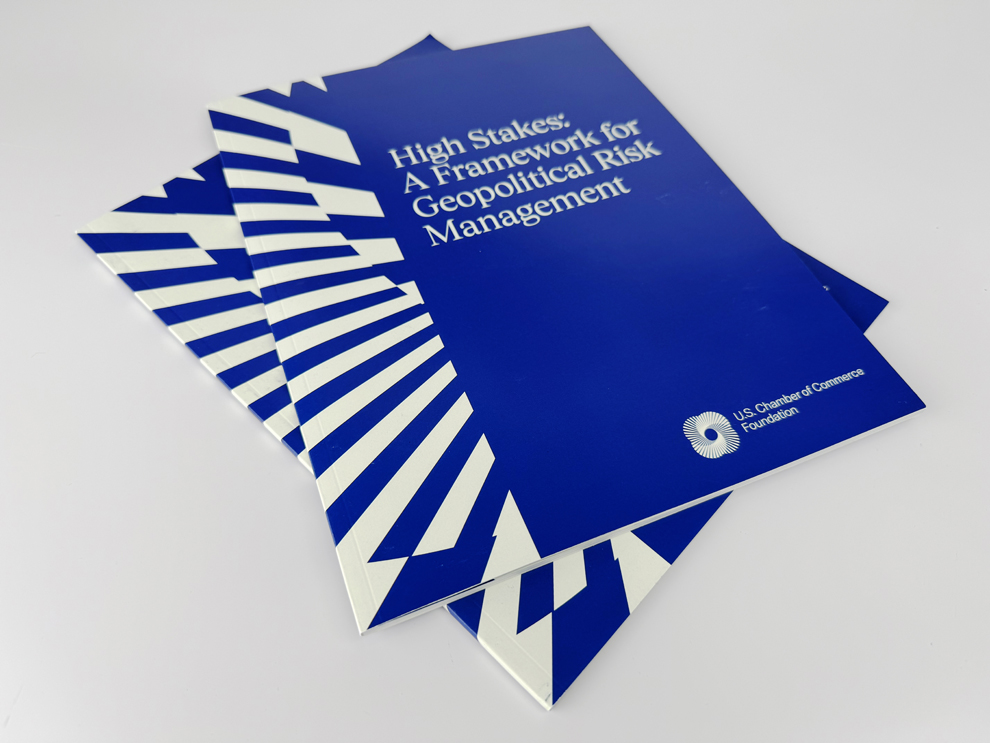
Printed collateral needs to do more than reproduce an approved design: it must suit the way people will receive, handle, and use it. A sales team may need a durable leave-behind, while a recruiting initiative may call for economical handouts that remain legible and presentable at larger quantities. Heritage Signs & Displays provides marketing materials printing for Waldorf, MD businesses and organizations working from approved content and established brand direction. We produce individual pieces, such as sell sheets and rack cards, as well as related materials that support a shared initiative without requiring identical specifications. Our responsibility is to translate supplied requirements into appropriate print production, not to determine the campaign strategy, offer, or audience. Paper selection, color expectations, finishing, quantities, and packaging should reflect the intended use, with proof approvals and distribution requirements considered before the schedule is established. By identifying these decisions early and communicating the requirements of accepted work, we help clients prepare materials for practical use while keeping approval responsibilities and required completion dates visible throughout production.
Reliable execution starts with understanding which details could affect the finished materials before those details become production problems. Founded as a printing business in 1977, Heritage brings nearly five decades of printing experience to decisions involving reproduction, paper behavior, finishing, and approval requirements. As a veteran-owned, family-led company, we emphasize clear responsibilities and accountable communication rather than assumptions about what an order includes. For Waldorf organizations purchasing collateral, that approach provides a practical foundation when several reviewers must approve content or a distribution date limits the available production window. We consider how the accepted specifications work together, including whether a finish suits the intended use and whether packaging requirements affect the handoff. Production questions should be resolved against the supplied files and documented requirements, with changes reviewed for their effect on cost and timing. Every Commercial Printing order requires electronic proof approval before printing, creating a defined checkpoint for the client. These practices keep attention on the actual deliverable: correctly approved materials, produced to the accepted scope, with communication that supports informed decisions.
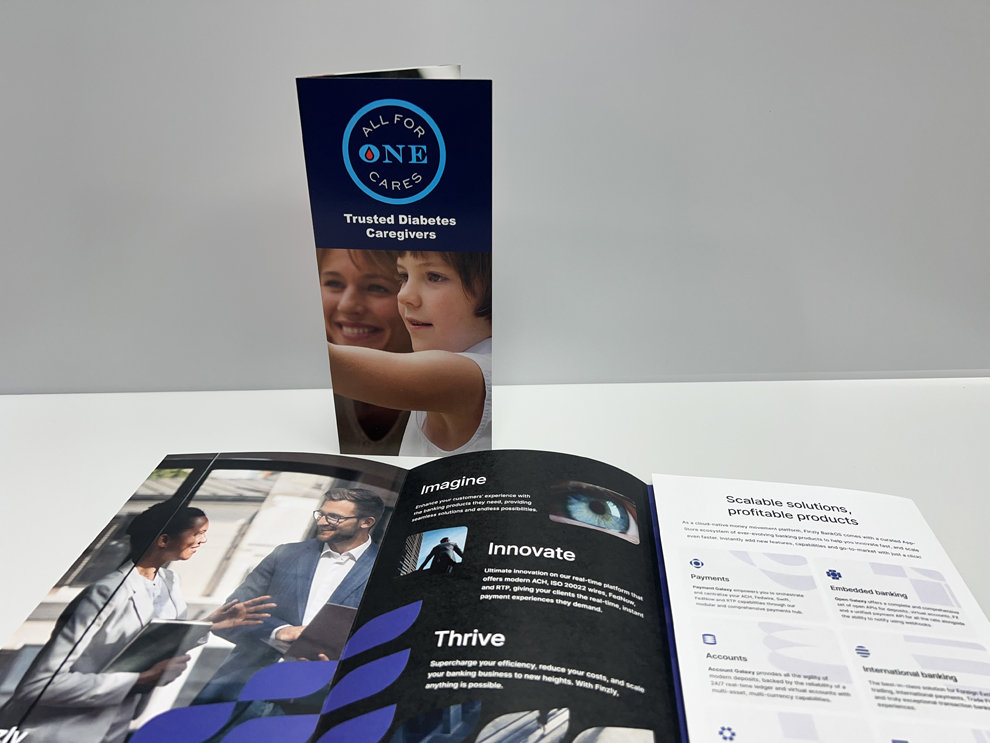
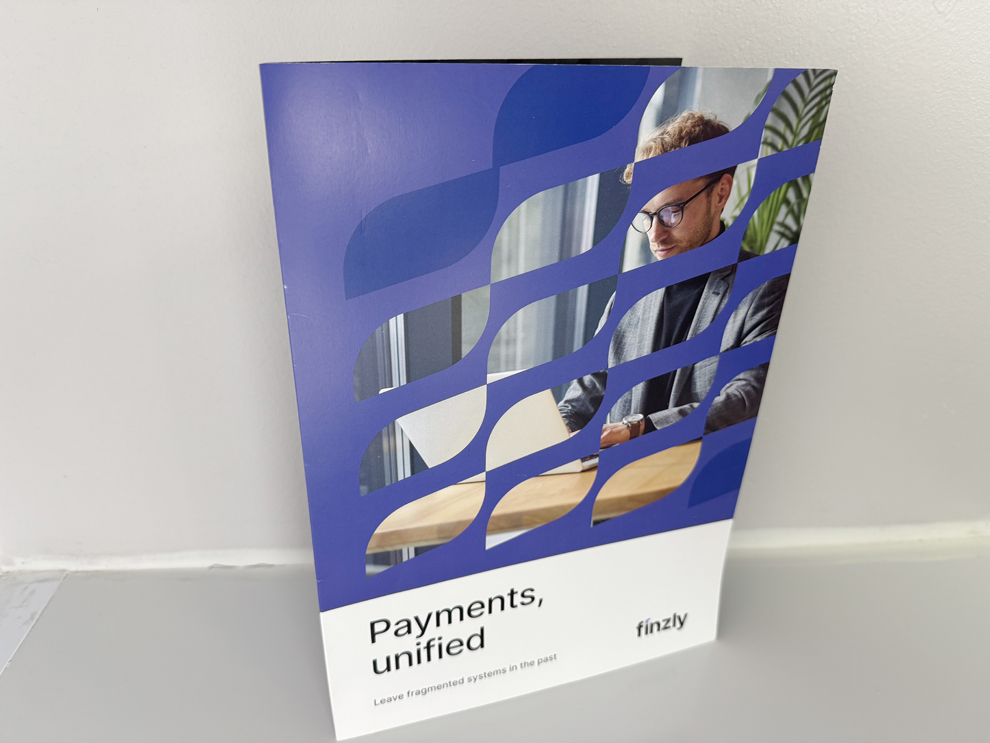
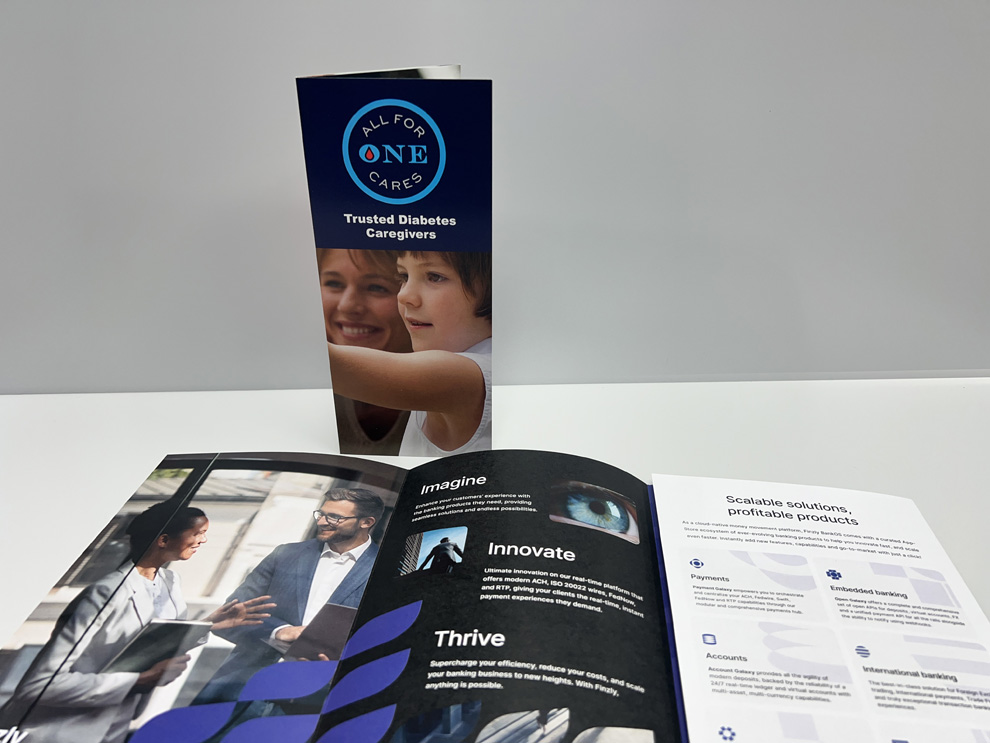
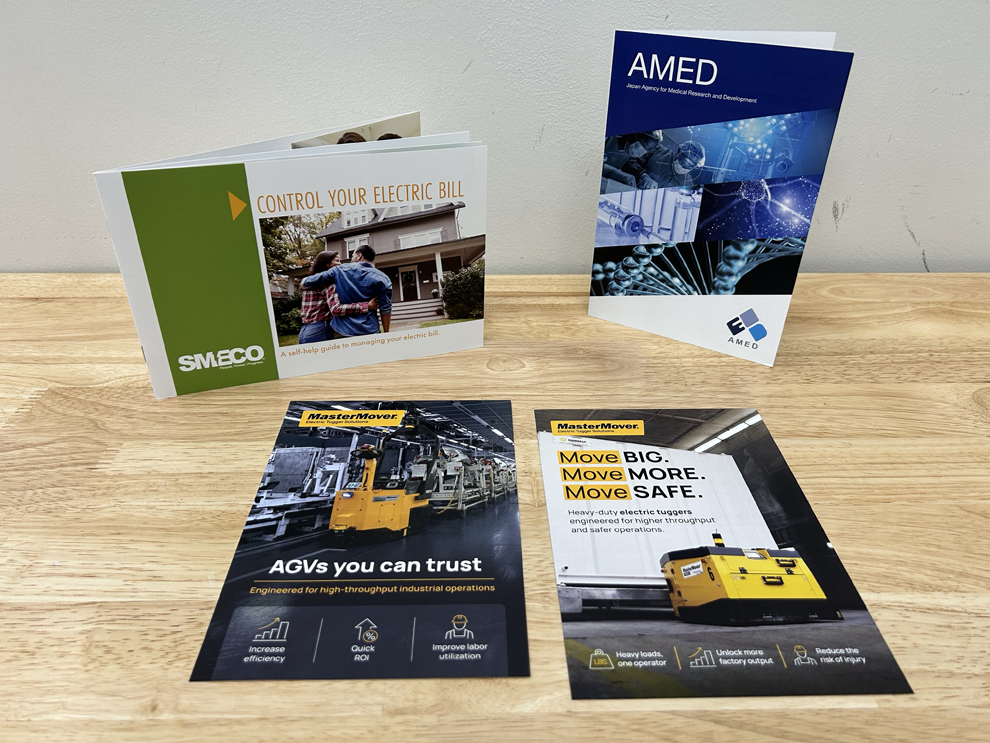
Folded pieces that organize service details, product information, or organizational introductions into panels readers can follow during and after a conversation.
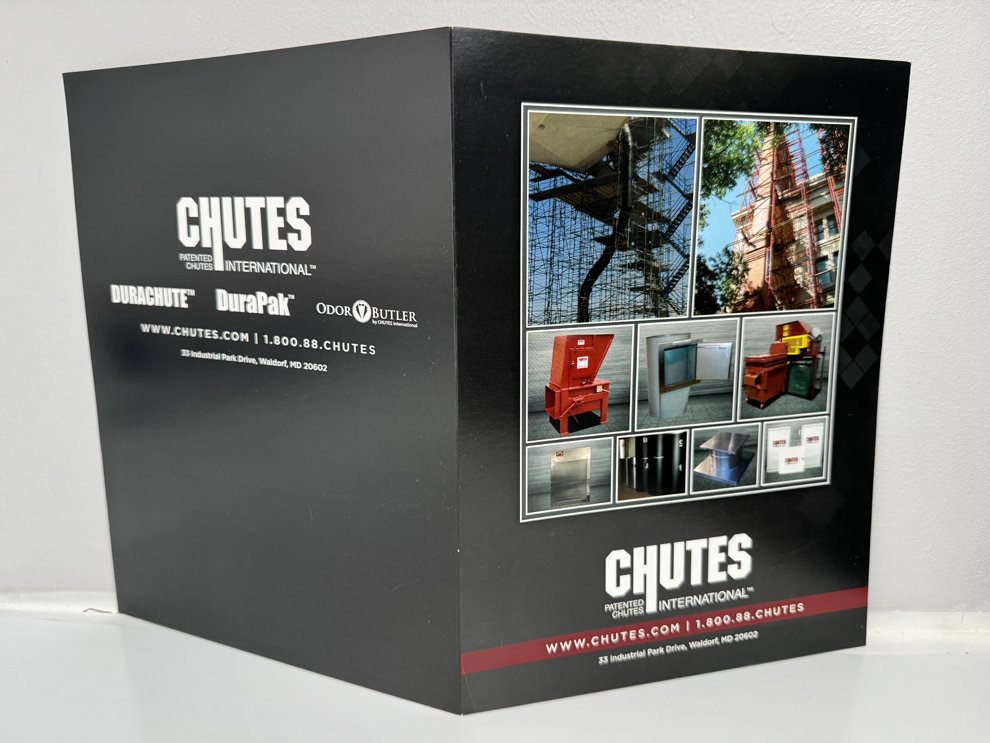
Printed folders for assembling proposals, reference sheets, and supporting documents into a cohesive packet without binding the contents together.
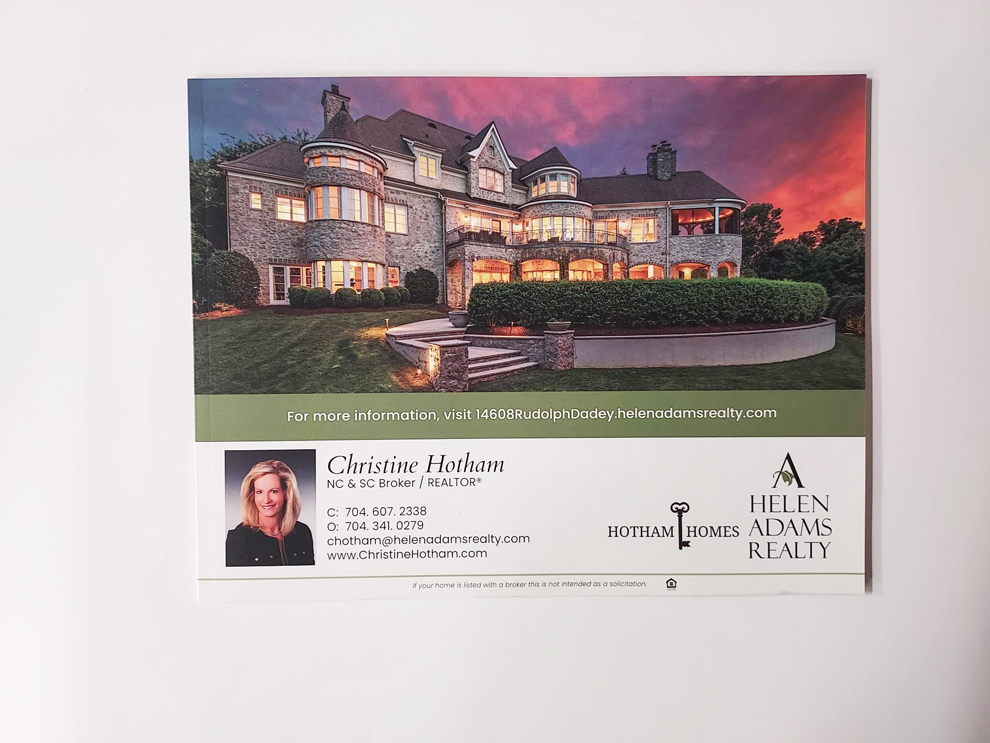
Production and mailing support for addressed outreach, with postal requirements, client-supplied recipient data, and handoff arrangements considered within the accepted scope.
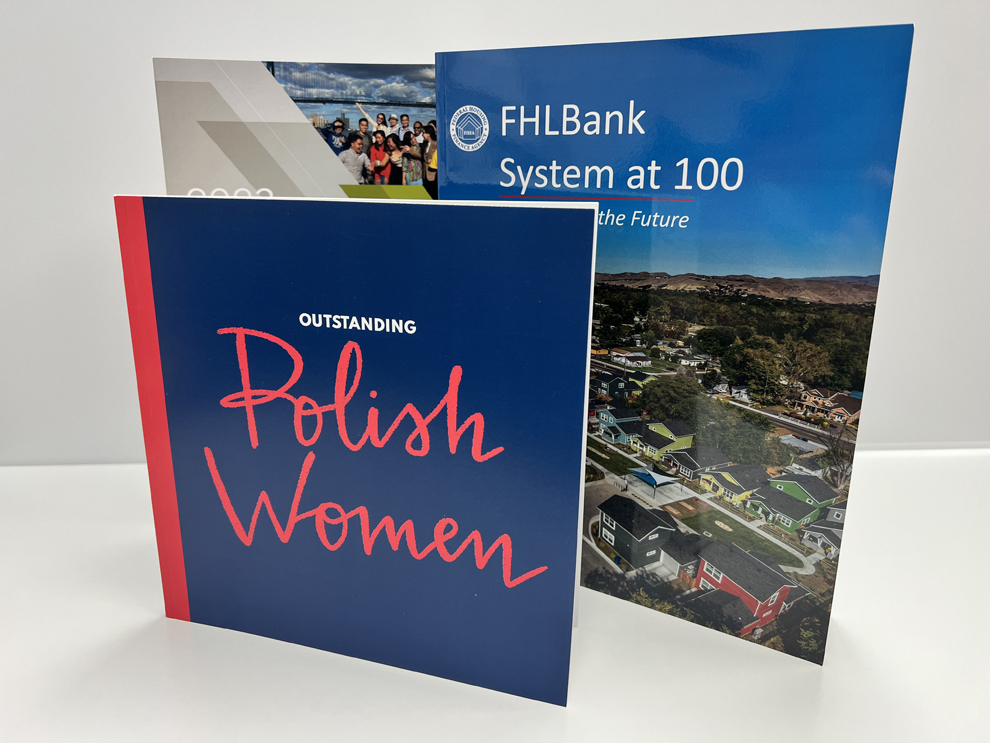
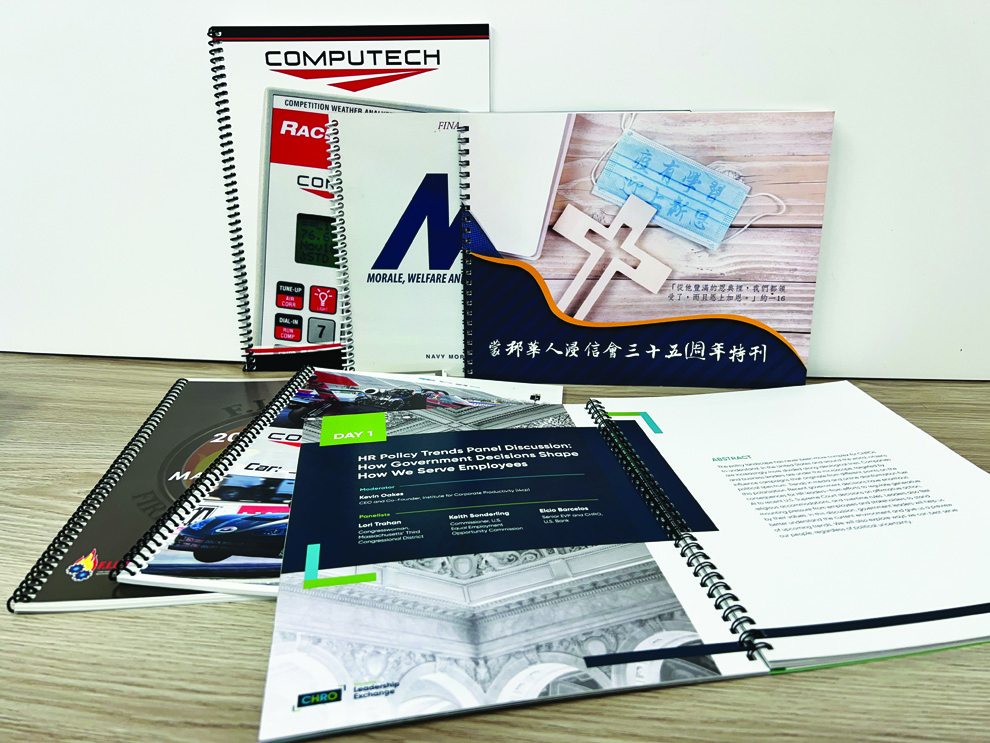
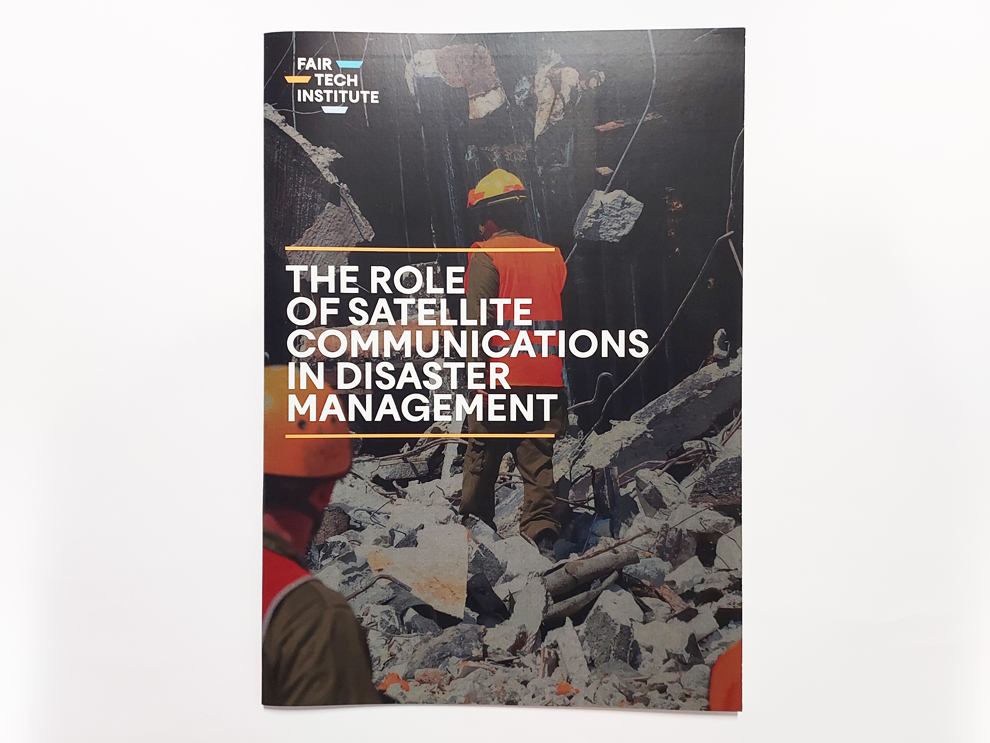
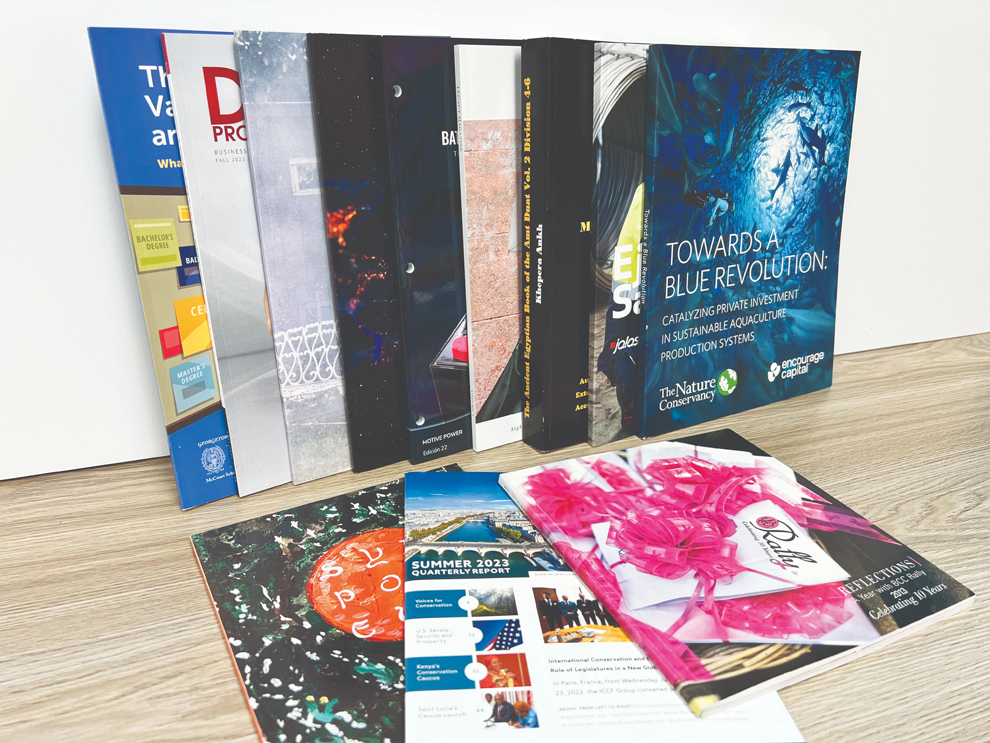
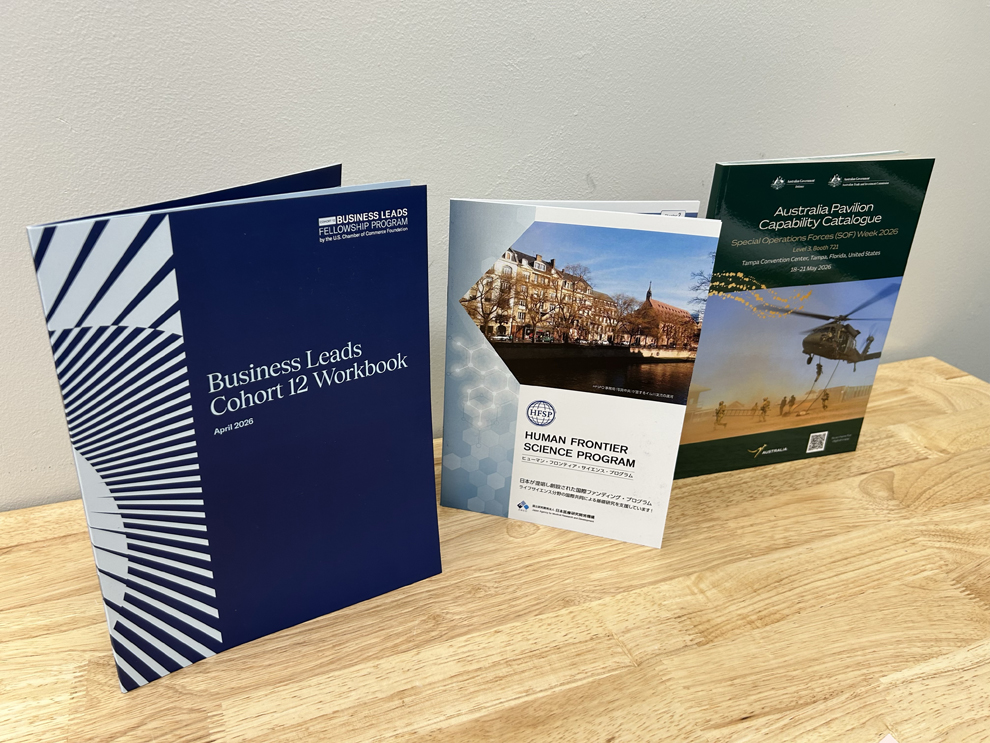
Bound, multipage materials for instructions, resource guides, and extended information that needs a readable sequence rather than a single sheet.
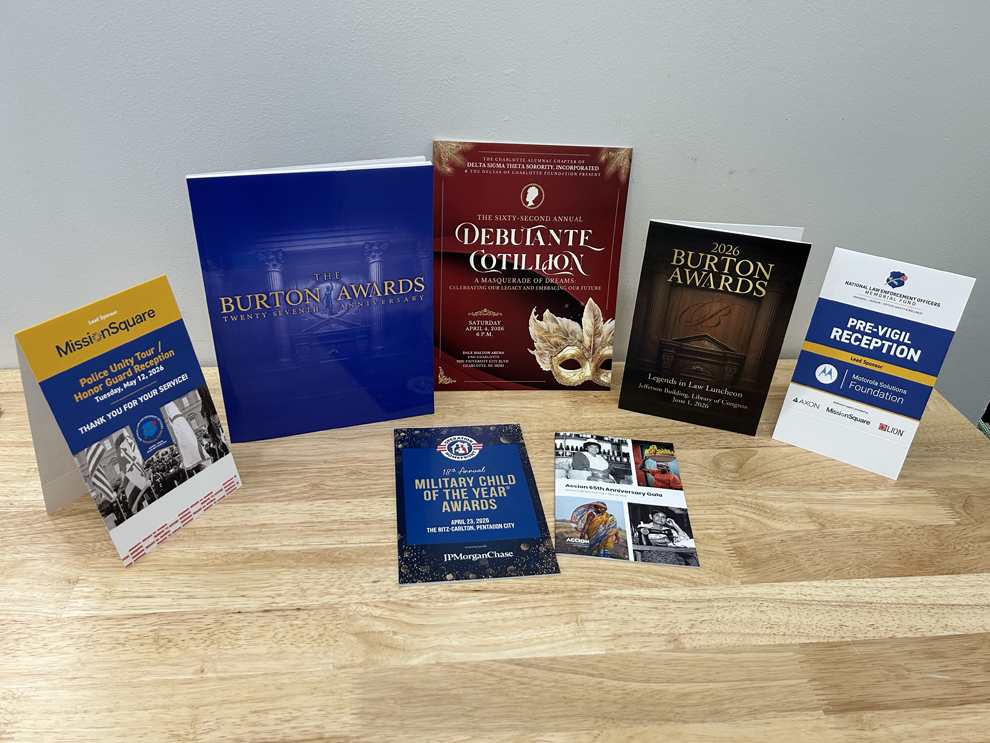
Scheduled-event publications that arrange agendas, participant information, acknowledgments, and other approved content for convenient reference during the occasion.
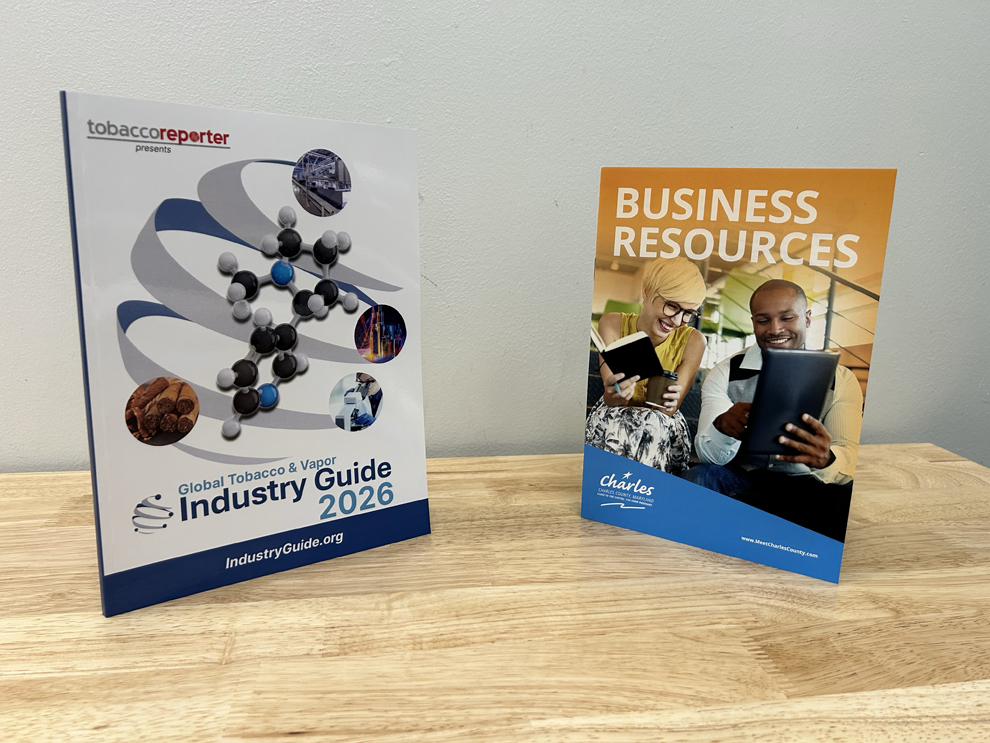
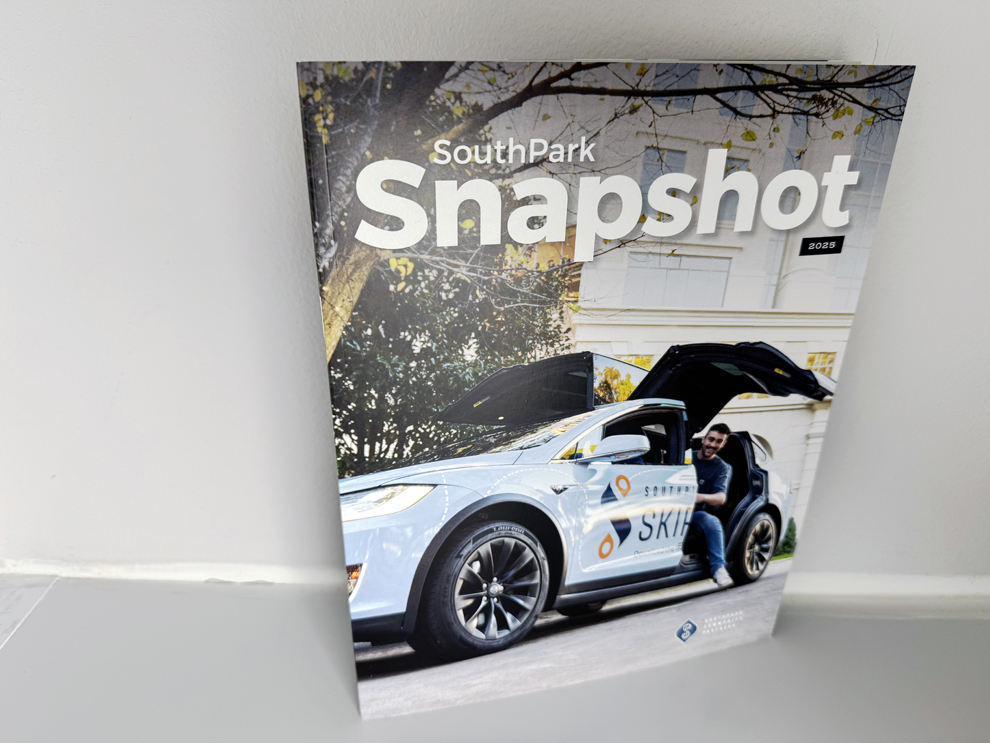
Recurring printed updates for members, donors, employees, or customers, with specifications that support a recognizable format from one edition to another.
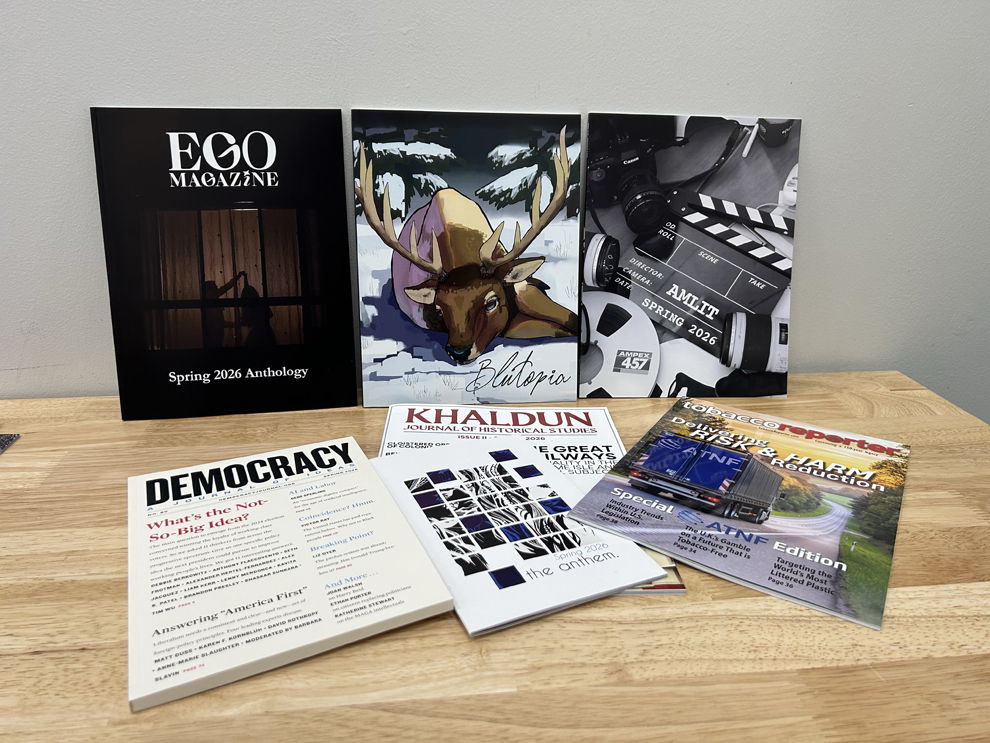
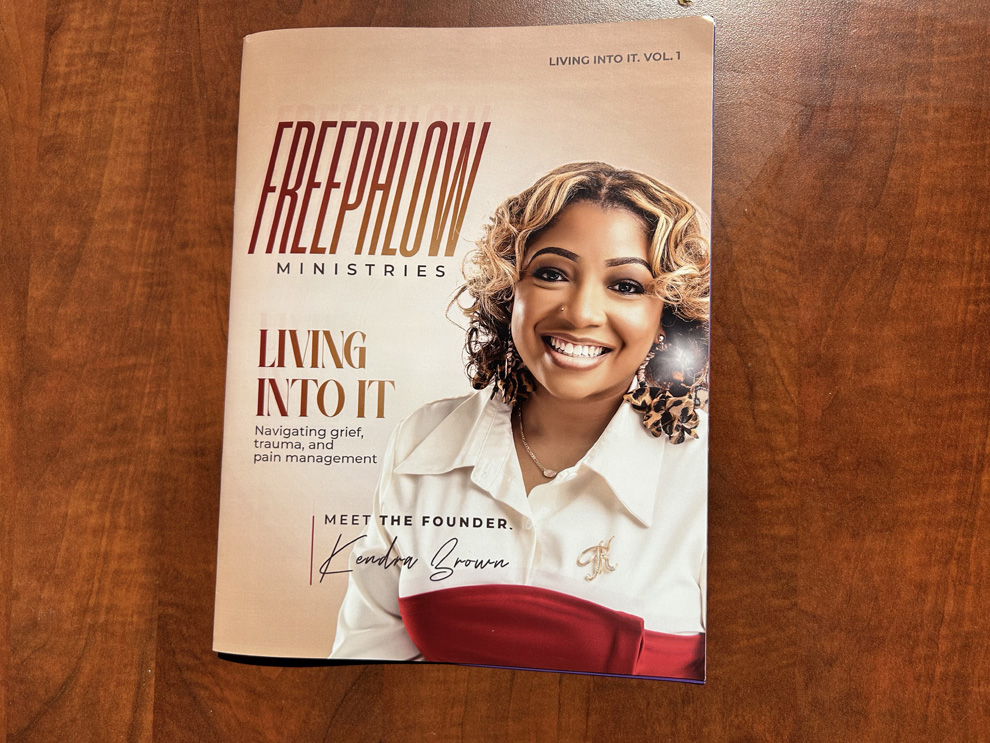
Issue-based publications combining articles and imagery, with paper, binding, page count, and distribution requirements planned around the intended readership.
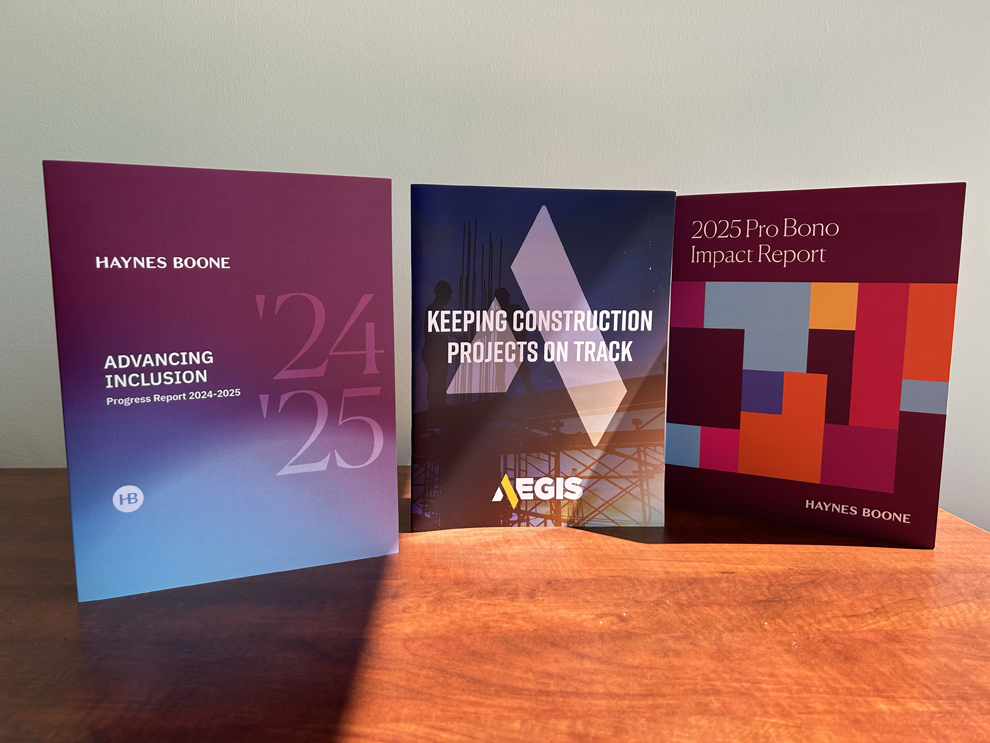
Yearly publications presenting organizational results, financial information, and stakeholder updates through a structured printed format suited to careful review.
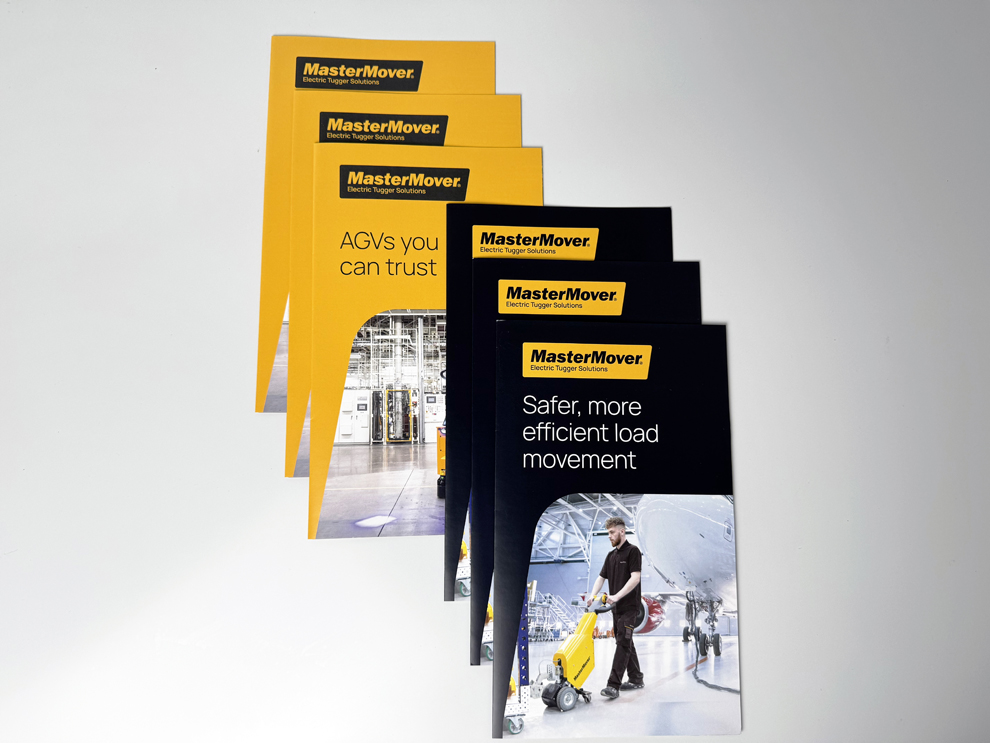
Brand continuity depends on controlled production decisions, not on specifying the same paper and finish for every item. A recruiting handout may need a lighter stock for convenient distribution, while a product sheet retained by prospective customers may benefit from a more substantial feel. For a Waldorf organization ordering both, the useful connection is a clear set of approved requirements that preserves recognizable content and color expectations while allowing each piece to serve its purpose. We can coordinate accepted quantities, dimensions, versions, and finishing requirements so differences remain deliberate rather than accidental. When departments need materials on separate schedules, identifying the approved file for each item and recording its destination helps prevent an outdated version from entering a later production run. Packaging and distribution instructions also matter, particularly when related pieces must be separated by audience or grouped into specific sets. This coordination gives the client a practical approval framework: each item has its own production requirements, but the collection reflects one established brand direction without requiring Heritage to develop the underlying campaign.
The Self-Directed Online Store is suitable when the required products are verified as live, the available specifications fit, and you have complete print-ready artwork. Eligible items may be combined into one order toward the $750 minimum for a new Commercial Printing opportunity.
A qualifying opportunity of $2,000 or more may use the Storefront Custom Quote form when the proposed production scope needs higher-touch support. Eligibility depends on the work and services required, not order value alone; a direct Project Coordinator relationship begins only after quote acceptance and formal order assignment.
Every Commercial Printing order requires client approval of an electronic proof before printing, regardless of ordering route.
Marketing materials are printed pieces used to communicate an approved offer, service, initiative, or organizational message to a defined audience. Typical examples include flyers, postcards, sell sheets, rack cards, inserts, and handouts used individually or together. This category addresses collateral production; formats with specialized folding, binding, or publication requirements may be better addressed through their dedicated product pages.
Yes. A single printed piece can qualify without being part of a coordinated set, provided the order meets the applicable production requirements and the $750 minimum for a new Commercial Printing opportunity. A standalone handout or sell sheet still requires clear specifications, suitable supplied artwork, and electronic proof approval before printing.
Yes. Multiple pieces can be coordinated when their requirements are included in the accepted production scope. Identify the quantity, specifications, approved artwork, required date, and distribution instructions for each item so related materials remain organized; differences in format or schedule do not prevent them from supporting the same initiative.
Expect color to be managed against the supplied artwork and applicable approved references, while recognizing that paper, coatings, and production methods influence appearance. Matching a color across unlike stocks does not necessarily produce an identical visual result. For qualifying Custom Quote work, an optional paid Physical Production Color Proof can establish the controlling physical reference after approval.
Yes. Related pieces may use different stocks and finishes when those choices suit their handling, lifespan, and distribution requirements. For example, a frequently handled reference sheet and a high-volume outreach insert may need different specifications; production planning should account for how those differences affect appearance, usability, and the accepted schedule.
Production-oriented assistance may be available through qualifying Custom Quote work when completed or substantially complete content needs preparation for printing. Accepted support can include sizing, layout adjustments, file preparation, or version changes, with the required work defined in the scope. Self-Directed Online Store purchases require complete print-ready artwork and do not include design or layout development.
Yes. Every Commercial Printing order, including a Self-Directed Online Store purchase, requires electronic proof review and approval before printing. Review the supplied content, spelling, layout, version, and other shown details, and confirm the associated order specifications; an electronic proof is not a controlling physical color reference or a guarantee of printed color.
Consider a Physical Production Color Proof when color is important enough to require an approved physical production reference. Available only for qualifying Custom Quote Commercial Printing work of $2,000 or more, it carries an additional fee and extends the schedule. It uses the intended production printer and paper or material and becomes the controlling physical color reference after approval; it is not available through Store purchases.
Provide clearly identified artwork and a version schedule showing the quantity and destination for each variation. Heritage can coordinate accepted versions when changes such as contact details, offers, or audience-specific content are documented. The client should check each electronic proof independently, since approval of one version does not establish that another version contains the correct information.
Yes, mailing, packaging, shipping, or delivery may be included when appropriate and expressly covered by the accepted scope. Requirements depend on the materials, destinations, and accurate client-supplied data, including recipient information where mailing is involved. Production and postal handoff can be planned, but a USPS handoff date does not guarantee a recipient delivery date.
Yes. Eligible products that are live and orderable through the Self-Directed Online Store may be combined toward the $750 minimum total for a new Commercial Printing order. Each item must fit the available selections and have complete print-ready artwork; combining products does not add assigned coordination, file development, or a Physical Production Color Proof.
Use the Storefront Custom Quote form for a qualifying opportunity of $2,000 or more when the proposed work requires higher-touch production support. Possible needs include coordinated versions, production file adjustments, color-sensitive requirements, or accepted fulfillment services. Reaching $2,000 does not require switching from eligible Store ordering, and form submission does not establish acceptance, pricing, capacity, or a production commitment.
A direct Project Coordinator relationship begins only after the quote is accepted and the order is formally assigned. Before that point, submitting a Custom Quote form initiates evaluation rather than an assigned production relationship. Once assigned, the coordinator supports communication about the accepted requirements; this service is not included with Self-Directed Online Store purchases.
Use a dedicated product page when a particular format determines the production questions. Brochures address folded pieces, Presentation Folders address document organization, and Booklets address bound content; Event Programs, Newsletters, Magazines, and Annual Reports address their respective publication needs. Choose Direct Mail Services when addressed distribution is central, and Marketing Materials when standalone collateral or coordination across pieces is the primary requirement.
Provide the required completion or distribution date, quantities, specifications, artwork status, and destination before production planning begins. Include internal approval steps, version requirements, packaging needs, and any requested physical color proof so their timing can be considered. Heritage evaluates the requirements and communicates what the accepted production path can support, without making blanket rush or delivery promises.
No. Clients provide the campaign strategy, brand direction, audience decisions, offer, and completed or substantially complete copy and artwork. Heritage executes the accepted print-production scope; qualifying Custom Quote support may prepare supplied files, layouts, sizes, and versions for production, but it does not include advertising strategy, campaign development, or writing the client’s marketing content.
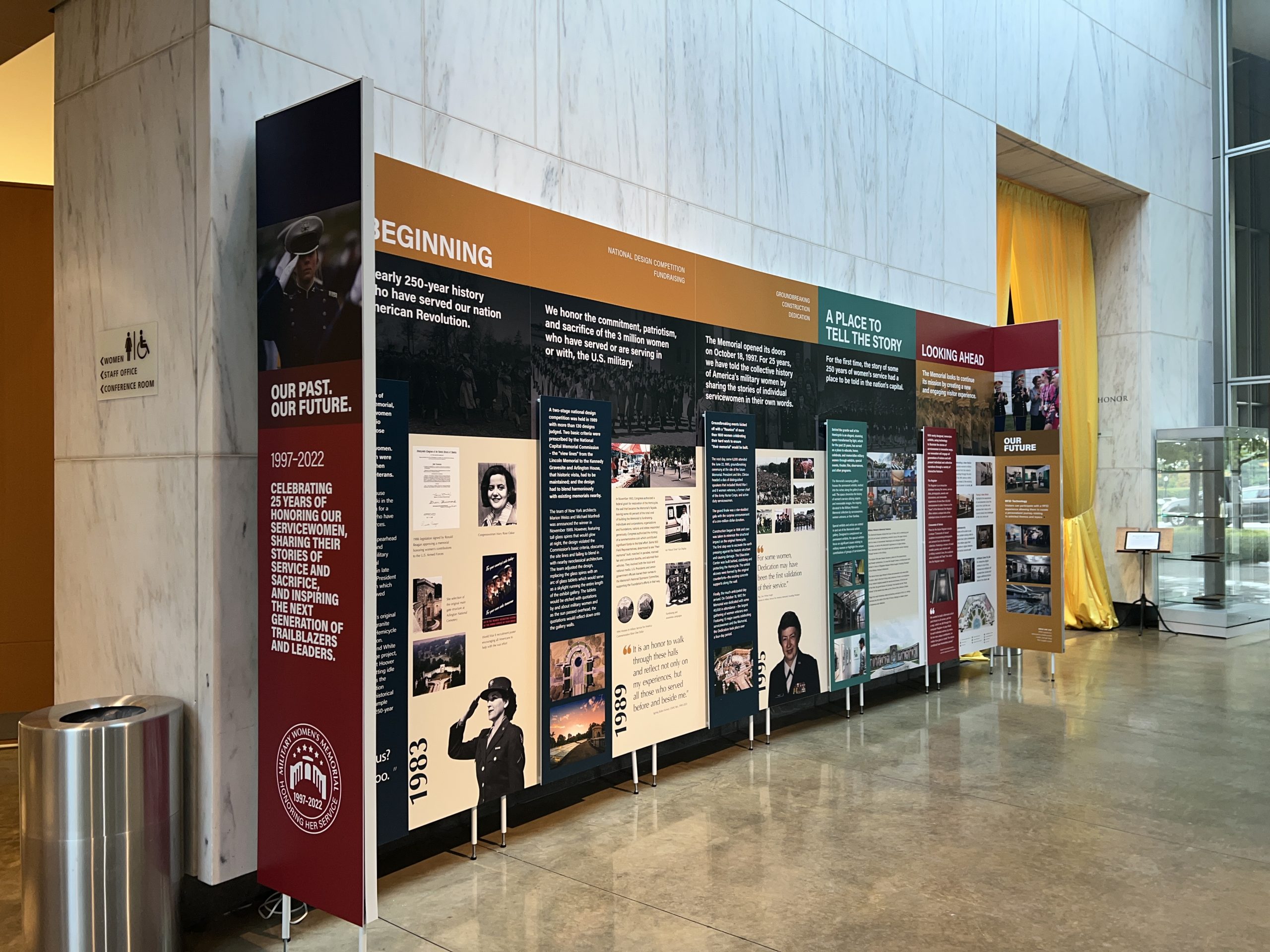
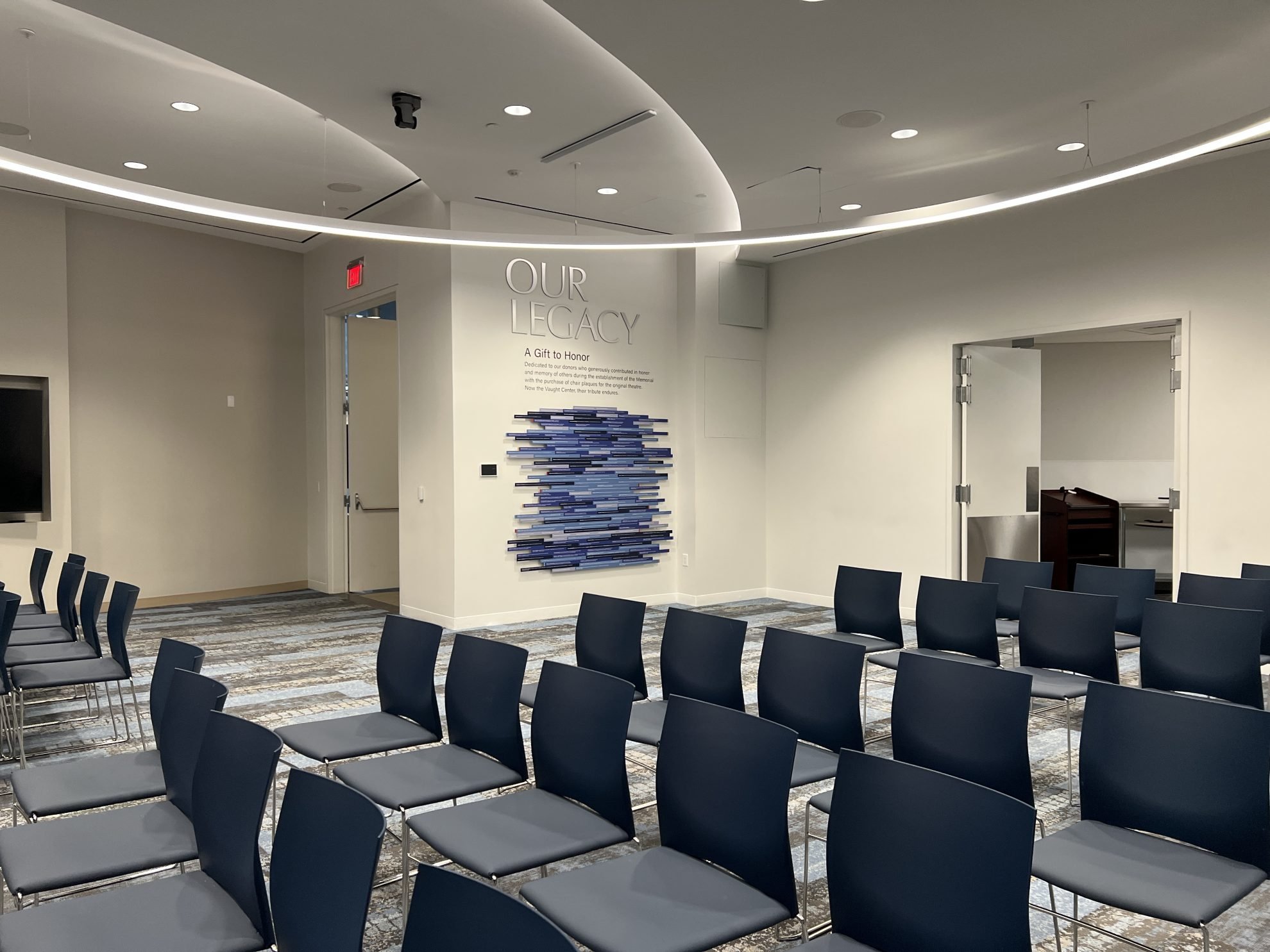
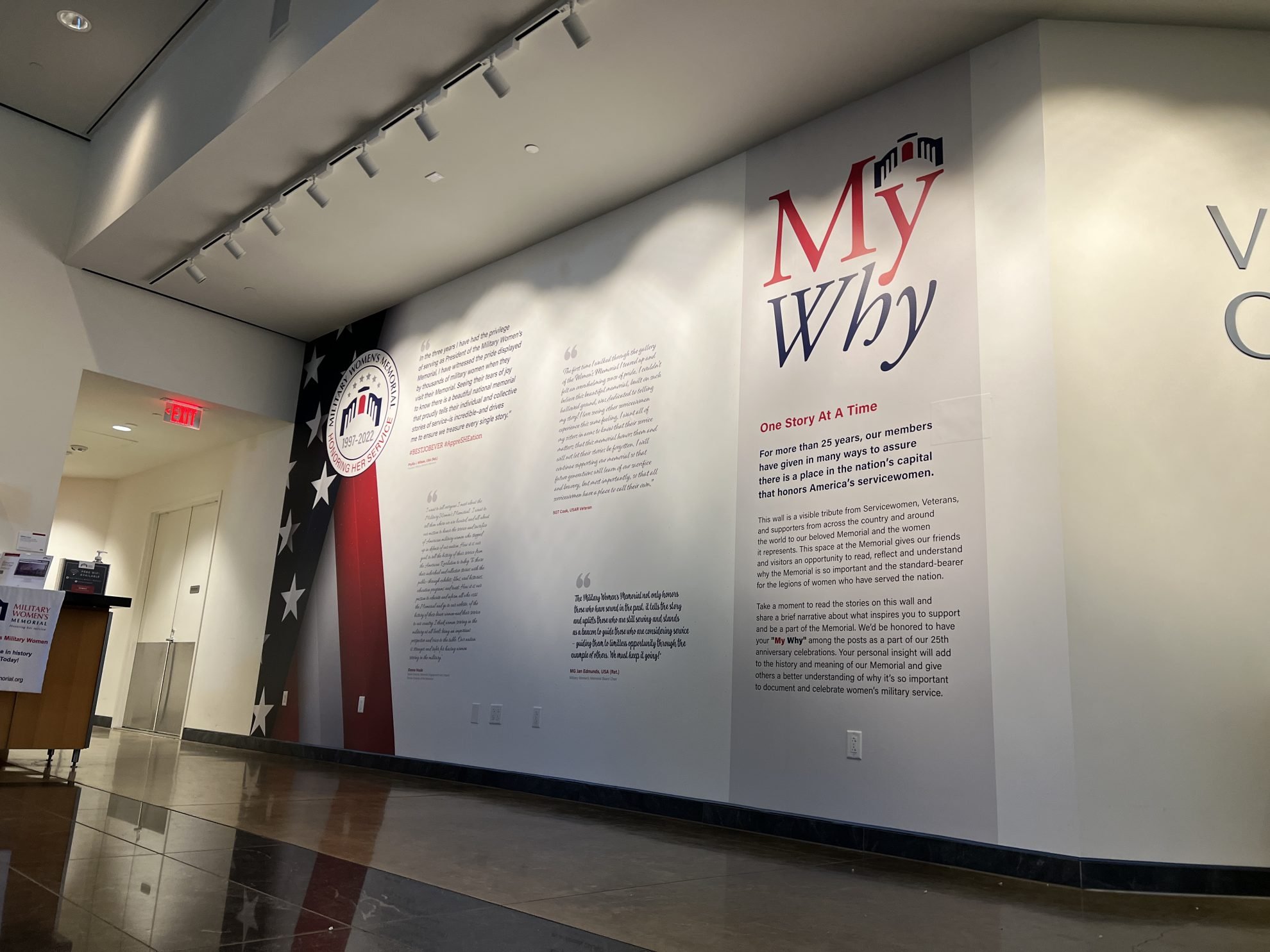
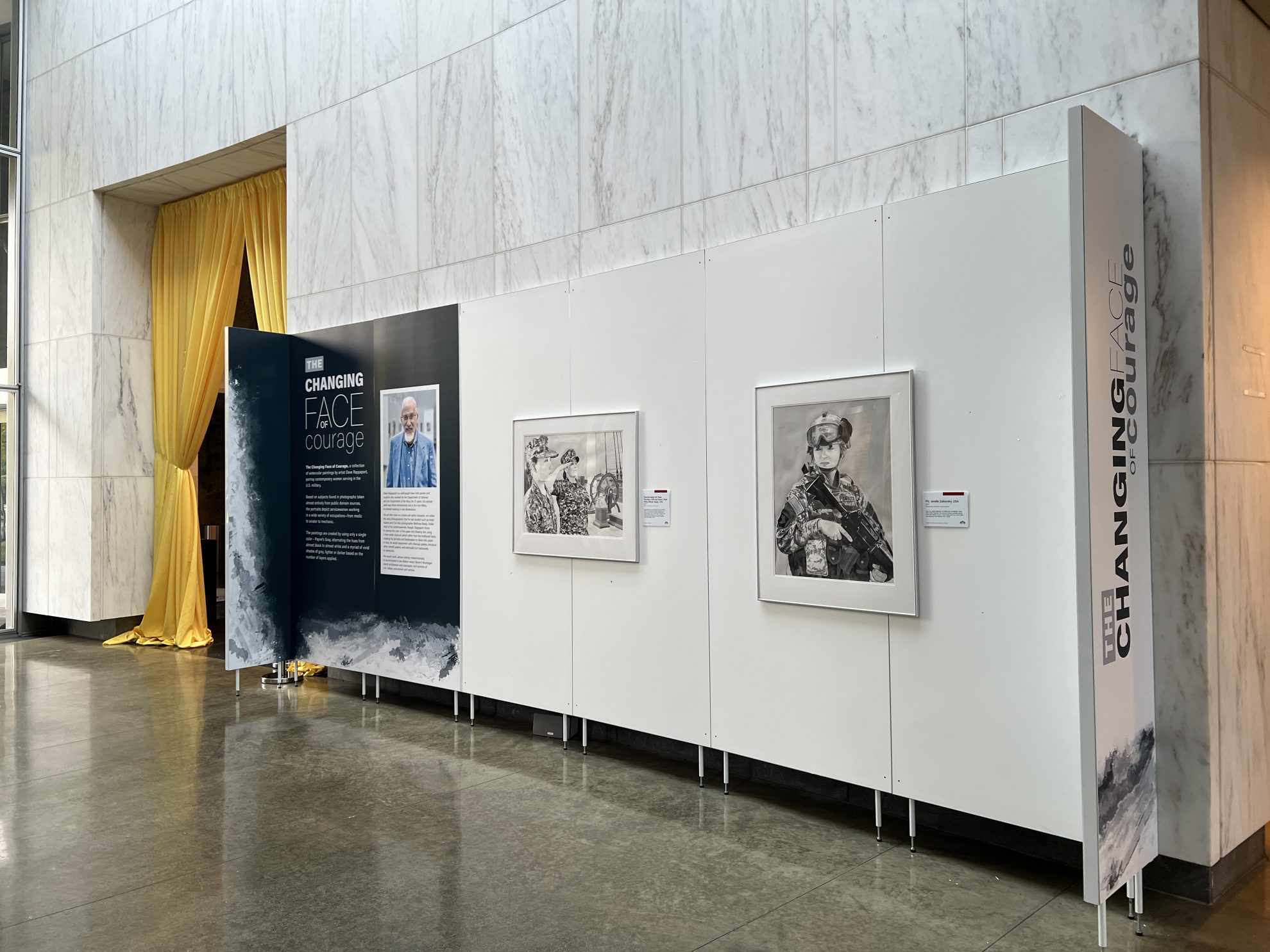
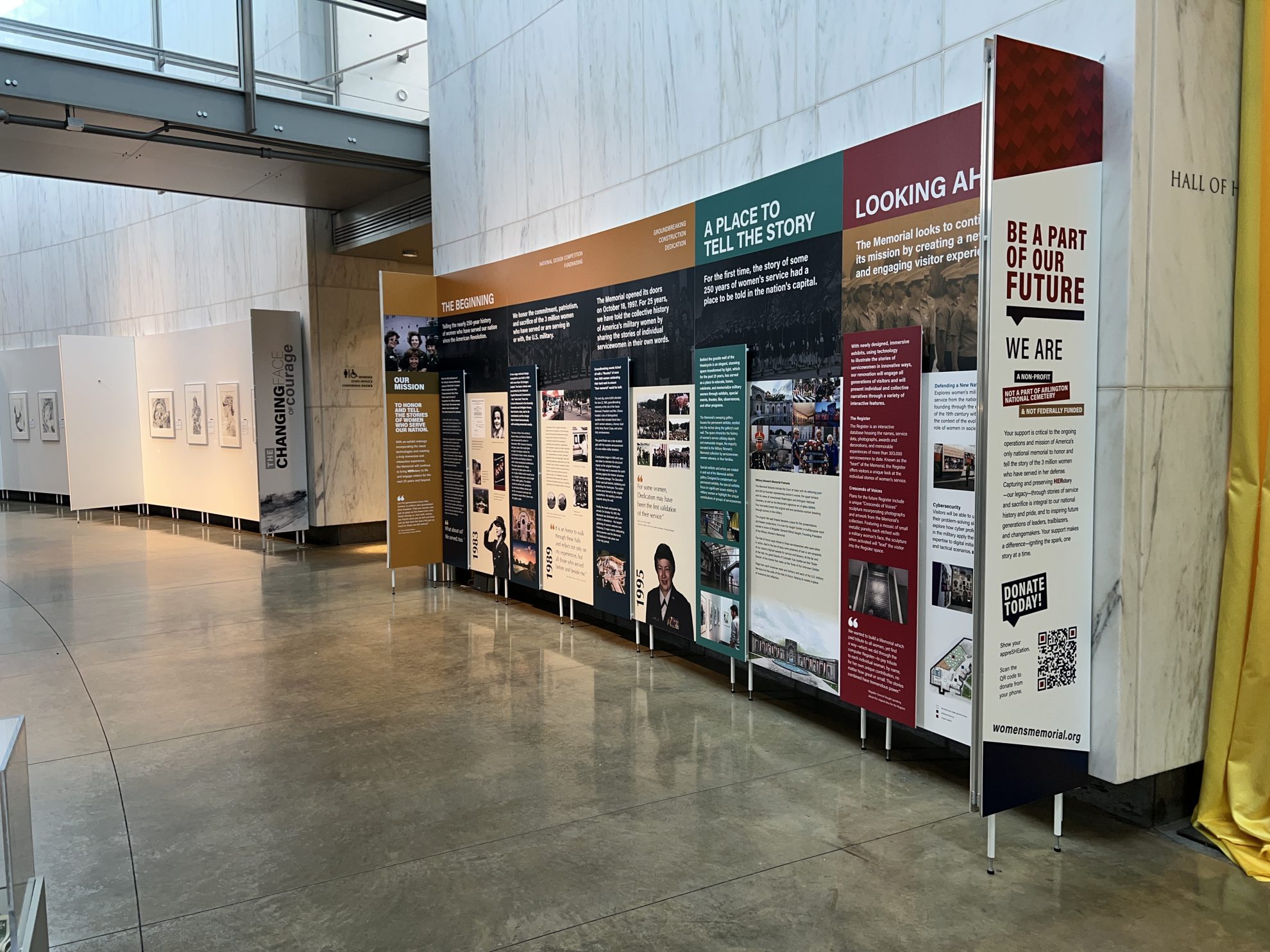
Heritage Signs & Displays created new museum signage for the Military Women’s Memorial in Arlington, VA. The project included custom signs, wall wraps, dimensional letters, and standoff-mounted displays to honor the legacy of U.S. servicewomen and the donors who supported the memorial. The updated interior features impactful designs, including a "Our Legacy" wall display and panels showcasing historical contributions and artwork, creating a transformative tribute to women in the U.S. Armed Forces.
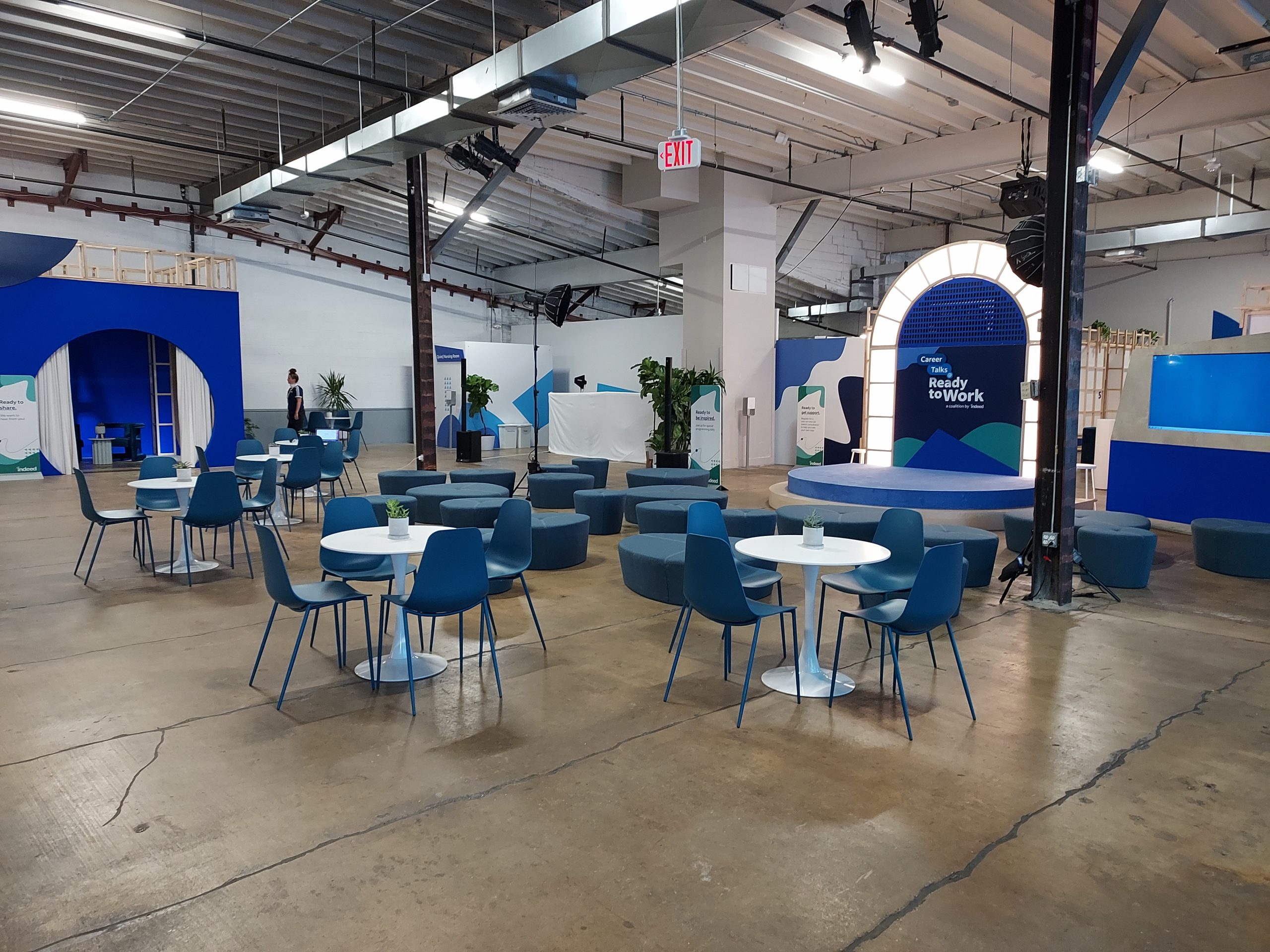
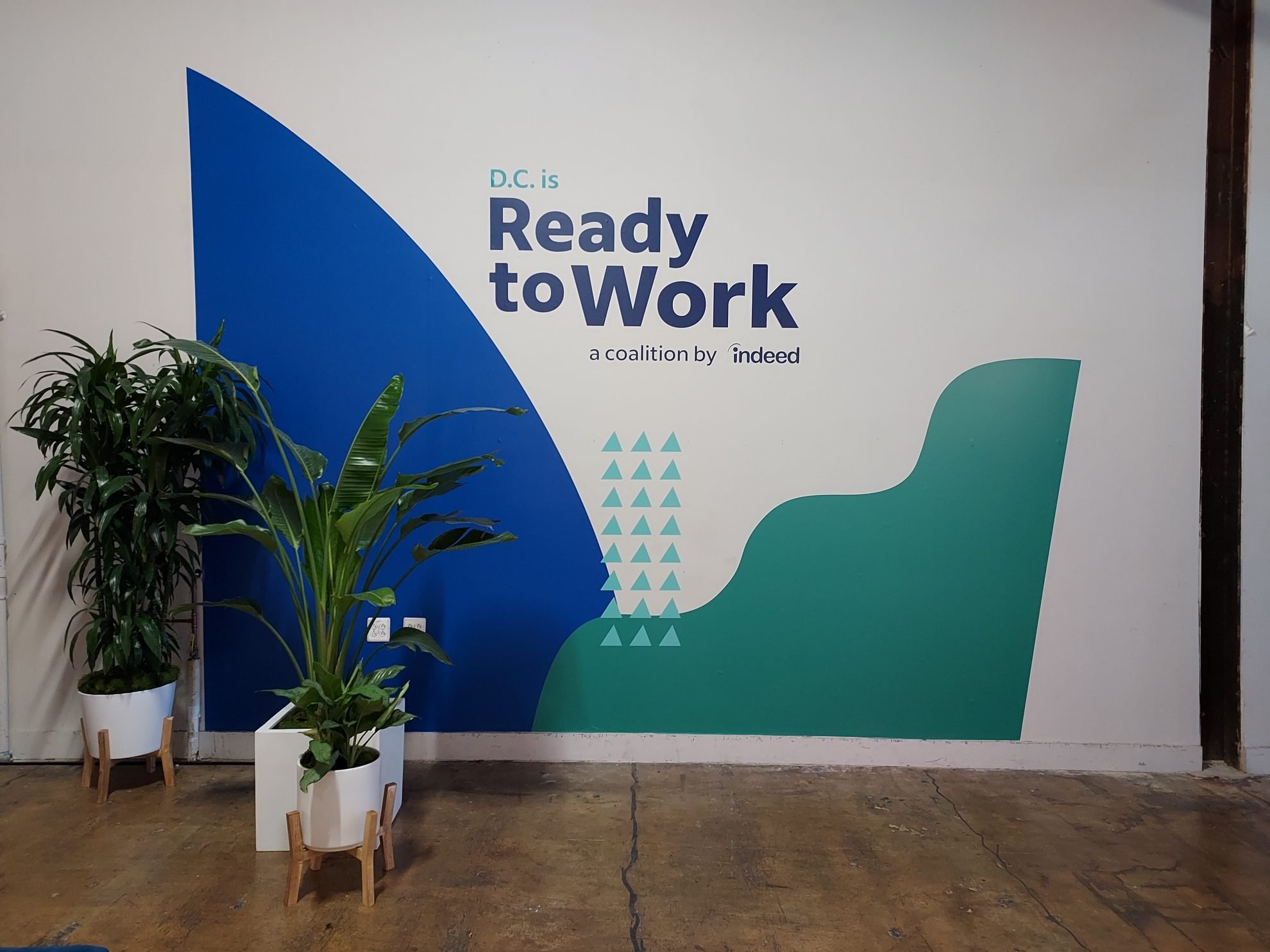
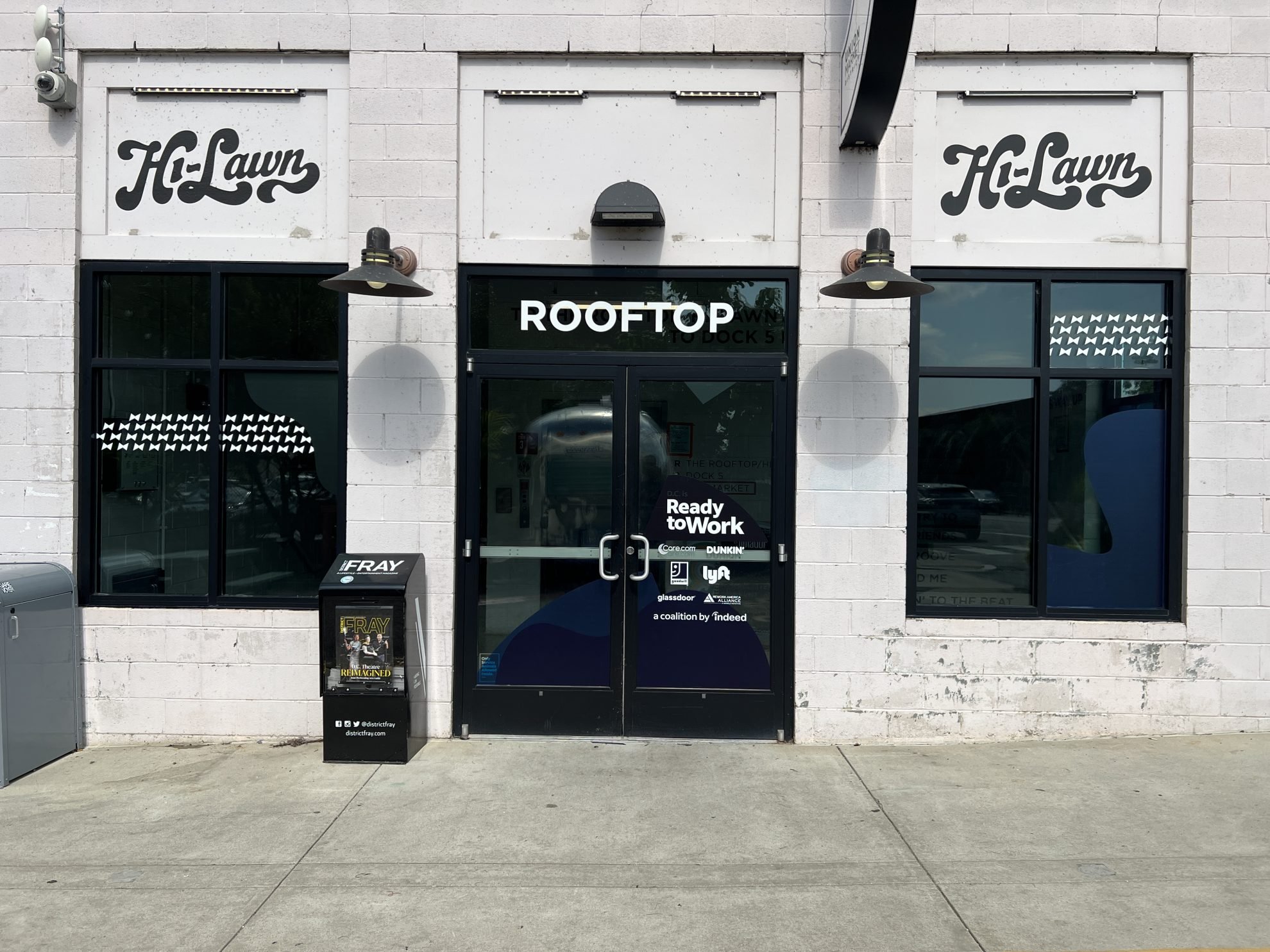
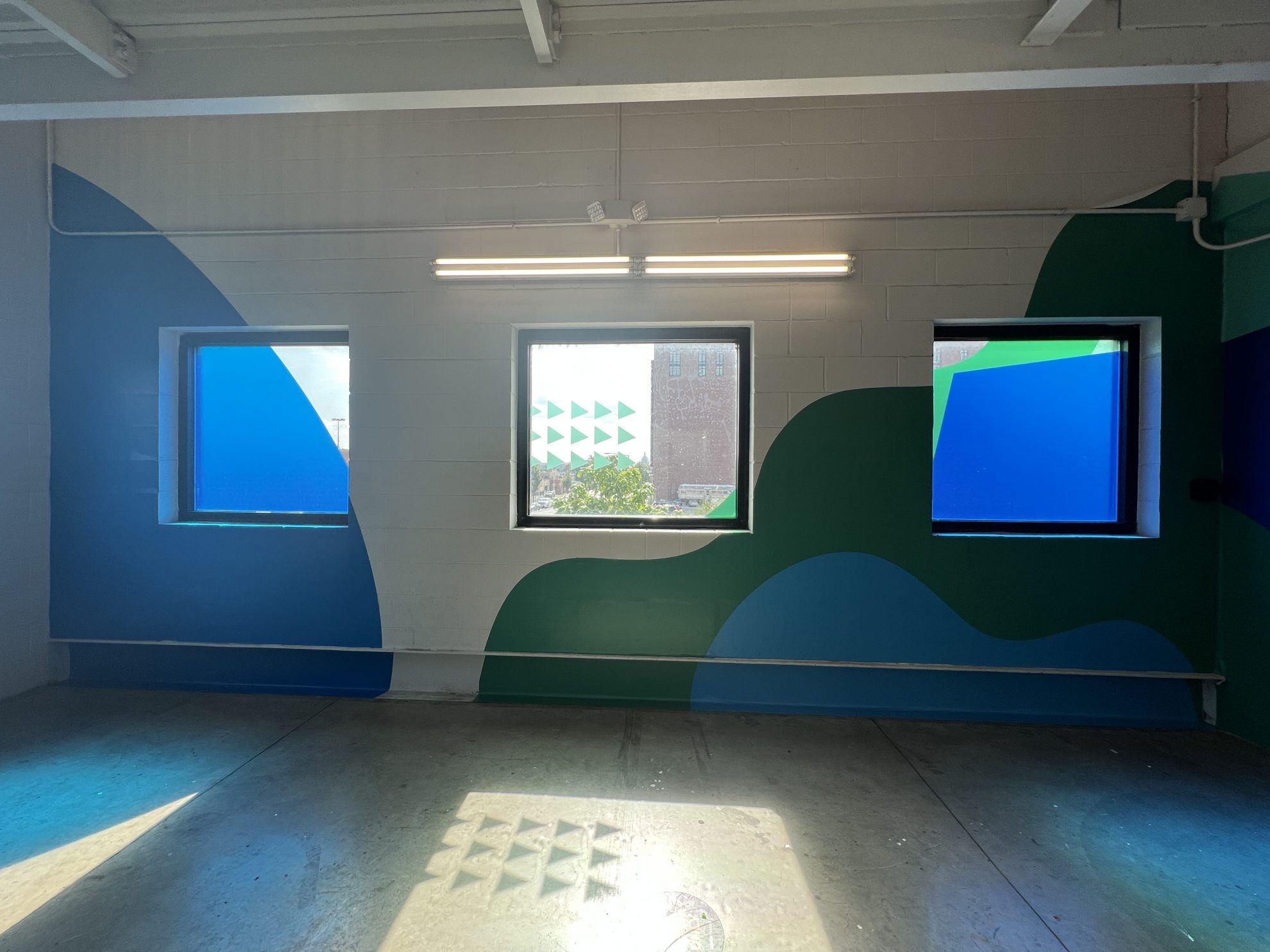
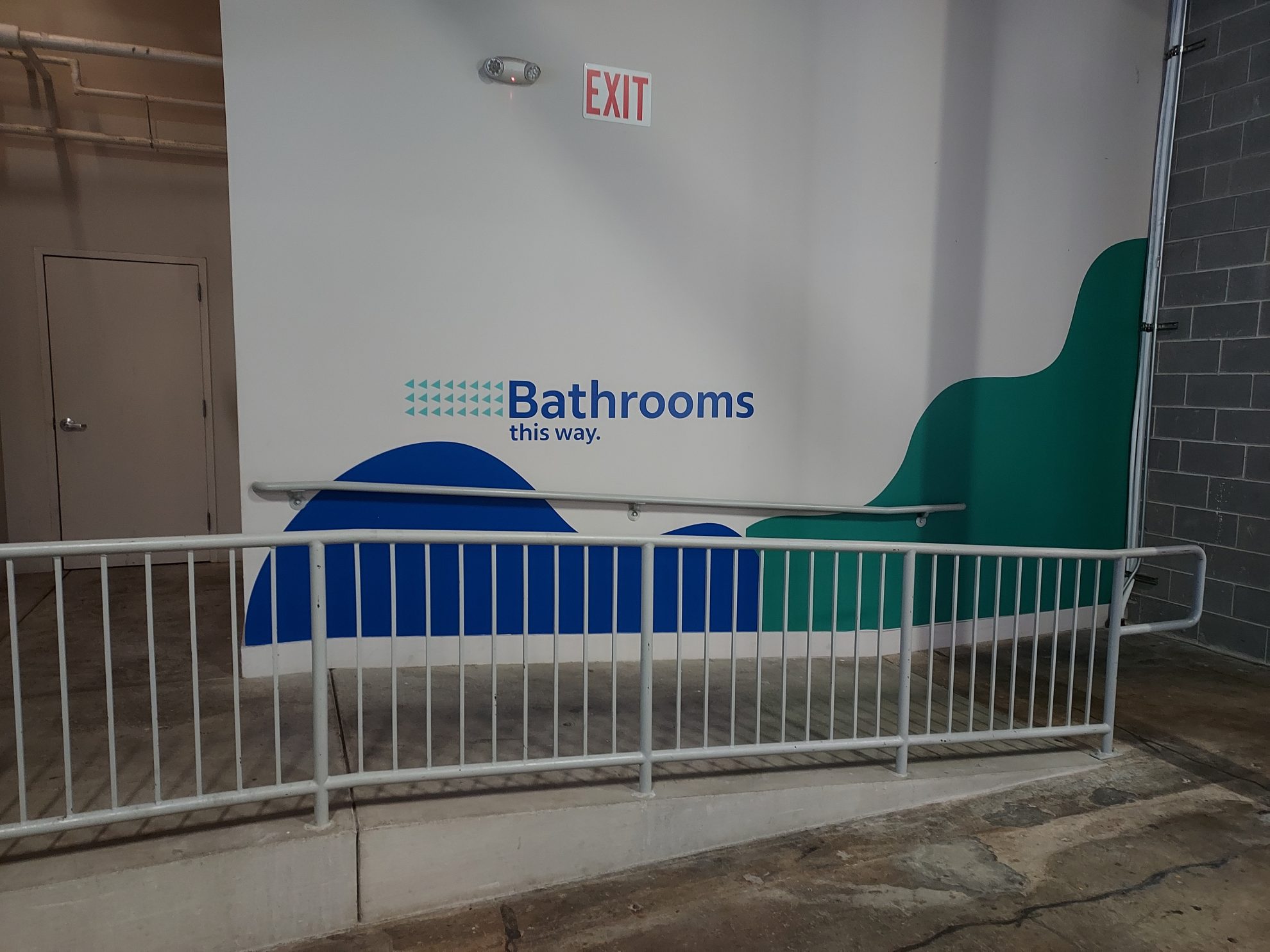
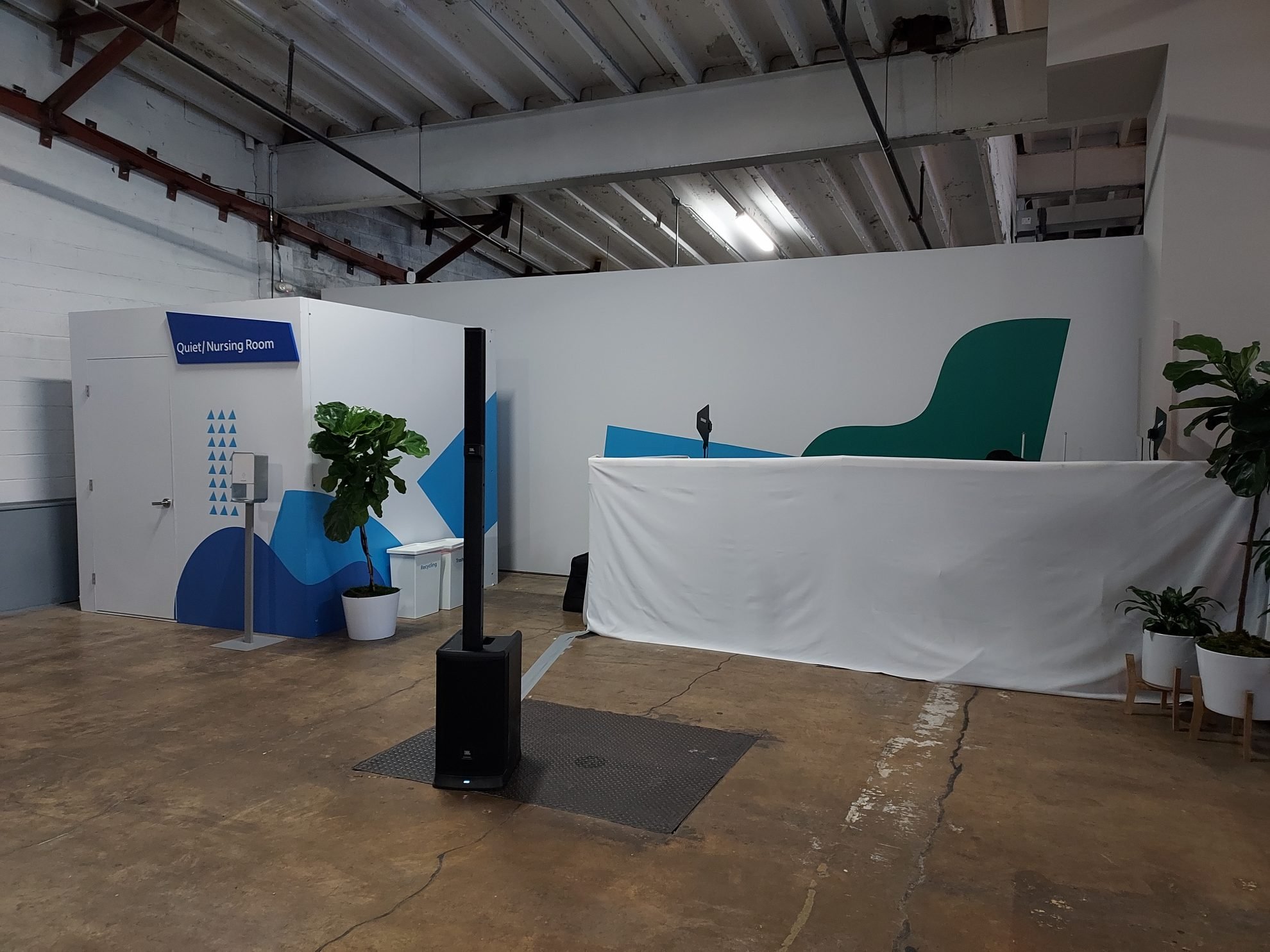
Heritage Signs & Displays' collaboration with The Gathery to brand Union Market in Arlington, VA, for Indeed's "Ready to Work" job fair. The project included custom event displays, wall graphics, window graphics, and wayfinding signs, creating an immersive and visually appealing environment. The branding enhanced the venue, reflected the event's mission, and provided a seamless experience for attendees.