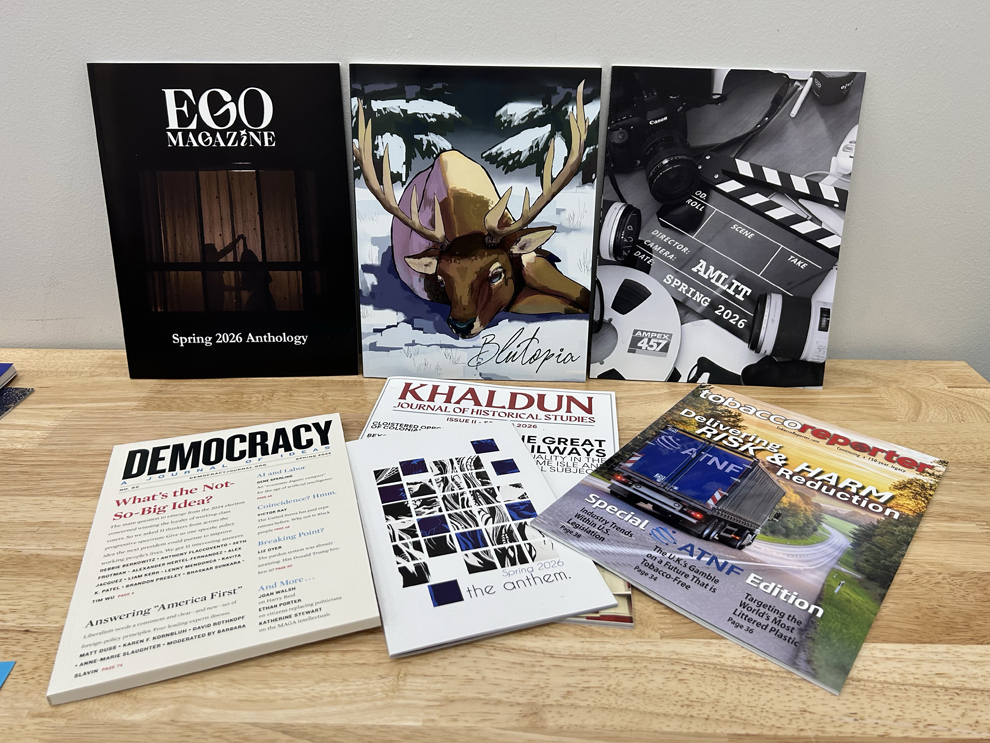
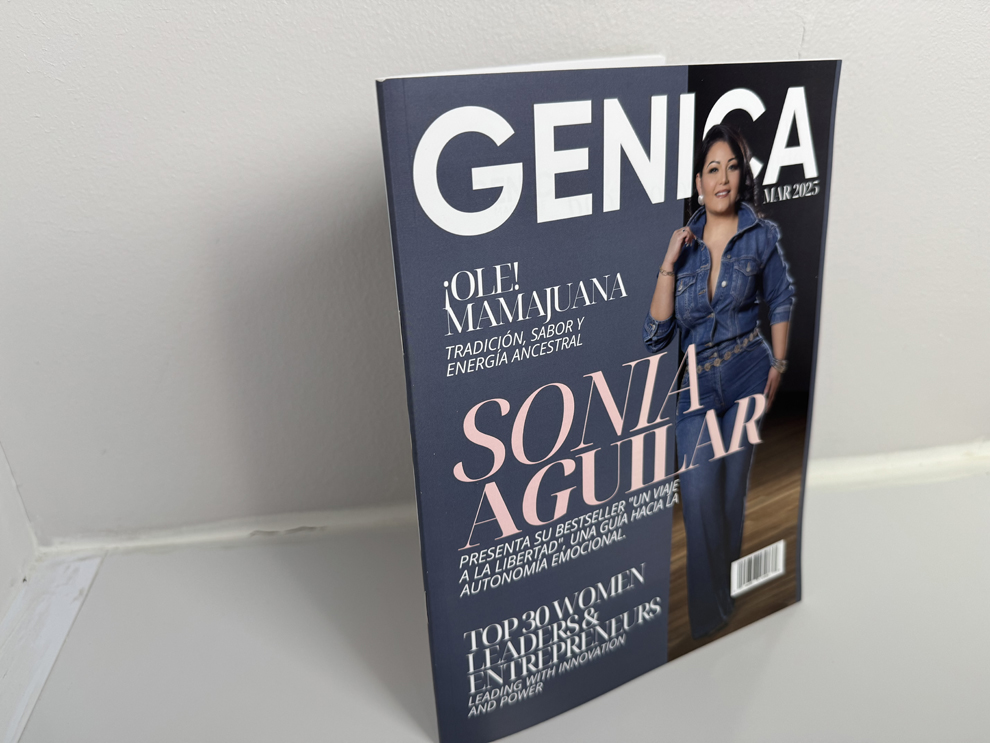
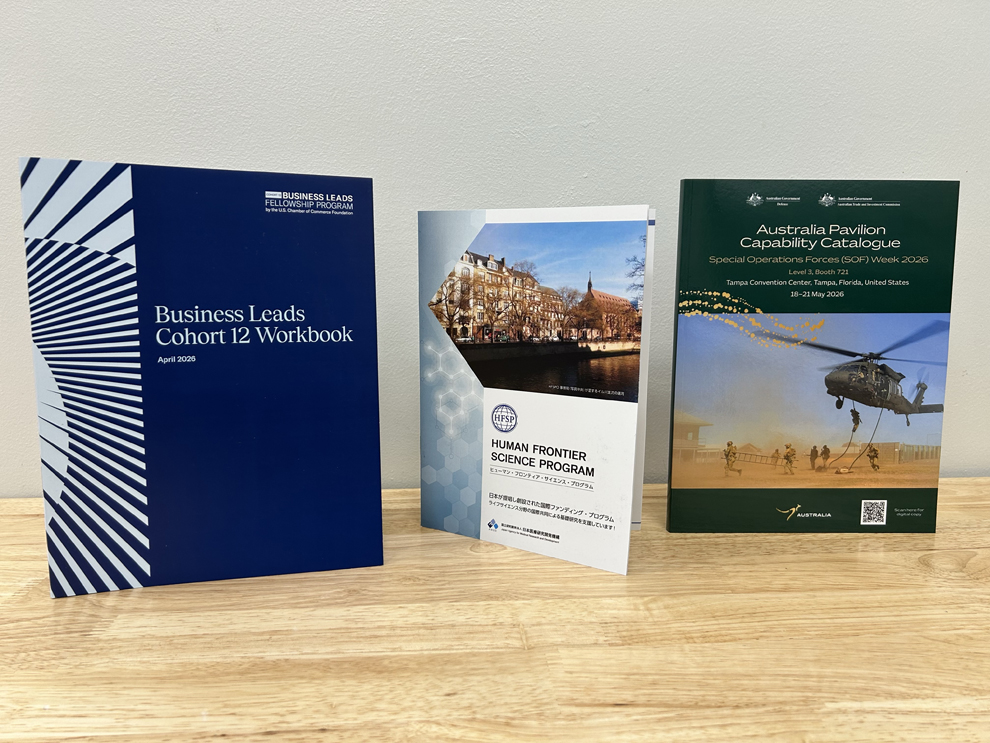
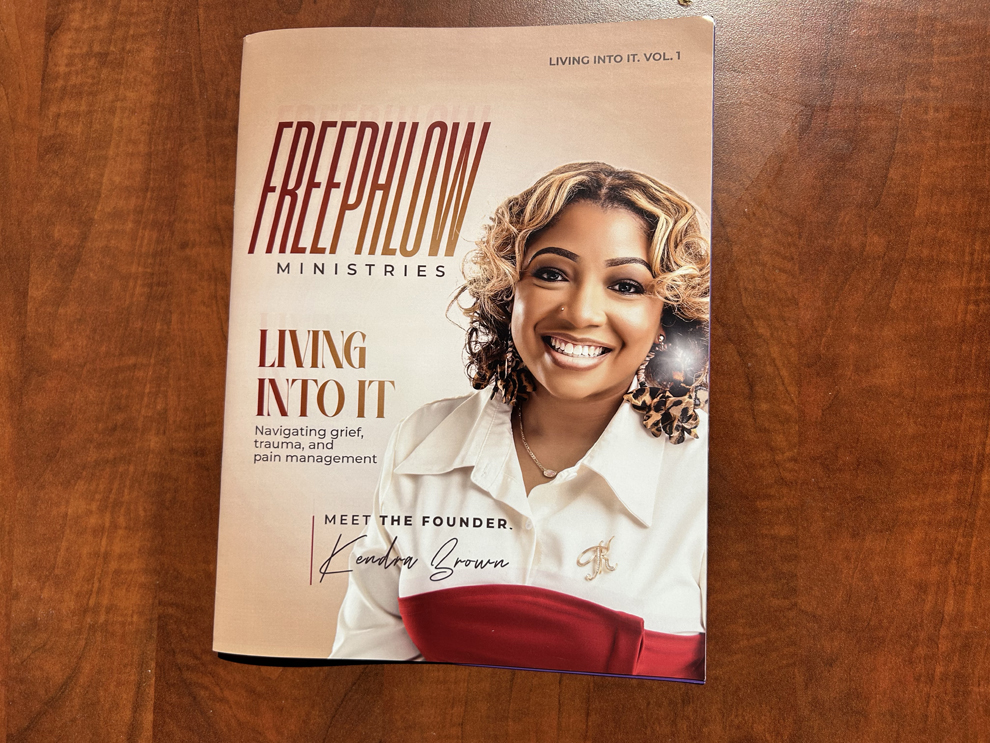
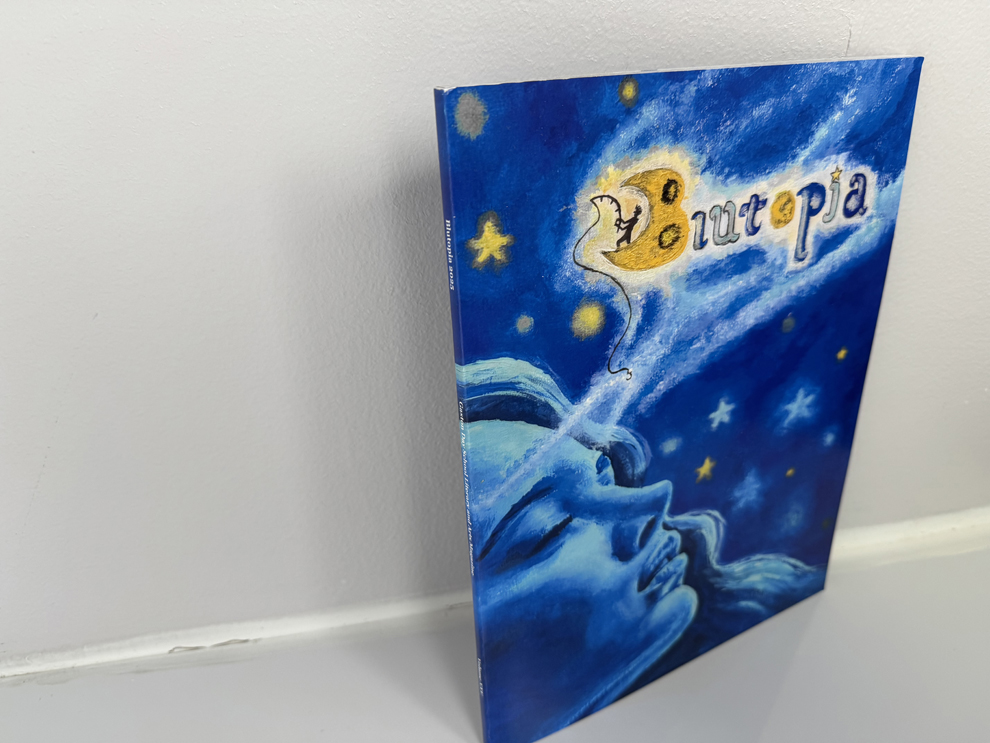
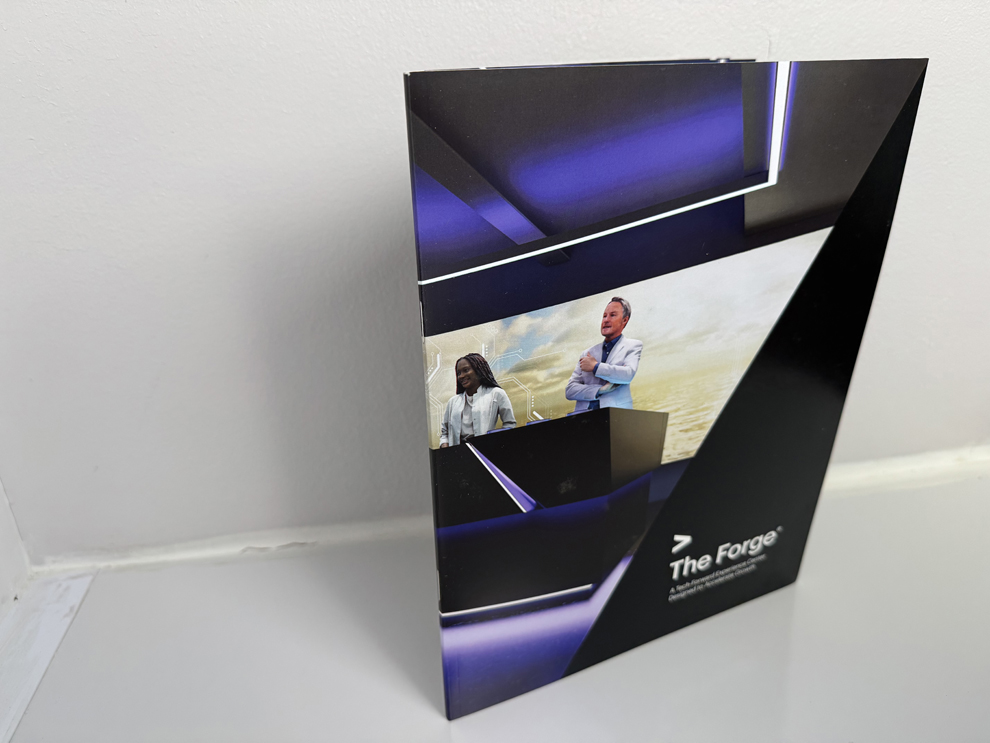
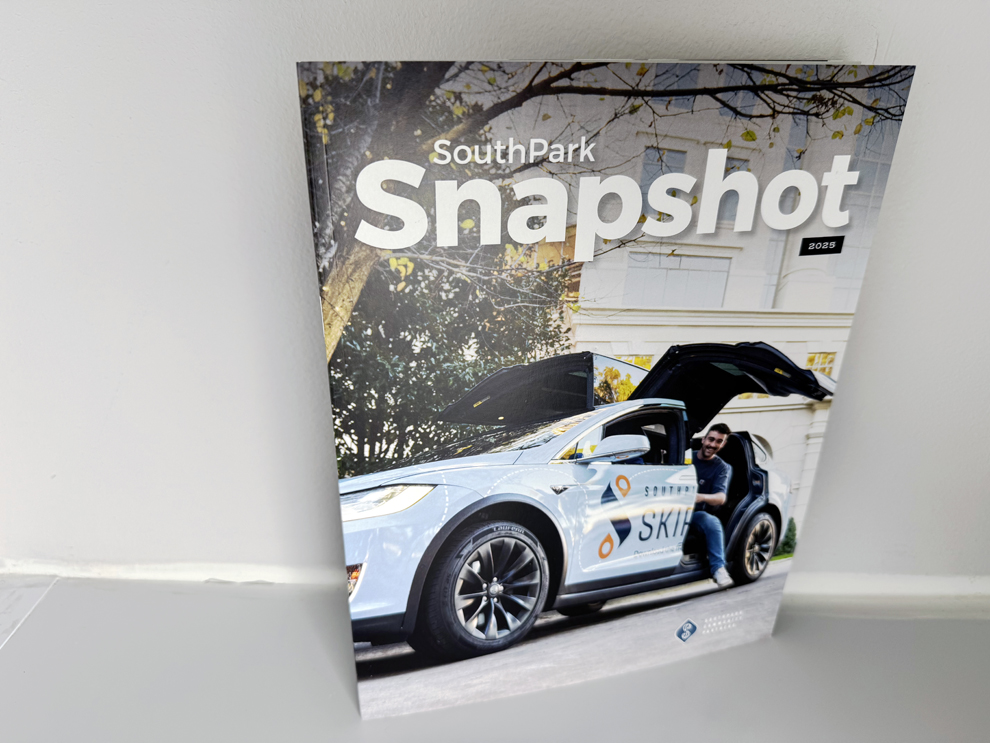
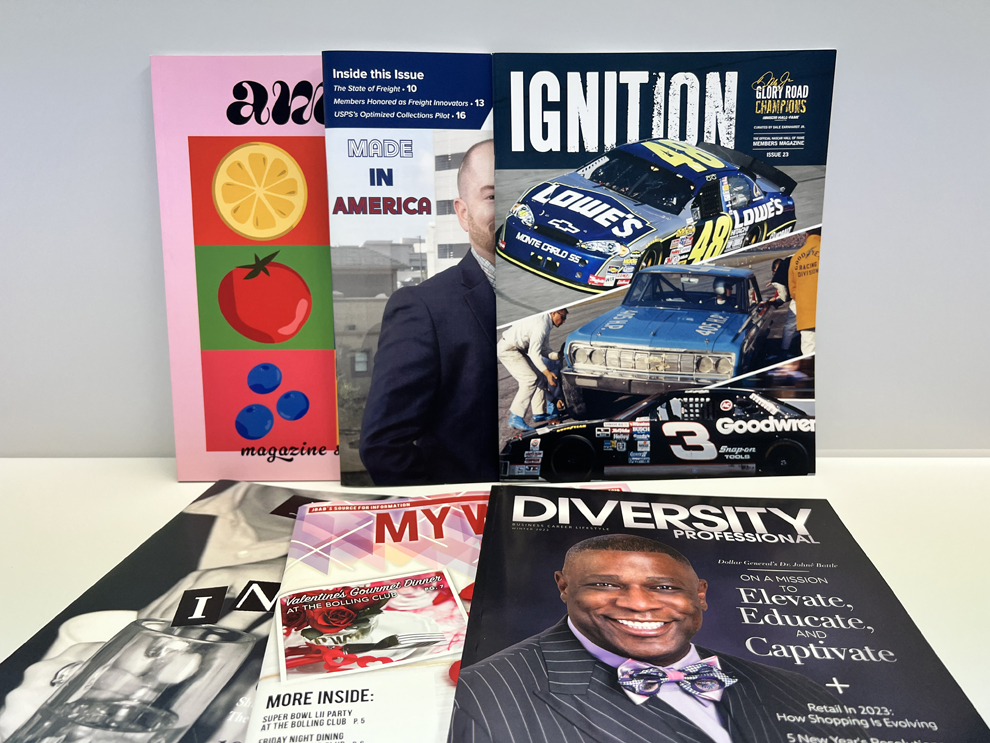
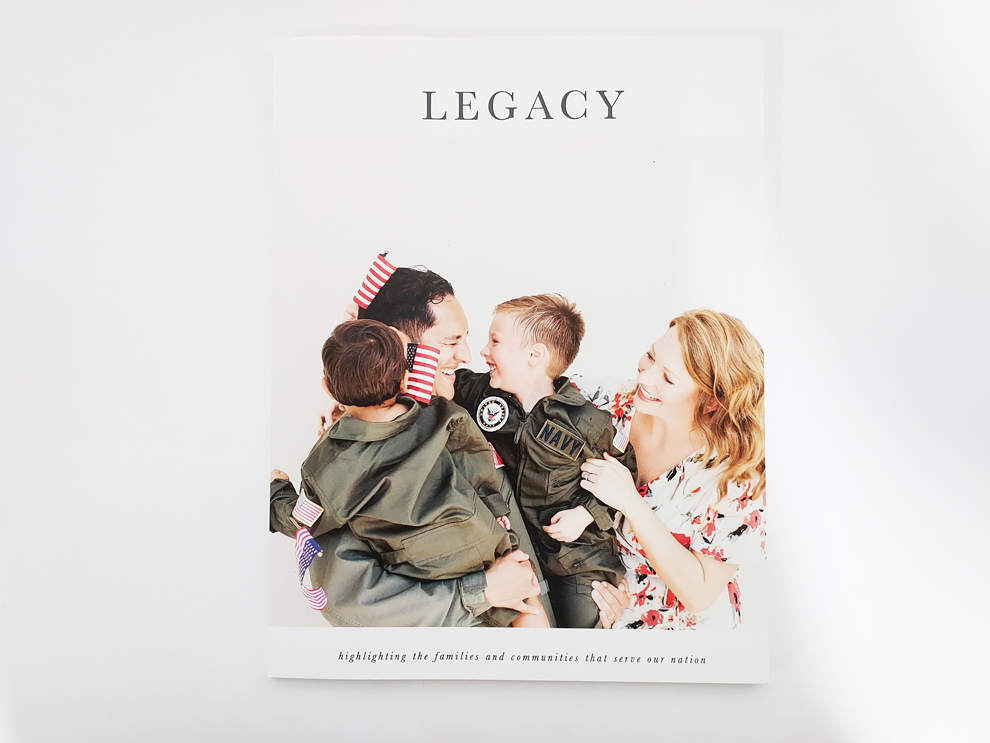
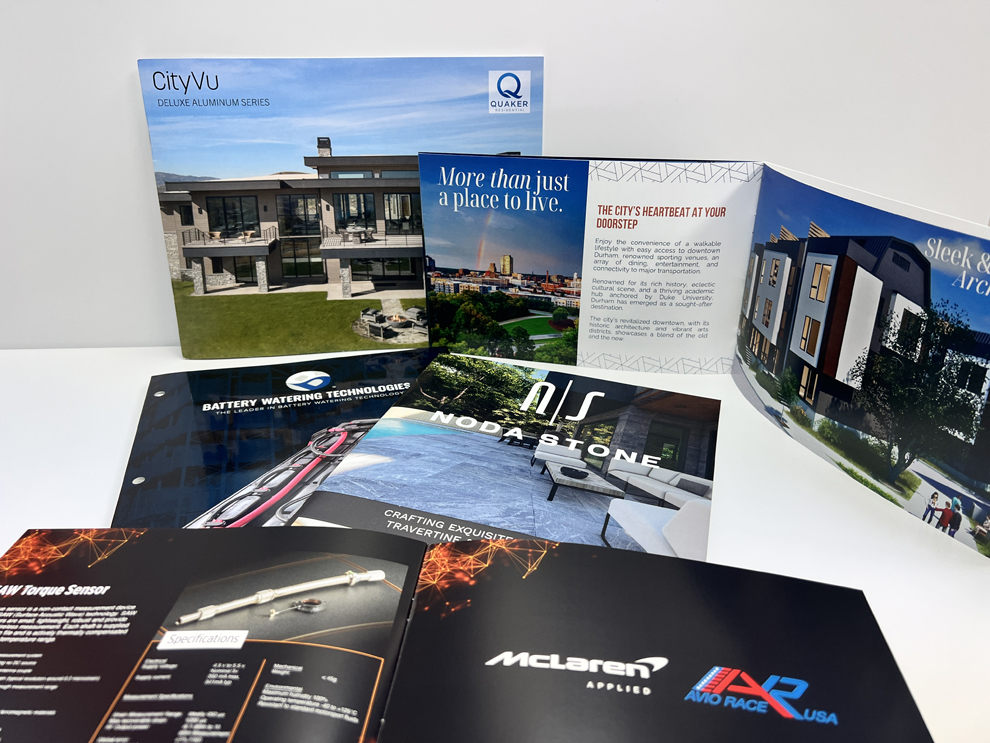
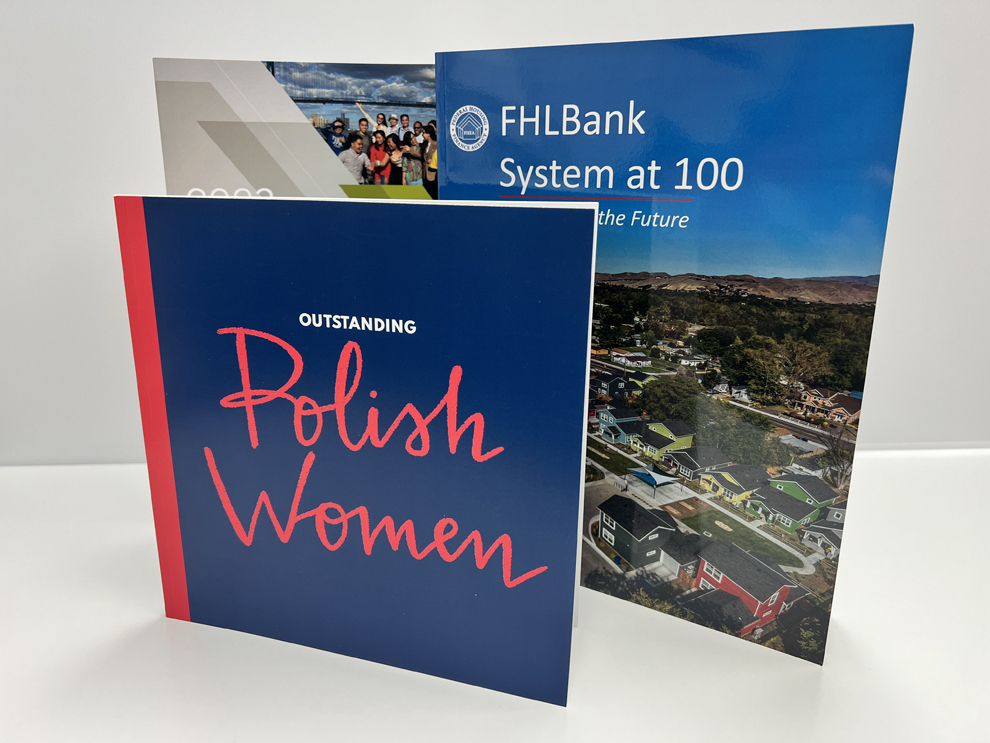
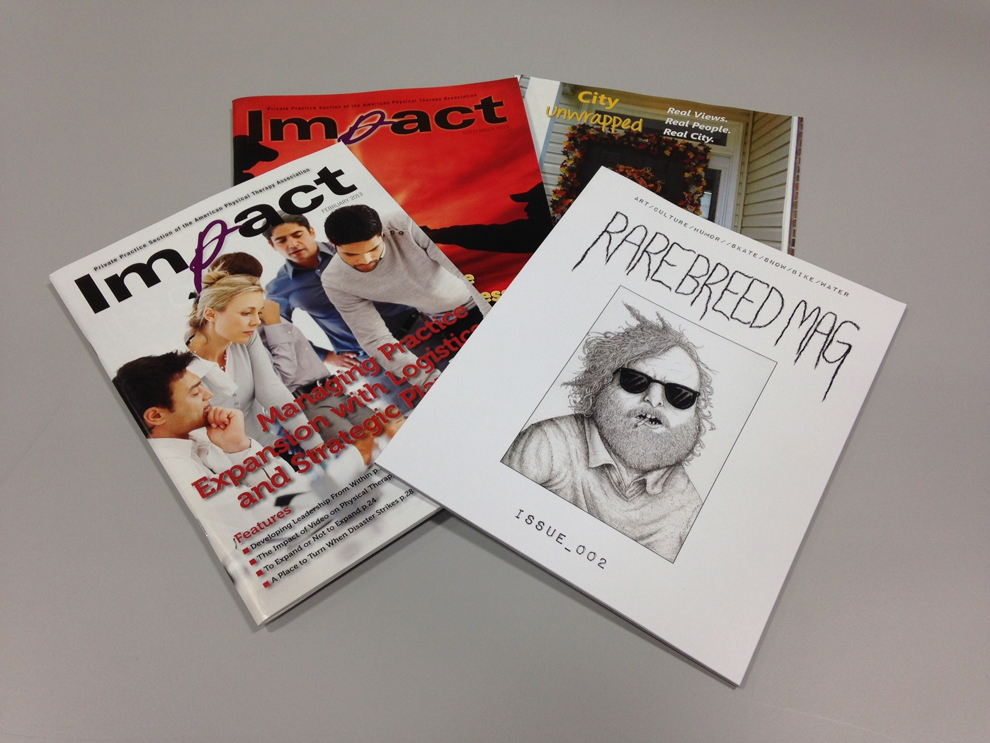
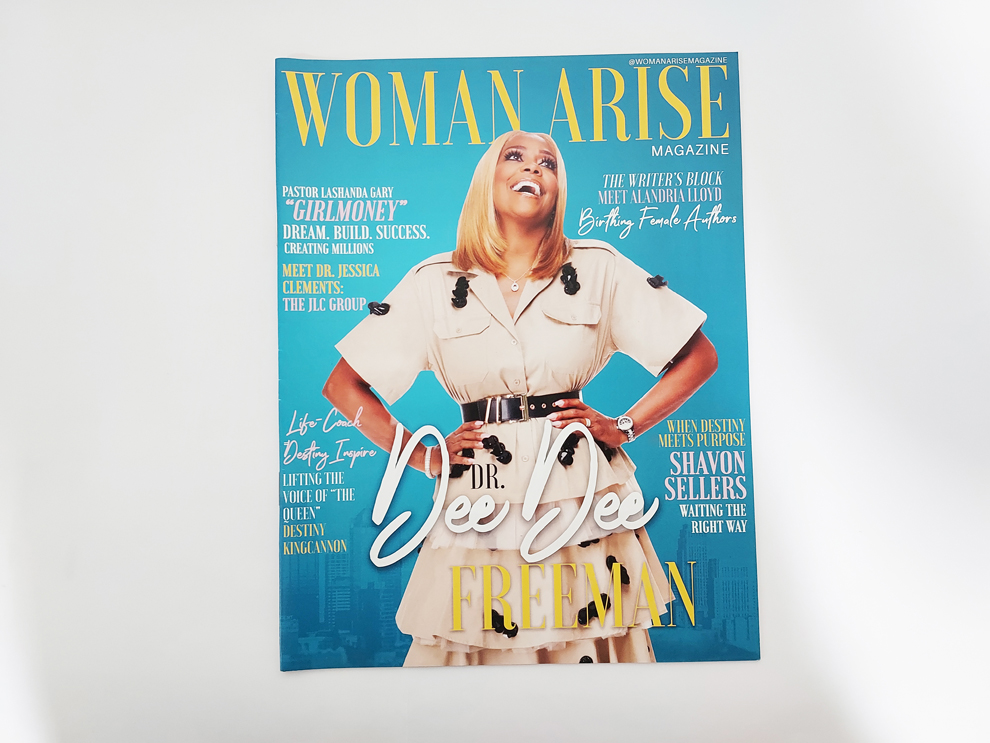
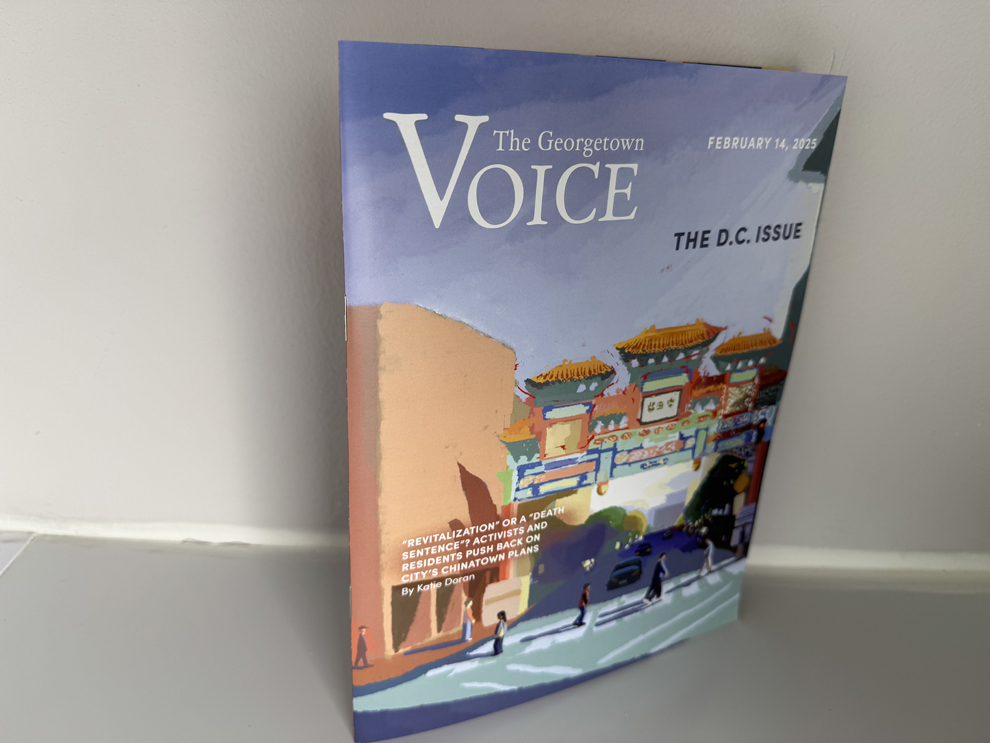
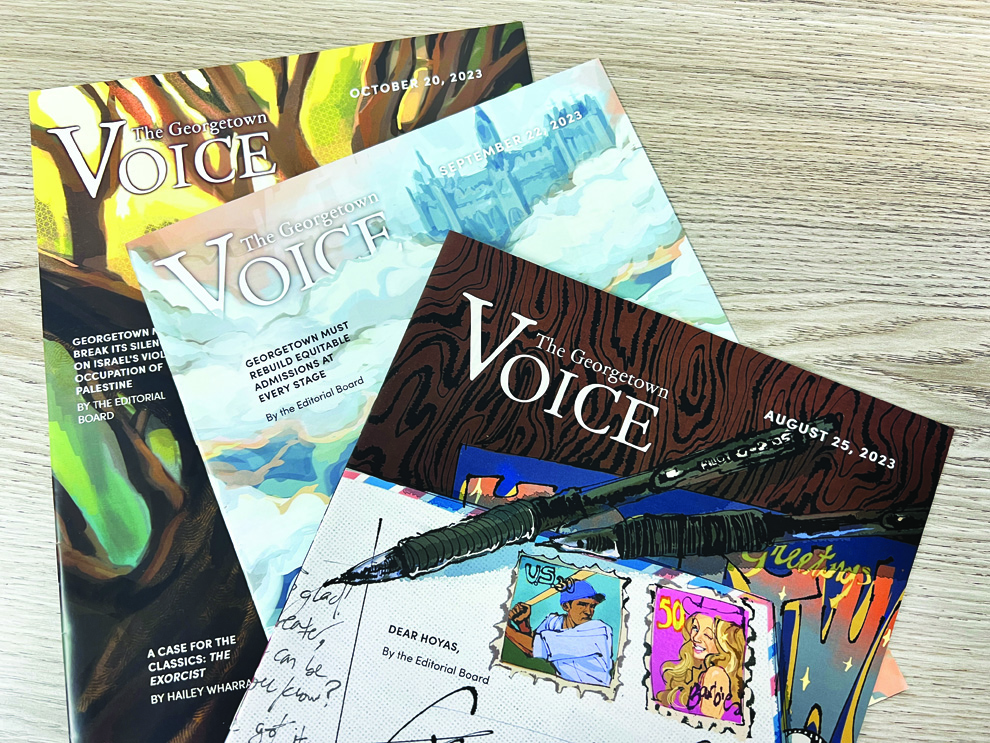
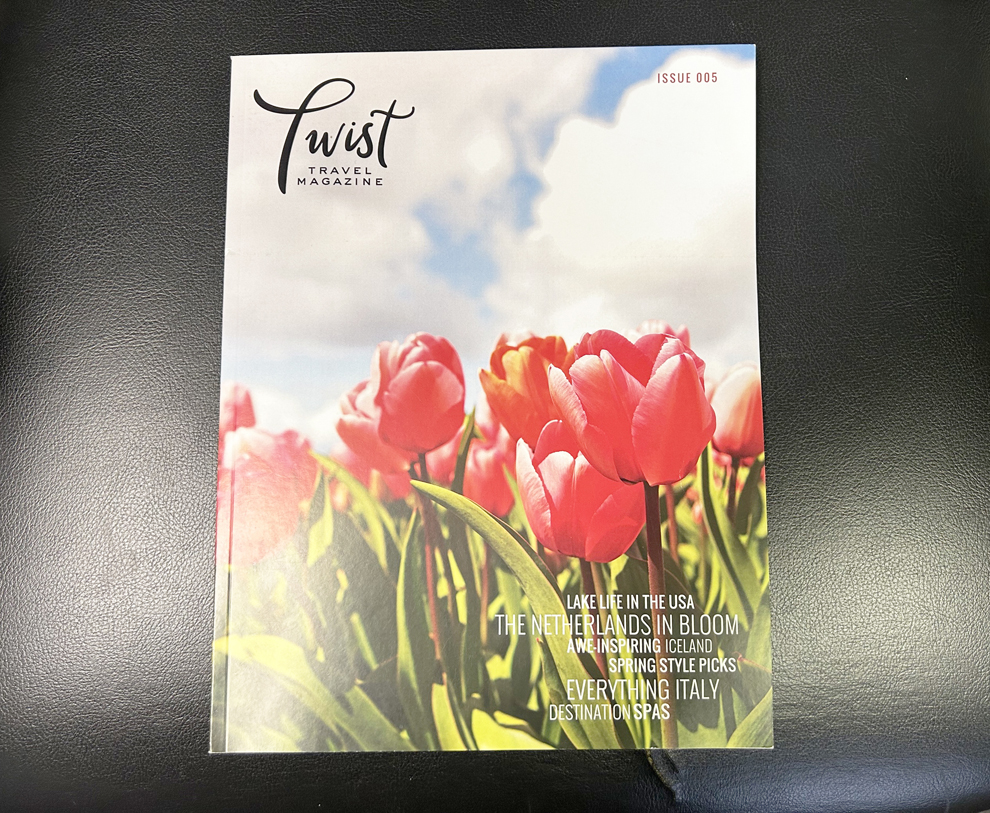
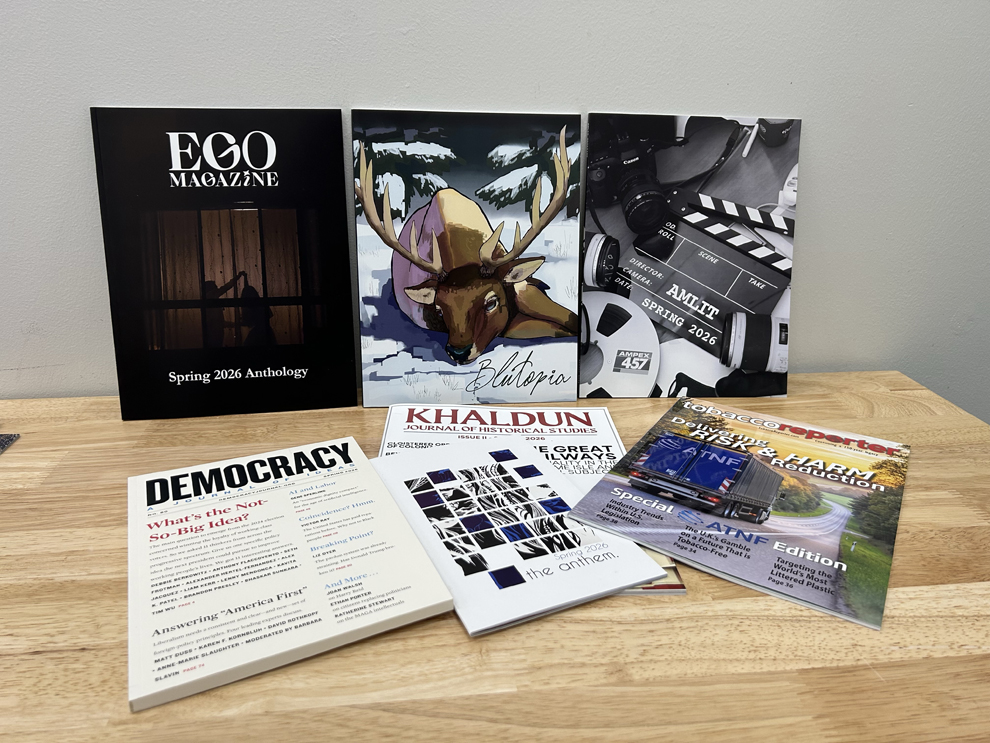
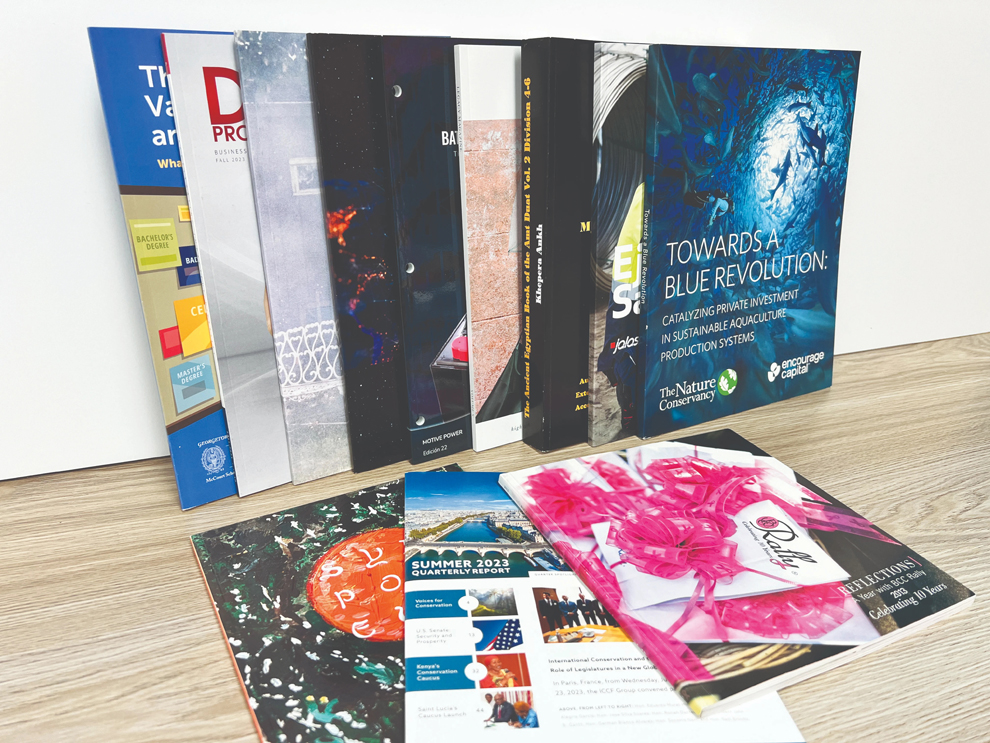
Across Charles County and the rest of Southern Maryland, organizations produce publications that resist easy labels. A county agency releases a resource guide, a regional association updates its membership directory, and a healthcare system compiles a community health report. Each piece carries its own page count, paper weight, binding, color expectation, and distribution route, and each deserves to be produced as the publication it actually is.
Heritage supports Waldorf, MD organizations with publication printing shaped around purpose and timing. Heritage operates a production facility in Waldorf that serves Washington, DC and the Mid-Atlantic, and that proximity supports clear scheduling when a board meeting, grant report, or renewal season sets the date. We still review each job before committing to a timeline.
The decisions that shape a finished publication are connected. Page count and paper determine whether a piece can be stitched or needs a square spine, quantity affects paper selection, and the distribution route influences weight and cover protection. Heritage weighs these factors together so the publication reads well and arrives as expected.
Printing has been part of Heritage since the company started in 1977, and that background informs how we approach publications that carry an organization's credibility into the hands of readers. Veteran ownership and family leadership shape a culture of accountability, so when a Southern Maryland nonprofit, agency, or association entrusts us with a directory or report, the people handling it understand that the content matters to someone beyond our production floor.
Technical discipline backs that commitment. Where color is material, Heritage applies spectrophotometric calibration and verification along with profiles built for the specific press and paper combination, which helps logos, photographs, and data graphics reproduce consistently across a run. Every Commercial Printing order receives an electronic proof for your review and approval before anything prints, and qualifying Custom Quote projects may add an optional paid Physical Production Color Proof when a physical color reference is needed.
Responsiveness in Southern Maryland often means working around fiscal-year reporting, county budget cycles, and fall program launches. Heritage answers questions directly, explains tradeoffs plainly, and keeps you informed as the work progresses.
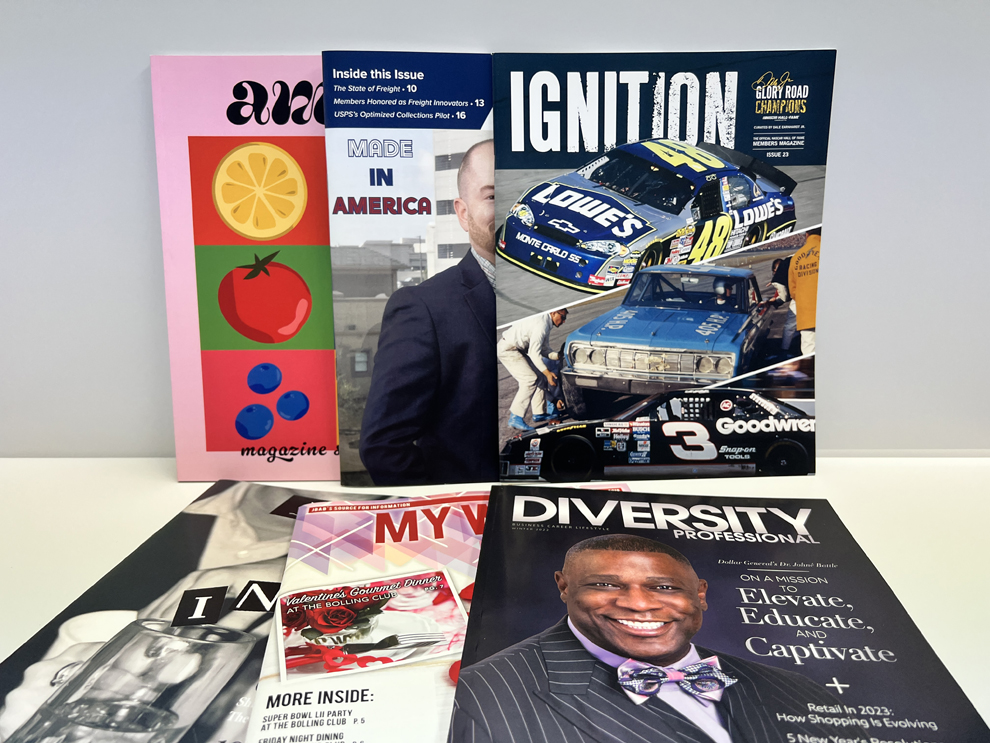
Choose this when your publication is a recurring editorial issue with a masthead, consistent trim, and readers who expect each edition to match the last.
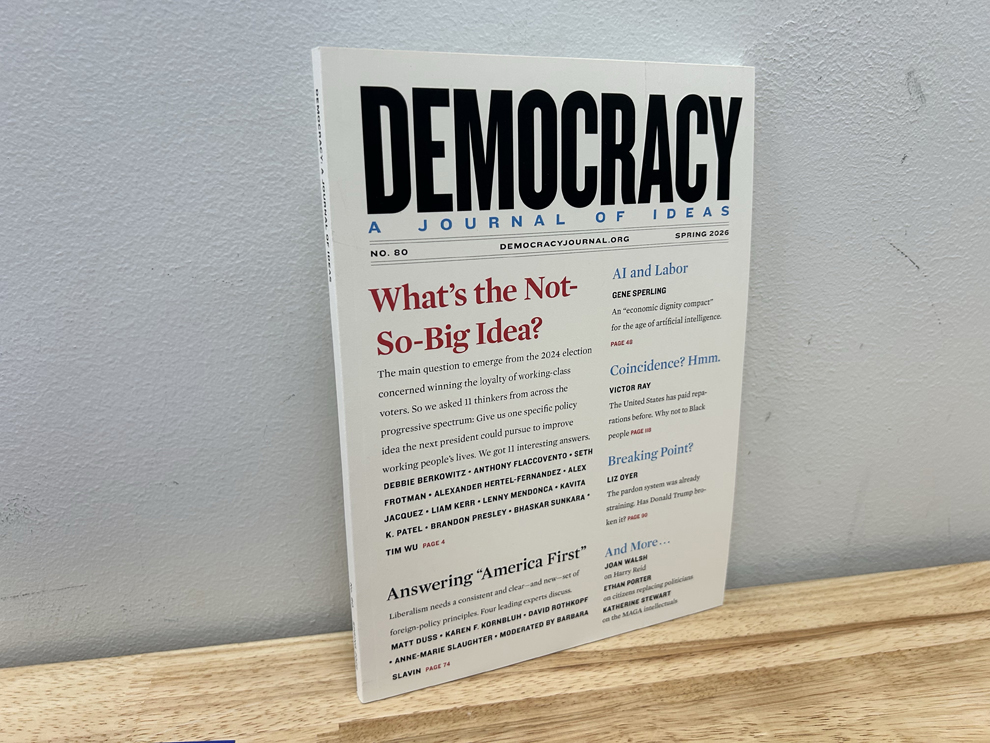
Best suited to brief, frequent updates where cadence, folding, and mailing efficiency matter more than heavy binding.
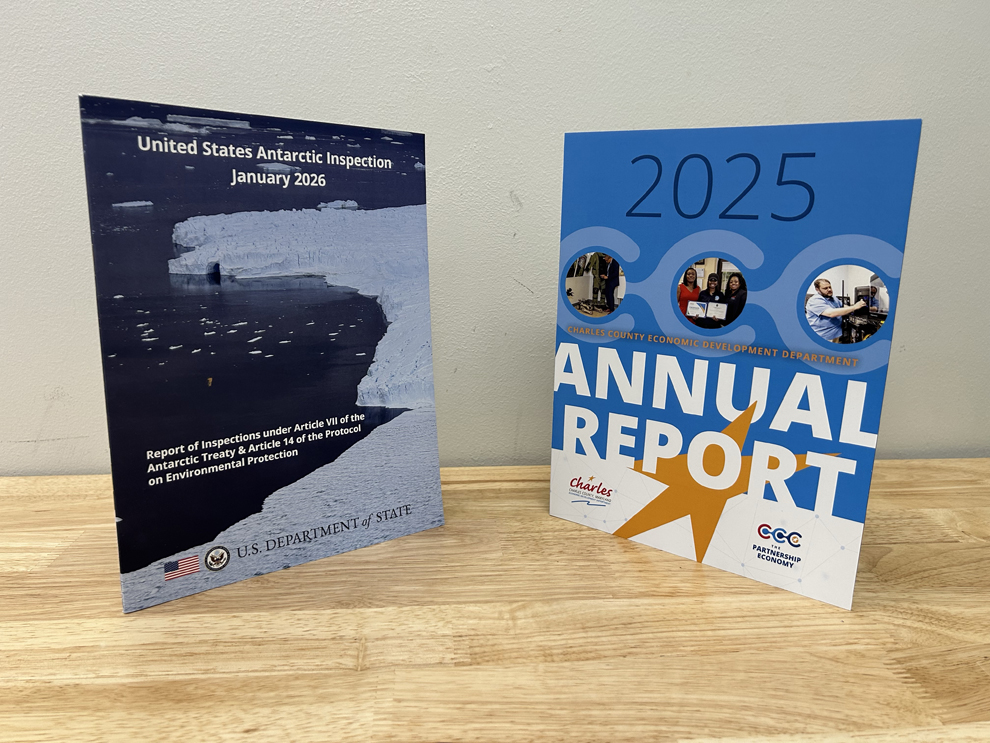
The right home for yearly stakeholder reporting that pairs financial results with governance, impact, and leadership messaging.
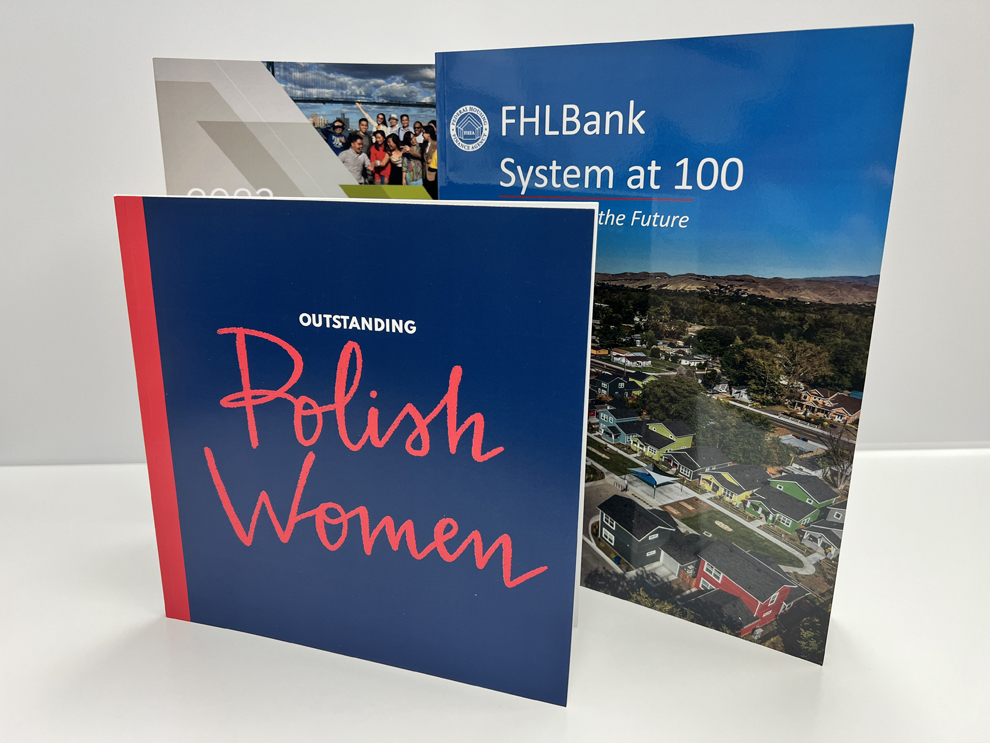
Ideal when the piece is compact and the main questions are binding style, page count, and practical format rather than publication identity.
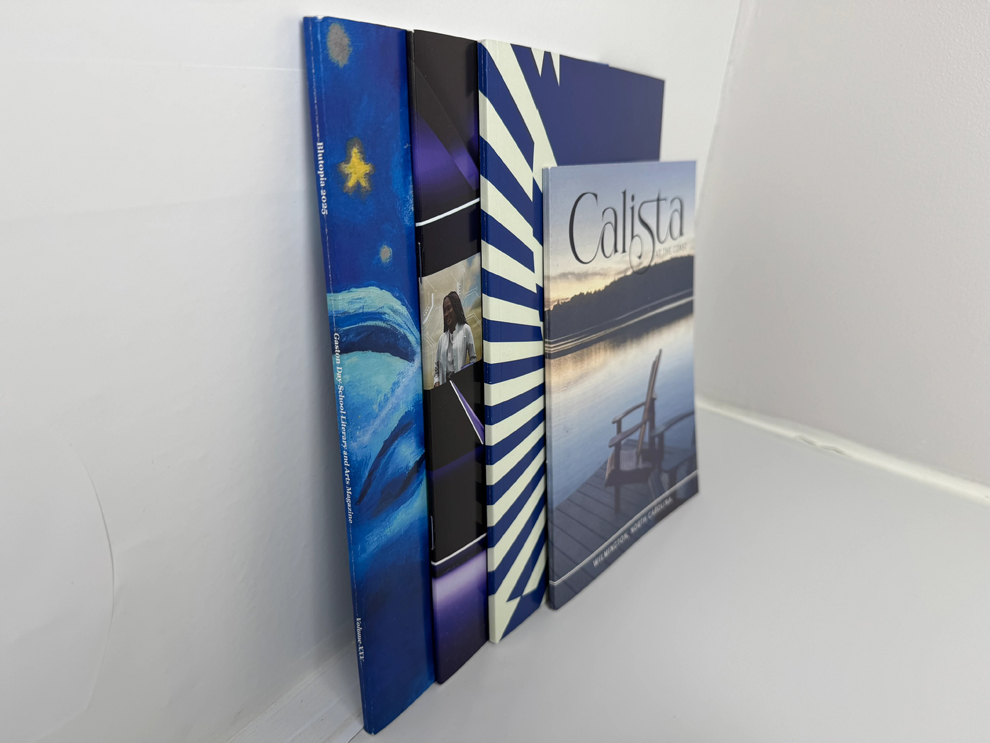
Consider this for thicker content that benefits from a flat, printable spine and a more permanent book-style feel.
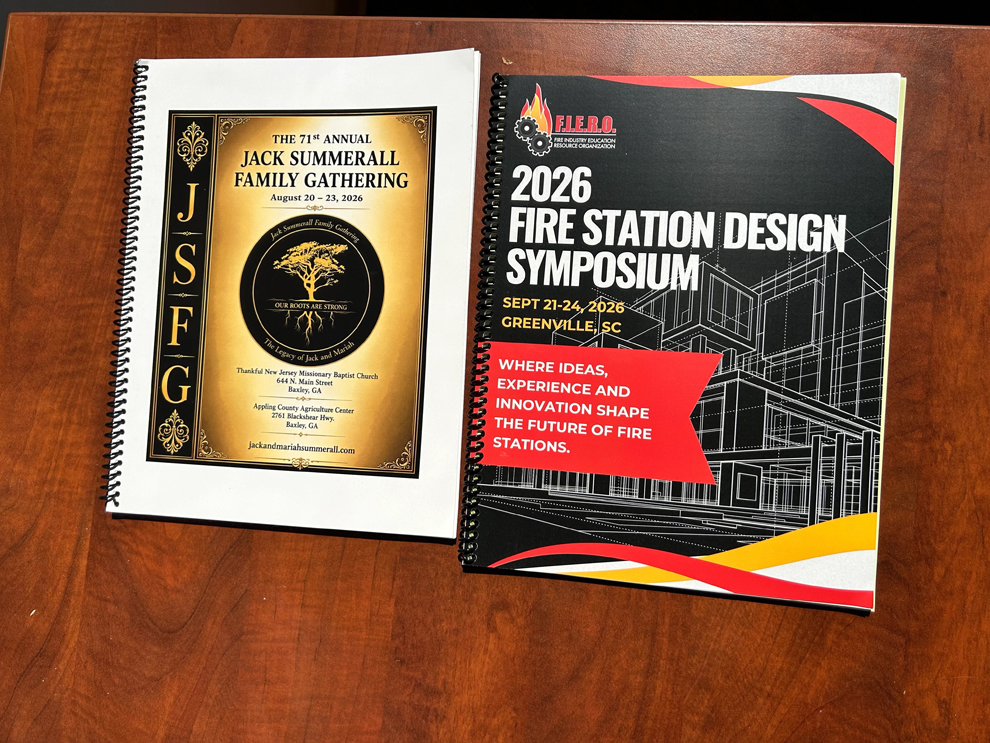
Built for instructional content that gets opened repeatedly, marked up, and referenced in the field or classroom.
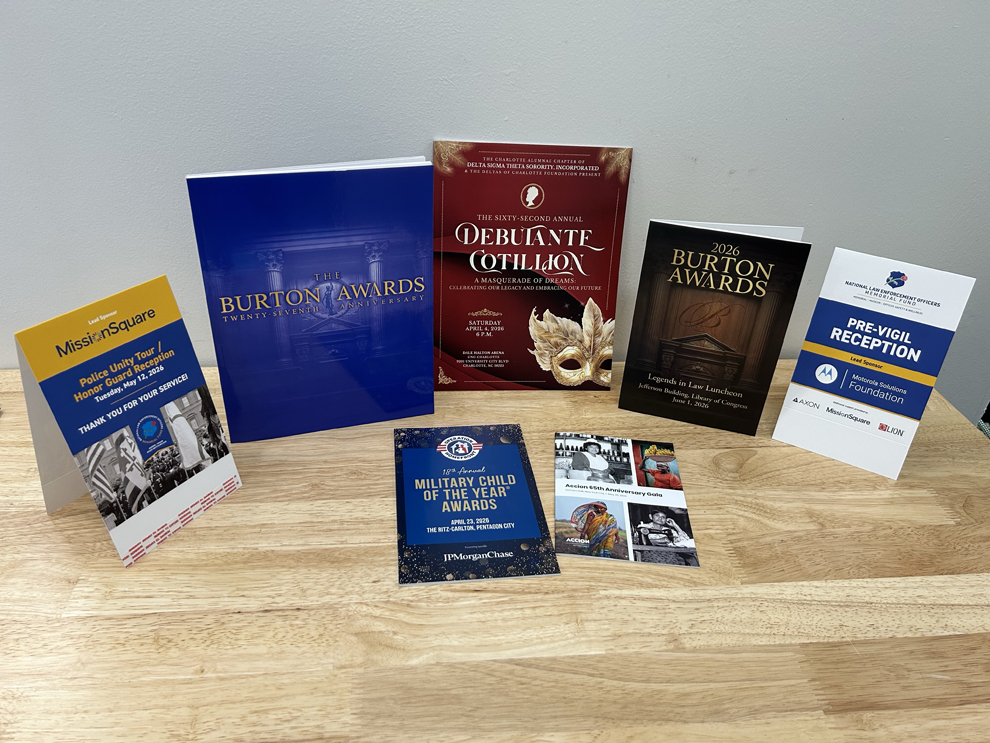
Fits conferences, ceremonies, and meetings where agendas, speaker bios, and sponsor recognition define the layout.
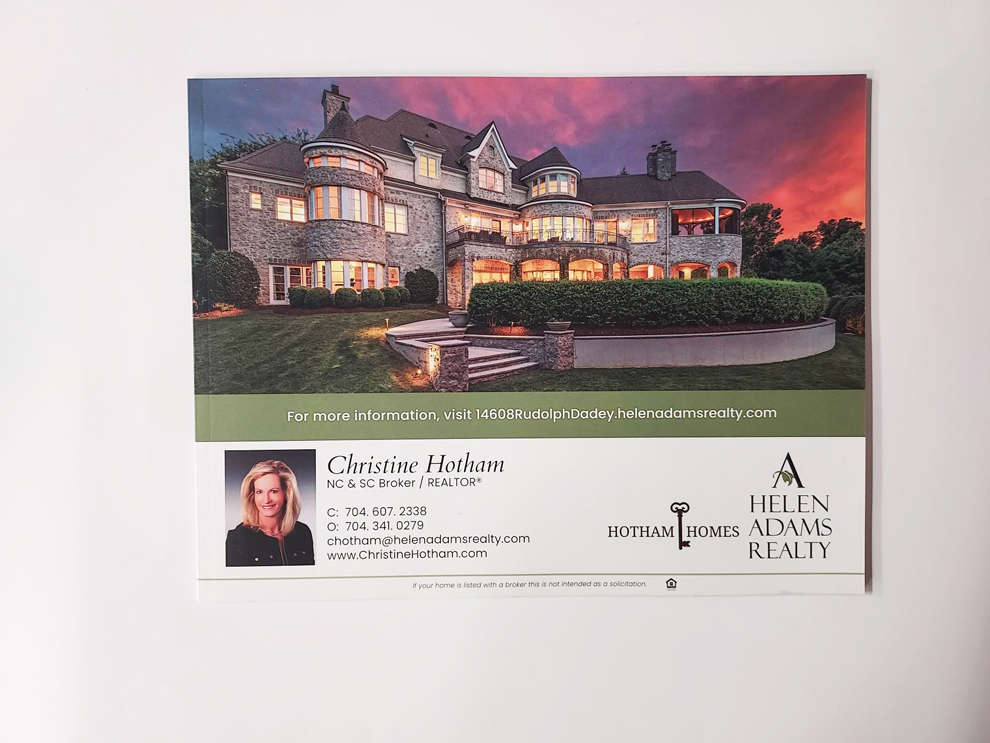
Pairs with any of these products when addressing, postal preparation, and coordinated entry into the mail stream are part of the plan.
Tell Heritage what you are publishing, how many copies you need, and the date readers expect it. For publications that need specification guidance, production-oriented file preparation, multiple editions, color-critical review, or mailing coordination, Custom Quote is the appropriate starting point for qualifying projects. If your artwork is finished and print-ready and a current booklet, perfect-bound, or plastic-coil configuration matches your specifications, you may also order directly through the Online Store.
Heritage begins by understanding the publication: finished size, page count, quantity, paper preference, color sensitivity, required date, and how copies will reach readers. When you submit a Custom Quote, Heritage reviews the request before it is accepted and assigned. Once that happens, your assigned Project Coordinator becomes a direct phone and email contact who carries the project through production. Established repeat clients frequently continue with the coordinator who already knows their publications.
Format follows reader behavior. A thinner guide is often a good candidate for saddle stitching. A thicker directory or report with enough bulk for a square spine may call for perfect binding. A reference document that sits open on a desk can benefit from plastic coil. Paper weight, cover construction, color coverage, and quantity all feed into the recommendation, and availability of specific stocks is confirmed rather than assumed.
Nothing prints until you approve the electronic proof. From there, Heritage holds the approved specifications through printing, binding, and finishing, communicates promptly if anything shifts, and routes completed copies into mailing, shipping, local delivery, or your own distribution as agreed.
Heritage does operate a production facility in Waldorf, Maryland. It is staffed by production team members and supports Washington, DC and the Mid-Atlantic. It is not a sales office or showroom, so publication projects are coordinated by phone and email rather than through walk-in visits. Heritage also assigns production to whichever facility best fits a job's equipment, capacity, and schedule needs.
At that page count, perfect binding is usually the strongest option because the spine has enough bulk to hold a clean square edge and printable spine copy. Saddle stitching is better suited to thinner pieces that can fold flat without creep problems. If the report will be referenced during meetings and needs to lie open, plastic coil is worth discussing. Paper thickness also affects the final answer.
Read the proof as your readers will. Confirm page order and total page count, check that the cover, spine, and back cover content are correct, verify that images are placed and cropped as intended, and look for any text that reflows near margins or fold lines. Your approval sets the file Heritage will produce. Because screens and paper differ, an electronic proof does not serve as a physical color standard.
Yes. Finished size, paper, cover construction, binding method, and color targets from a prior edition give the new one a reliable starting point and help keep the series consistent on the shelf. Heritage still reviews the new file, quantity, schedule, and stock availability for each edition, since page counts grow, mailing lists change, and material supply can shift between years.
Submitting the form opens an inquiry. Heritage reviews the publication, quantity, value, and service needs to confirm the project qualifies and can be accepted. Once the order is accepted and assigned, an assigned Project Coordinator reaches out, becomes your direct phone and email contact, and works with you on specifications, proof approval, production timing, and distribution. Submission alone does not create that assignment.
Yes, when mailing is included in the accepted scope. Heritage can handle addressing and postal preparation for publications going to members, donors, or residents. You provide accurate, authorized recipient data, and Heritage performs the mailing services agreed upon for the project. Once the mail is accepted by USPS, delivery timing is in the Postal Service's hands rather than Heritage's.
Start with the narrowest family that truly fits. A recurring issue with editorial content and a consistent identity belongs with Magazine Printing. A short, frequent update belongs with Newsletter Printing. Yearly stakeholder reporting belongs with Annual Reports. When your piece is a journal, report, guide, directory, or member publication that does not sit comfortably in one of those categories, Publication Printing gives it a production plan of its own.
The service covers broader organizational publications such as professional journals, research and policy reports, program and resource guides, membership directories, member publications, and other multi-page communications. What unites them is that the format should follow the content and readership rather than a predefined category, and each needs decisions about paper, binding, color, quantity, and distribution made together.
Not always. A self-cover publication uses the same paper throughout, which keeps the piece lighter and can reduce mailing cost. A separate, heavier cover adds structure, durability, and a more finished presentation, which often matters for directories handled all year or reports presented to funders and boards. Weigh binding, page count, handling, and postage together before deciding.
Heritage manages color with spectrophotometric calibration and verification and profiles matched to the production combination being used. Supplied PMS values can serve as targets. Printers, inks, papers, and coatings each have their own gamut, so results are controlled within what the chosen combination can physically reproduce rather than what a monitor displays. Color-critical publications may warrant a physical proof.
The Self-Directed Online Store suits a fully specified publication with complete, print-ready artwork that matches a current saddle-stitched booklet, perfect-bound, or plastic-coil configuration. You make the configuration choices yourself, and the order still receives Heritage's production review and electronic proof. It does not include an assigned Project Coordinator or physical color proofing. Eligible Store orders must total at least $750, and eligible products can be combined to reach that minimum.
When color accuracy carries real consequences, such as a cover photograph, a brand color repeated on every page, or data graphics where shades distinguish categories. For qualifying Custom Quote projects of $2,000 or more, Heritage can produce a paid Physical Production Color Proof on the intended printer and paper. It adds an approval step and time, and once approved it becomes the controlling physical color reference.
Heritage prints from completed artwork and does not write, edit, or design publications from scratch. Editorial content and creative development stay with your team or your designer. For qualifying Custom Quote projects, Heritage may make production-oriented adjustments such as correcting bleeds, adjusting margins, or preparing files for the chosen binding so the publication prints as intended.
Share the required in-hand date and send the finished, print-ready file right away. Heritage evaluates the remaining window against proofing, printing, binding, finishing, and distribution steps, identifies which decisions must be made immediately, and tells you plainly what is achievable. Heritage does not promise a rush schedule before reviewing the work, but when an expedited path is realistic, approved jobs move with urgency.
Yes. Editions can vary by county, department, language, audience, cover, insert, or quantity while sharing a common base file. Clear file naming, a version list that identifies who owns each edition, confirmed quantities per version, separate proof approvals, and specific distribution instructions keep similar publications from being confused during production and fulfillment.
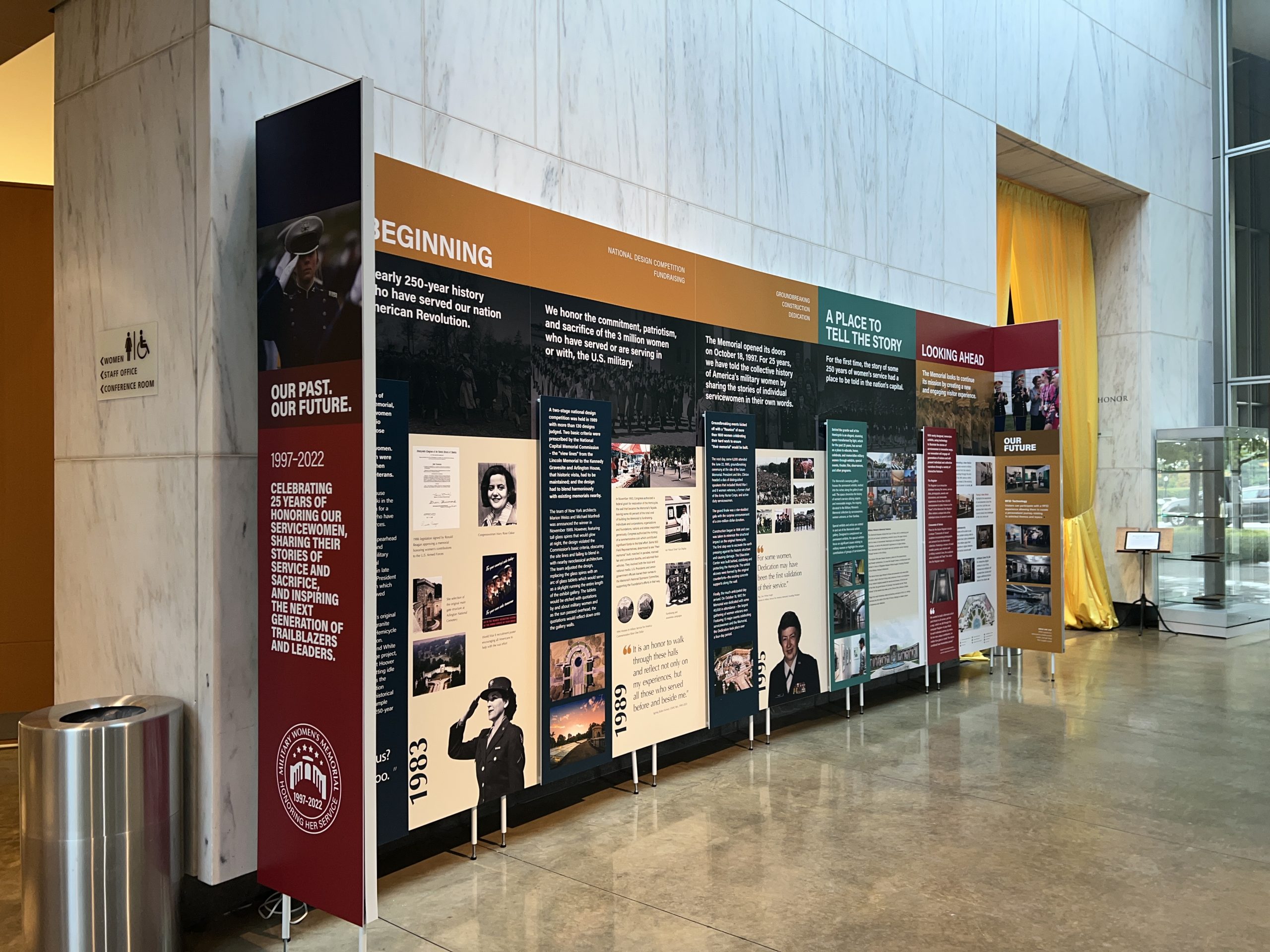
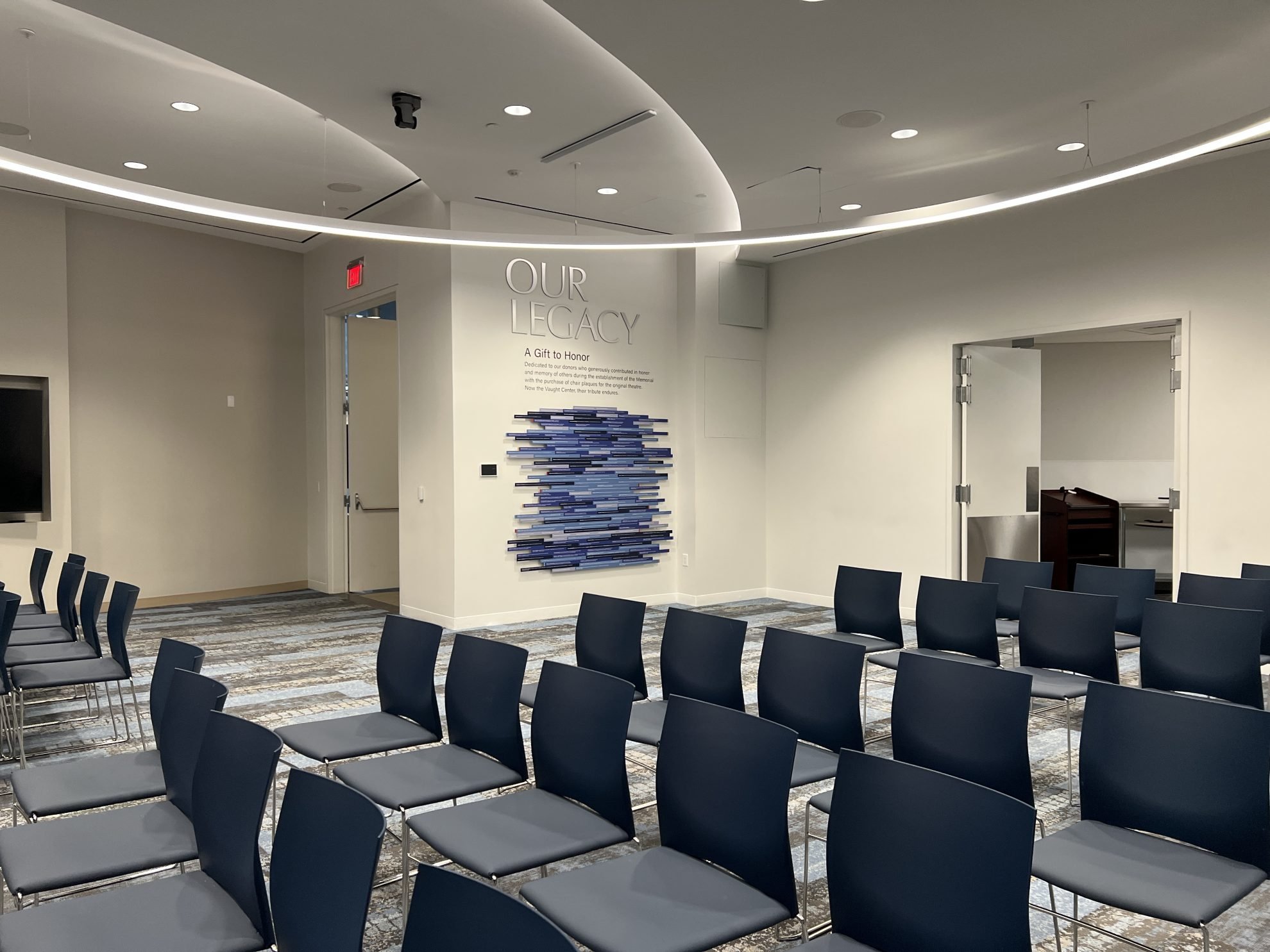
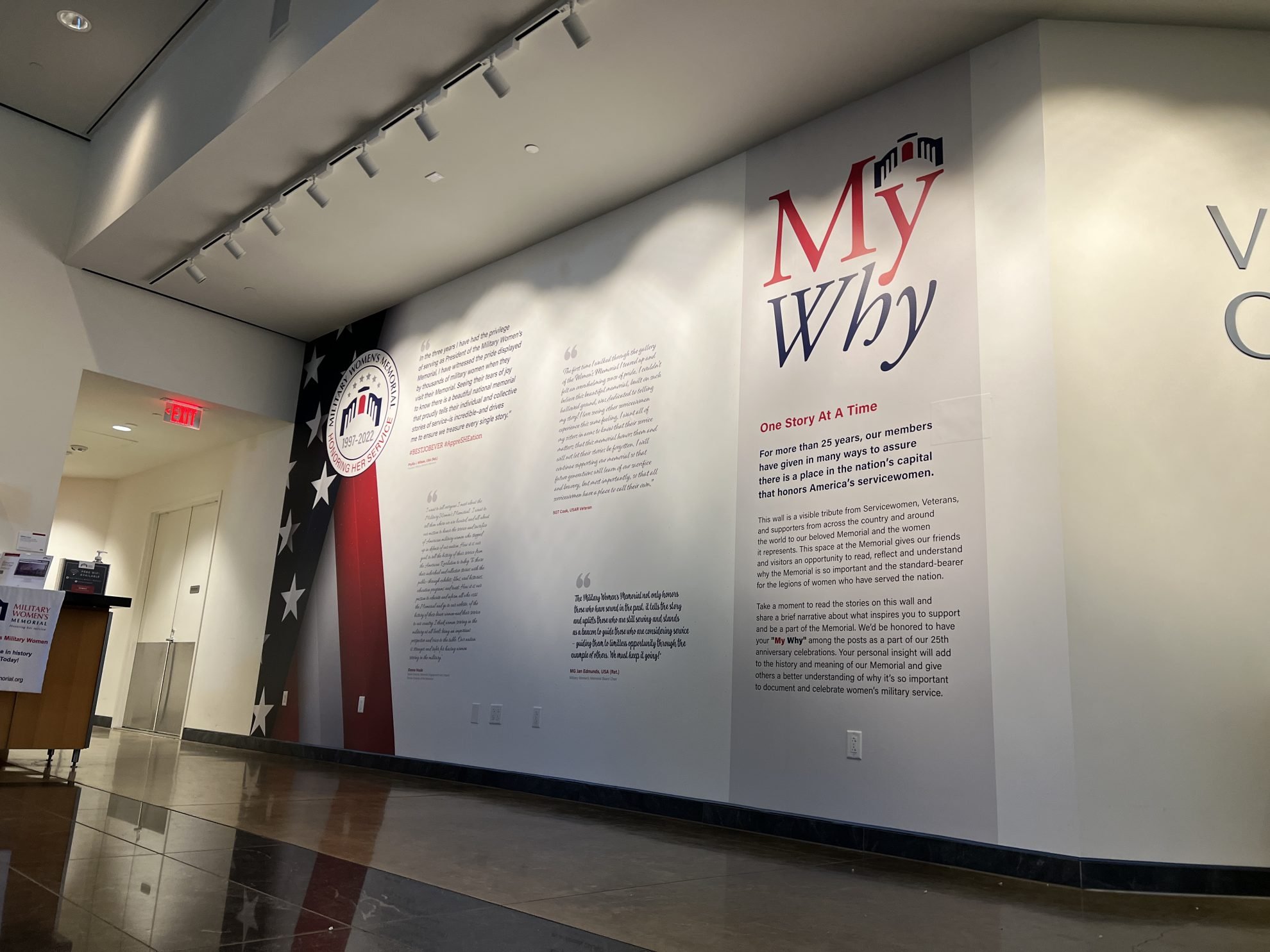
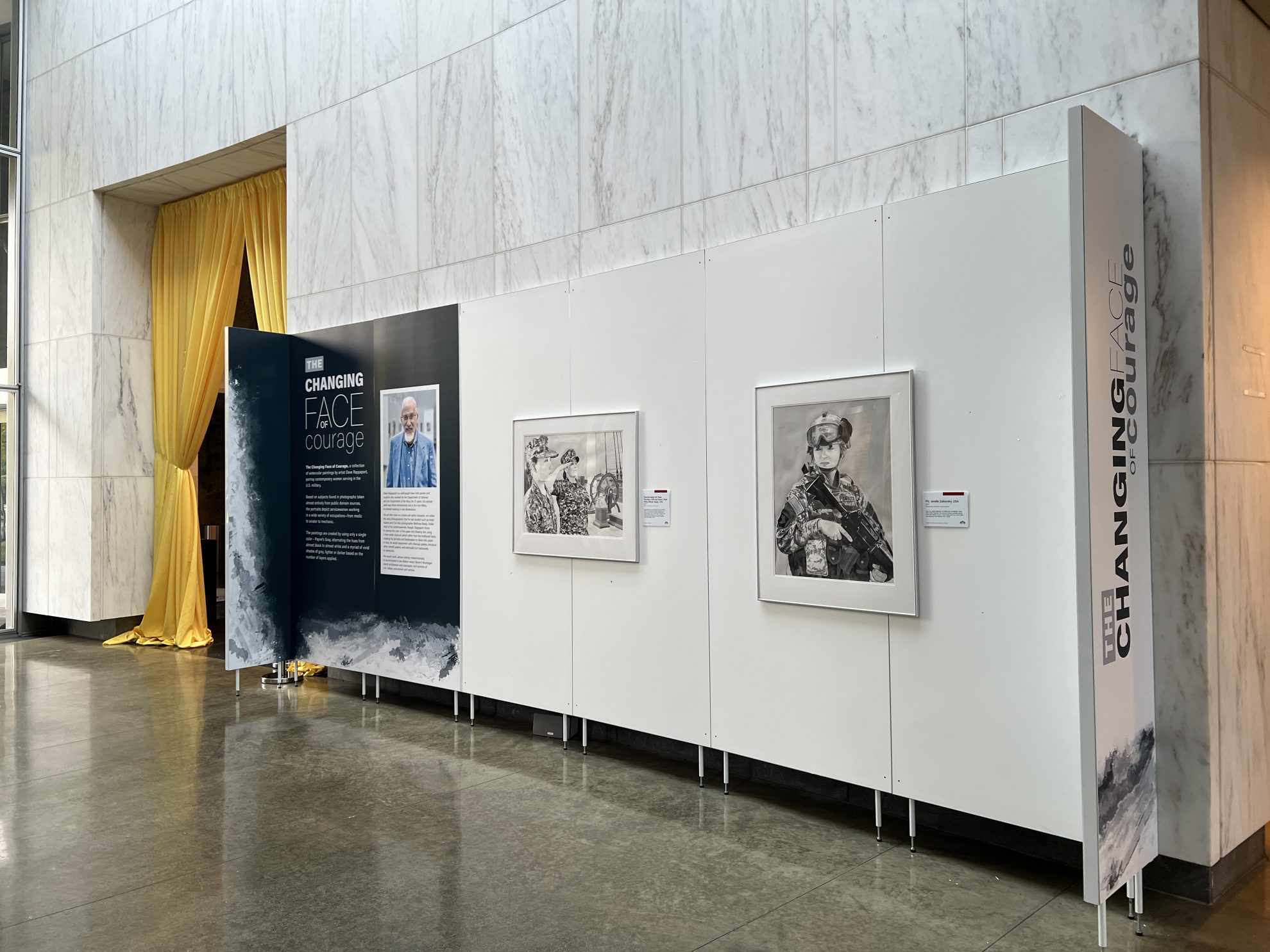
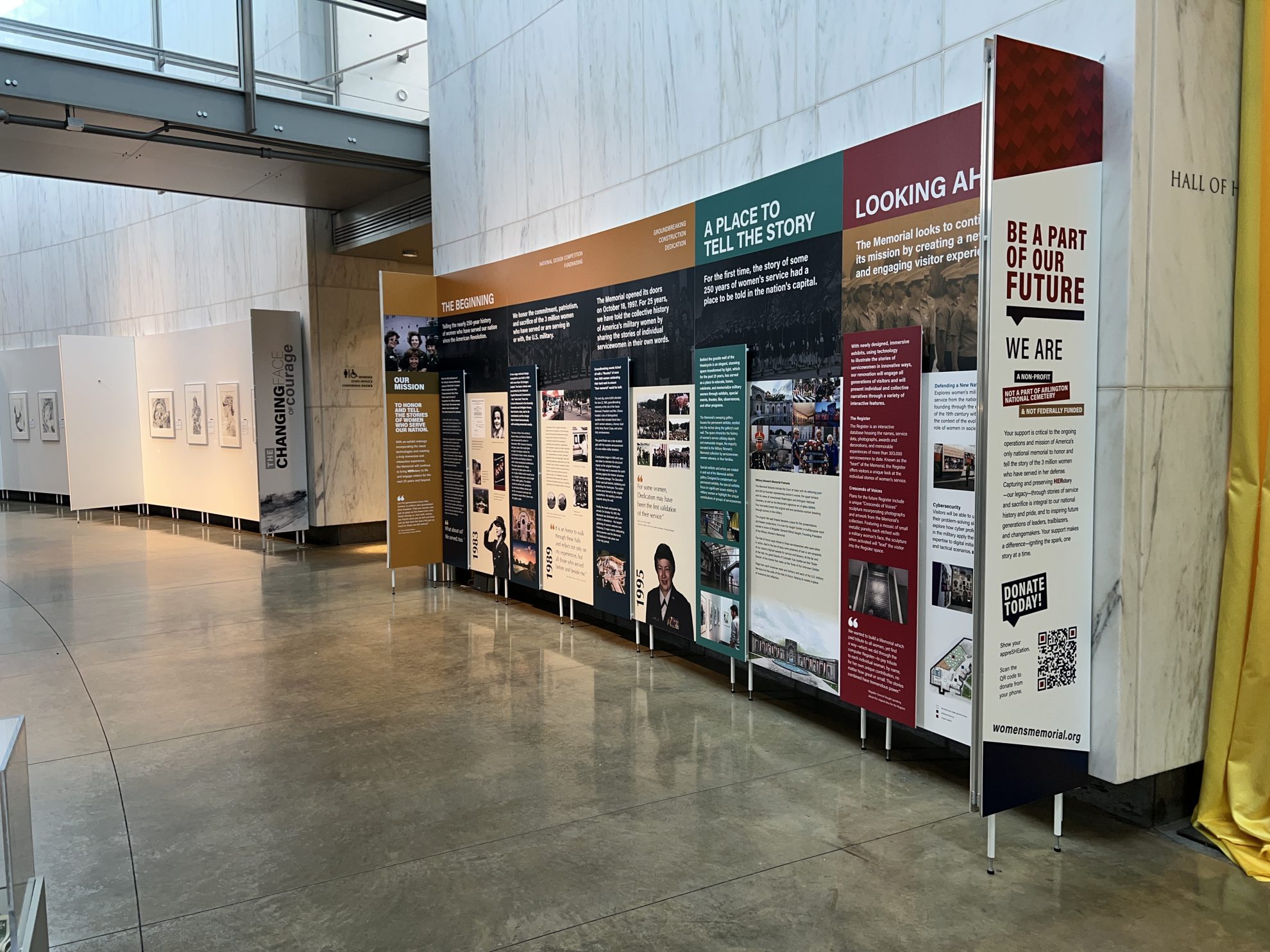
Heritage Signs & Displays created new museum signage for the Military Women’s Memorial in Arlington, VA. The project included custom signs, wall wraps, dimensional letters, and standoff-mounted displays to honor the legacy of U.S. servicewomen and the donors who supported the memorial. The updated interior features impactful designs, including a "Our Legacy" wall display and panels showcasing historical contributions and artwork, creating a transformative tribute to women in the U.S. Armed Forces.
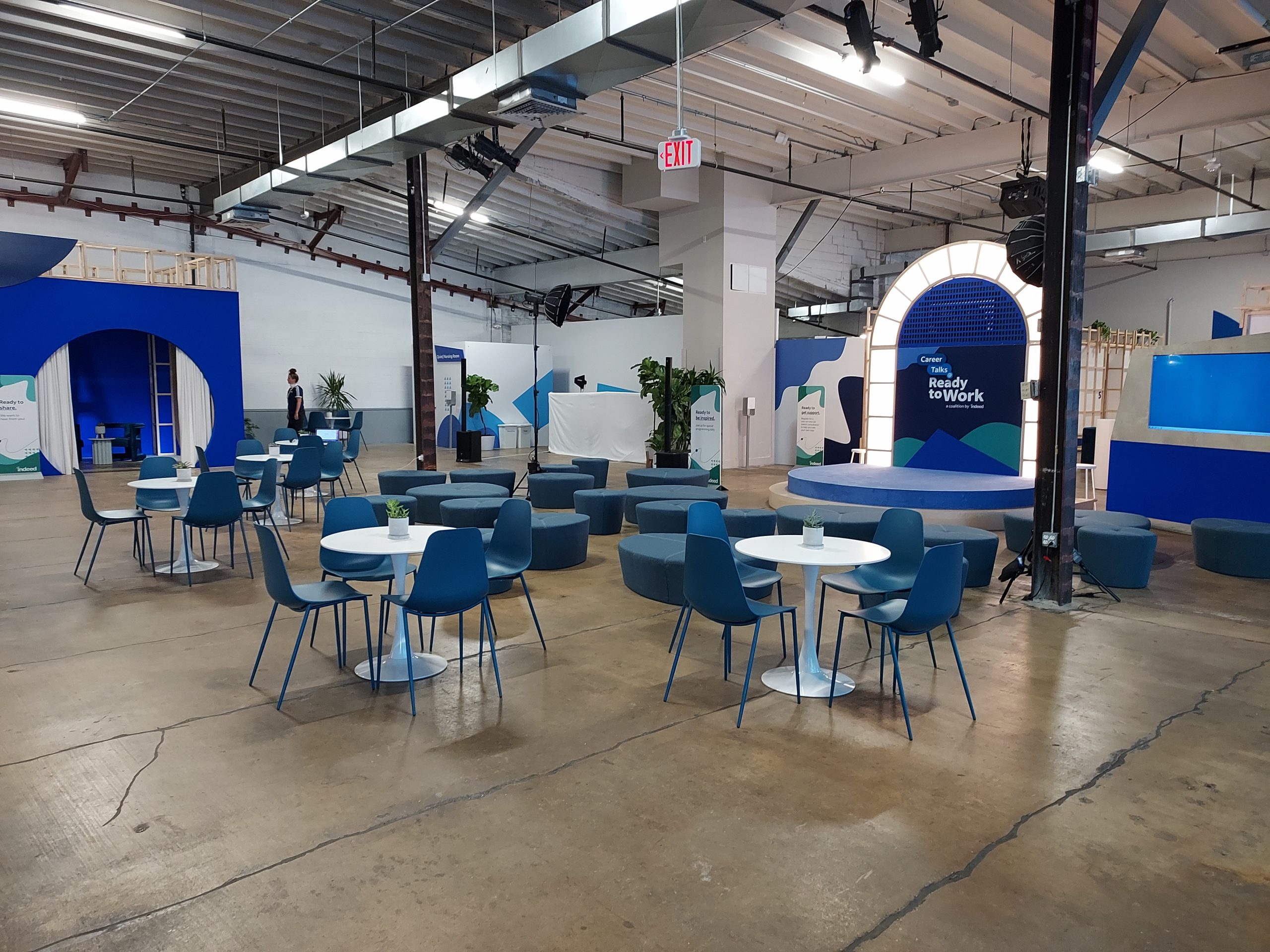
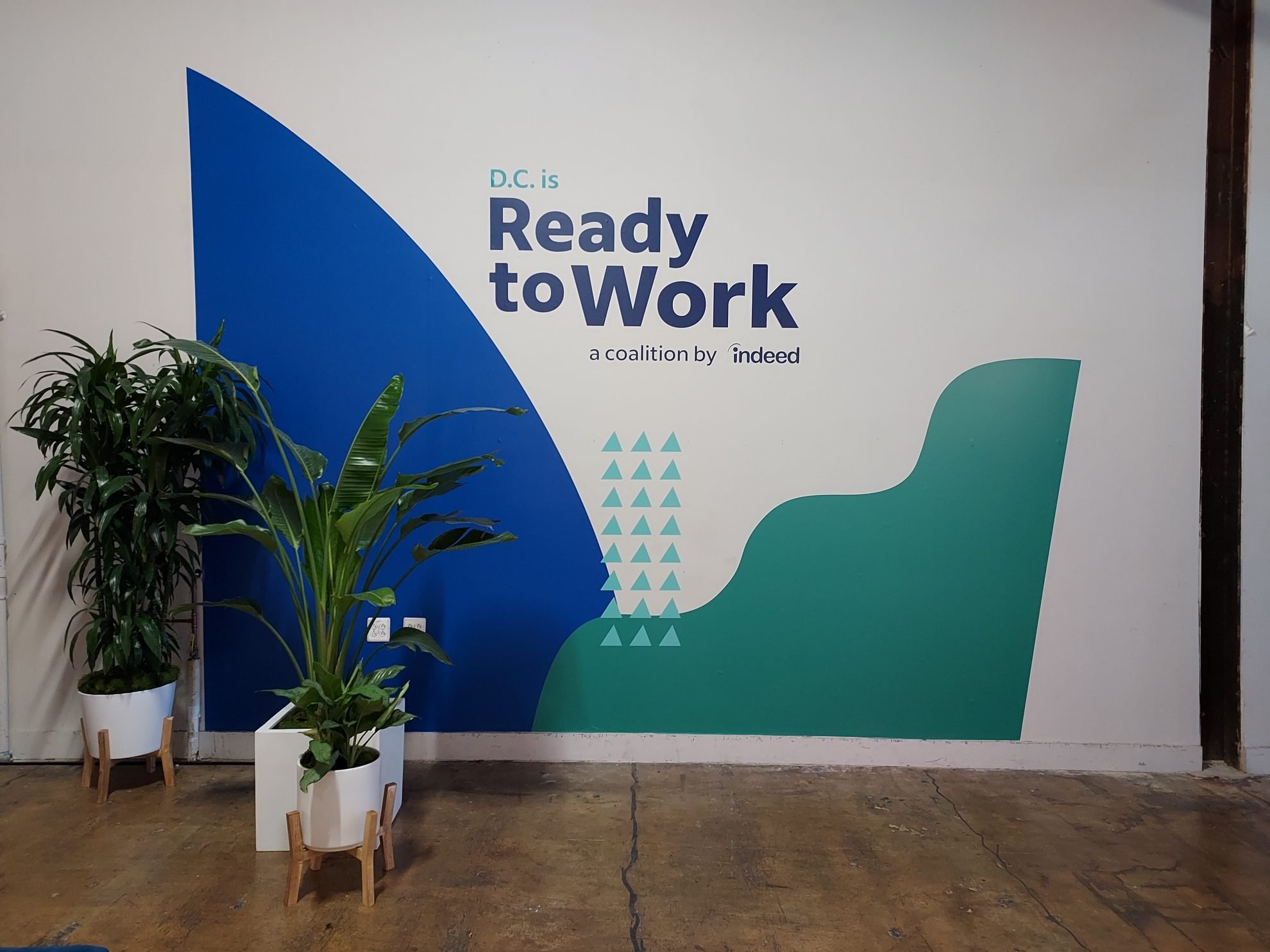
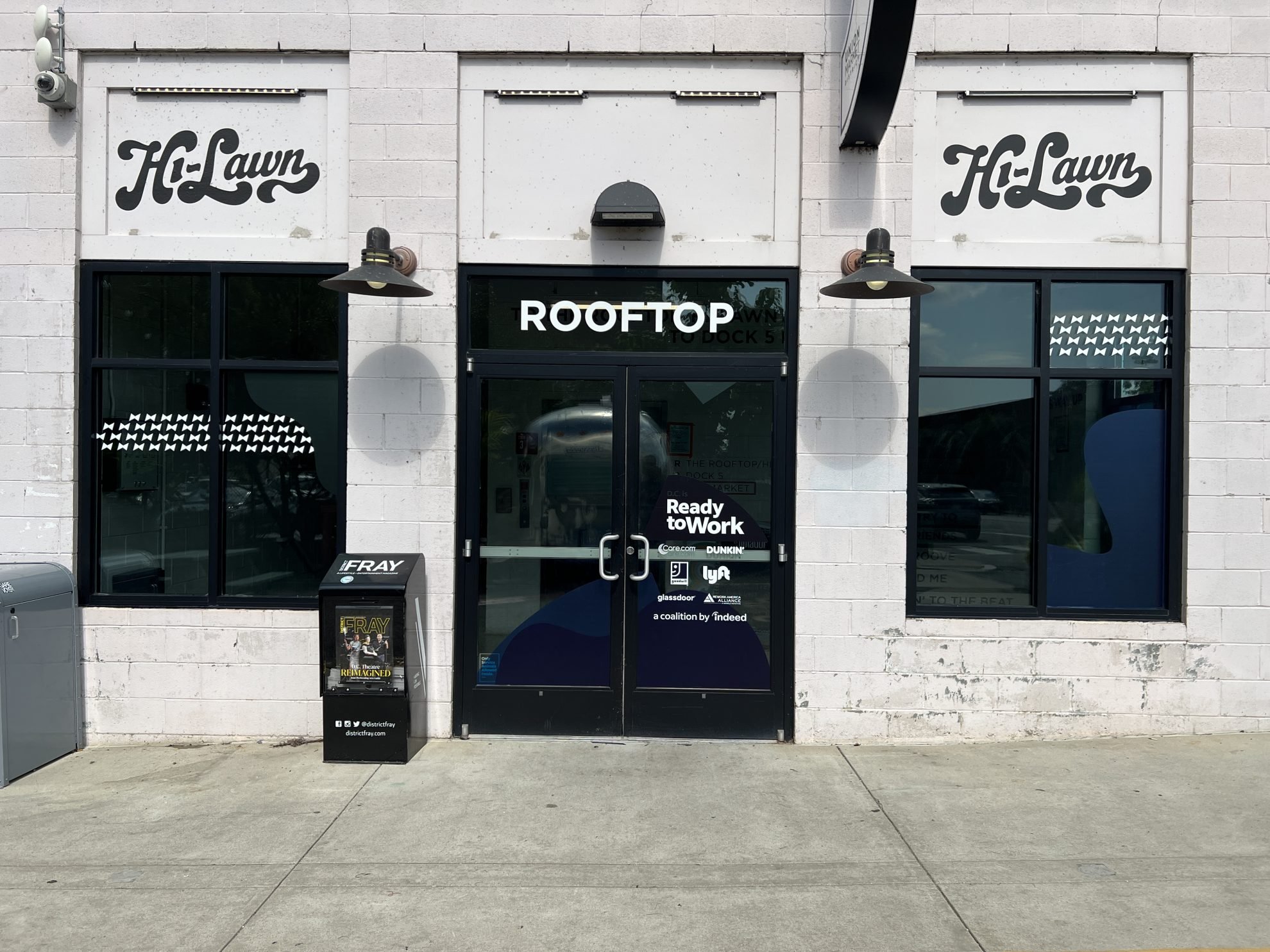
Heritage Signs & Displays' collaboration with The Gathery to brand Union Market in Arlington, VA, for Indeed's "Ready to Work" job fair. The project included custom event displays, wall graphics, window graphics, and wayfinding signs, creating an immersive and visually appealing environment. The branding enhanced the venue, reflected the event's mission, and provided a seamless experience for attendees.