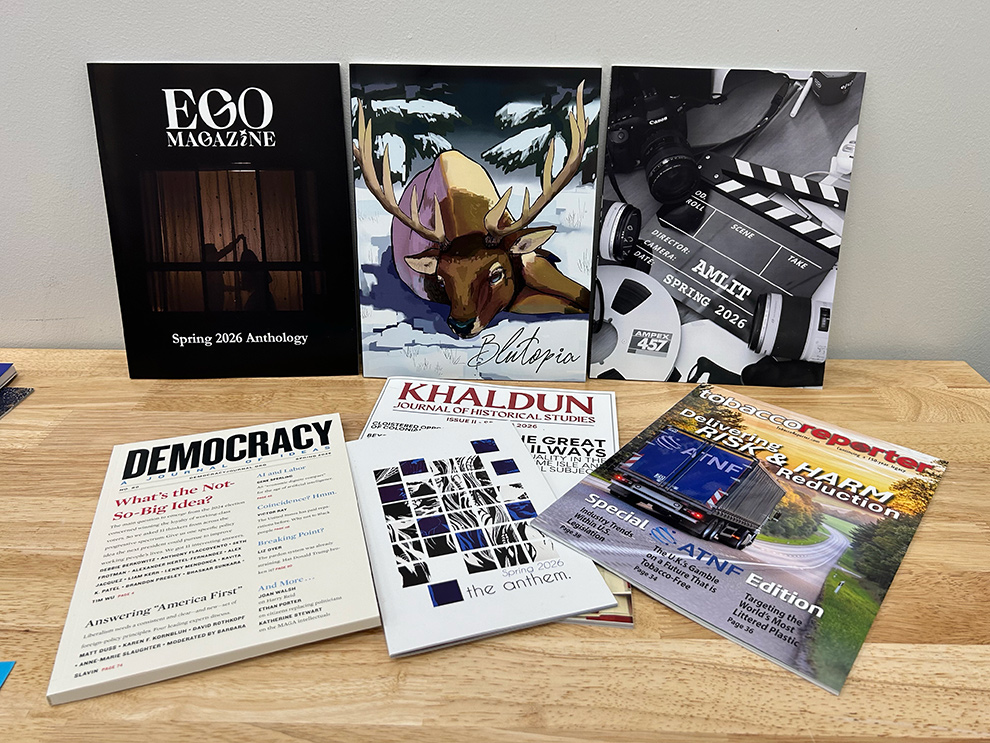
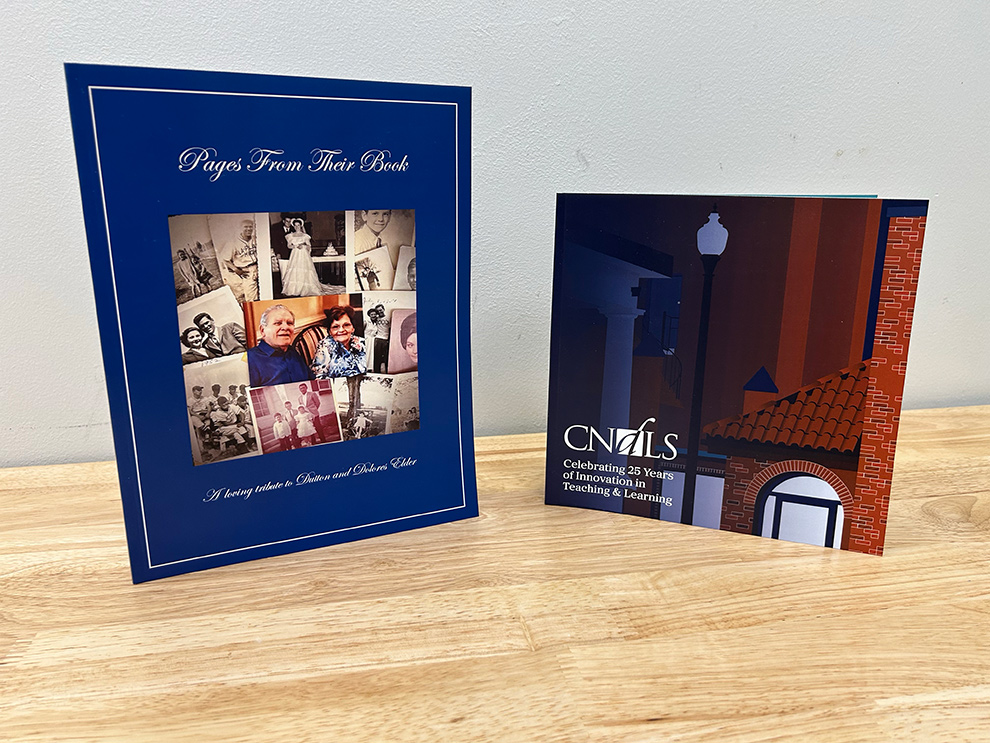
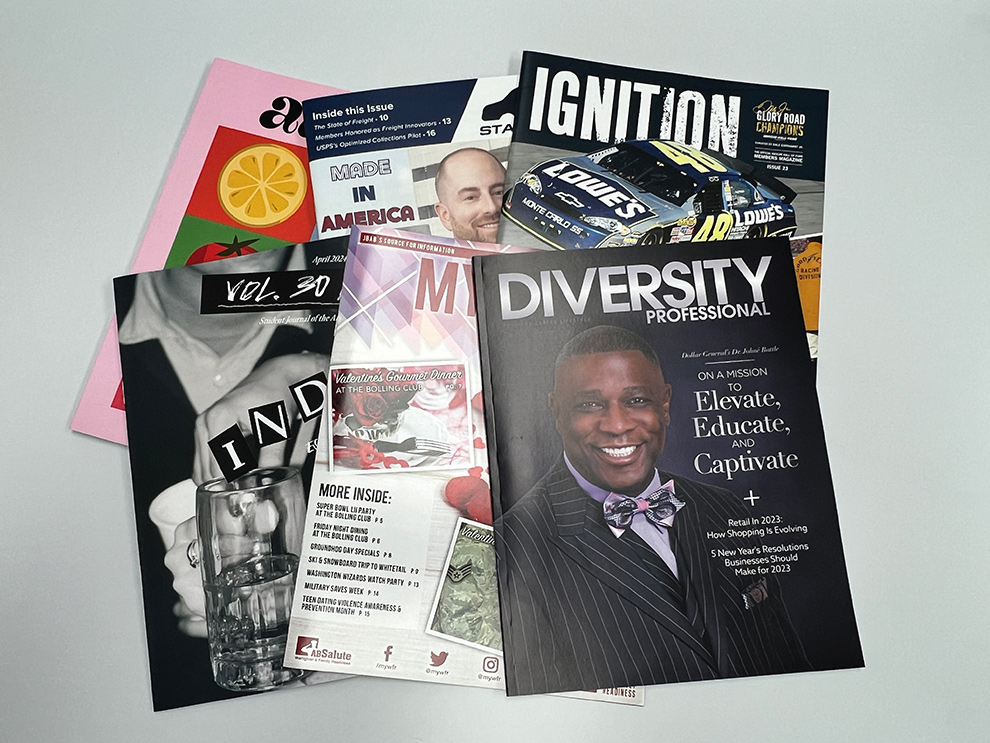
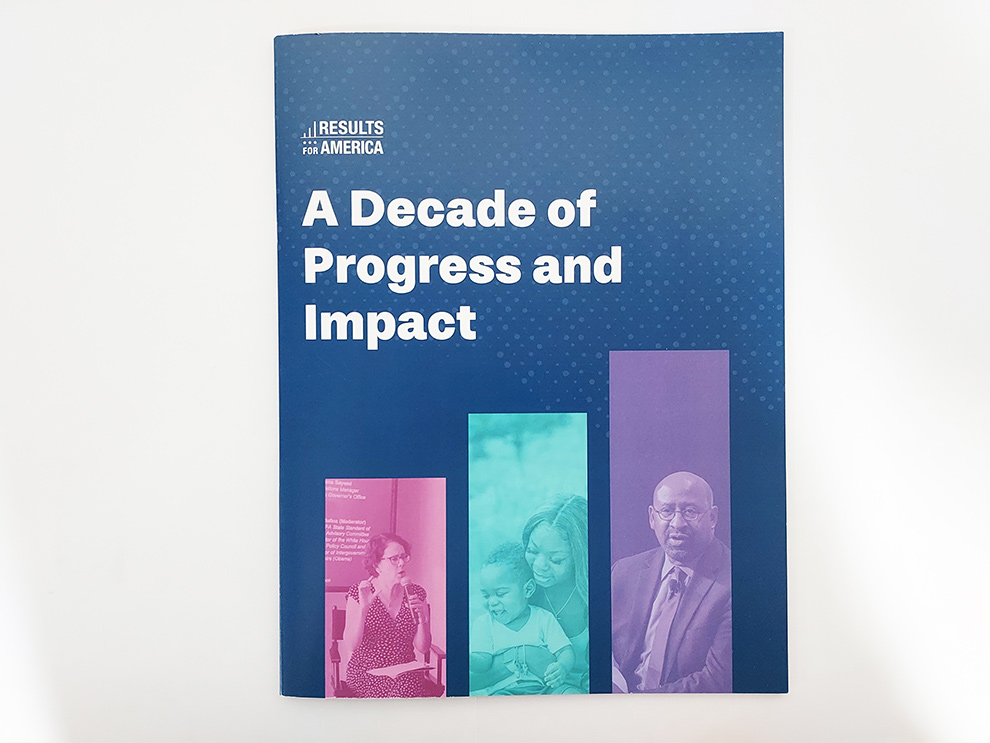
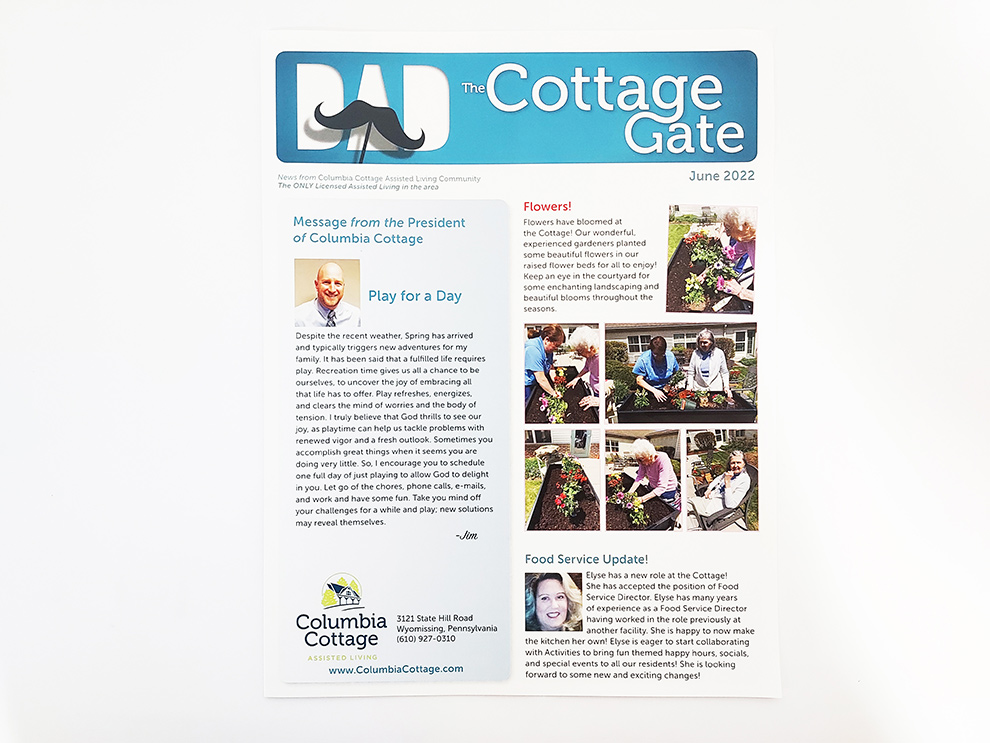
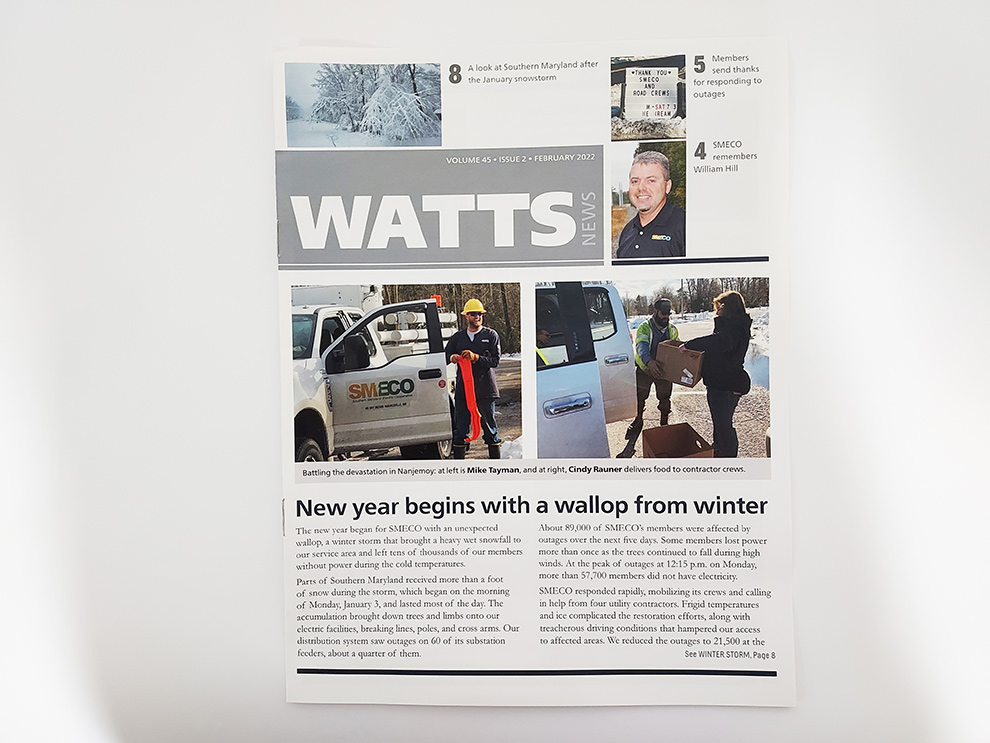
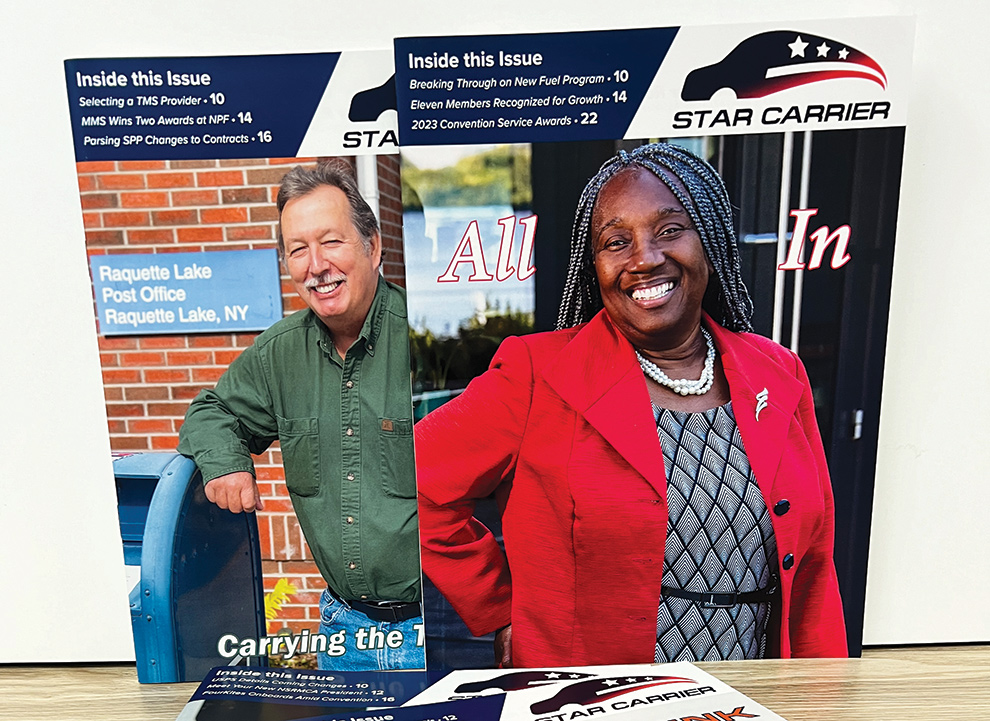
A newsletter is rarely a one-time project. It is a commitment to members, donors, employees, residents, or customers that arrives monthly, quarterly, or on whatever cadence the organization has promised. Heritage helps Atlanta, GA organizations keep that promise by producing each edition with the same care, the same specifications, and the same attention to the distribution date as the one before it.
Our role begins when the completed, print-ready file is in hand. From that point, the newsletter moves through electronic proofing, digital or offset printing, saddle stitching, and the agreed mailing, shipping, or delivery plan. Because we produce a high volume of multi-page publications, the production decisions that can slow a less experienced printer are routine for our team, and that familiarity shows up in cleaner finished pieces and fewer surprises.
Atlanta organizations publish newsletters for many reasons: a trade association updating its membership, a church or school reaching families, a neighborhood group informing residents, a healthcare system communicating with physicians, or a company keeping employees and investors informed. Whatever the audience, the newsletter represents the organization every time it lands in a mailbox or on a desk. Heritage treats each issue with that in mind.
Heritage has been printing since 1977. Nearly five decades of publication work have shaped a production process that favors consistency, honest communication, and disciplined quality control over shortcuts. We are veteran-owned, award-winning, and comfortable with the realities of recurring print programs, including shifting page counts, changing quantities, multiple versions, and distribution dates that cannot slip.
For a newsletter, the production details that matter most are often quiet ones. Does the color on the masthead match the last issue? Is the fold square and the spine flat? Are the pages in order and the crossovers aligned? Did the mail panel clear postal requirements the first time? These are the questions our production team checks on every edition, because a reader notices when they are missed even if they could not say why.
We also understand that the people managing an Atlanta newsletter are usually managing many other things at the same time. Communications directors, membership coordinators, executive assistants, and marketing managers do not need a lesson in imposition or paper weights. They need a printer who asks the right questions once, confirms the plan clearly, and then delivers. That is the standard Heritage holds itself to on every issue.
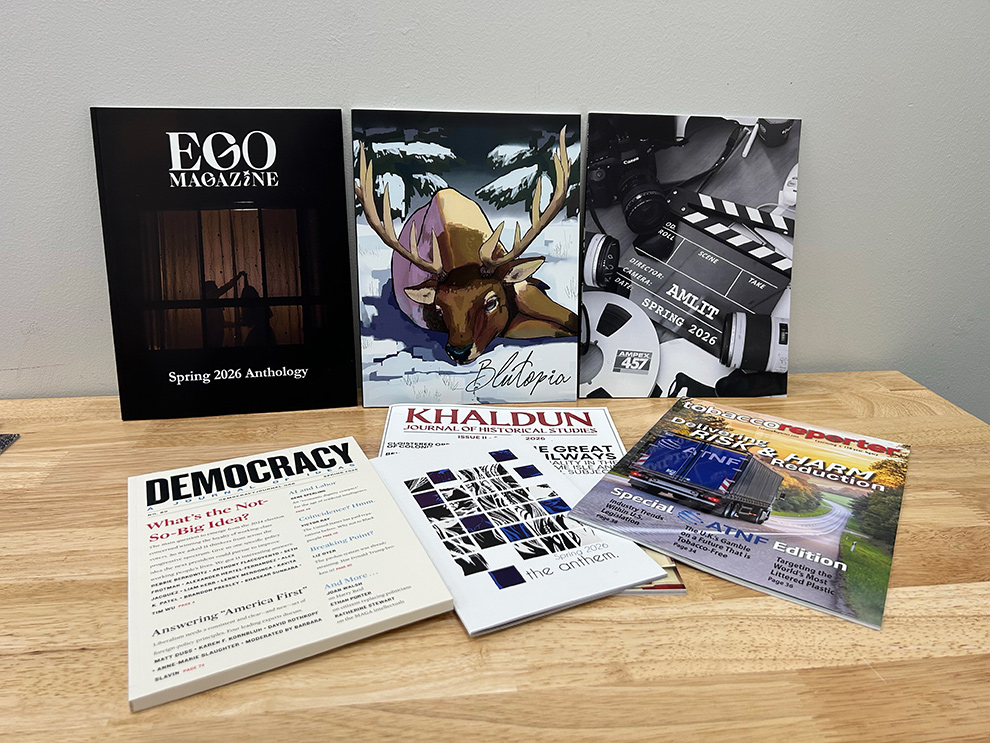
Suited to publications with larger page counts, a separate heavier cover, and a more developed editorial identity.
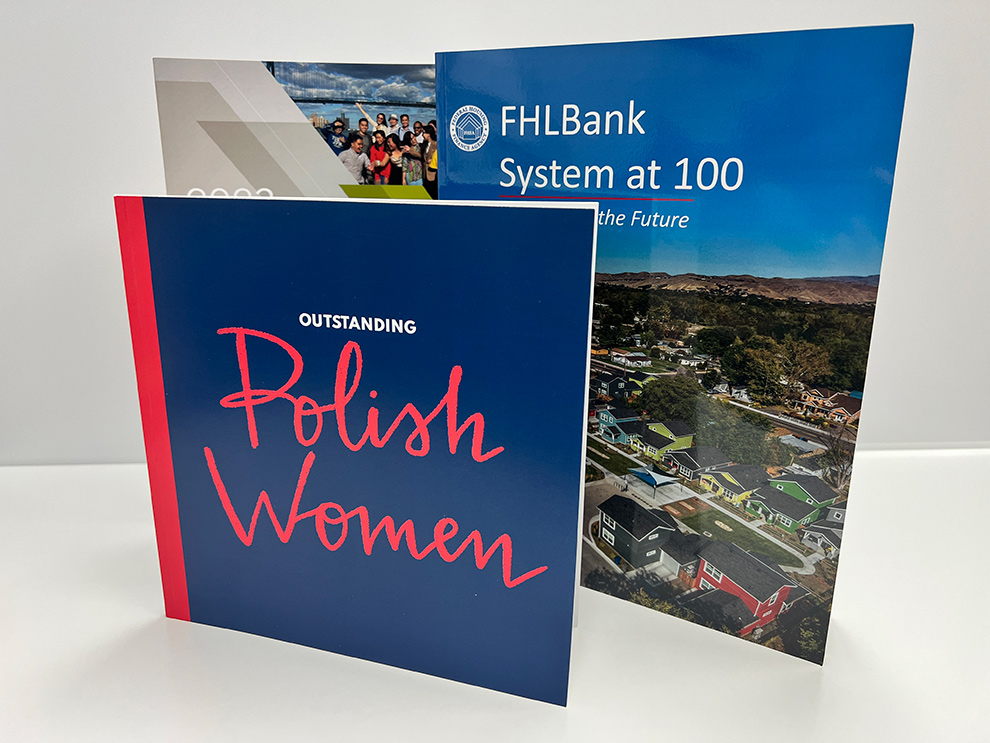
A practical format for guides, member directories, program books, and other compact bound communications.
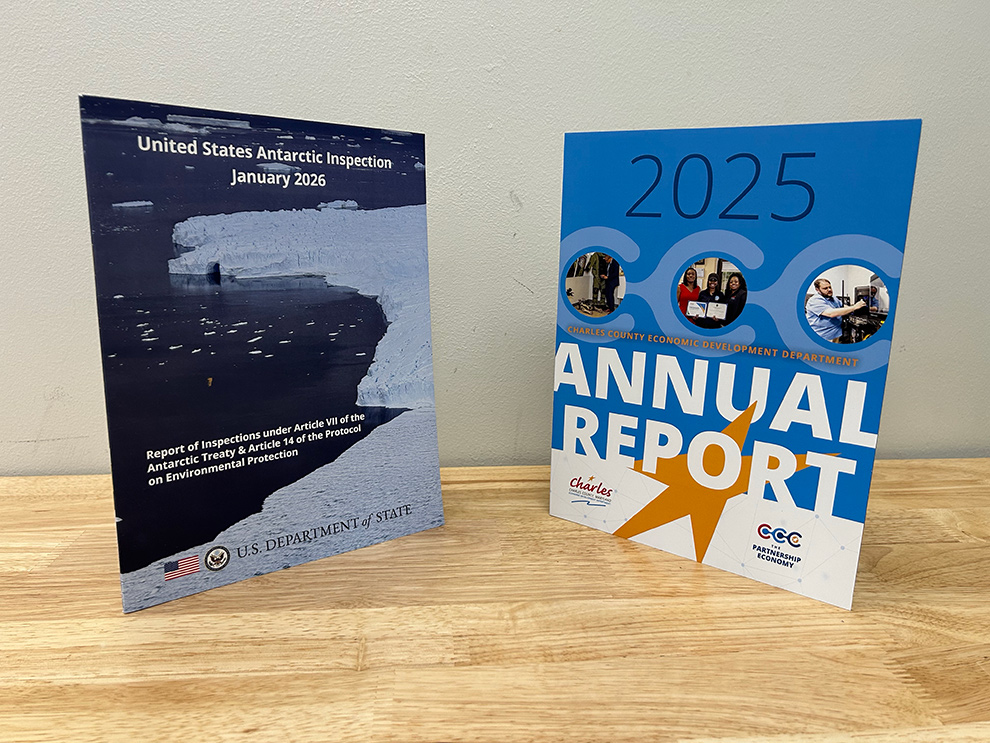
For yearly financial, governance, and impact reporting that calls for a more formal printed presentation.
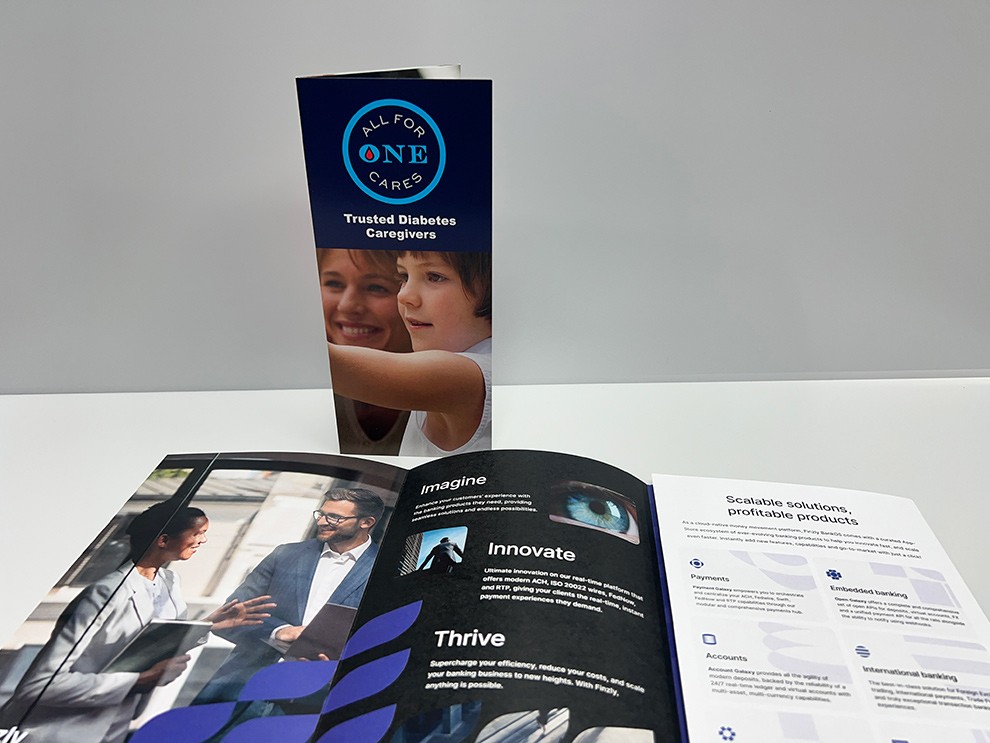
Folded pieces that communicate program information, campaigns, and outreach messages concisely.
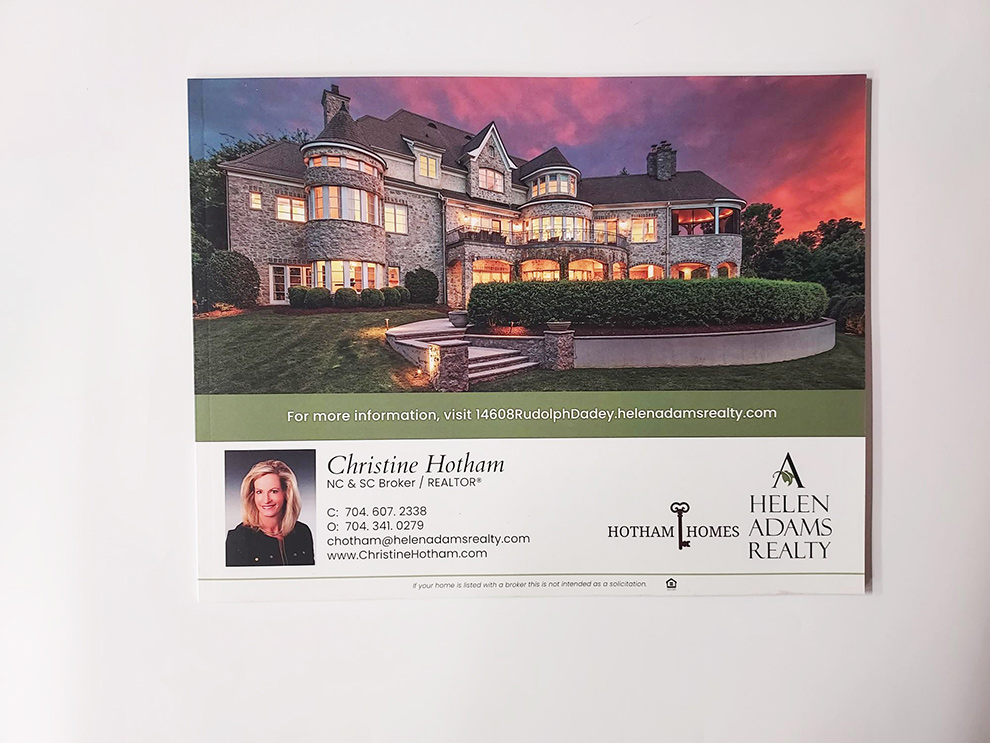
Addressing, postal preparation, and mailing coordination when a newsletter needs to reach a defined recipient list.
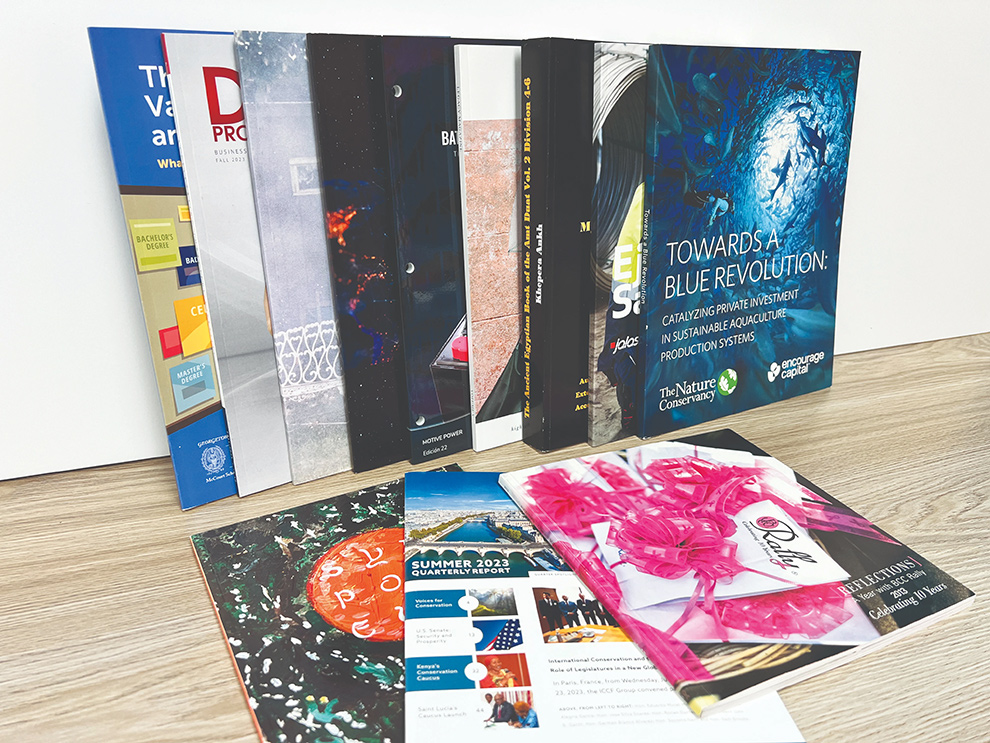
Complementary printed pieces that reinforce the message a newsletter carries to its audience.
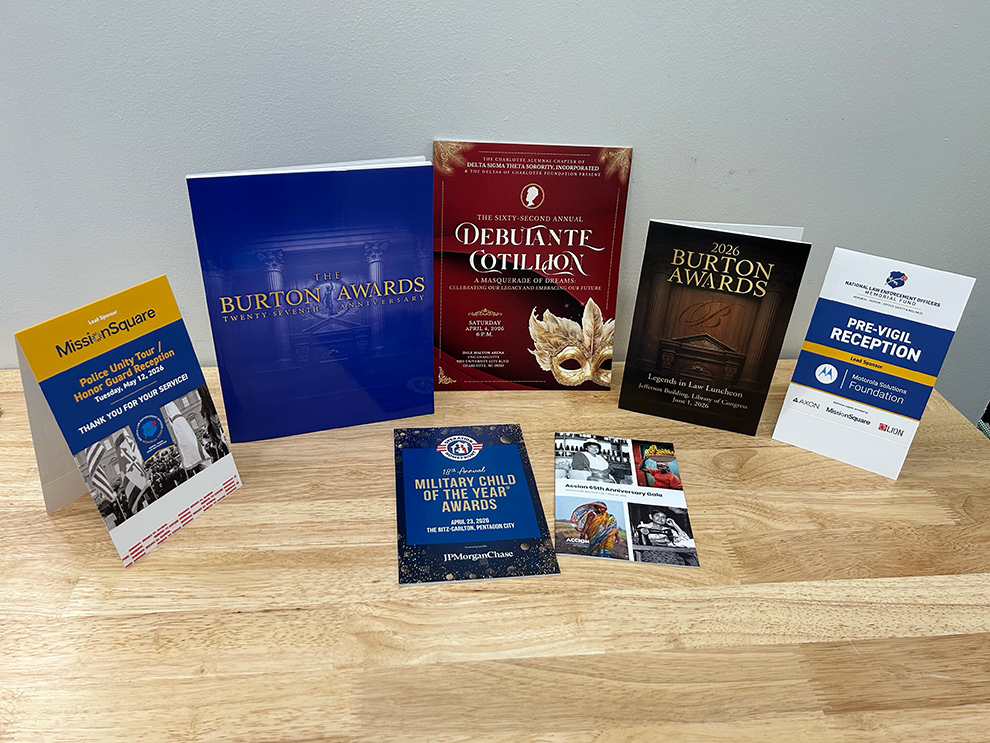
Printed schedules, speaker lists, and sponsor recognition for conferences, galas, ceremonies, and meetings.
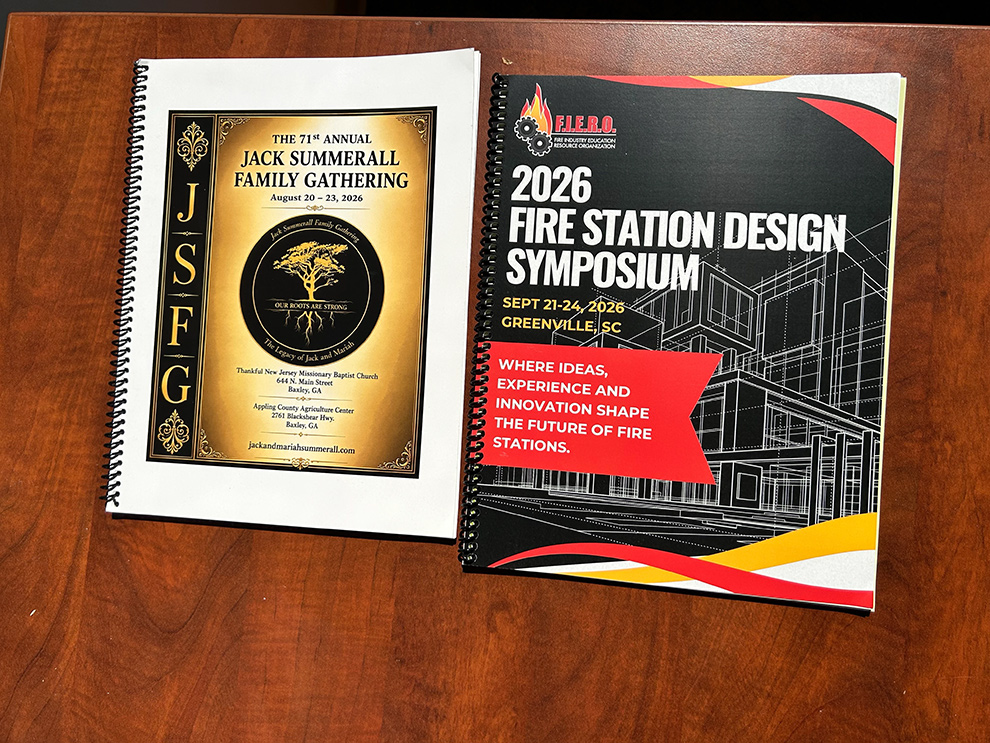
Reference and instructional content designed to be used repeatedly rather than read once and set aside.
Send your print-ready files, specifications, quantity, and distribution date through Custom Quote and your assigned Project Coordinator will contact you to confirm the production plan. If your newsletter is a straightforward, fully specified saddle-stitched piece and you are comfortable selecting options yourself, the Online Store offers a self-directed path with the same electronic proof before printing.
Once a Custom Quote is submitted, an assigned Project Coordinator reaches out to review the newsletter specifications, confirm the distribution date, and resolve any open questions before production begins. That Project Coordinator remains your single phone and email contact for the life of the project and, for recurring publications, often from one issue to the next.
Having one person who already knows your newsletter pays off in practical ways. When the spring issue runs four pages longer than the winter issue, your Project Coordinator already knows the paper, the cover construction, and the mailing requirements, so the conversation starts from a plan rather than from scratch. When a version needs to be added for a new donor segment or a regional chapter, the same person coordinates file naming, quantities, and approval so nothing is confused in production.
Every newsletter receives an electronic proof for review and approval before printing. After approval, the file moves into production, through saddle stitching, and into the agreed fulfillment path. Heritage can coordinate direct mail for Atlanta recipient lists, ship cartons to multiple locations, or prepare finished pieces for pickup and client distribution, depending on how your organization gets its newsletter into readers' hands.
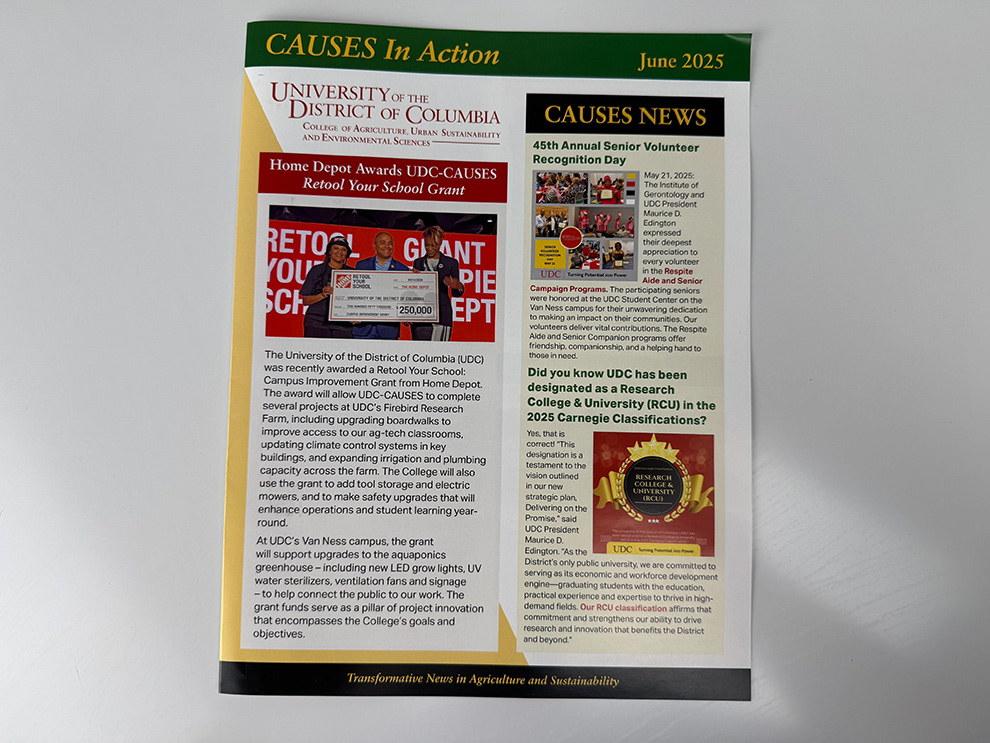
Yes. Heritage provides newsletter printing for associations, nonprofits, companies, schools, faith communities, healthcare organizations, and membership groups throughout Atlanta and the greater metro area. Finished newsletters can be mailed directly to Atlanta recipient lists, shipped to one or more addresses, or prepared for your own distribution.
Newsletters are produced as multi-page saddle-stitched publications. Most are self-cover, meaning the same paper runs throughout, though a separate heavier cover is available when the organization wants a more substantial feel. For newsletters with higher page counts, square-spine saddle stitching produces a flatter, squared spine instead of the rounded bulge that can develop as pages are added.
In most cases, yes. Share a physical sample of the prior issue along with its finished size, page count, and paper if known. Your Project Coordinator will review the sample, recommend the closest production match, and note any differences before proofing. If exact color continuity is critical, a Physical Production Color Proof can establish a reference on the actual production paper.
Organizations often need regional, departmental, chapter, or donor-segment editions with different covers, inserts, quantities, or mailing lists. Heritage handles these as clearly labeled versions within a single project. Consistent file naming, a confirmed quantity for each version, and a single approval owner keep the editions organized through electronic proofing, printing, stitching, and fulfillment.
Send completed, print-ready newsletter artwork along with the finished size, page count, paper preference if you have one, quantity, and required in-hand or mail date. If the newsletter will be mailed, include the recipient list format and any postal permit information. Your Project Coordinator will confirm receipt and follow up with any questions needed to finalize the plan.
Every newsletter order, whether placed through Custom Quote or the Online Store, receives an electronic proof for review and approval. Use it to verify copy, images, page sequence, cover treatment, mail panel placement, and version details. Approval of the electronic proof authorizes production of that file; it does not serve as a physical color standard.
Yes. When direct mail is part of the project, you supply an accurate, authorized recipient list and Heritage coordinates addressing, postal preparation, and mail entry as part of the production plan. Finished size, weight, and quantity are considered up front so the newsletter qualifies for the intended mail class. Delivery performance after the piece is accepted by USPS is outside Heritage's control.
No. Heritage focuses on production and works from completed, print-ready files supplied by the client or the client's designer. For Custom Quote projects, our prepress team can make limited production-oriented adjustments, such as correcting bleed or resolving a minor imposition issue, so supplied artwork prints properly. Online Store orders must be fully print-ready as submitted.
The Online Store suits straightforward, fully specified, print-ready newsletters that match an available saddle-stitched booklet configuration. It is designed for clients who can choose their options independently and do not need an assigned Project Coordinator, multiple versions, mailing coordination, or a Physical Production Color Proof. Every Store order still receives an electronic proof before printing.
Request a Custom Quote when the newsletter involves direct mail, multiple versions, a separate cover, a nonstandard size or paper, a compressed schedule, limited artwork adjustments, or when you simply prefer a direct contact who manages the project with you. Custom Quote is also the route for any project that may need a Physical Production Color Proof.
Share your publishing calendar and expected specifications as early as possible, even before each issue's artwork is final. Advance notice lets Heritage reserve paper and production capacity so the issue moves promptly once the file is approved. The single largest driver of an on-time newsletter is the date the completed, print-ready file and approval arrive.
Tell your Project Coordinator as soon as you know the file will be late, along with the date the newsletter must be in hand or in the mail. We will review the remaining window honestly, identify what has to happen first, and explain what is realistically achievable. When an accelerated path is workable, Heritage pursues it with urgency rather than defaulting to a standard turnaround.
For Custom Quote projects where printed color is especially important, Heritage can produce a paid Physical Production Color Proof on the same production printer and paper intended for the final run. This creates a tangible color reference the client approves before the full quantity prints. It adds time to the schedule and is most valuable for newsletters with brand-critical color or photography.
Yes. Once finished size, paper, cover construction, stitching style, and color expectations are established, they become the working baseline for future editions. Each issue is still reviewed on its own because page counts, quantities, versions, and mailing requirements frequently change, but the baseline keeps the newsletter consistent and the planning conversation short.
Consistency comes from repeatable specifications, calibrated production equipment, and a quality-control review on every run. Heritage checks color against the approved standard, verifies pagination and trim, and inspects stitching and folding before fulfillment. For recurring newsletters, your Project Coordinator also keeps the production history on file so each edition starts from a known, approved configuration.
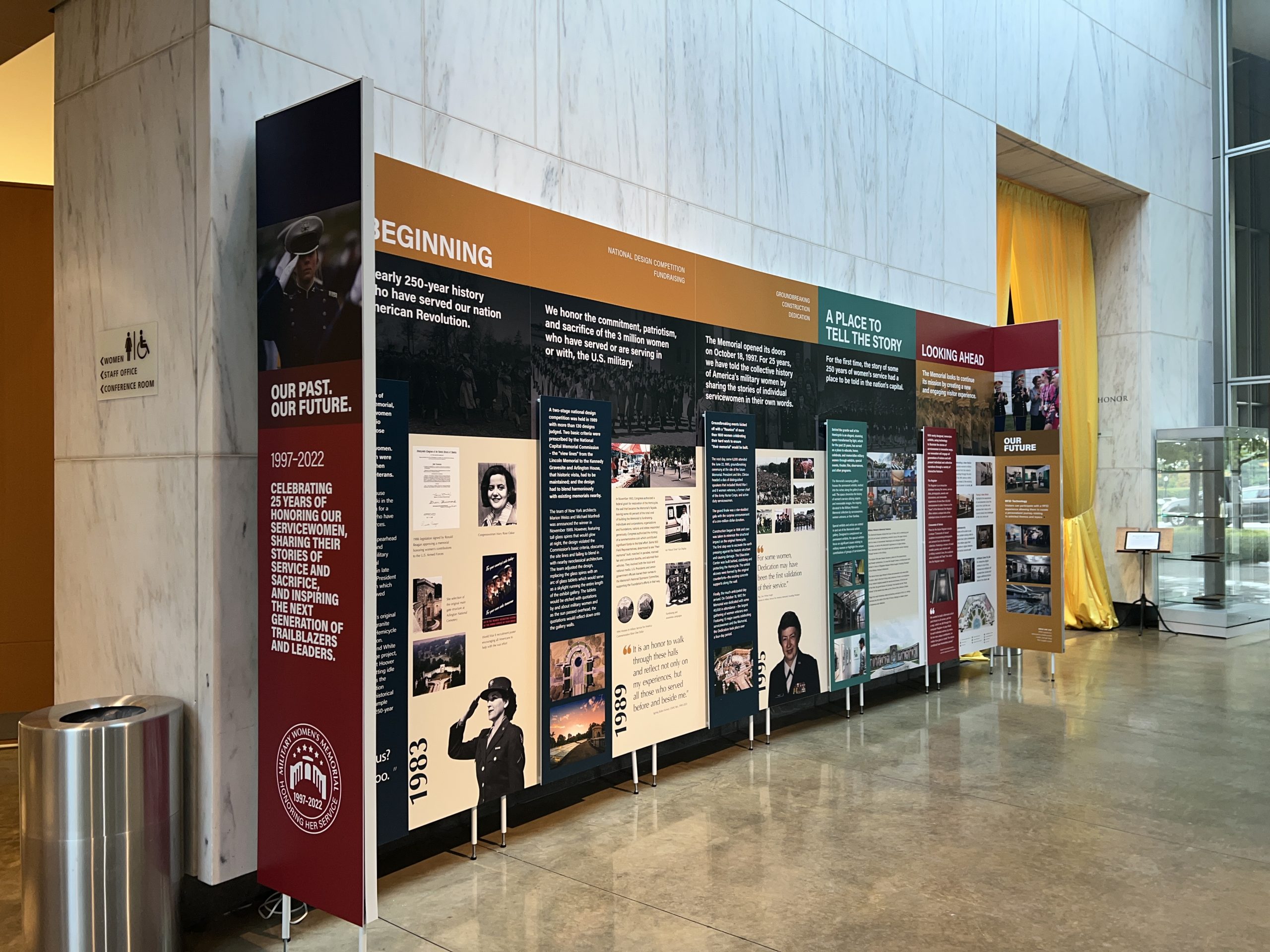
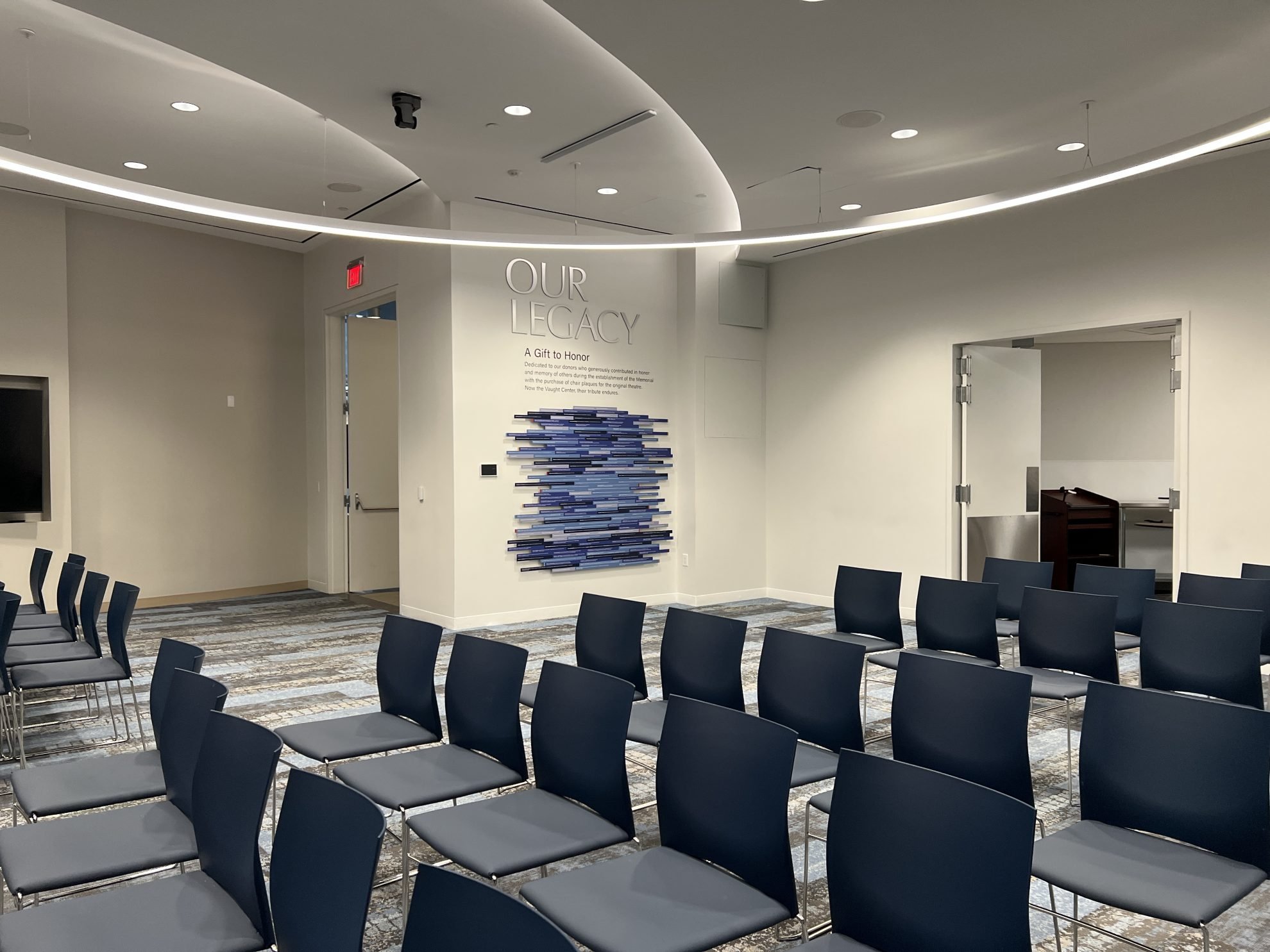
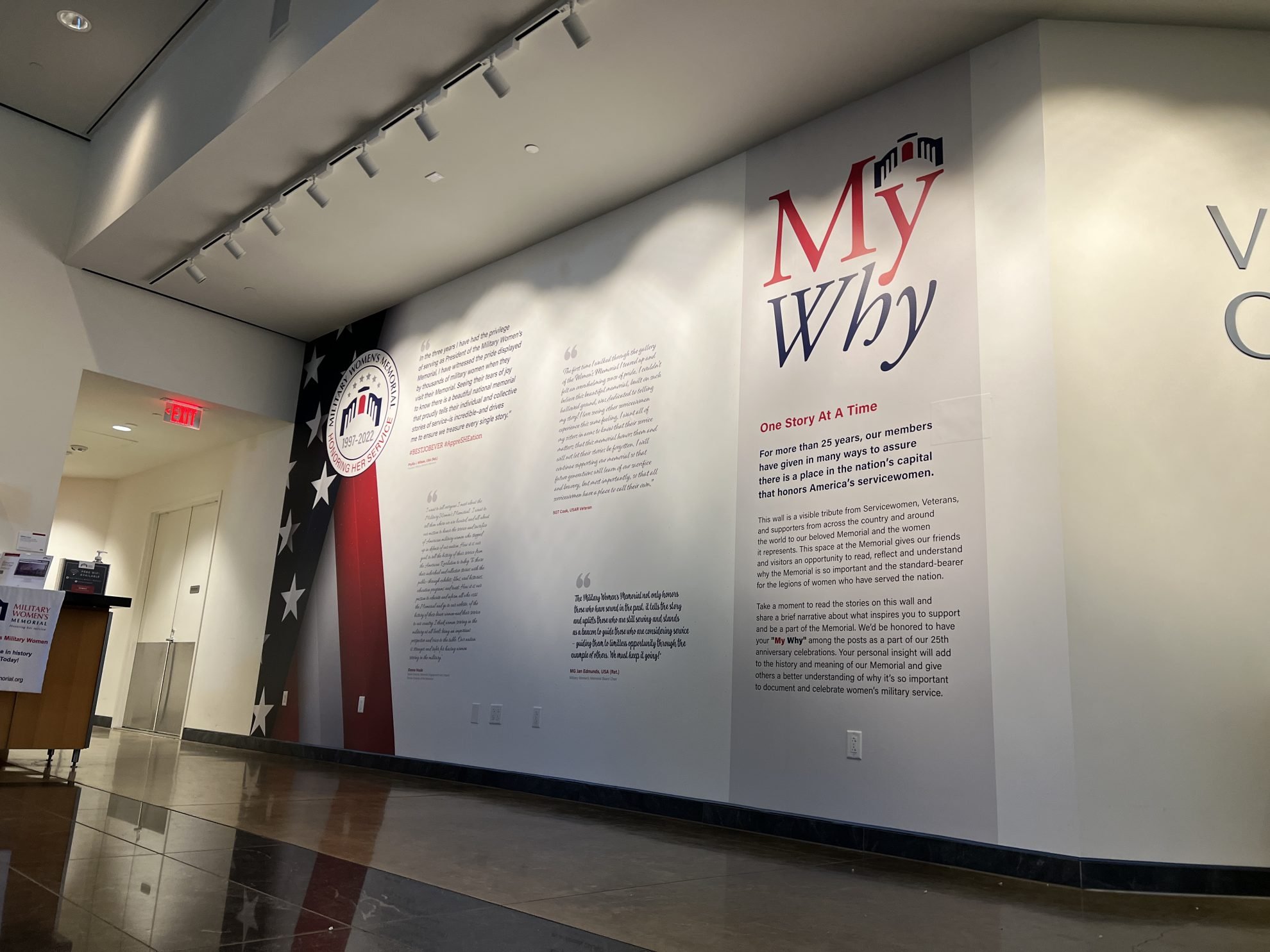
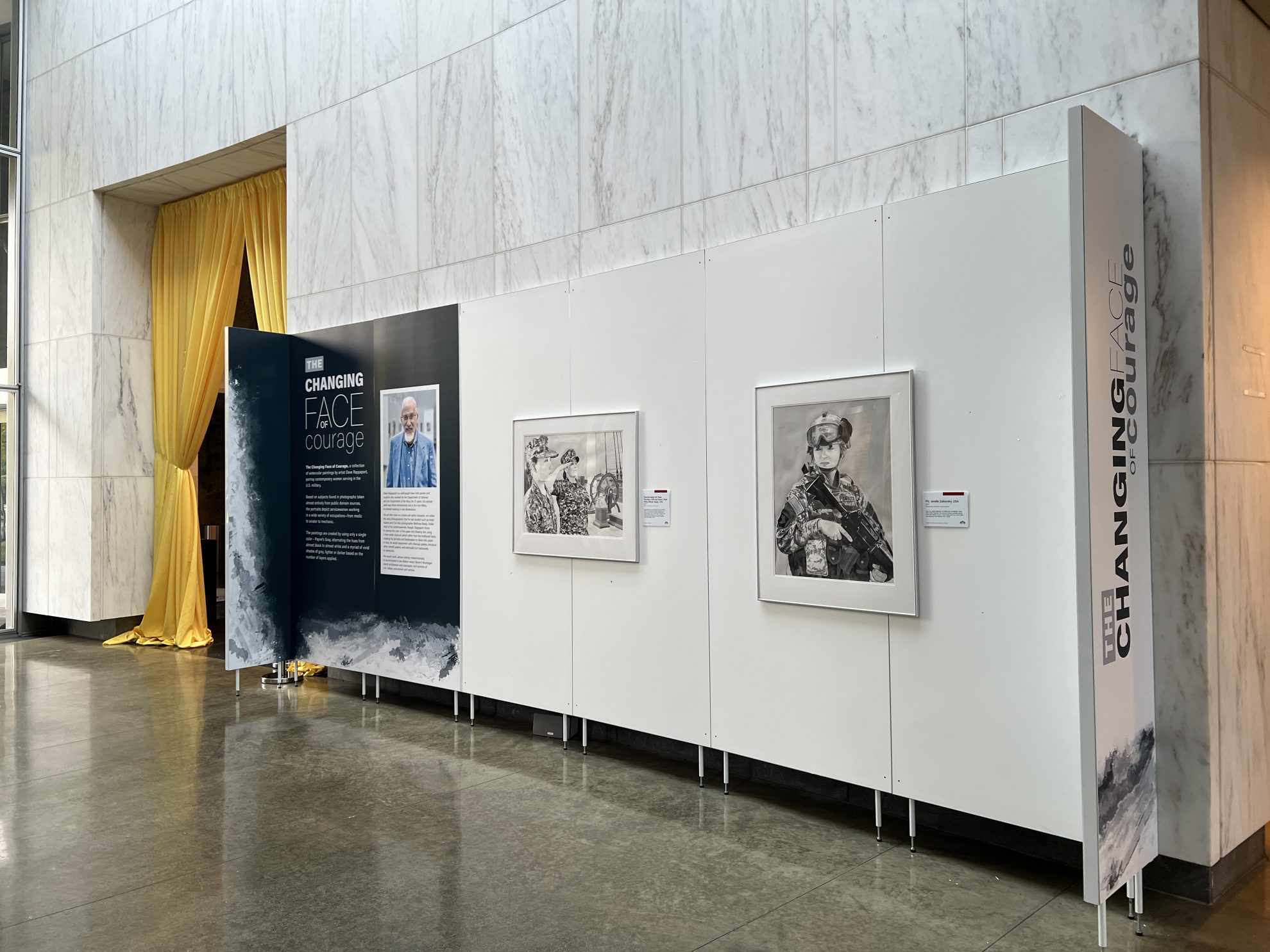
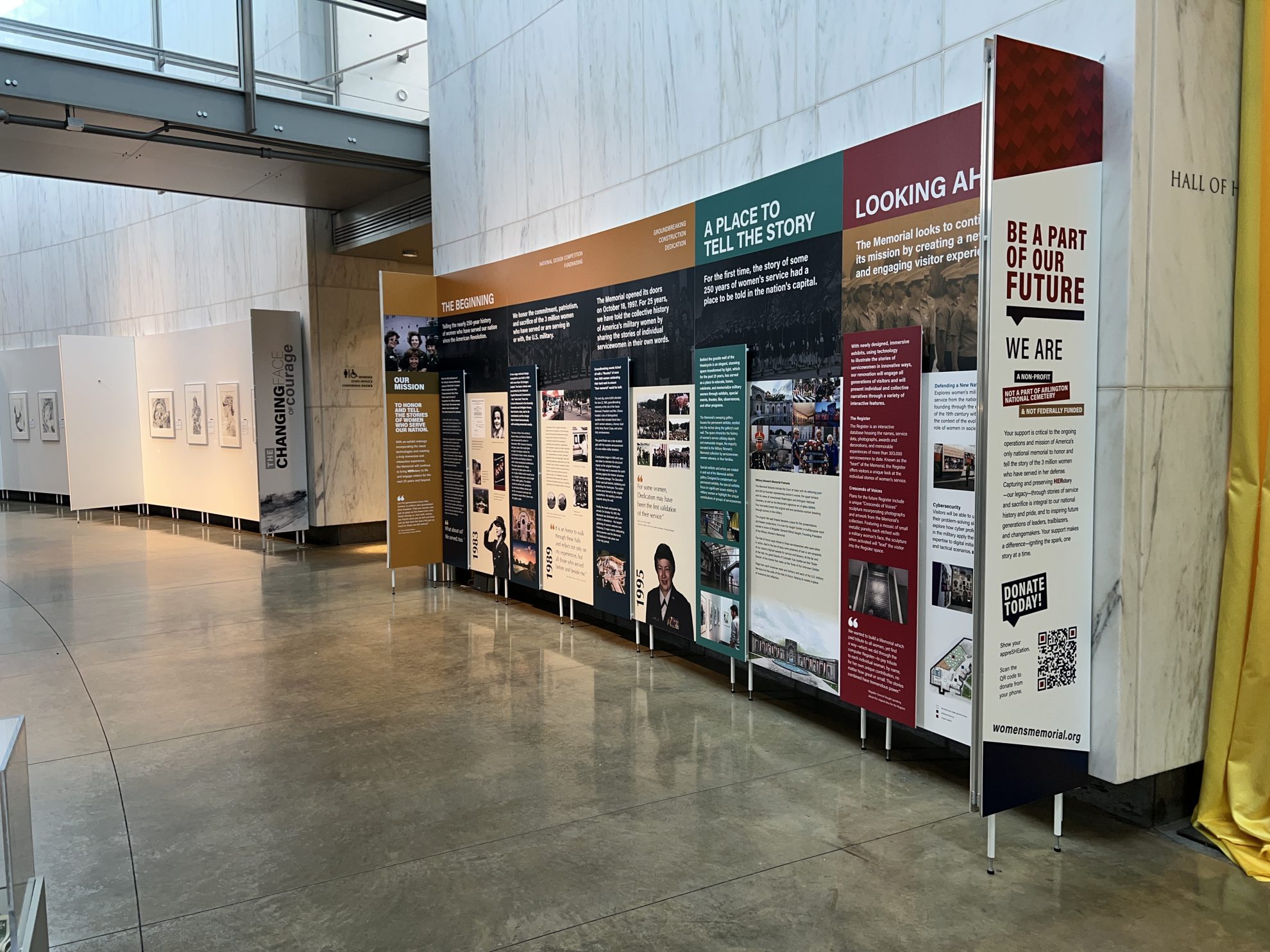
Heritage Signs & Displays created new museum signage for the Military Women’s Memorial in Arlington, VA. The project included custom signs, wall wraps, dimensional letters, and standoff-mounted displays to honor the legacy of U.S. servicewomen and the donors who supported the memorial. The updated interior features impactful designs, including a "Our Legacy" wall display and panels showcasing historical contributions and artwork, creating a transformative tribute to women in the U.S. Armed Forces.
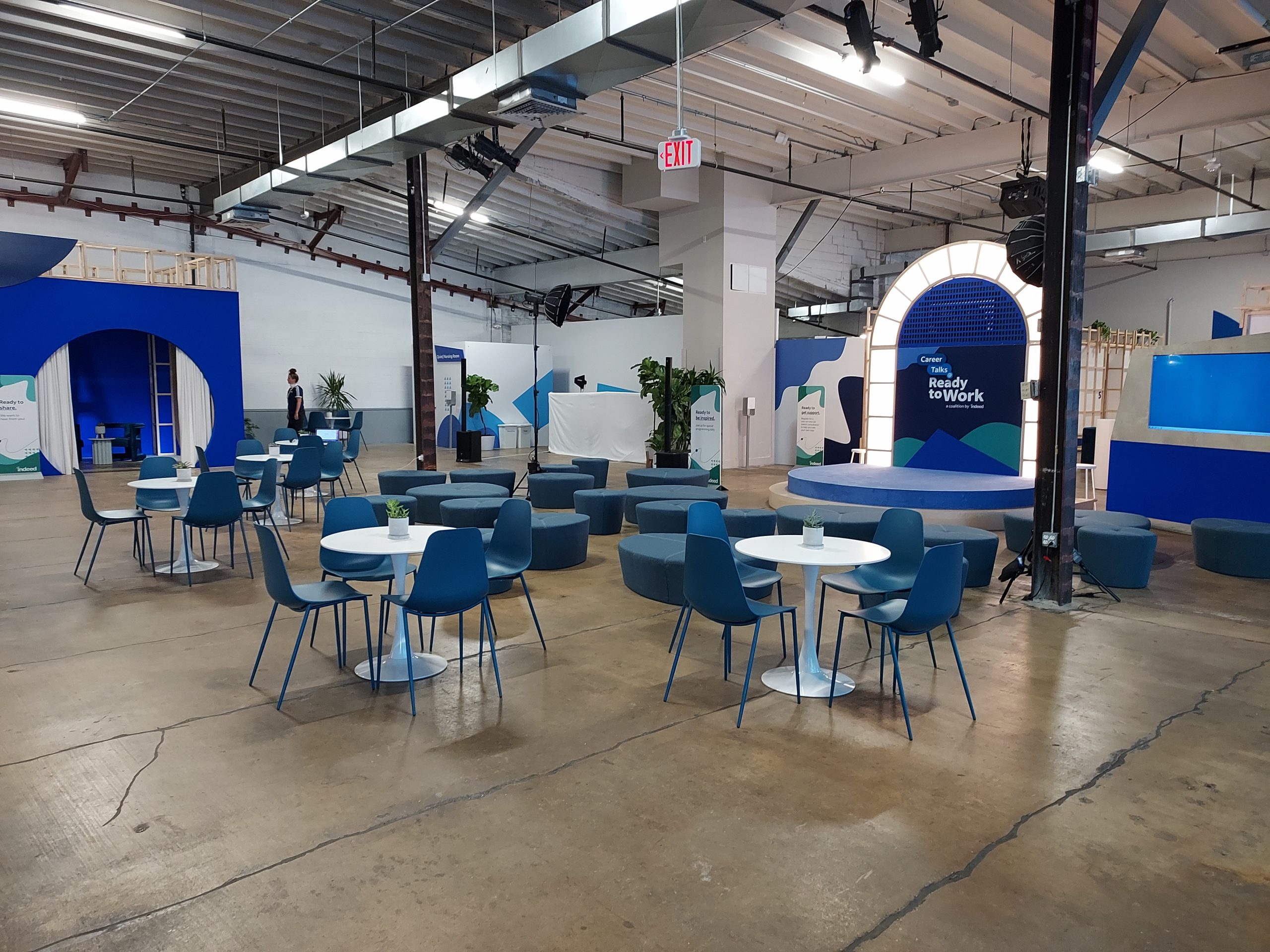
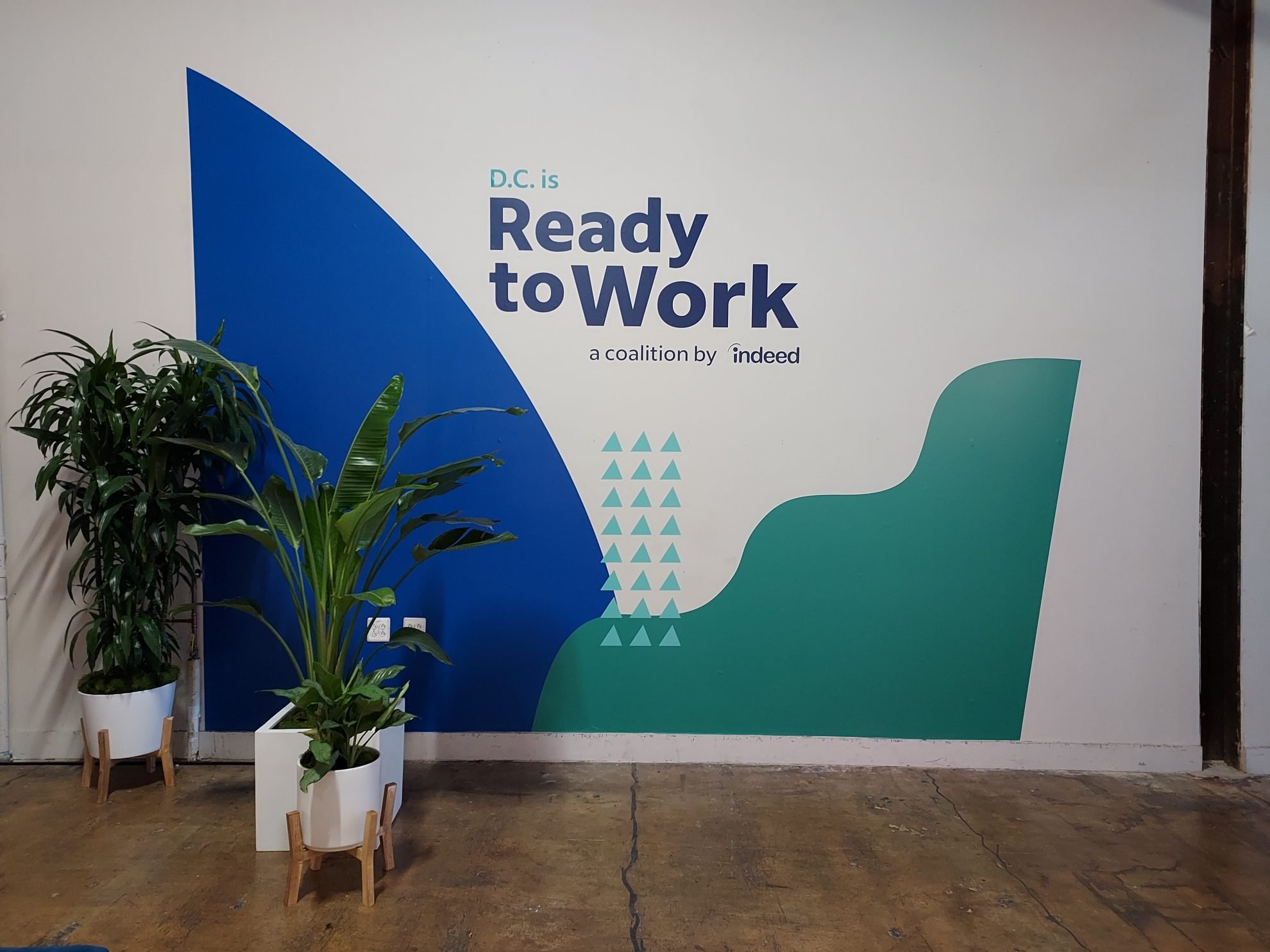
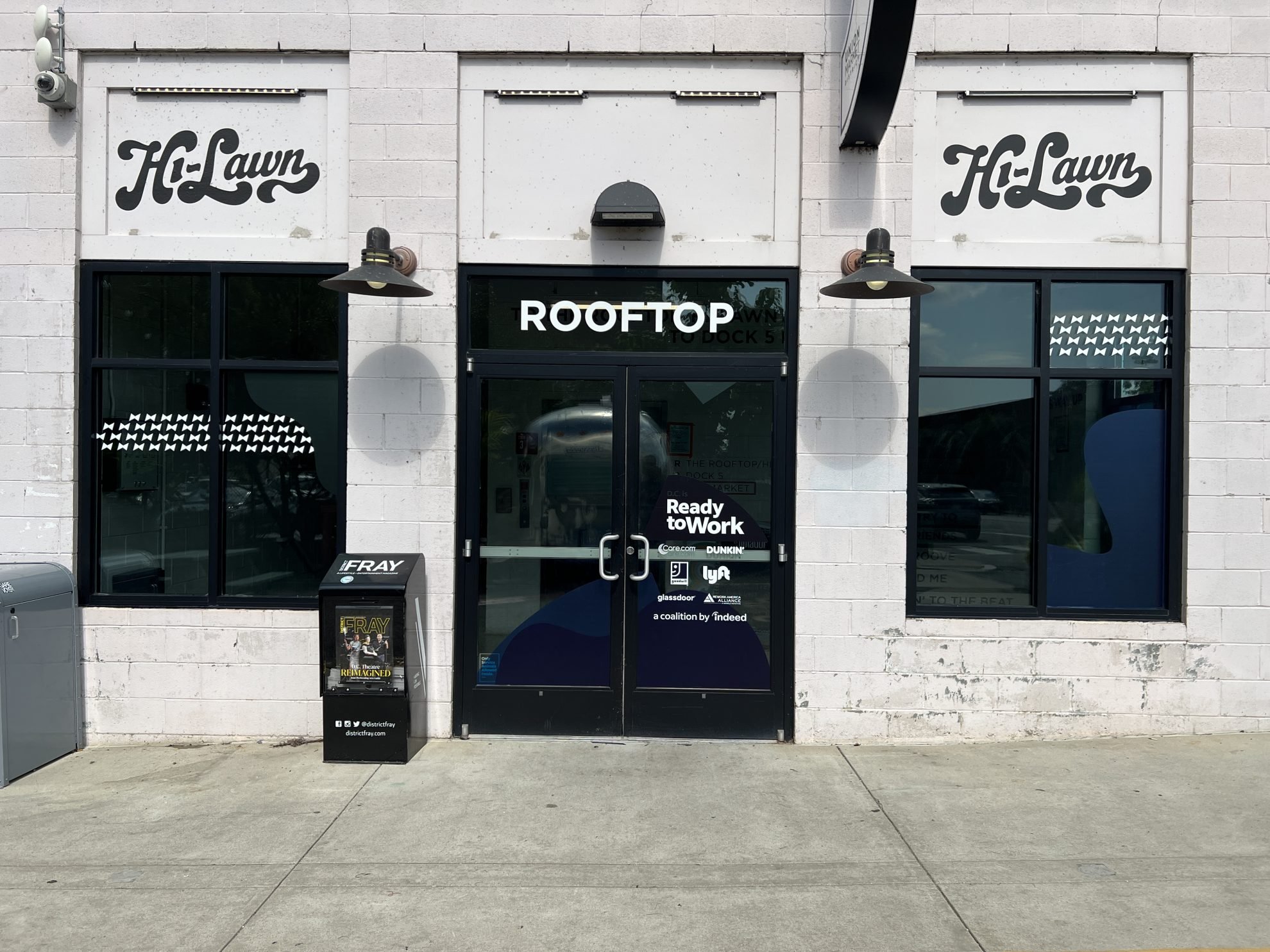
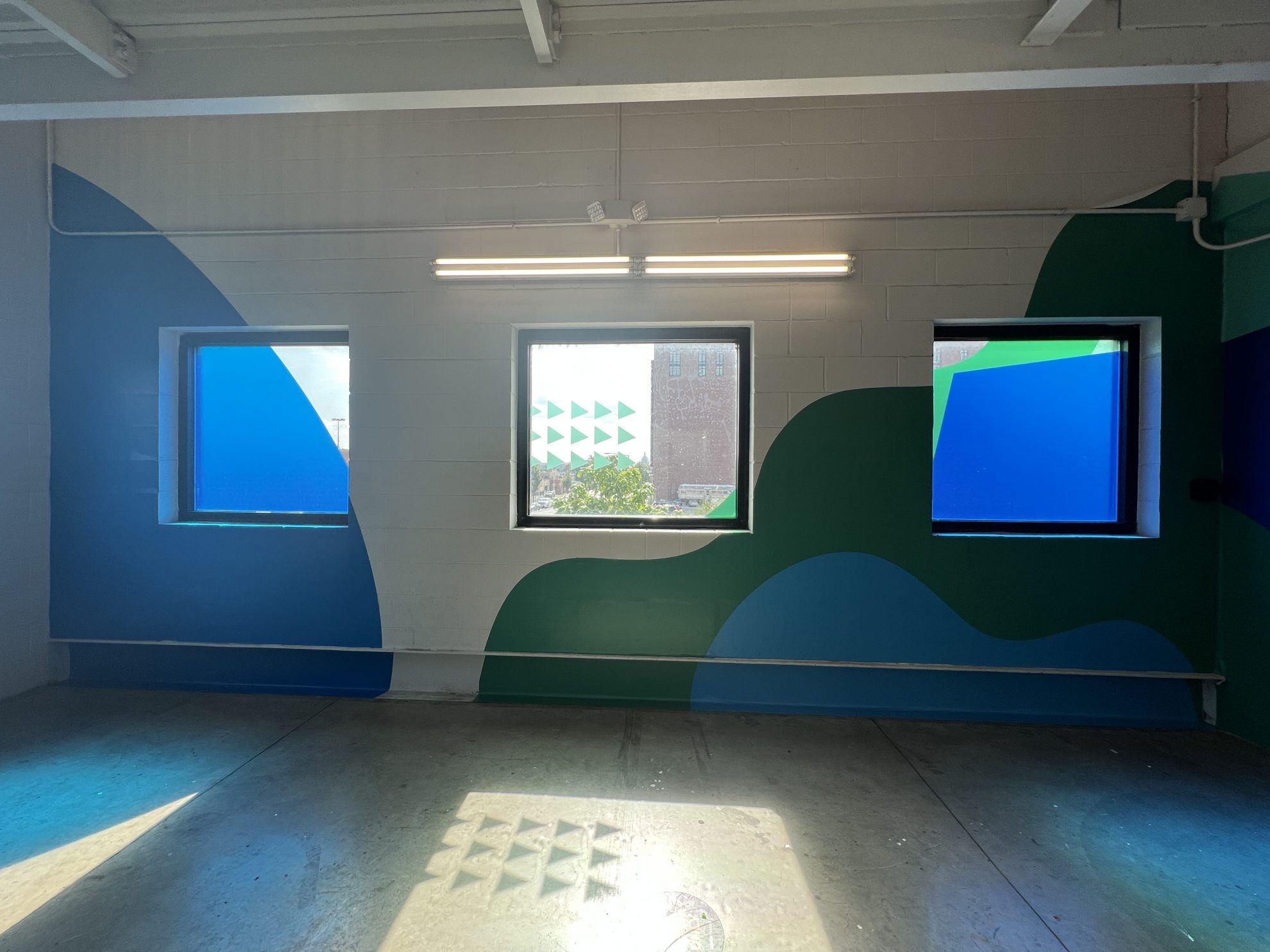
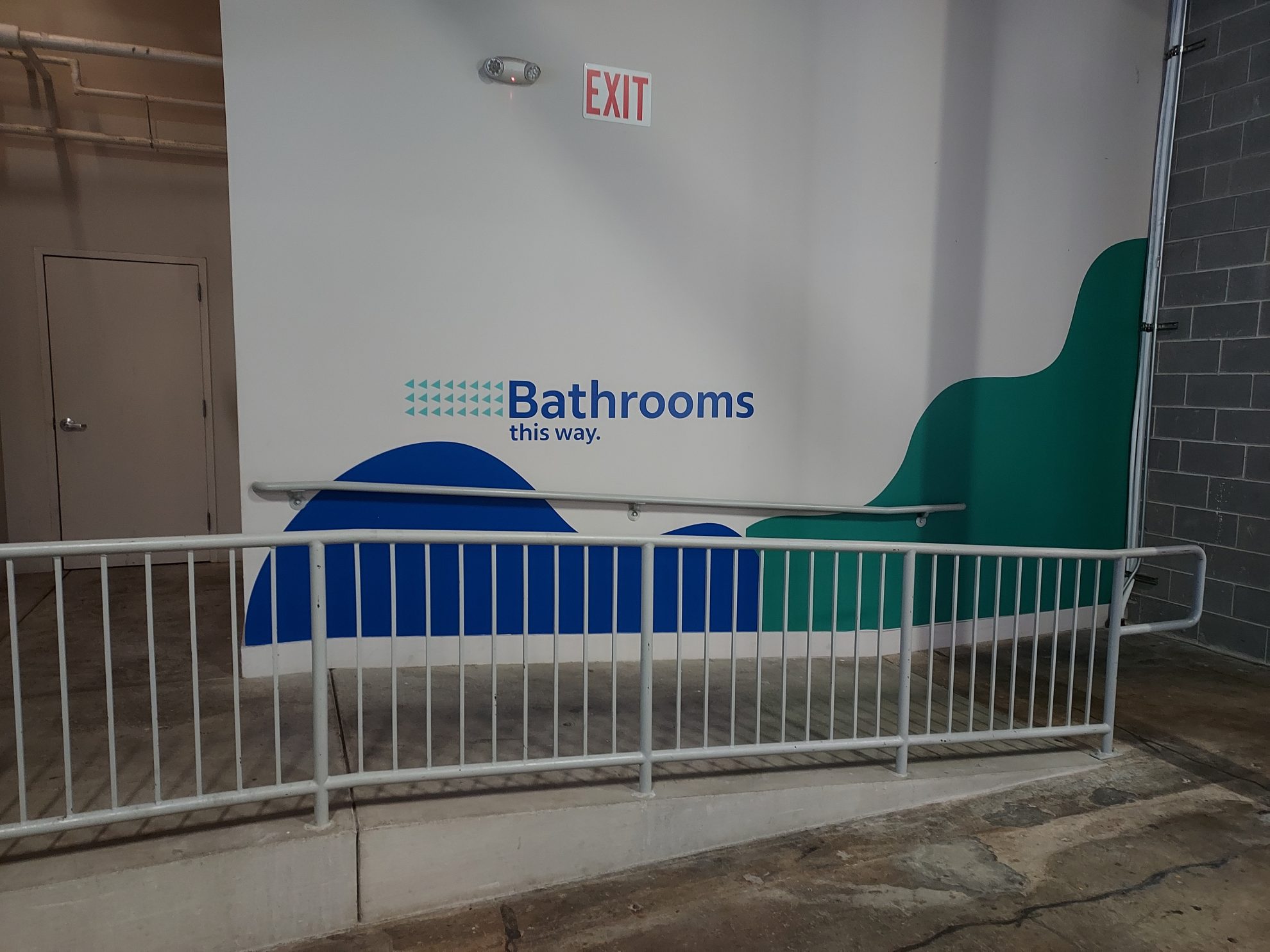
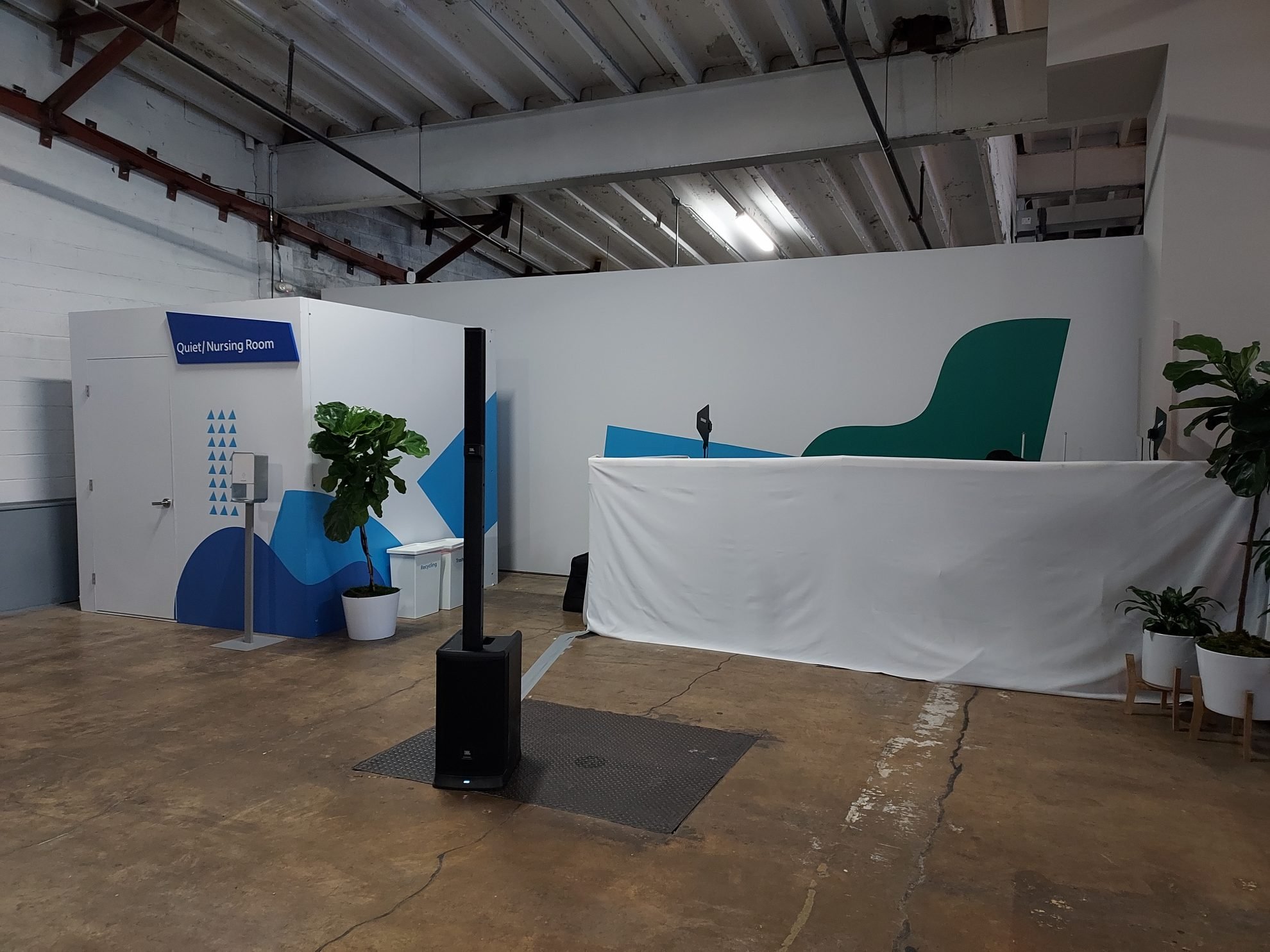
Heritage Signs & Displays' collaboration with The Gathery to brand Union Market in Arlington, VA, for Indeed's "Ready to Work" job fair. The project included custom event displays, wall graphics, window graphics, and wayfinding signs, creating an immersive and visually appealing environment. The branding enhanced the venue, reflected the event's mission, and provided a seamless experience for attendees.