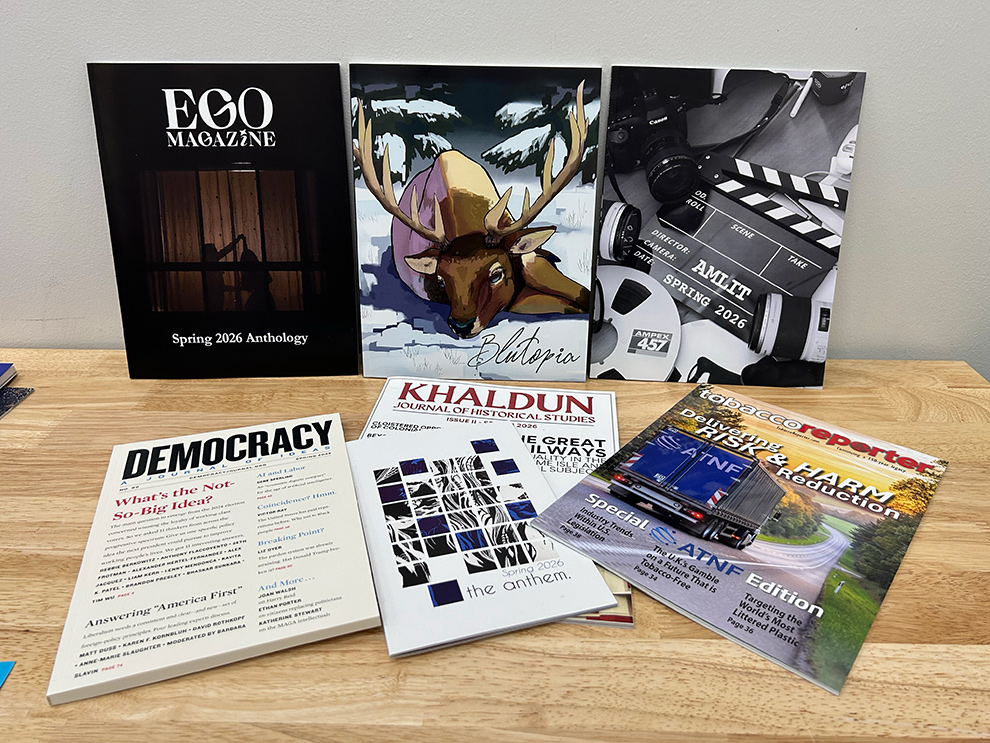
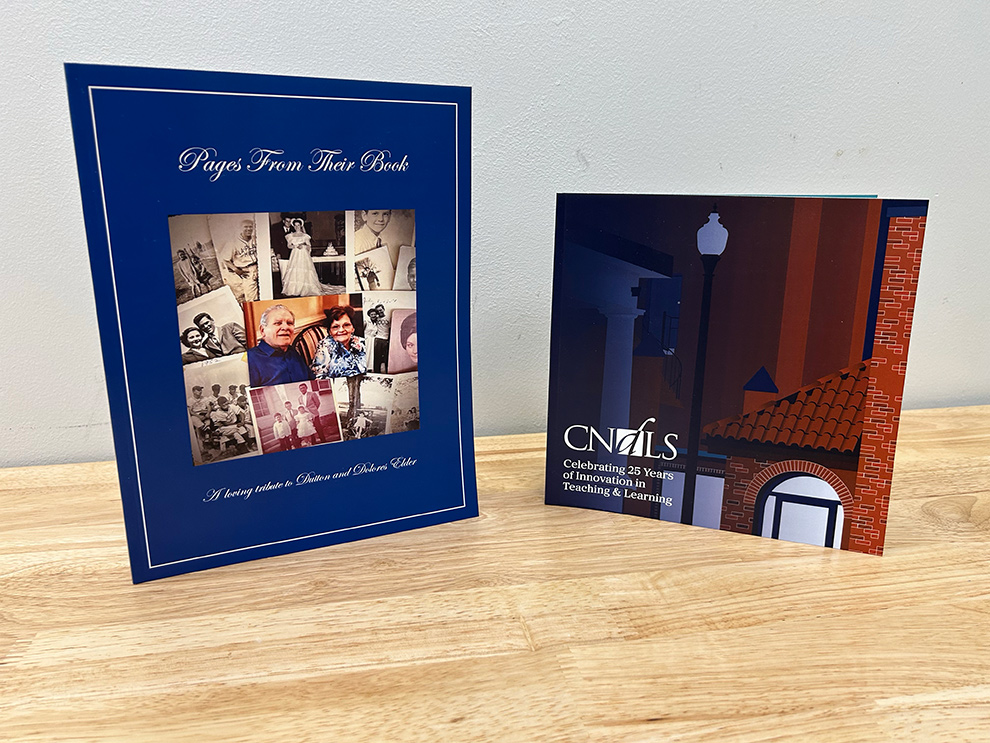
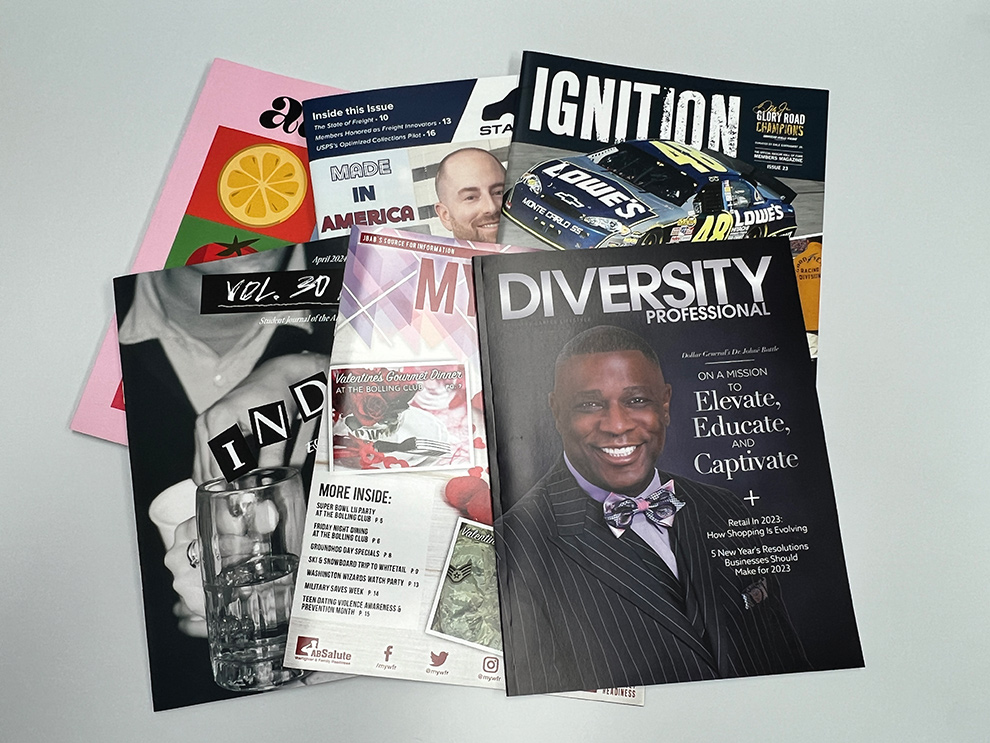
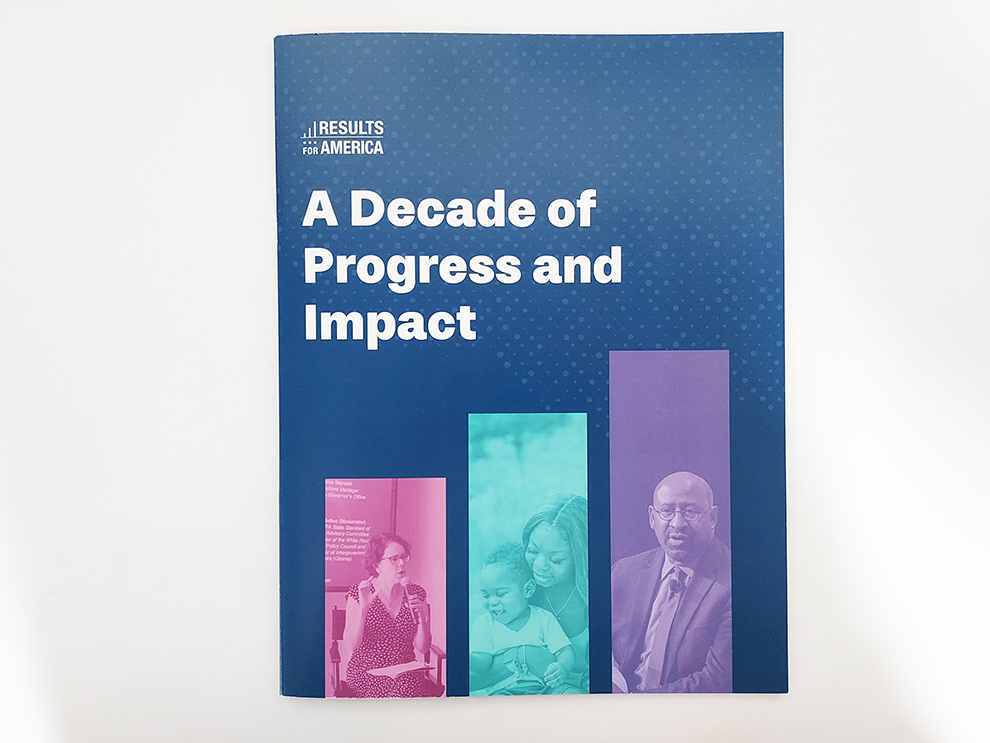
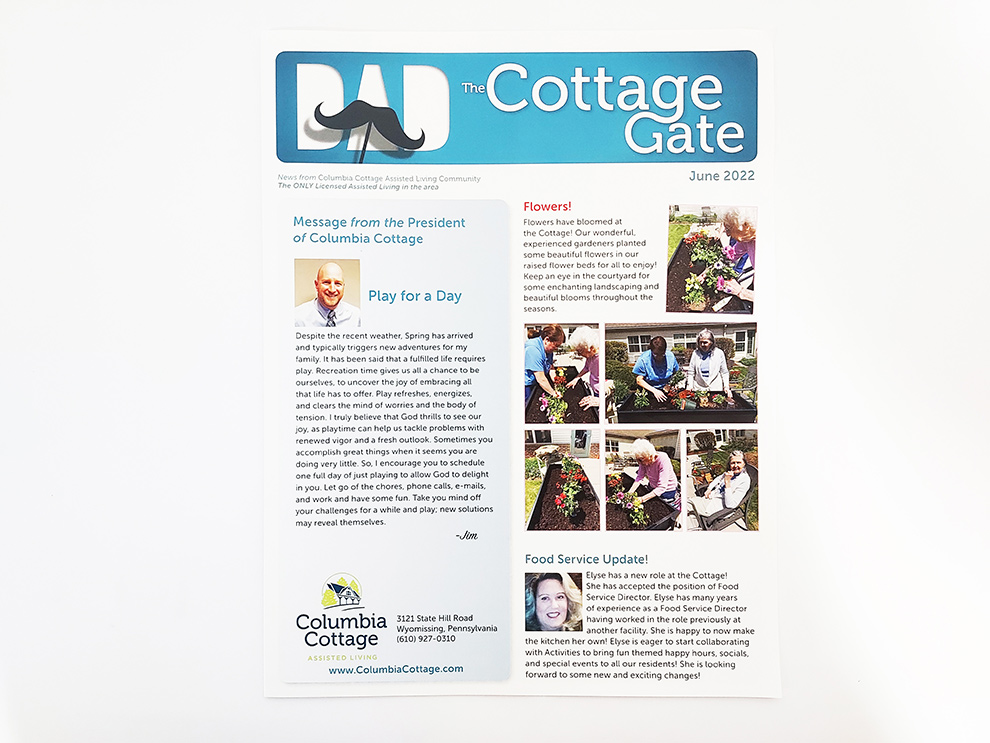
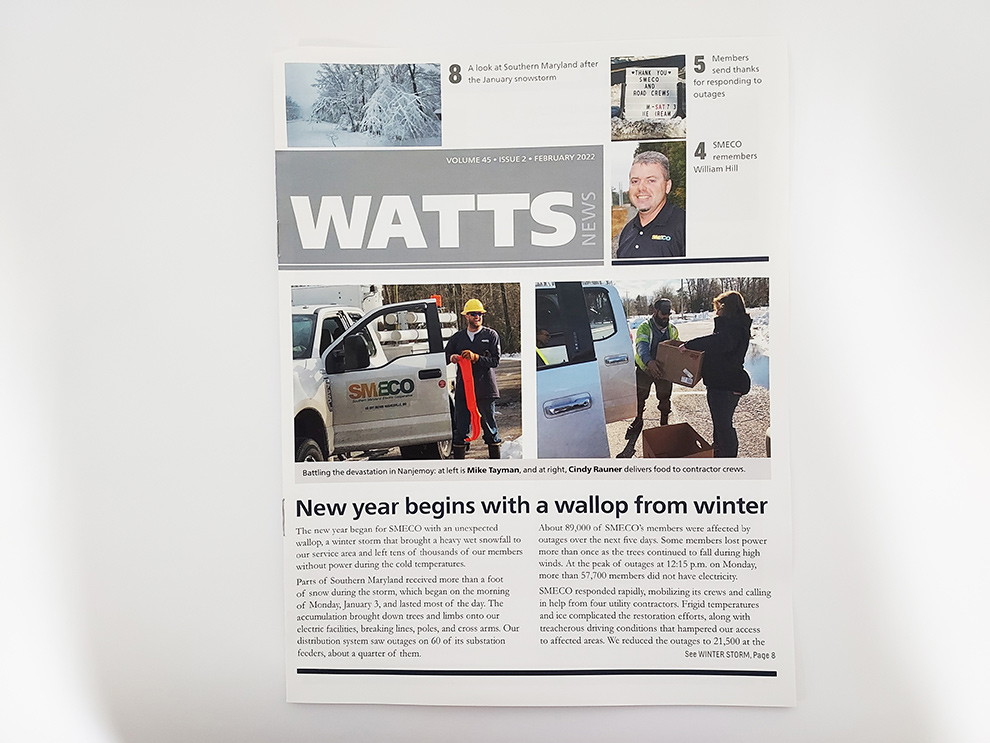
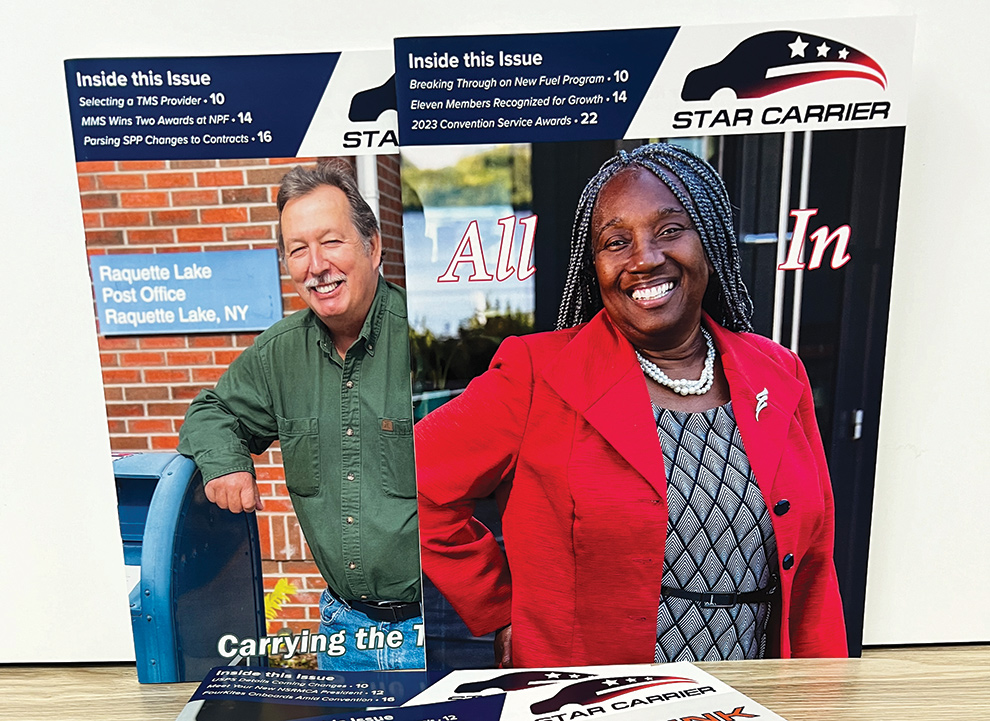
A newsletter is rarely a one-time print job. Most Chapel Hill organizations publish on a rhythm: monthly, quarterly, each semester, or around a specific season of programming. The challenge is not producing a single good edition. It is producing the fifth, tenth, and twentieth edition with the same paper, the same color expectations, the same finished size, and the same confidence that it will reach readers on schedule.
Heritage approaches newsletter printing in Chapel Hill, NC with that recurring reality in mind. Once your specifications are established, they become the working baseline for future issues. Each new edition still receives a fresh electronic proof and a current review of quantities, versions, and distribution, but the production decisions that should not change are protected from drift.
That consistency matters to readers as well as publishers. Members, donors, alumni, patients, residents, and congregants recognize a publication by how it looks and feels in hand. When the paper weight shifts or the cover color varies from one issue to the next, the organization looks less steady than it is. Heritage keeps the printed piece aligned with the identity you have built so your audience focuses on the content, not on the inconsistency.
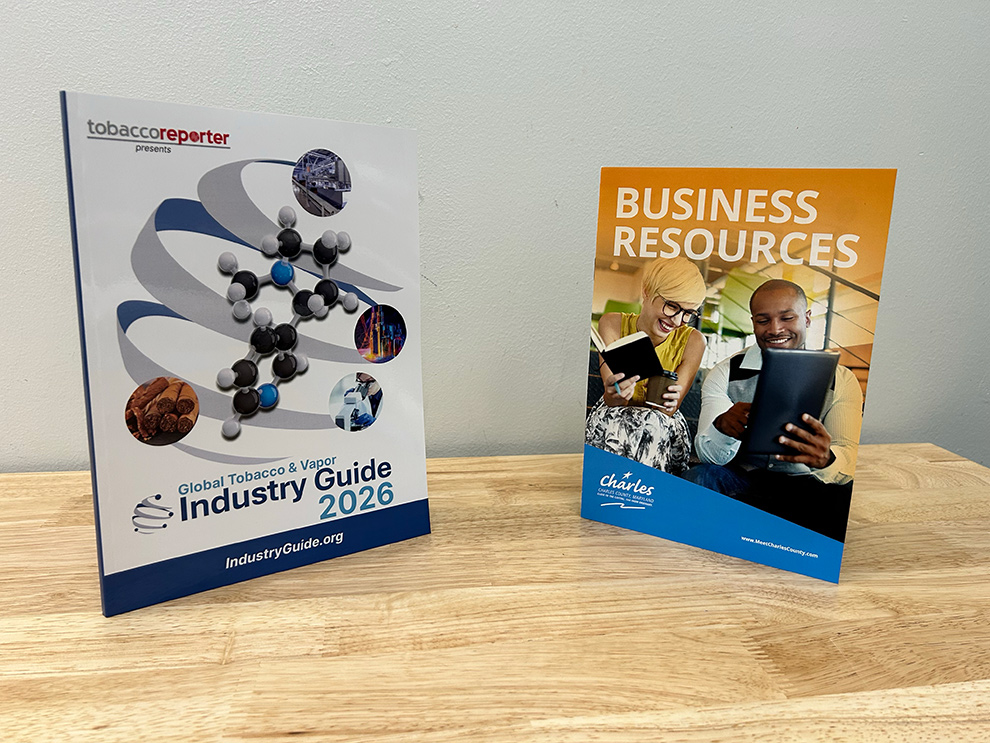
Heritage has been printing since 1977, and much of that history involves publications that come back on a schedule. Over the decades, we have learned that repeat newsletter clients value three things above almost everything else: a process that is easy to re-enter each issue, a finished product that matches what was approved, and a team that answers quickly when something about the edition changes.
Our award-winning printing background shapes how we handle the production side. We pay attention to how page count interacts with paper selection, how saddle stitching behaves as a newsletter grows thicker, and how mailing requirements influence finished size and addressing. We handle those details so the client does not have to relearn them with every edition.
For Chapel Hill organizations, that experience translates into fewer surprises. A university-affiliated department, a research institute, a neighborhood association, a faith community, a healthcare practice, or a regional nonprofit can hand off a print-ready file and expect the same disciplined handling every time. When quantities rise, a new version is added, or a mailing list changes, we review the impact, explain any adjustments, and keep the edition moving. Heritage does not treat a repeat order as routine; we treat it as a commitment to the standard set by the previous issue.
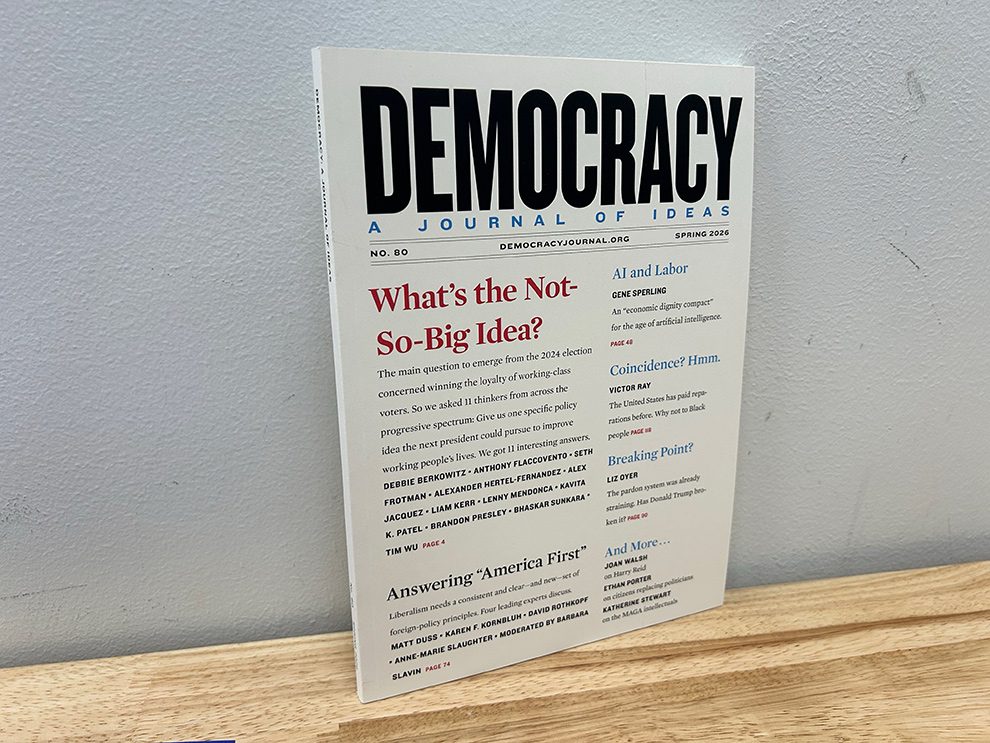
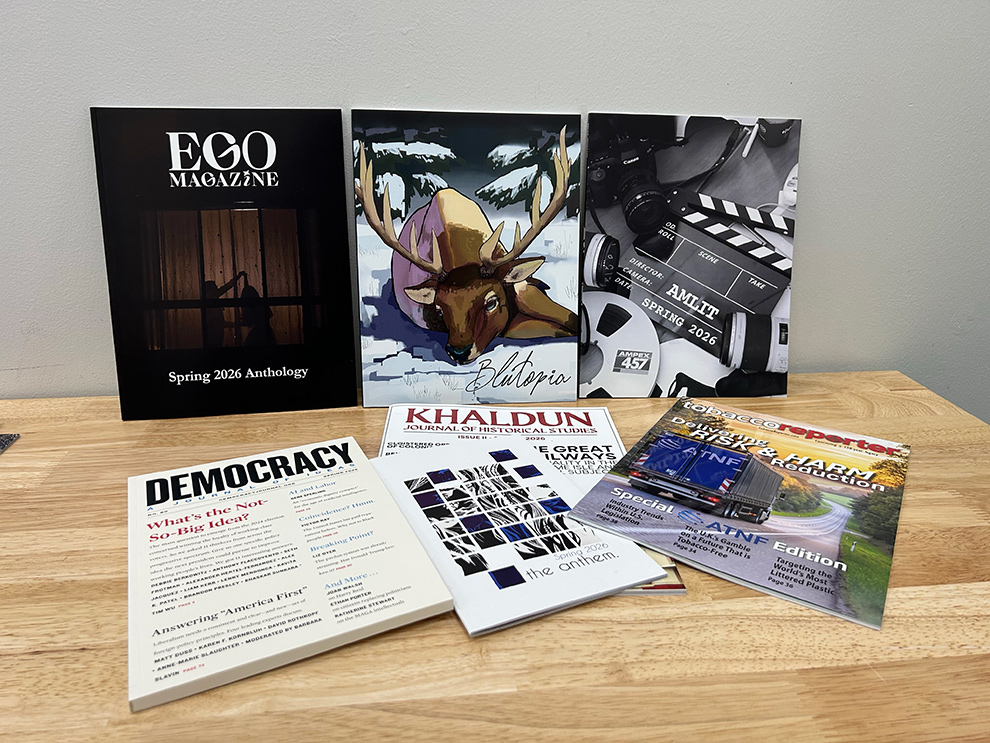
Suited to larger editorial publications where a separate heavier cover, higher page counts, and perfect binding may be appropriate.
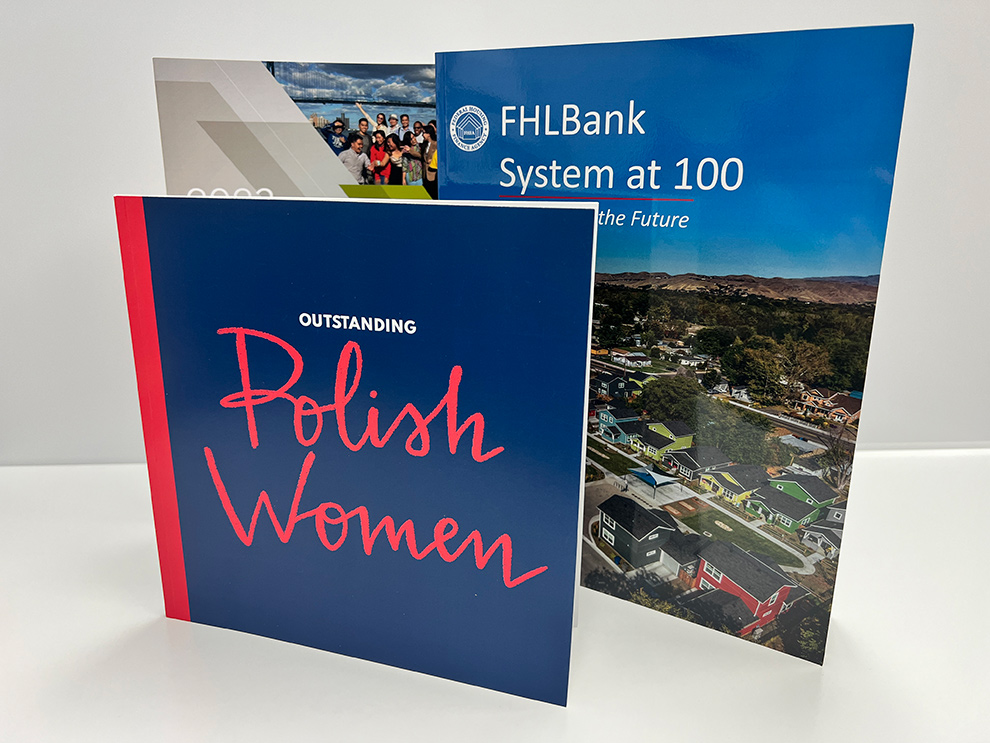
A practical choice for handbooks, orientation materials, membership directories, and compact reference pieces.
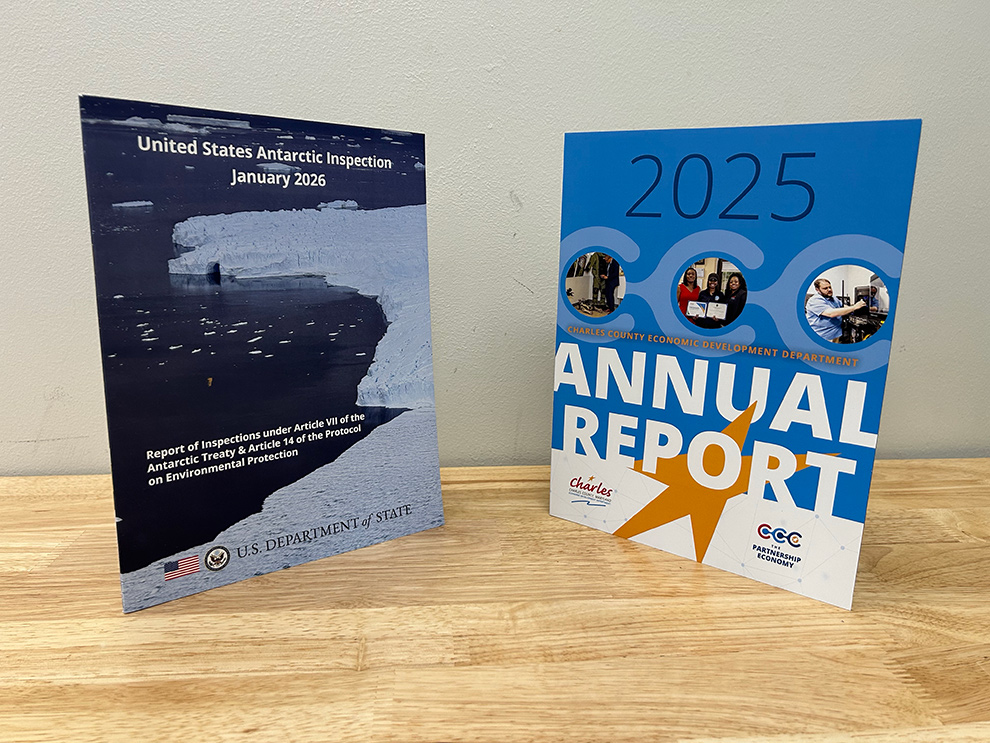
Built for yearly stakeholder communications that present financial results, program outcomes, and leadership messages in a formal format.
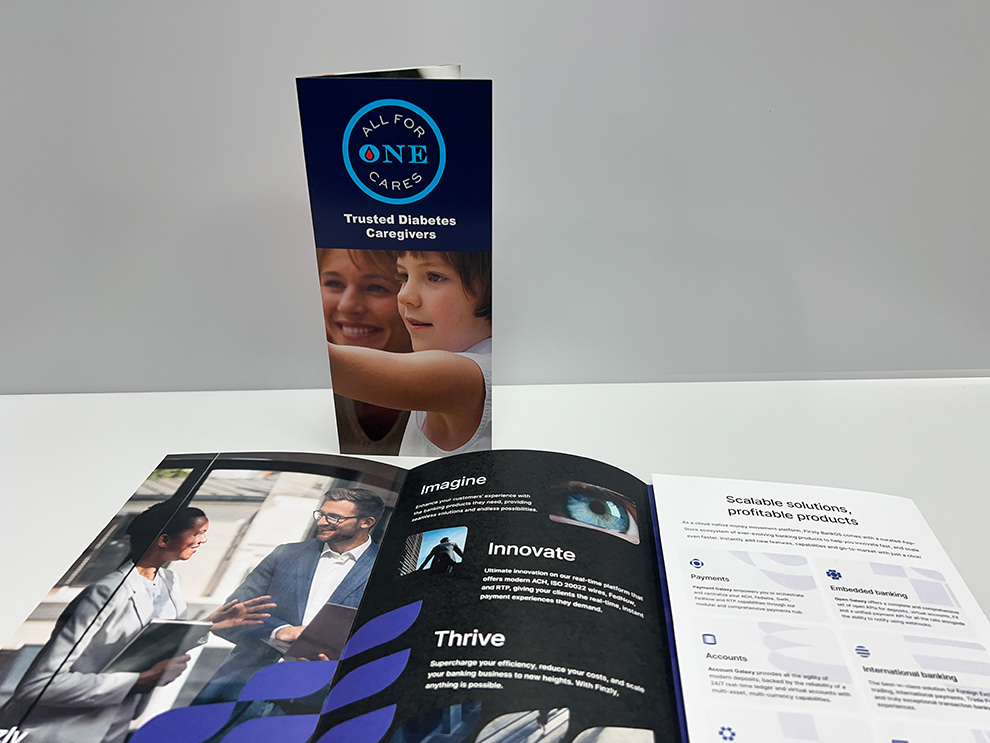
Well matched to folded pieces that summarize a program, introduce a service, or support a specific outreach effort.
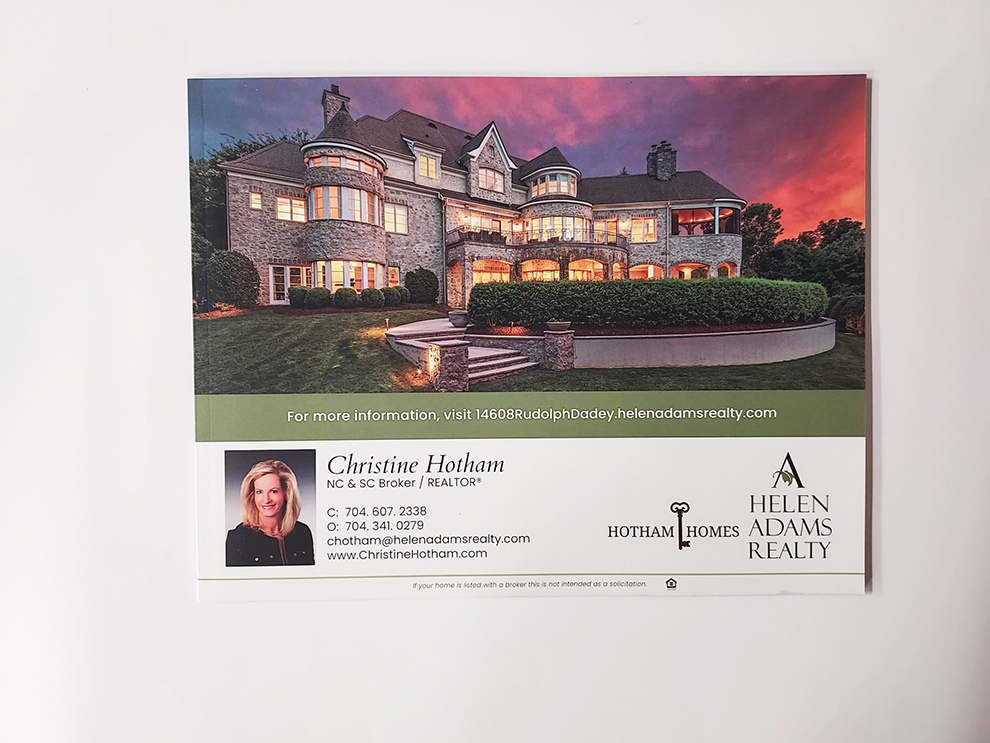
Pair your newsletter with addressing, postal preparation, and mailing coordination so each edition reaches its defined audience.
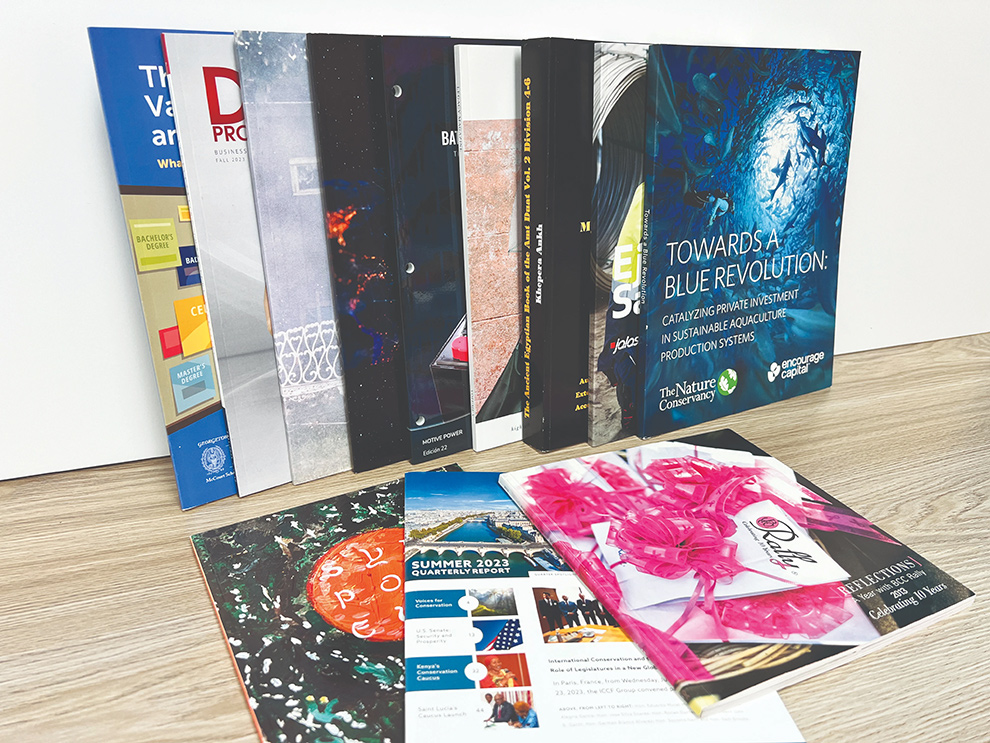
Extend the reach of your newsletter message with coordinated printed pieces for recruitment, fundraising, and awareness campaigns.
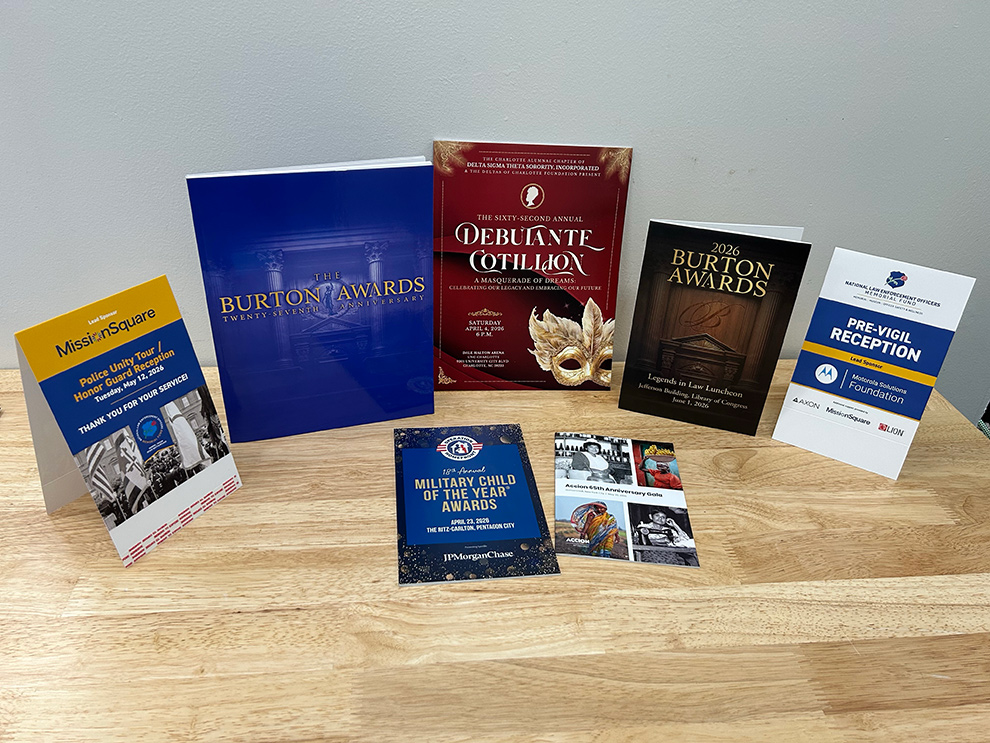
Designed for symposiums, performances, graduations, and gatherings where agendas, participants, and sponsors shape the printed content.
Appropriate for instructional and procedural content that readers keep and consult over time rather than time-dated organizational updates.
If your Chapel Hill, NC newsletter needs a reliable production partner for this issue and the ones that follow, send your print-ready files, specifications, quantities, and distribution date through Custom Quote. Your Project Coordinator will reach out to review the publication and establish a plan that can be repeated issue after issue. Fully specified, print-ready newsletters that match an available saddle-stitched booklet configuration can also be ordered directly through the Online Store.
When you submit a Custom Quote, Heritage assigns a Project Coordinator who reviews your newsletter files, confirms specifications and the required distribution date, and asks any questions needed to lock in the production plan. From that point forward, you have one direct phone and email contact who understands the publication.
For recurring newsletters, that continuity compounds in value. Your Project Coordinator carries knowledge of past editions into each new issue, recognizes when a change in page count or quantity affects paper or binding, and keeps electronic proof approval on track so production can begin without delay. If a mailing list is updated or a second version is introduced, the conversation picks up where it left off rather than starting over.
Every edition receives an electronic proof before printing so the production file is confirmed. After approval, Heritage moves the newsletter through printing and saddle stitching with care for color consistency and finished quality, then routes the completed pieces into the agreed mailing, shipping, or delivery plan for Chapel Hill and beyond.
Yes. Finished size, paper, cover construction, saddle stitching, and color expectations can be carried forward as the standing baseline for your newsletter. Heritage still reviews each edition because quantities, versions, mailing requirements, and dates frequently change, but the core production choices remain consistent unless you decide to update them.
Heritage produces newsletters as multi-page saddle-stitched publications. Saddle stitching is efficient, lies open well for reading, and suits the page counts most newsletters carry. When a newsletter grows thicker, square-spine saddle stitching is available to create a flatter spine and a more refined finished look.
Either approach works. A self-cover newsletter uses the same paper throughout, which keeps the piece light and economical for frequent editions. A separate heavier cover adds durability and a more distinct presentation. Your Project Coordinator can discuss which option best fits your audience, budget, and mailing plan.
No. Heritage works from completed, print-ready newsletter artwork supplied by the client or their designer. Editorial development and general design are outside our scope. For Custom Quote projects, we can make limited production-oriented adjustments to prepare supplied files for printing. Online Store orders must arrive fully print-ready.
Before any newsletter prints, Heritage provides an electronic proof for client review. The proof lets you confirm text, images, page sequence, cover treatment, and version details exactly as they will be produced. Approving the electronic proof confirms the file content but does not serve as a physical color reference.
For Custom Quote projects where exact color is critical, a paid Physical Production Color Proof may be offered. Heritage produces it on the same production printer and paper planned for the actual run so you have a tangible reference. This step adds time to the schedule and is most useful when color consistency is central to the publication identity.
Yes. When mailing is part of the project, Heritage coordinates printing with the addressing and postal preparation requirements. You supply accurate, authorized recipient data, and we build the mailing details into the production plan. Once the mail enters the postal system, delivery performance is governed by USPS and remains outside Heritage's control.
Yes. Separate editions for chapters, departments, donor tiers, regions, or mailing segments are common. Clear file naming, defined quantities for each version, designated approvers, and specific distribution instructions allow Heritage to keep every version distinct through proofing, printing, saddle stitching, and fulfillment.
Choose Custom Quote when your newsletter involves multiple versions, mailing coordination, special specifications, an assigned Project Coordinator, a tight schedule, limited production adjustments, or a Physical Production Color Proof. The Online Store is the right fit when your newsletter is straightforward, fully specified, print-ready, and matches an available saddle-stitched booklet configuration you can select independently.
Yes. Every Online Store order receives an electronic proof before printing, just as Custom Quote projects do. The difference is that Store orders are self-directed, so clients choose their own options without a Project Coordinator and without the option of a physical color proof.
Your assigned Project Coordinator will contact you to review the files, verify specifications and quantities, confirm the required date, and ask any clarifying questions. That person then becomes your single point of contact for proof approval, production updates, and any mailing, shipping, or delivery included in the order.
Deliver the completed, print-ready file as early as possible and share the target distribution date along with anticipated specifications in advance. Early notice allows Heritage to plan paper and production capacity before the file arrives. Once the proof is approved, printing, saddle stitching, and distribution proceed without unnecessary waiting.
Yes. If an edition becomes time-sensitive, tell us the required date right away and send the print-ready files immediately. Your Project Coordinator will assess the remaining production window, identify what needs attention first, and explain what is realistically achievable. When an expedited path is workable, Heritage pursues it actively rather than following a standard timetable.
Newsletters are typically shorter, self-cover, saddle-stitched publications issued on a recurring schedule. Booklets often serve as standing reference pieces, and magazines tend toward higher page counts, separate heavier covers, and sometimes perfect binding. The categories overlap, and your Project Coordinator can help determine which production path fits your publication.
Consistency starts with repeating the same paper, production equipment, and approved specifications from issue to issue. Heritage applies disciplined color management on every run, and clients who need a documented physical standard can add a Physical Production Color Proof to establish a reference for future editions.
Yes. Heritage provides newsletter printing for organizations in Chapel Hill, NC and nearby communities across the Research Triangle, including academic departments, research centers, nonprofits, healthcare groups, associations, faith communities, and neighborhood organizations. Finished newsletters can be mailed, shipped, delivered, or prepared for your own distribution depending on the project.
Heritage Signs & Displays created new museum signage for the Military Women’s Memorial in Arlington, VA. The project included custom signs, wall wraps, dimensional letters, and standoff-mounted displays to honor the legacy of U.S. servicewomen and the donors who supported the memorial. The updated interior features impactful designs, including a "Our Legacy" wall display and panels showcasing historical contributions and artwork, creating a transformative tribute to women in the U.S. Armed Forces.
Heritage Signs & Displays' collaboration with The Gathery to brand Union Market in Arlington, VA, for Indeed's "Ready to Work" job fair. The project included custom event displays, wall graphics, window graphics, and wayfinding signs, creating an immersive and visually appealing environment. The branding enhanced the venue, reflected the event's mission, and provided a seamless experience for attendees.