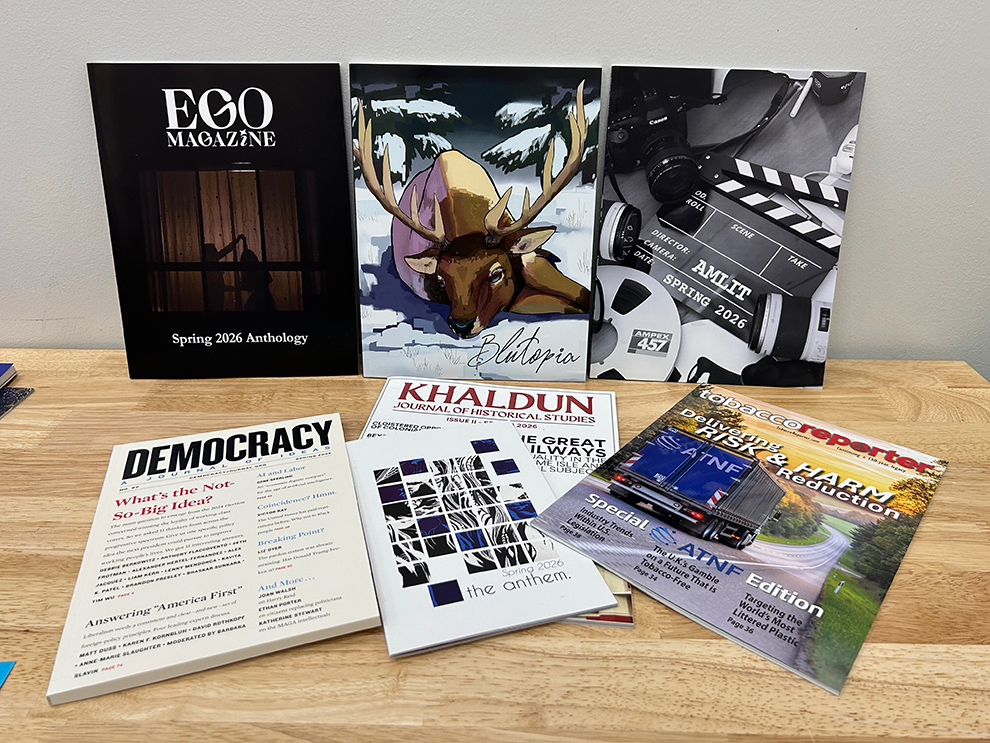
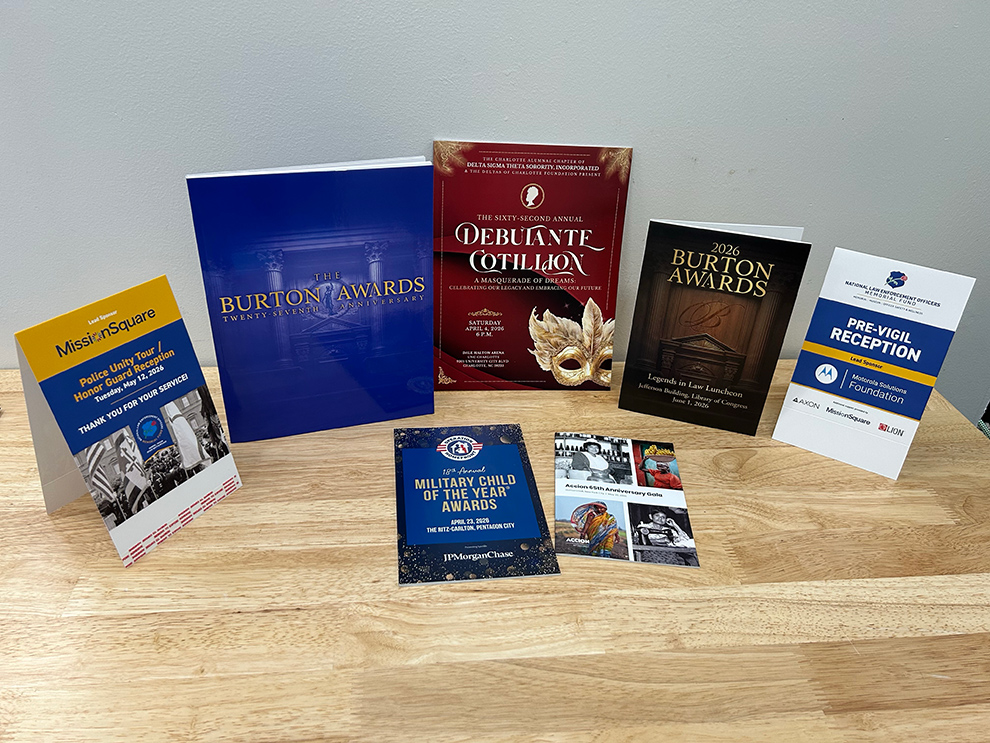
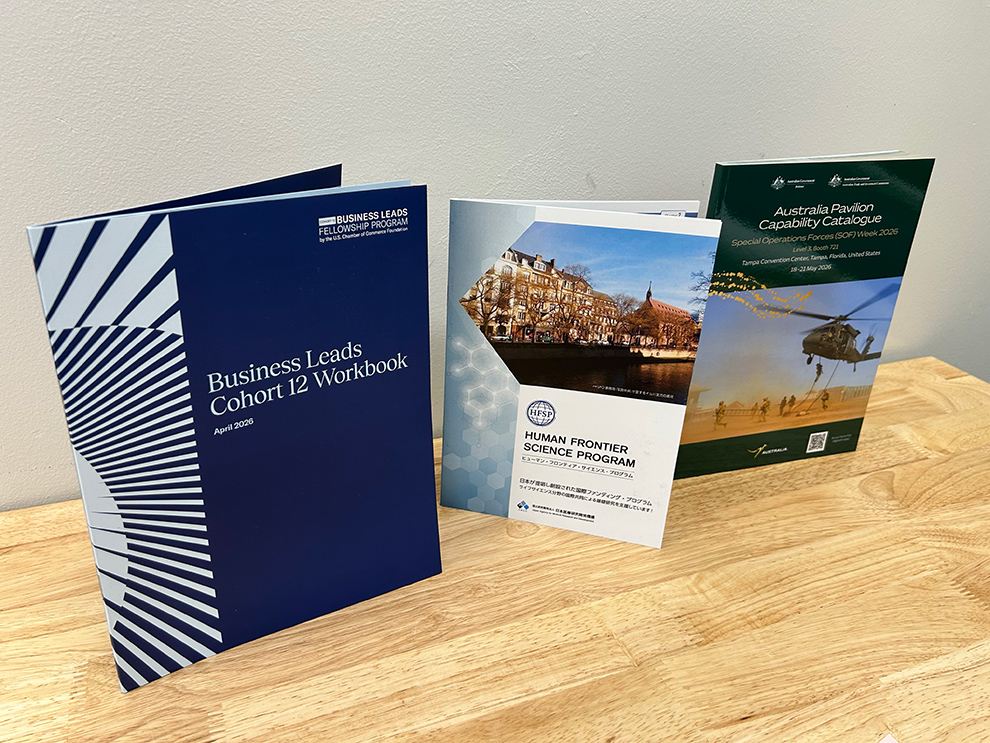
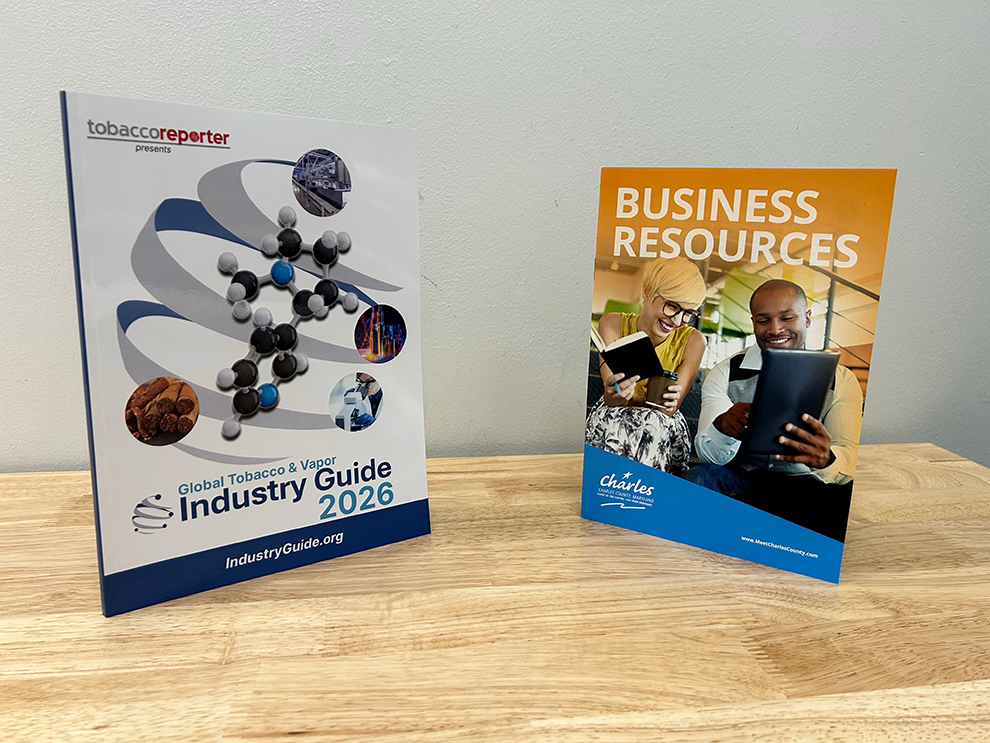
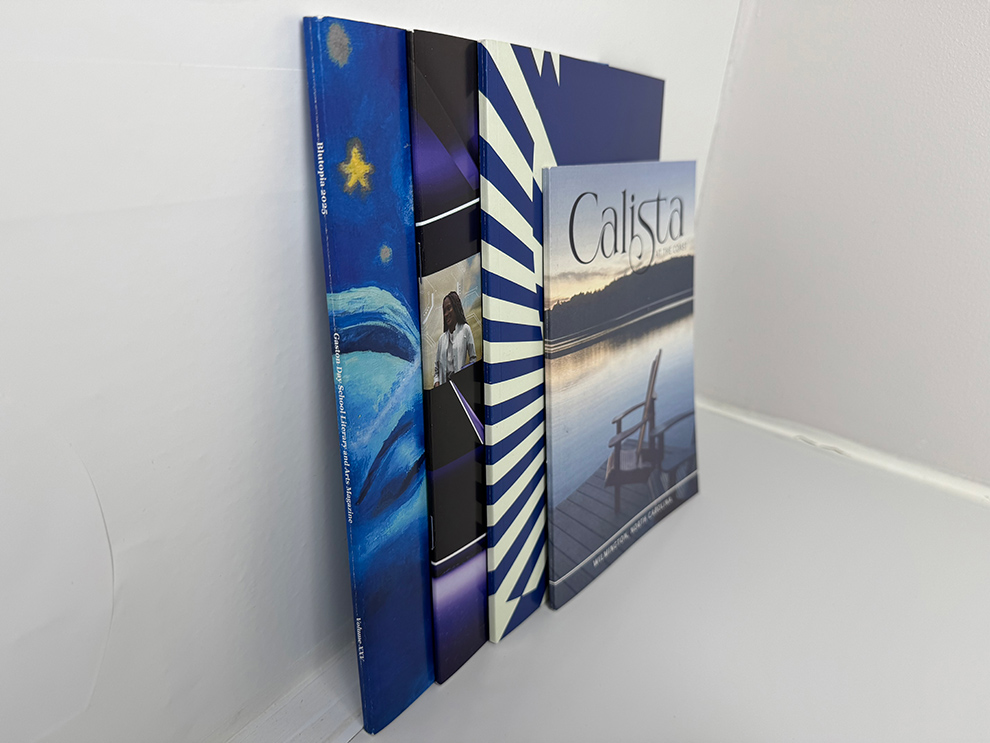
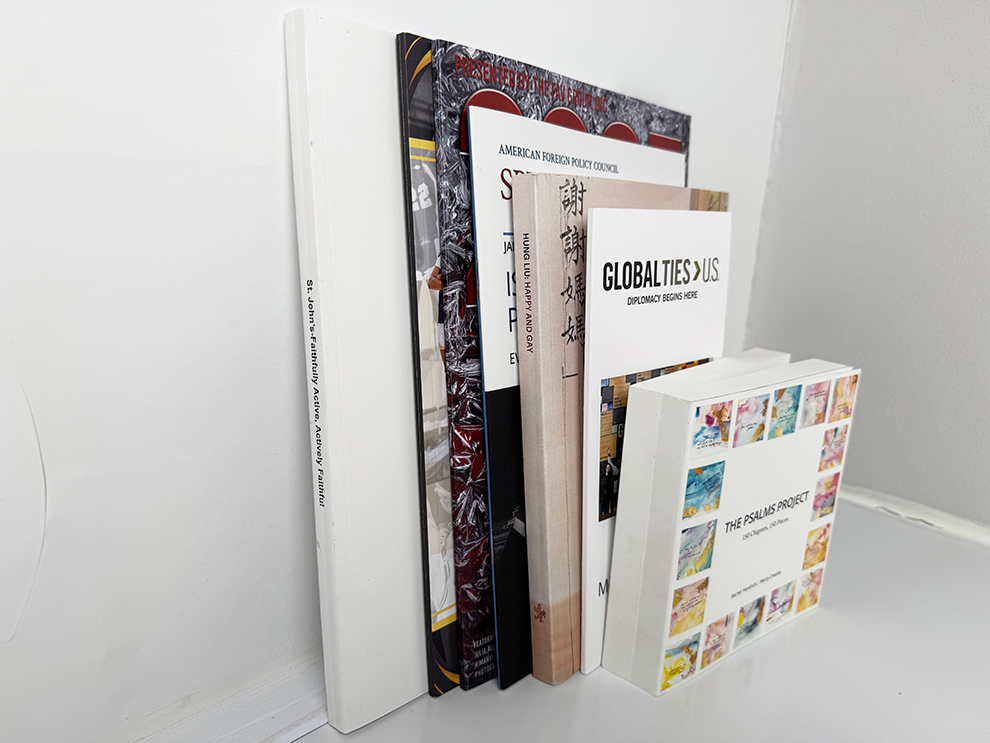
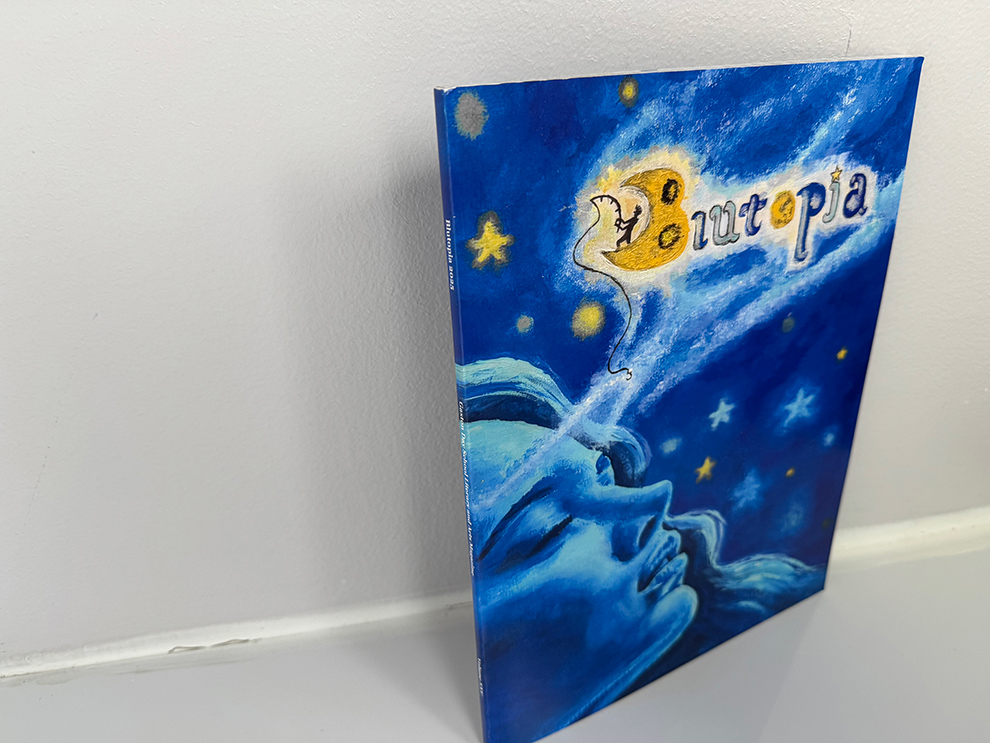
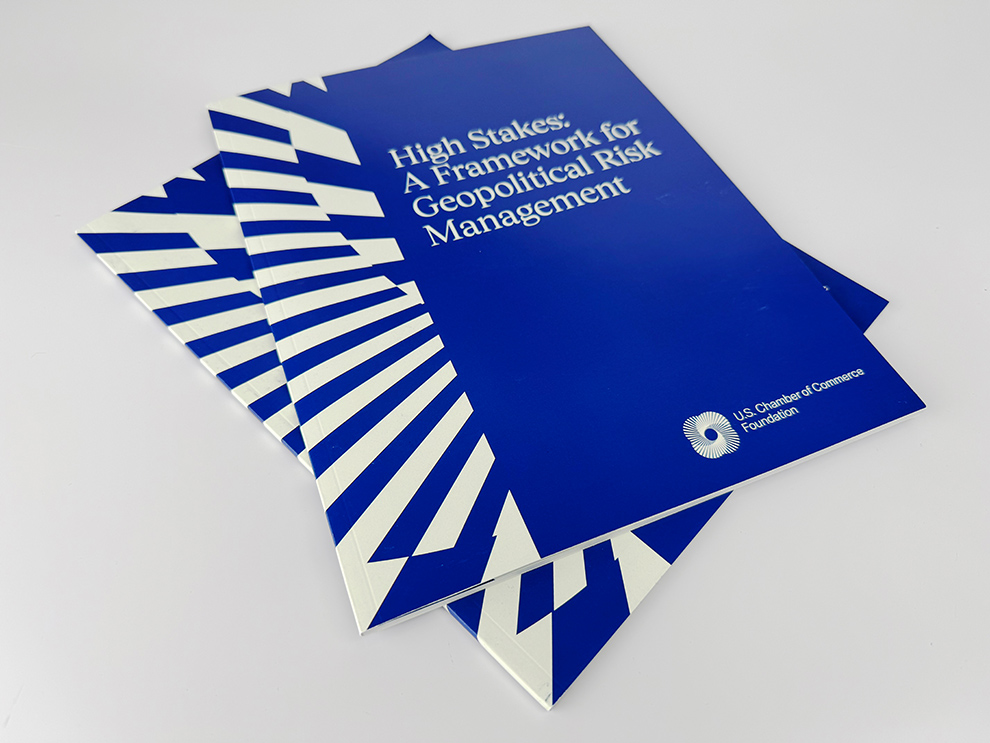
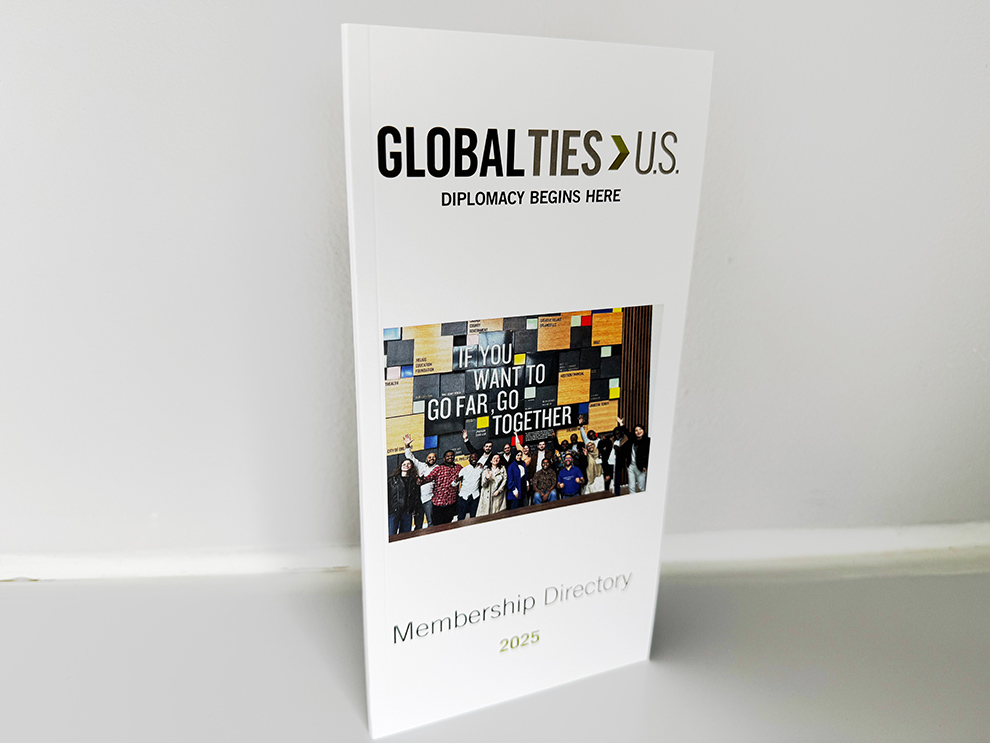
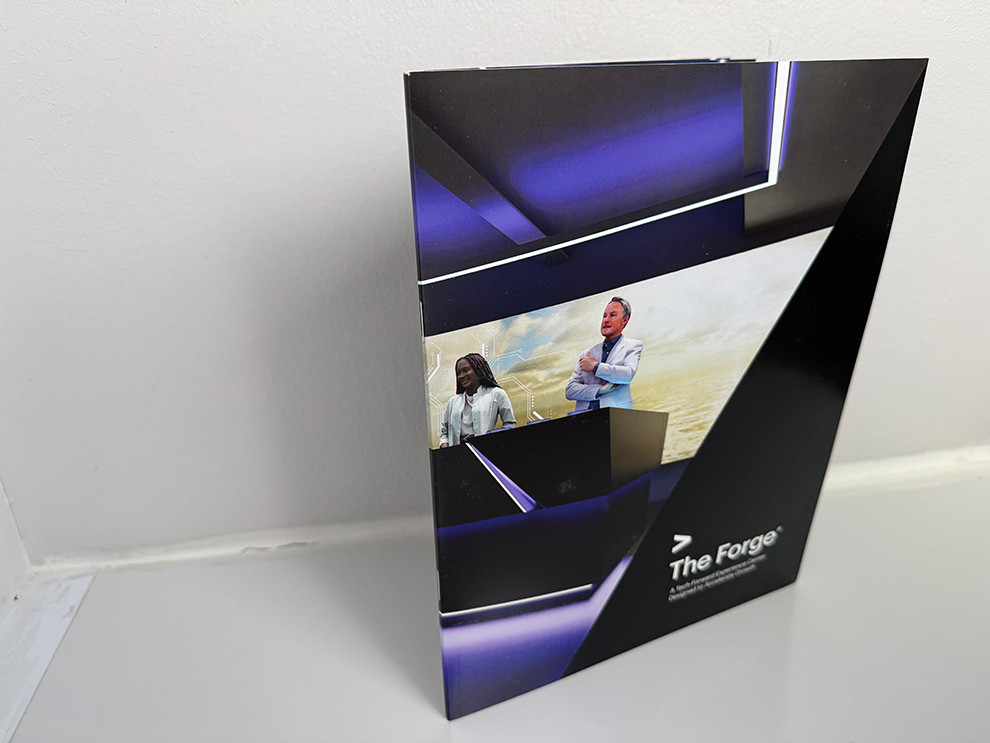
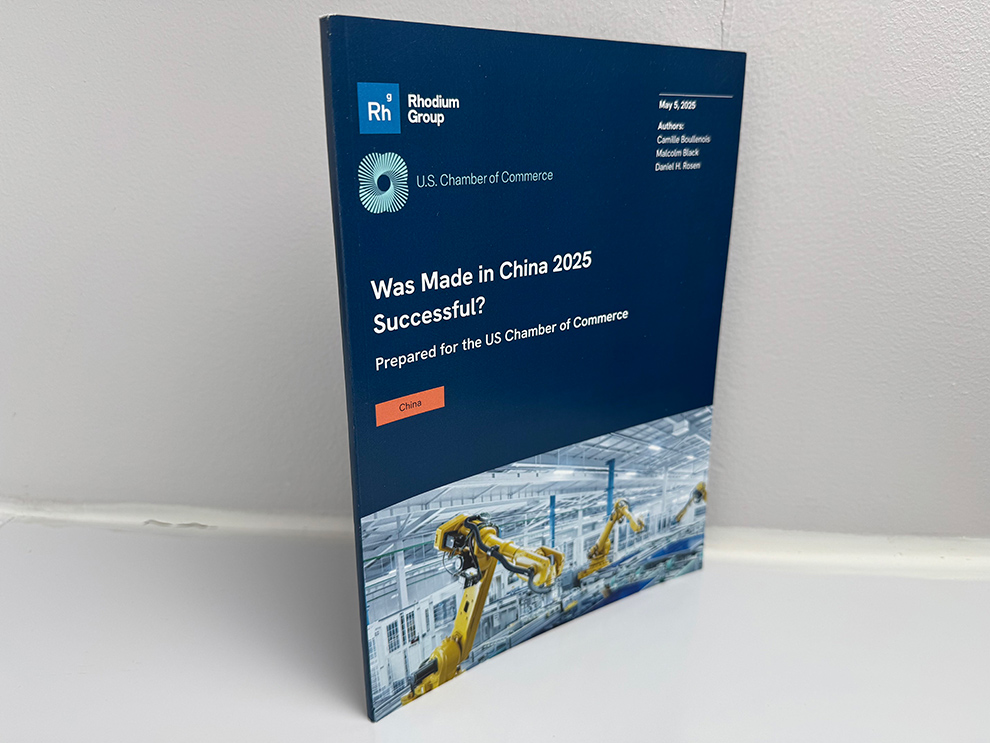
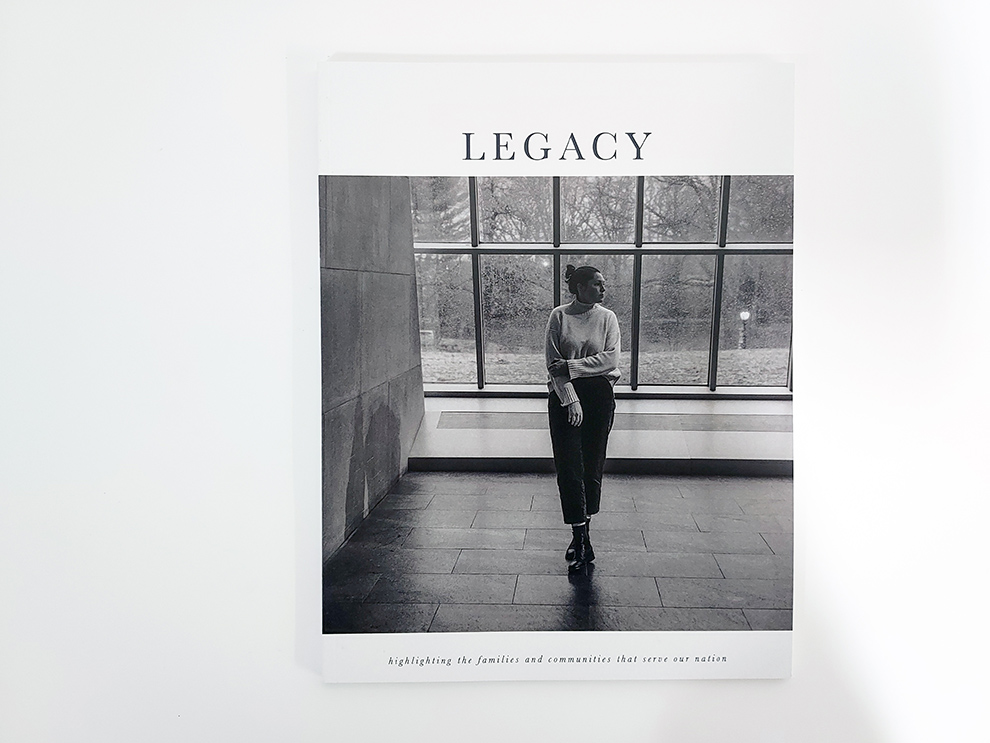
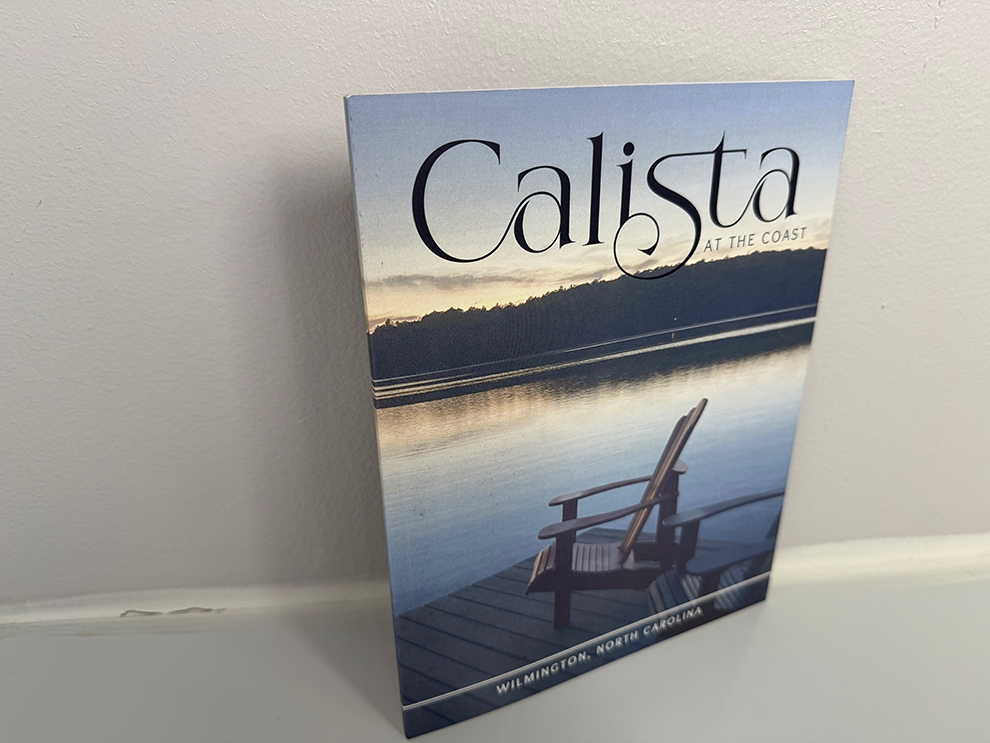
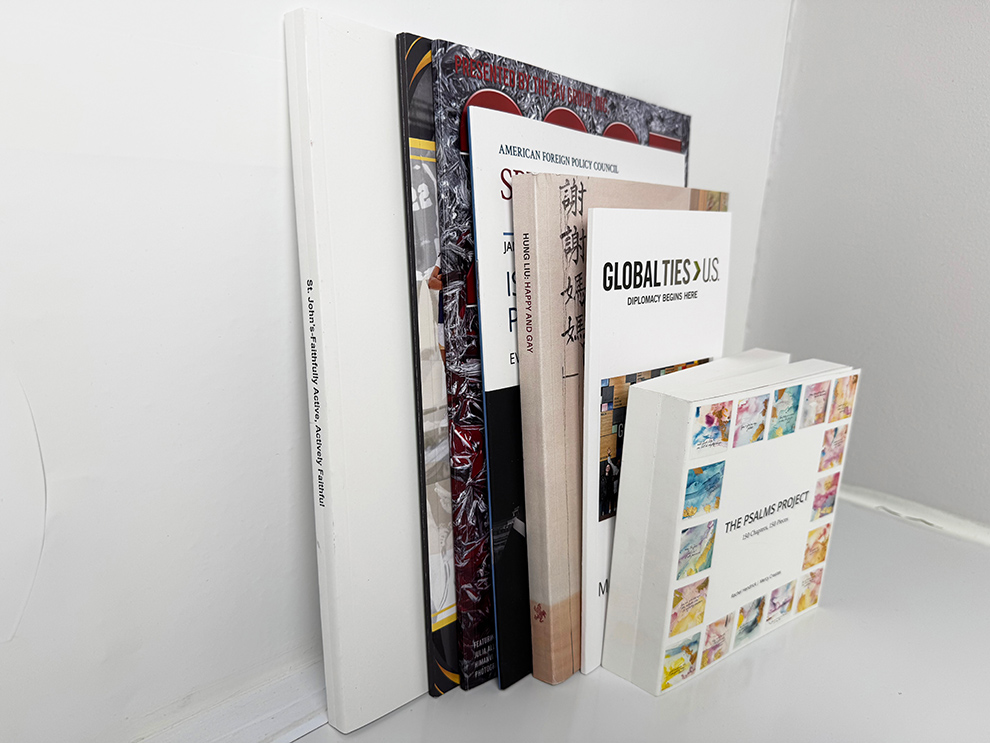
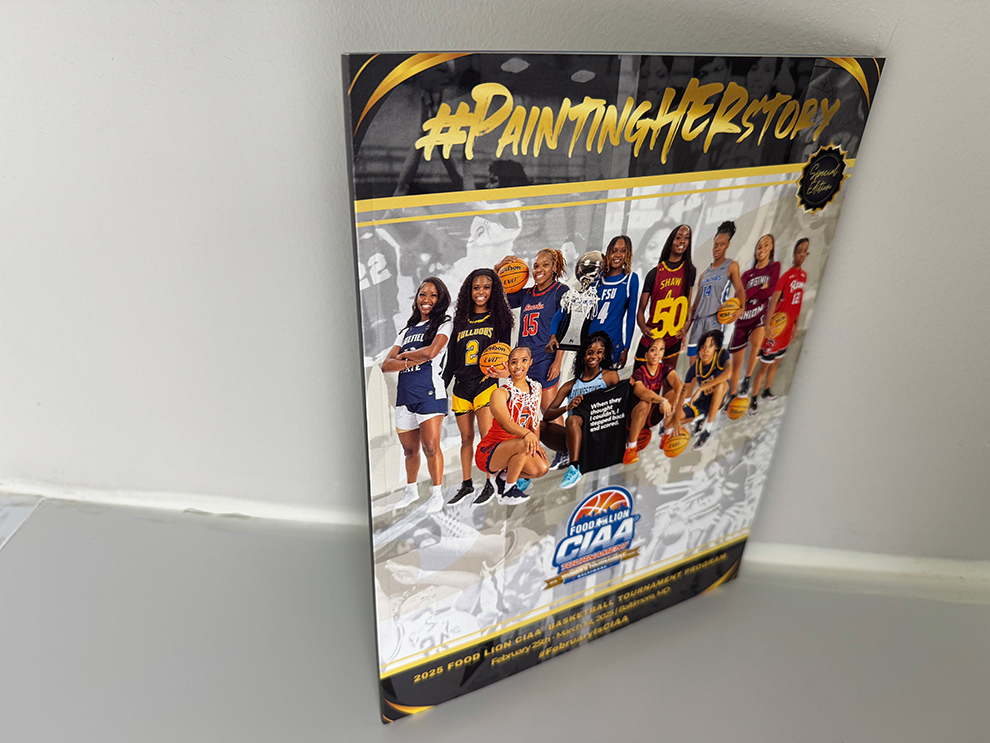
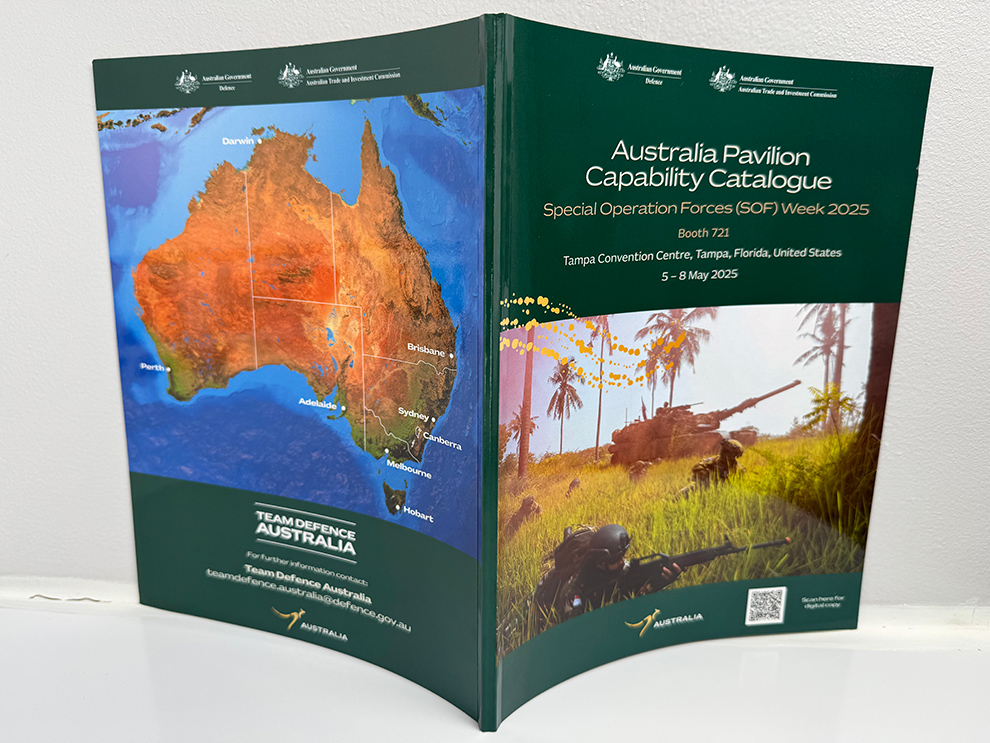
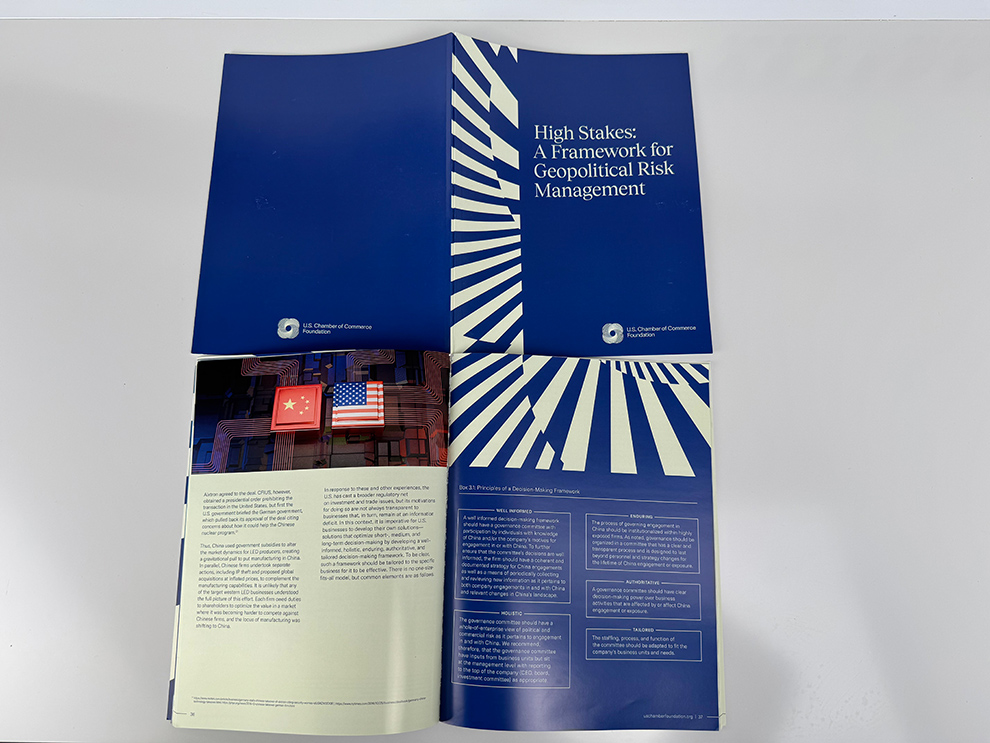
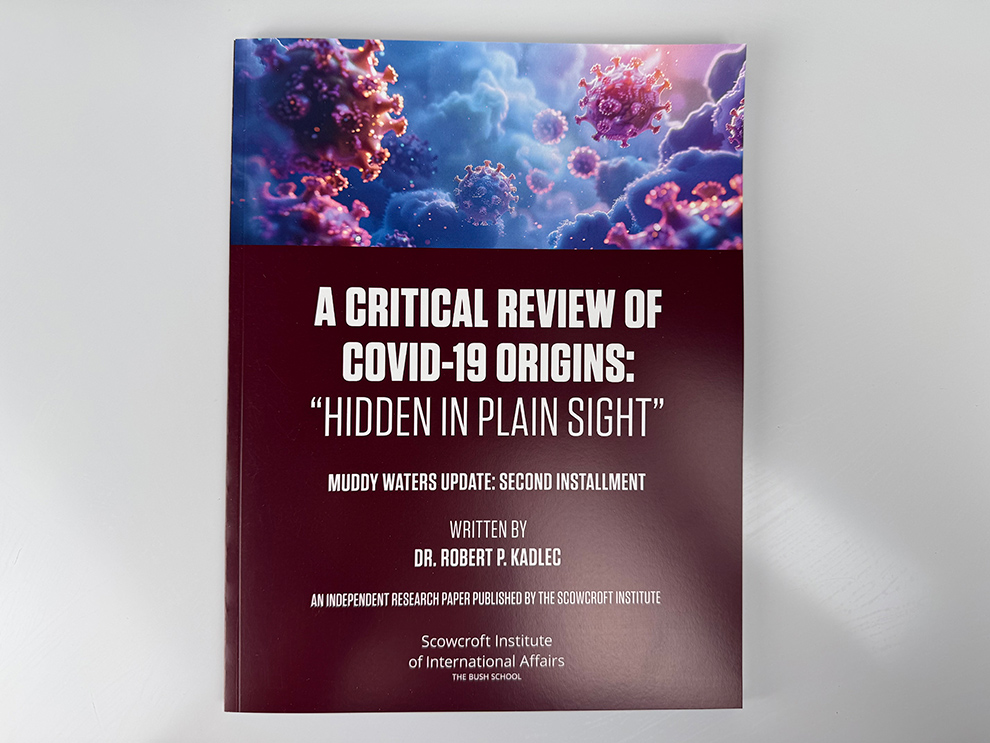
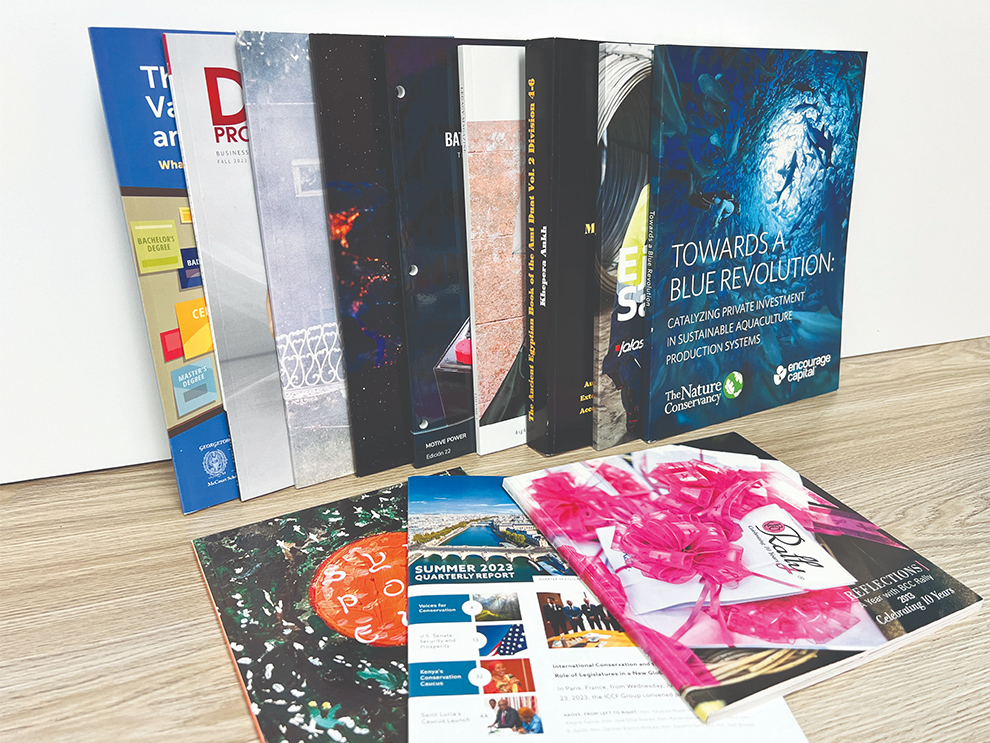
A catalog, program guide, or annual report that stays on a desk for months has to earn its place. Perfect binding helps by giving a multi-page publication a square spine, a wraparound cover, and cleanly trimmed edges, so the piece reads as a finished book rather than a thick stapled handout.
Heritage produces perfect-bound publications for organizations across Hampton, VA and the surrounding Peninsula and Hampton Roads communities. Common applications include course catalogs, visitor and program guides, technical reference books, proposal volumes, commemorative publications, directories, and reports prepared for boards, funders, or the public.
The binding is only one part of the result. Interior page count sets the thickness, the thickness sets the spine, and the spine shapes the cover file. Paper choice influences opacity and feel, and color reproduction ties the whole piece together. Heritage plans those variables as a connected set so the finished book arrives looking intentional. Where the page count and paper support the construction, perfect binding is a sound way to present content meant to last.
Heritage began as a printing company in 1977, before it expanded into signs and displays, and perfect-bound production draws directly on that background. A book run touches imposition, interior files, cover artwork, spine measurement, paper, color, trimming, binding, proof approval, and delivery, and a late change to any one of them can ripple into the others.
Hampton clients are served by Heritage's Mid-Atlantic commercial-printing operation, which covers Hampton Roads and neighboring markets. The company is veteran-owned and family-led, and that shapes how accepted work is handled: requirements are confirmed, constraints are raised early, and commitments are kept once Heritage has agreed to them. When a fixed distribution date is involved, Heritage evaluates the actual sequence of approvals and production steps before saying yes.
Color management, quality control during the run, and a required electronic proof before printing protect the finished result. Retained specifications from an approved edition make the next edition easier to match. For qualifying Custom Quote work, a Project Coordinator becomes the direct phone-and-email contact only after Heritage accepts the quote and assigns the order, giving a multi-reviewer publication one point of continuity.
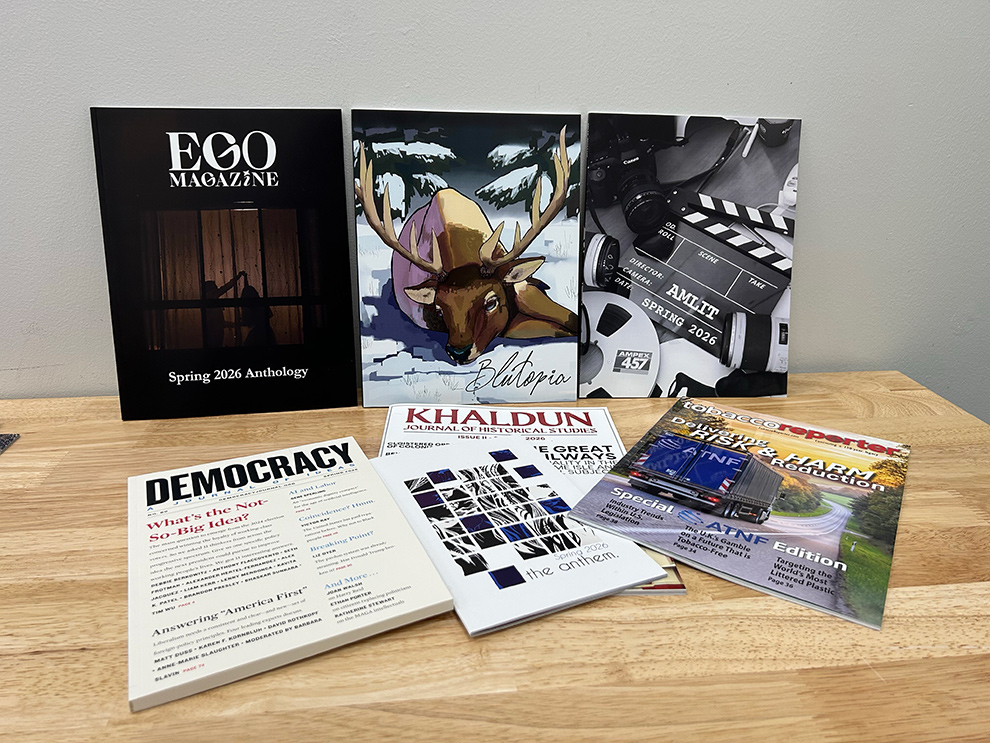
Perfect binding suits publications that will be read, shelved, and returned to as finished documents: a course catalog, a technical reference volume, a proposal set, a museum or visitor guide intended to be kept. The adhesive-bound square spine and wraparound cover give the piece a bookshelf-ready profile.
It is not the right answer for every multi-page job. A procedures manual used on a shop floor or in a training room usually belongs in plastic coil, because readers need pages to lie flat or fold back while they work. A short event program or newsletter with a modest page count is often better saddle stitched, since the sheets can be folded and fastened through the center and do not need a glued spine.
Settle two realities early. The book will not open fully flat the way a coil-bound piece does, and a readable spine title depends on having enough finished spine width, which is set by page count and paper caliper. If the publication is thin, the spine may be better left blank. Choose from the way the book will be used, not from appearance alone.
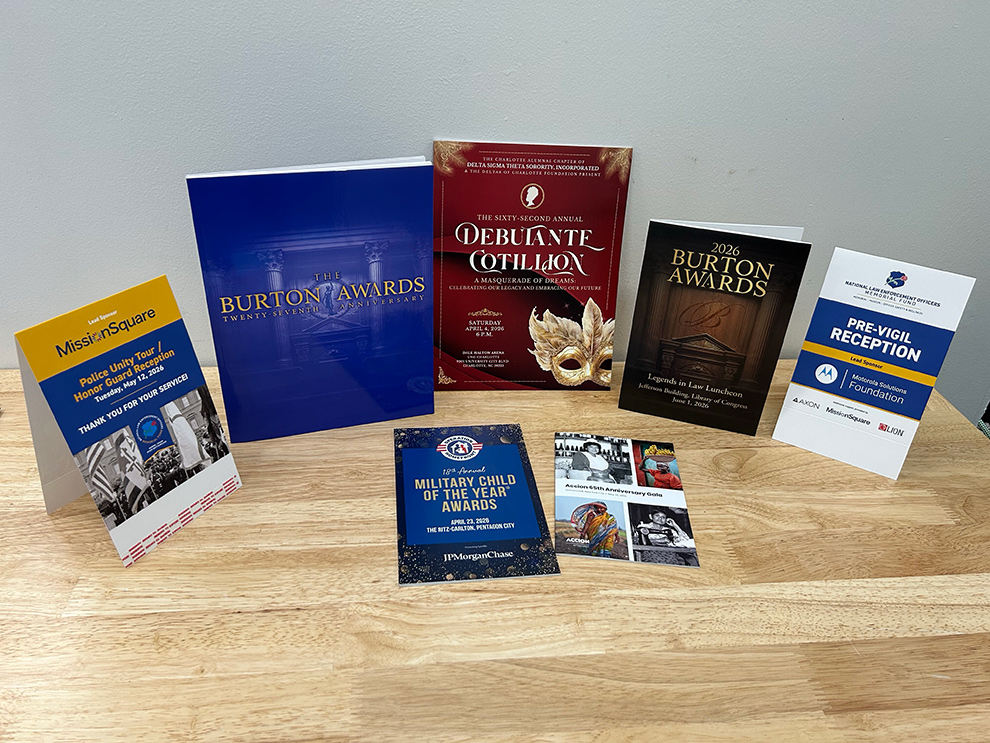
Many perfect-bound projects arrive alongside other printed pieces for the same program, season, or campaign. The capabilities below cover formats Hampton organizations often pair with a bound publication.
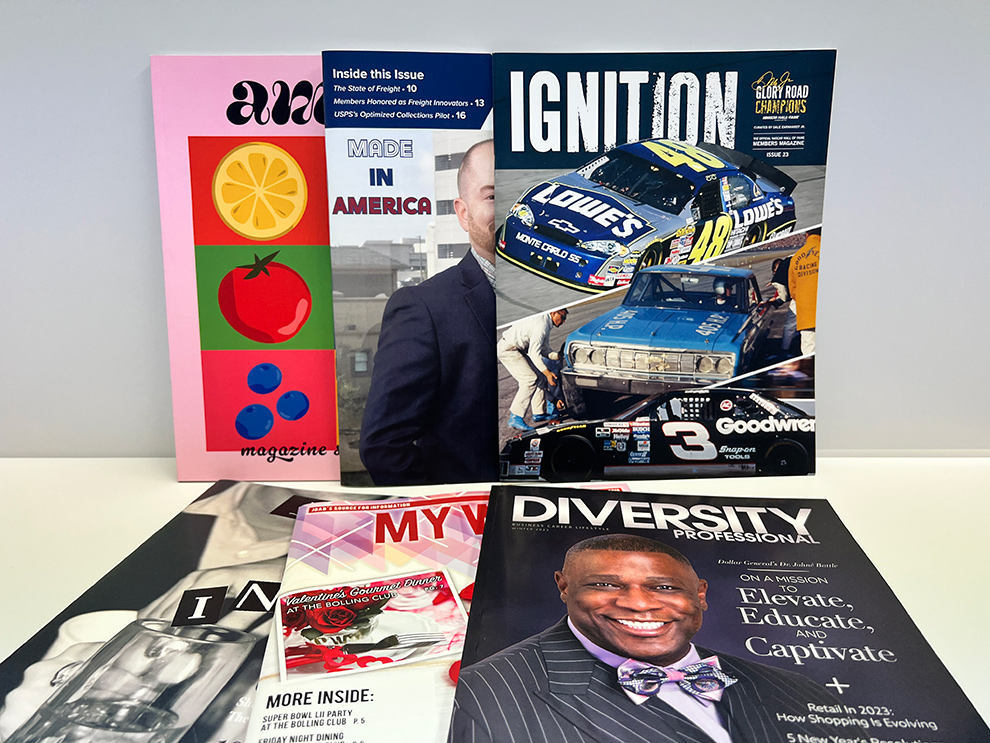
For a quarterly or member periodical that needs the same trim, paper, and color from one issue to the next.
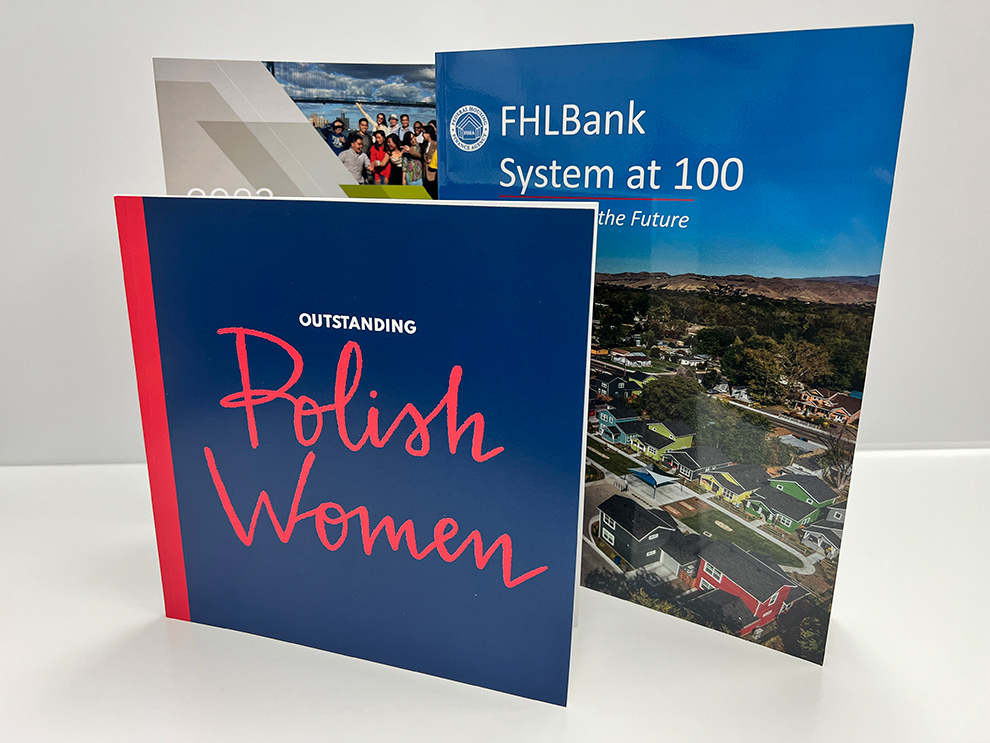
A lighter saddle-stitched option when the page count is modest or the piece will be handed out and read once.
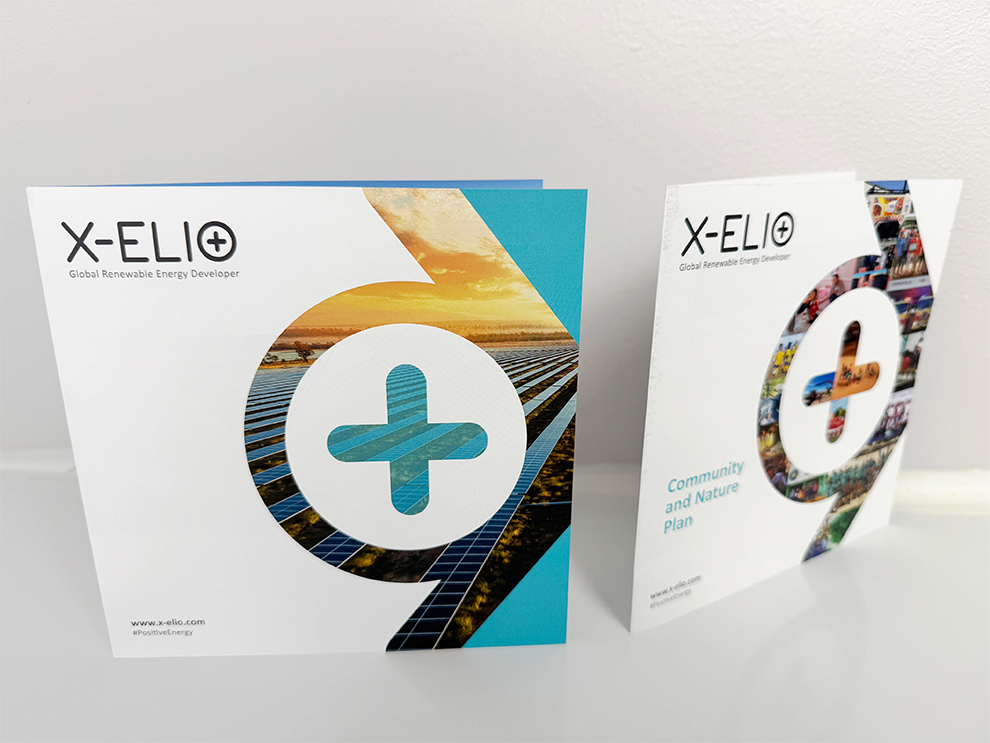
Hold a bound report together with cover letters, fact sheets, and inserts for a proposal review or board meeting.
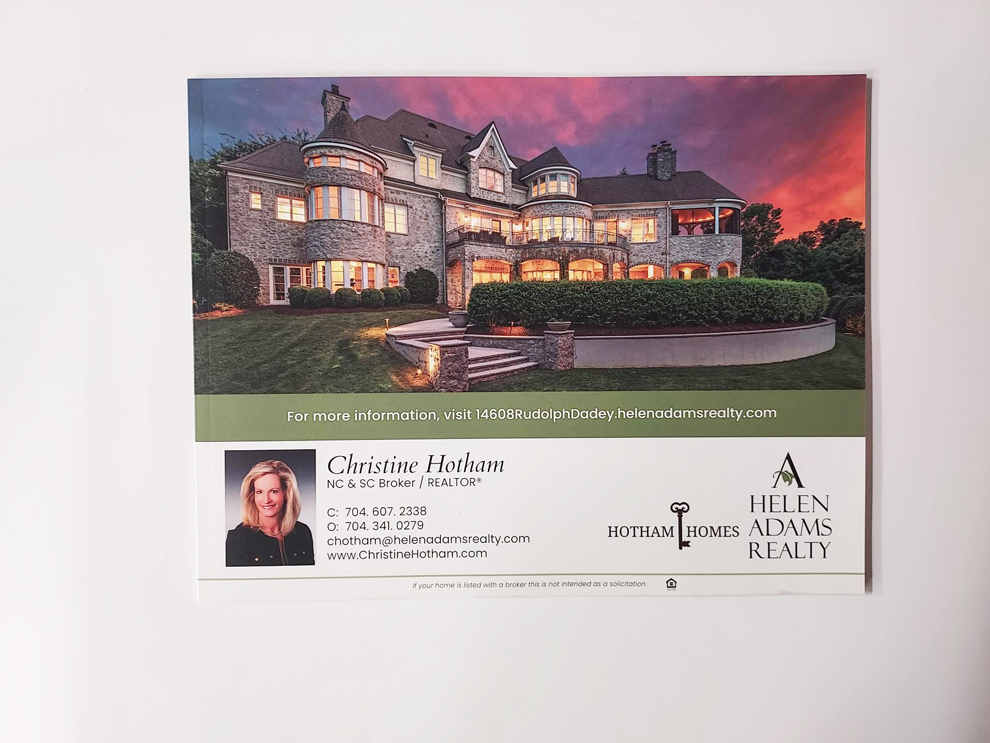
Carry finished catalogs or reports from production into addressed delivery to members, donors, or prospects.
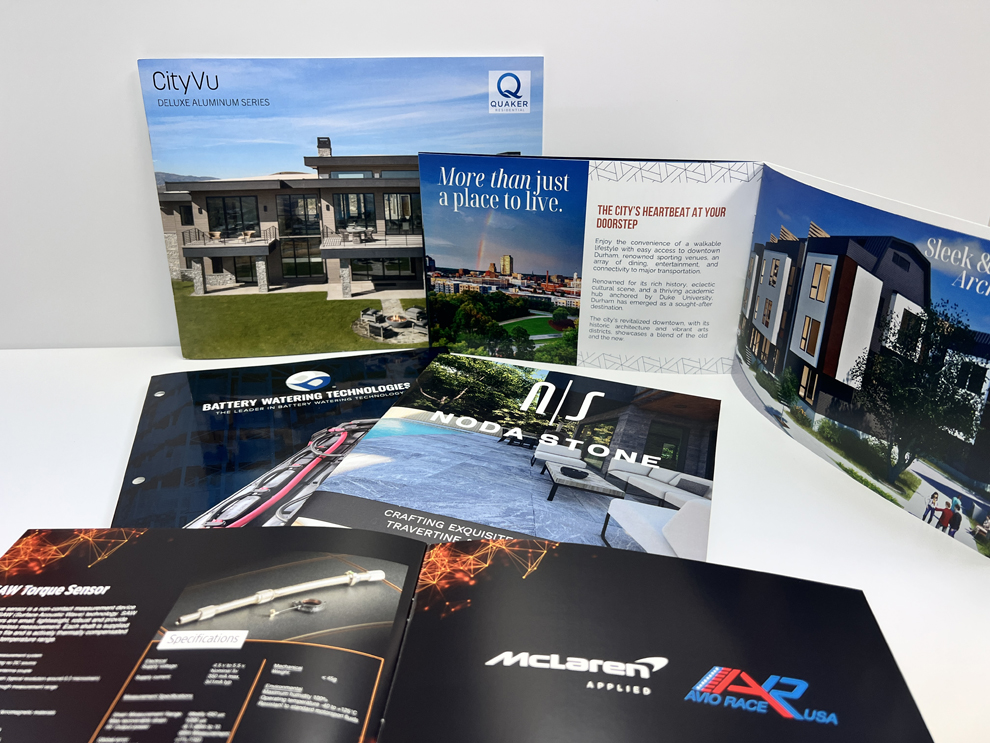
Flyers, postcards, and sell sheets that extend a publication's message into events, outreach, and recruiting.
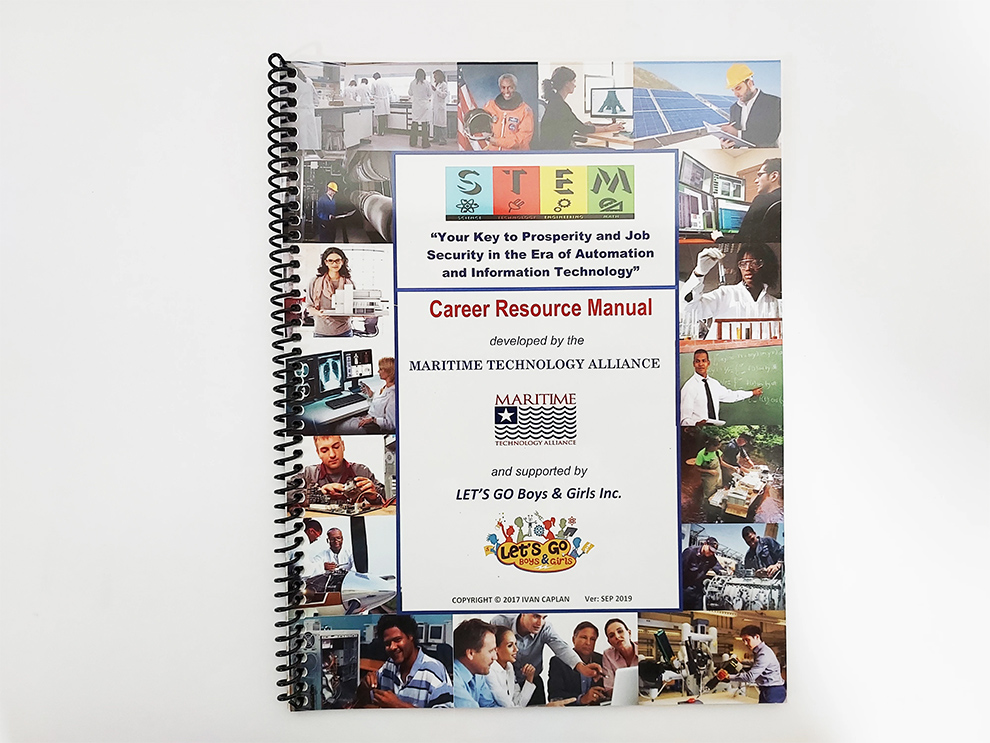
Reference and procedure materials, often coil bound, for classroom and field settings where pages must lie flat.
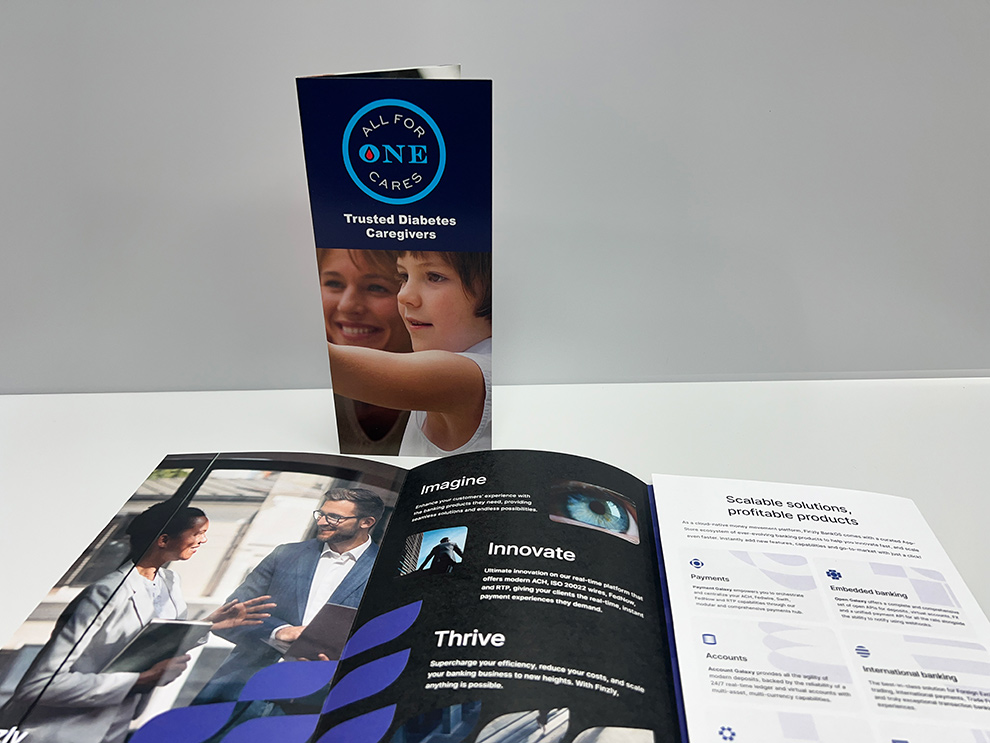
A folded piece that introduces a program or service when a full book is more than the moment requires.
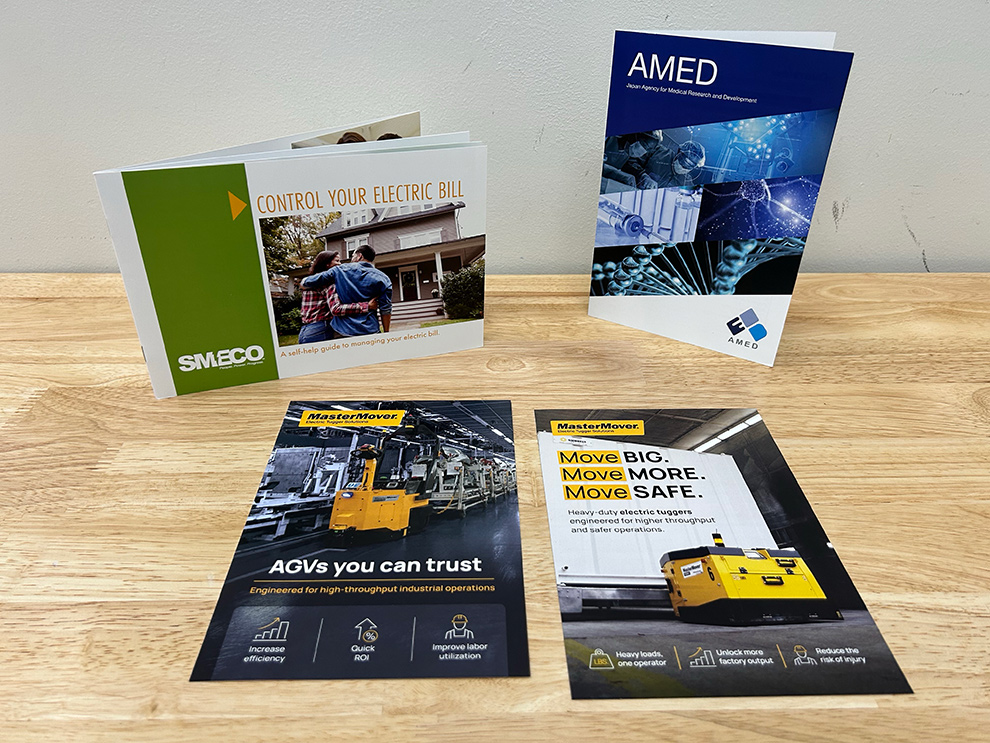
The broader range of Heritage print production available when the publication is one component of a larger print program.
Settled specifications and print-ready files can go straight to the Online Store for pricing and purchase. A job of $2,000 or more that still has open questions about files, spine setup, paper, versions, or timing is a candidate for Custom Quote, where Heritage reviews what remains before deciding whether to accept and how to schedule the work. Either way, the goal is a Hampton publication that looks finished, prints consistently, and is planned around a realistic schedule.
A frequent production surprise in perfect-bound work is a cover built before the interior is finished. Spine width comes from final page count and paper caliper, so a cover designed around an estimated thickness may no longer wrap correctly once pages are added or removed. Heritage confirms the spine from the locked interior before the cover is approved.
Interior layout needs its own discipline. Because a perfect-bound book does not fold open flat, text, page numbers, and image edges placed too close to the binding side become harder to read. Comfortable inner margins, consistent pagination, and bleeds set for the finished trim size all help. Paper opacity matters where heavy coverage could show through, and cover stock affects feel and durability.
Treat color as a reproduction target, not an assumption. Correct color setup in the files and a careful review of the electronic proof reduce the gap between expectation and output. For publications that recur, Heritage can retain the approved trim, paper, cover construction, and color decisions so the following edition starts from a known baseline while the content and quantity change.
The right route for a Hampton publication depends on how settled the job is. If the live Perfect Bound Store configuration matches your trim, page count, paper, and quantity, and both cover and interior files are complete and print-ready, the Self-Directed Online Store is the direct path. Choose the options, upload the files, and check out. Eligible Store products can be combined to reach the $750 order minimum.
The Store is self-service by design. It does not include layout help, an assigned Project Coordinator, or a physical color proof. Every accepted Store order still receives Heritage's standard production review and an electronic proof that you approve before anything prints.
When a new Commercial Printing opportunity is valued at $2,000 or more and needs production support, such as file preparation, cover and spine setup, open specifications, or several versions, submit a Custom Quote. The form is a request, not a confirmation. If Heritage accepts the quote and assigns the order, a Project Coordinator becomes your direct phone-and-email contact. Share any fixed meeting or shipping date up front so feasibility is judged on the real schedule.
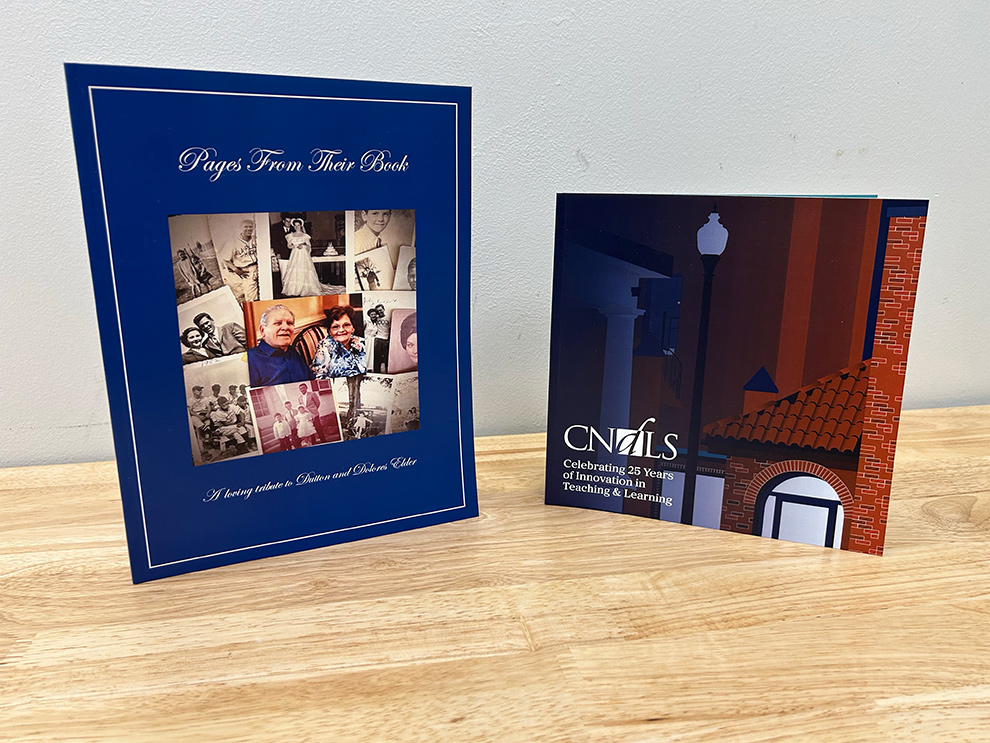
Catalogs, program and visitor guides, technical references, proposal volumes, directories, and reports are strong candidates when the page count and paper give the finished book real thickness. Hampton organizations in education, defense-related industry, healthcare, tourism, and local government commonly produce documents of this kind. A thinner piece can still be bound as a book, but if it lacks the thickness for a stable glued spine, saddle stitching usually serves it better.
Generally no. The adhesive spine holds the pages together as a block, so the book opens normally in the hand but resists lying fully flat, and the pages do not fold all the way back. If flat opening is essential, as it often is for manuals used while working, plastic coil binding is the more practical construction. For a book, the sensible response is to keep text and images clear of the inner margin.
Perfect binding glues the interior pages into a square spine with a wraparound cover, producing a traditional book. Plastic coil threads a continuous plastic spiral through punched holes, which lets the piece open flat and fold back on itself. Perfect binding has the advantage on presentation and shelf appearance; coil has the advantage on hands-on usability. The deciding question is whether readers will mostly look at the publication or work from it.
Perfect binding is a method of assembling a multi-page publication by preparing the spine edge of the gathered pages, applying adhesive, wrapping a cover around the block, and trimming the three open sides. The result is a square spine, a flat cover, and clean edges. It is the construction most people associate with paperback books and professionally produced catalogs and reports.
The spine width is determined by the number of interior pages and the thickness, or caliper, of the paper, together with the cover stock and the production method. Changing any of these changes the measurement. Heritage confirms the spine dimension once the interior page count and paper have been locked, and the cover should be finalized only after that number is known.
It can when the finished spine is wide enough for the type to be legible and reliably centered. A thin book leaves little room, and lettering squeezed onto a narrow spine can look crowded or drift off center during trimming. Decide on spine text after the page count and paper are final, and be prepared to leave the spine plain if the measurement does not support readable type.
Saddle stitching is usually better when the page count is low enough that folded sheets can be fastened through the center and the piece lies reasonably flat on its own. Event programs, short newsletters, and brief guides often fall here. Perfect binding becomes the better construction as thickness increases and the publication needs a square spine for presentation, shelving, or spine identification.
Yes. Every perfect-bound order, including orders placed through the Online Store, receives an electronic proof that you review and approve before production begins. Use it to confirm text, page sequence, numbering, cover placement, and overall layout. The electronic proof shows the file as submitted and is not a physical color standard; on-screen color and printed color can differ.
For qualifying Commercial Printing Custom Quote work valued at $2,000 or more, a Physical Production Color Proof may be added as a paid option. Heritage produces it on the production printer and the paper or material planned for the final run, so it represents actual output rather than a screen preview. It adds production time, and once you approve it, it governs color for the run unless a different agreement applies. This option is not offered through the Self-Directed Online Store, where approval relies on the electronic proof.
A good Store fit is a book whose specifications are already decided, that matches a live Perfect Bound configuration, and whose cover and interior artwork are complete and print-ready. You select the options and purchase directly, with no assigned Project Coordinator and no design assistance. The $750 minimum applies to the total eligible order, so several Store products can be combined. Heritage still reviews the files, issues the electronic proof, and applies normal quality control.
Custom Quote is intended for a new Commercial Printing opportunity of $2,000 or more that needs production-side help before it can run: preparing files, building the cover and spine, settling open specifications, or coordinating multiple versions. Submitting the form starts a review; it does not guarantee acceptance, a schedule, or an immediate contact. If Heritage accepts the quote and assigns the order, the Project Coordinator then handles direct phone-and-email communication through completion.
Yes. For recurring publications Heritage can reference the approved trim size, paper, cover construction, color targets, and other production details from the prior edition so the next one begins from established settings. Content, page count, and quantity can still change, and a change in page count will update the spine measurement. When several versions ship at once, label each file and quantity clearly so they stay separated through production.
Lead with the date, then the facts that drive the schedule: quantity, current page count, whether the cover and interior files are finished, how many versions exist, which approvals are outstanding, and whether a physical proof is wanted. Heritage uses those details to map the production sequence and judge whether the date is realistic. If it cannot be met, Heritage says so early and proposes realistic alternatives rather than accepting a commitment it is unlikely to keep.
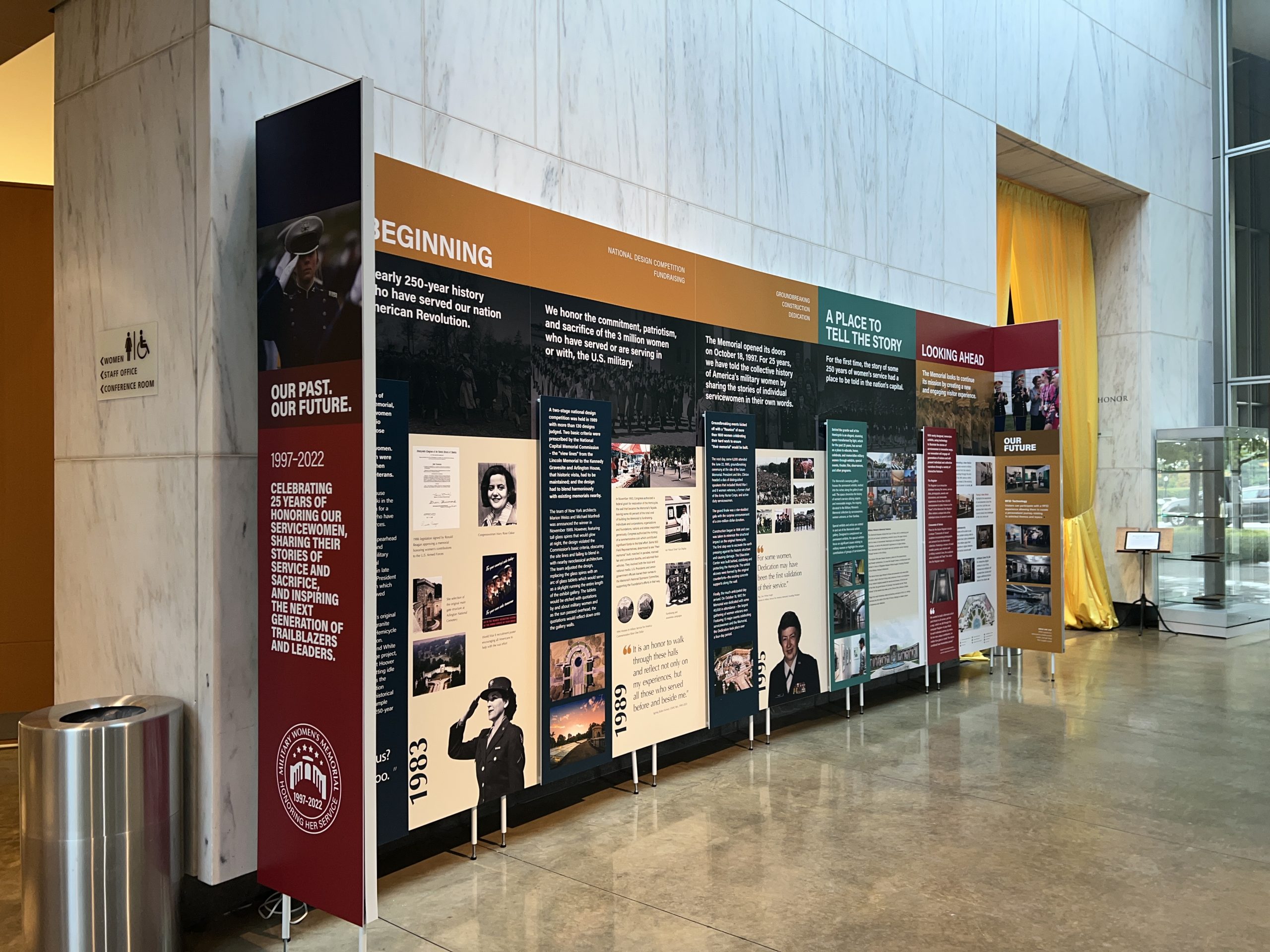
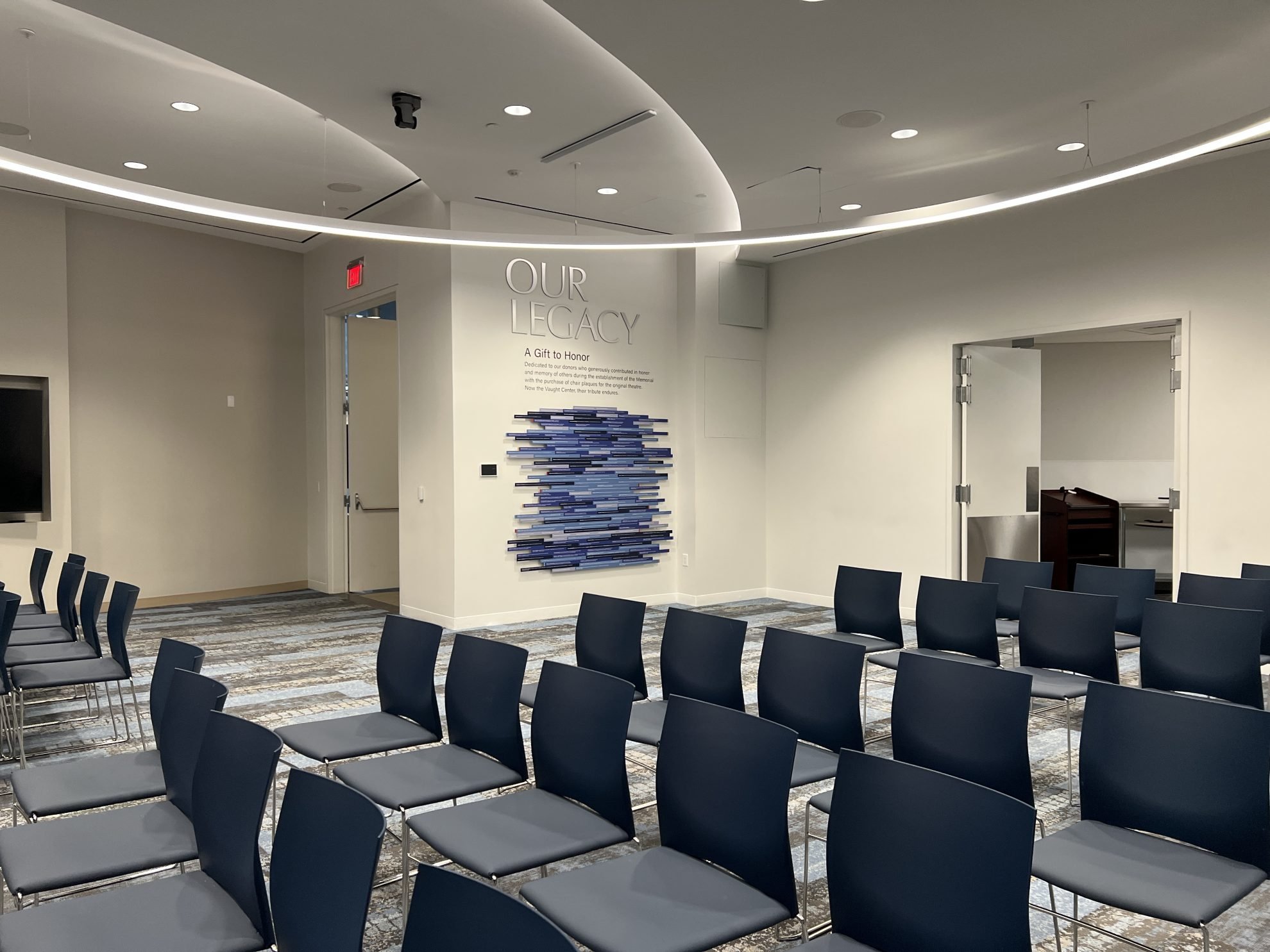
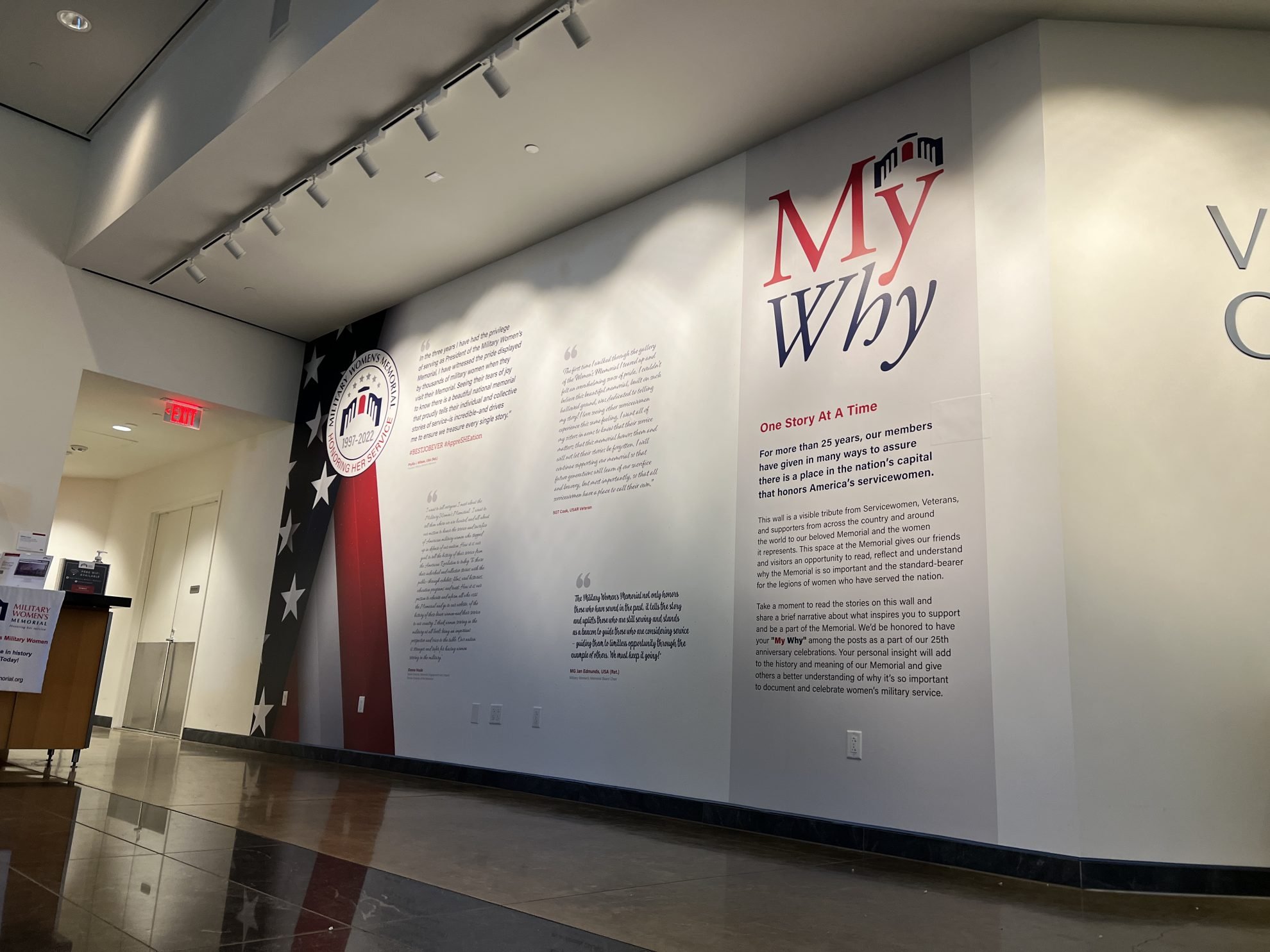
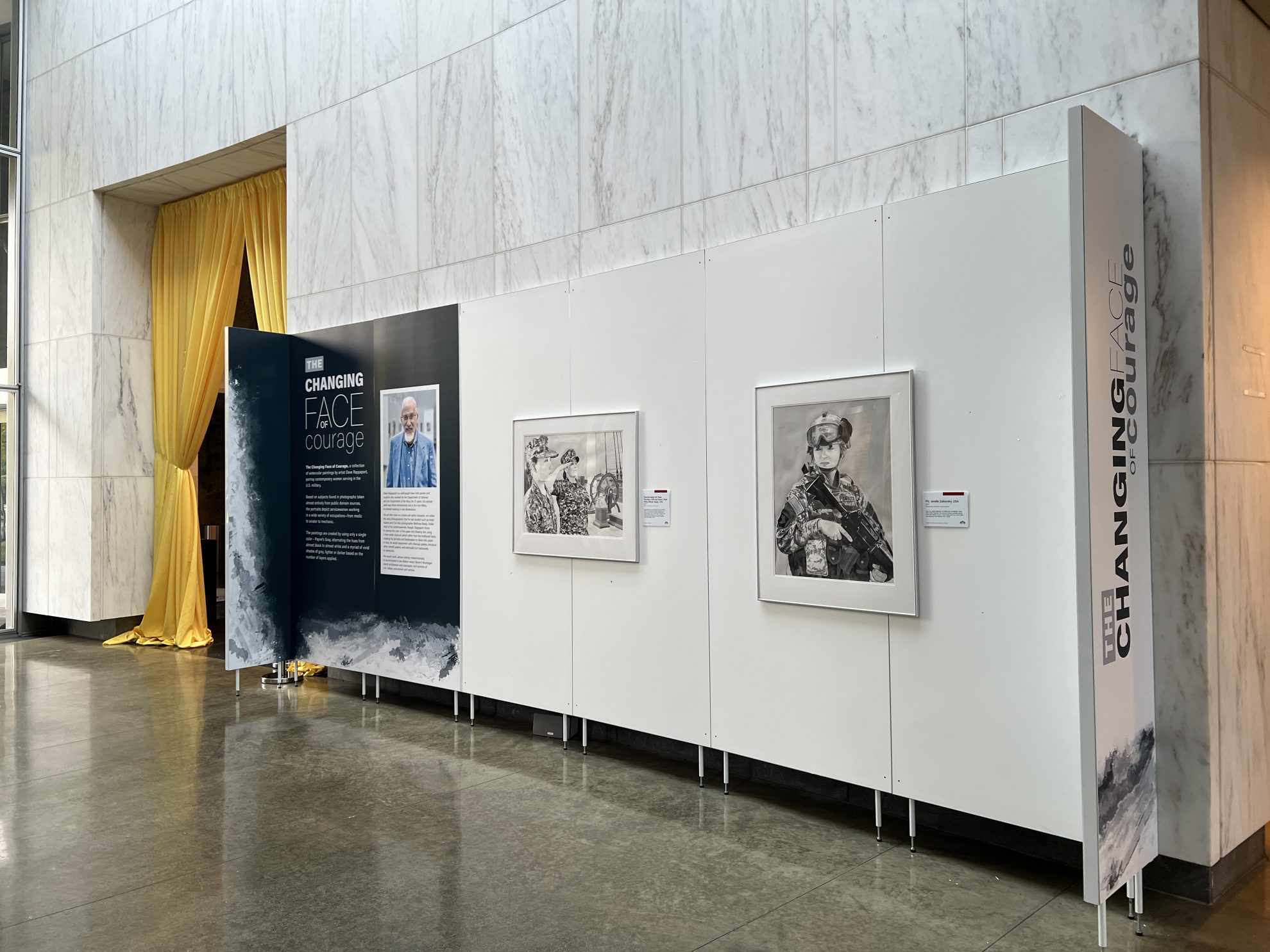
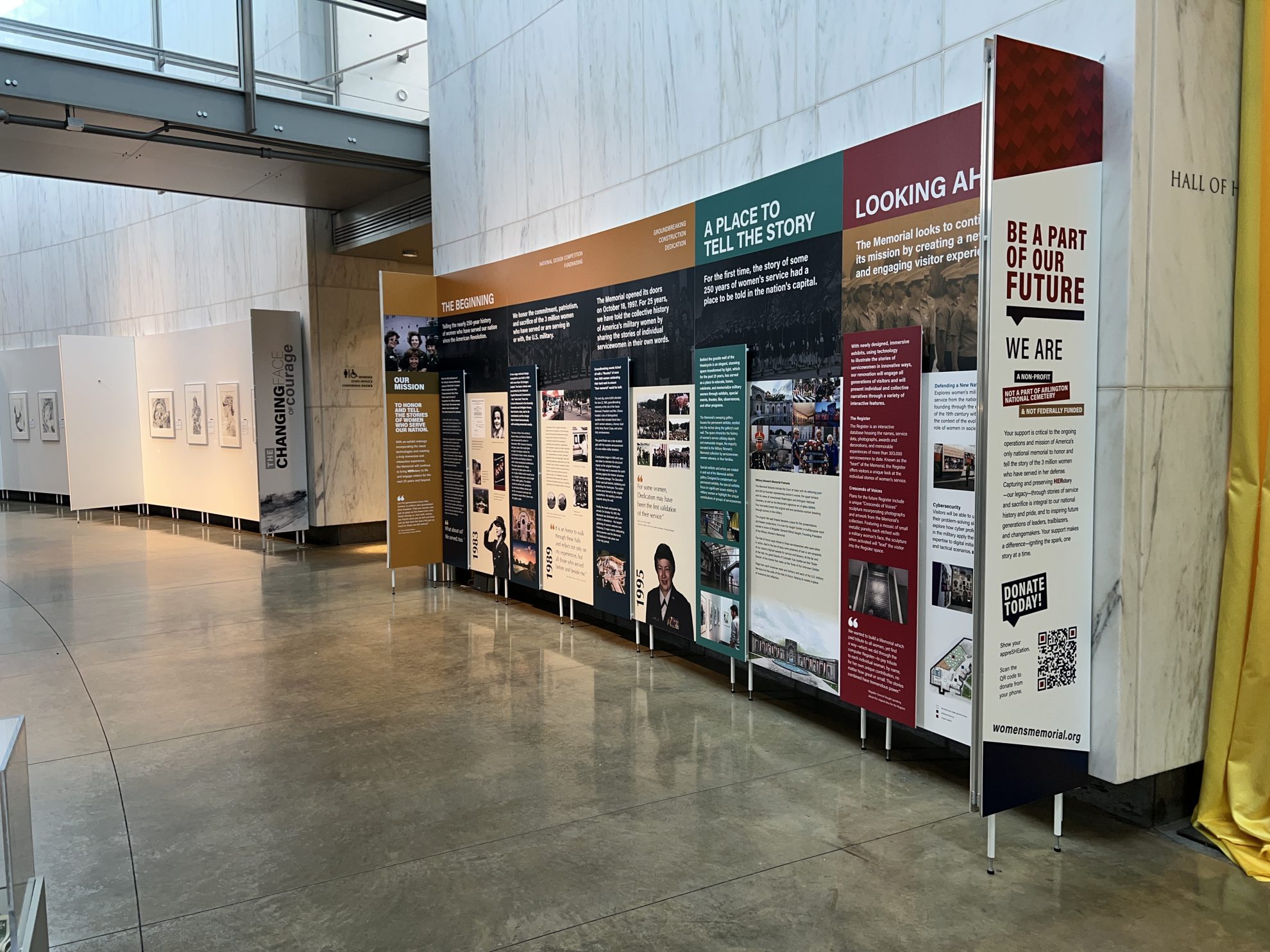
Heritage Signs & Displays created new museum signage for the Military Women’s Memorial in Arlington, VA. The project included custom signs, wall wraps, dimensional letters, and standoff-mounted displays to honor the legacy of U.S. servicewomen and the donors who supported the memorial. The updated interior features impactful designs, including a "Our Legacy" wall display and panels showcasing historical contributions and artwork, creating a transformative tribute to women in the U.S. Armed Forces.
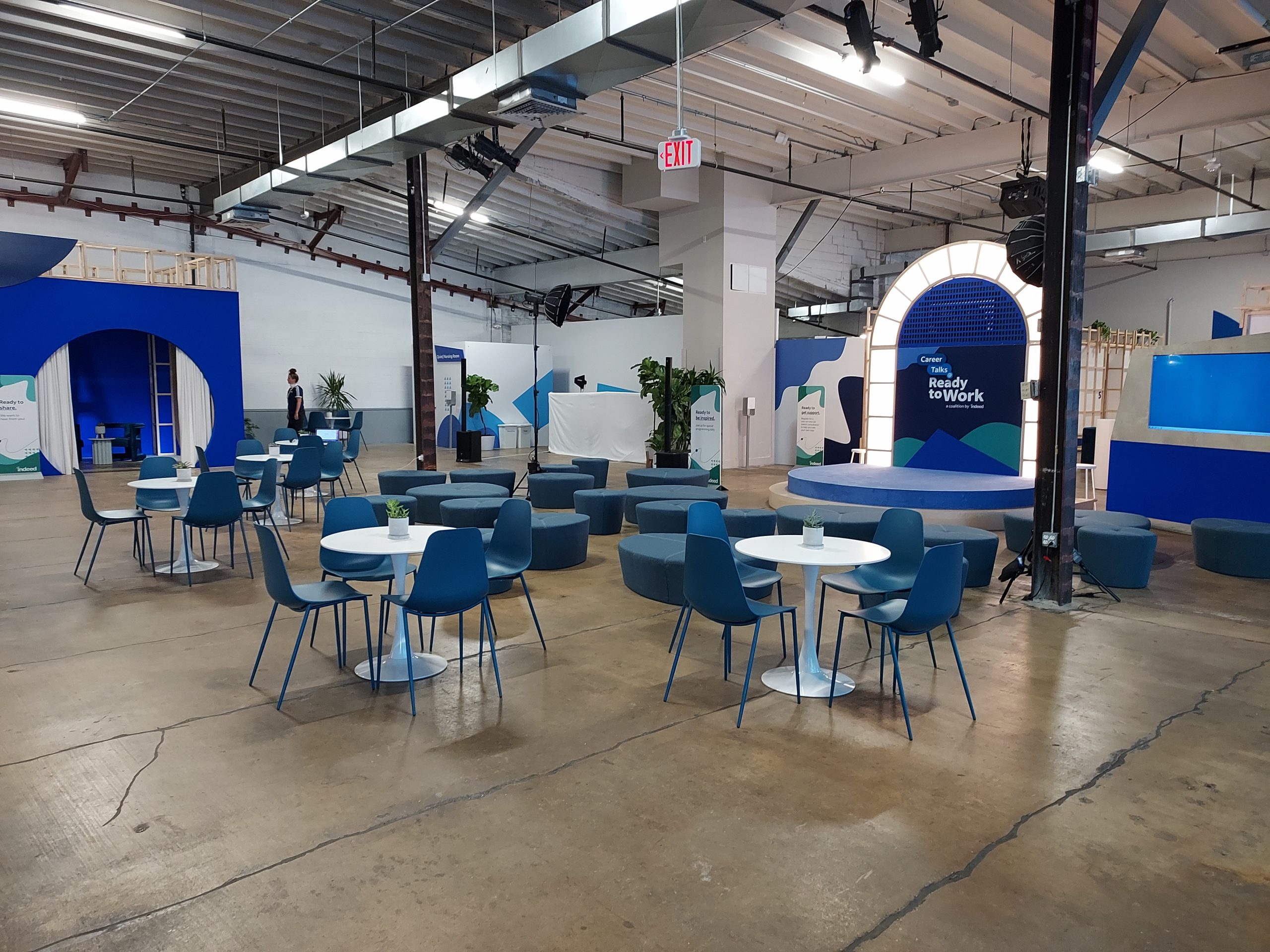
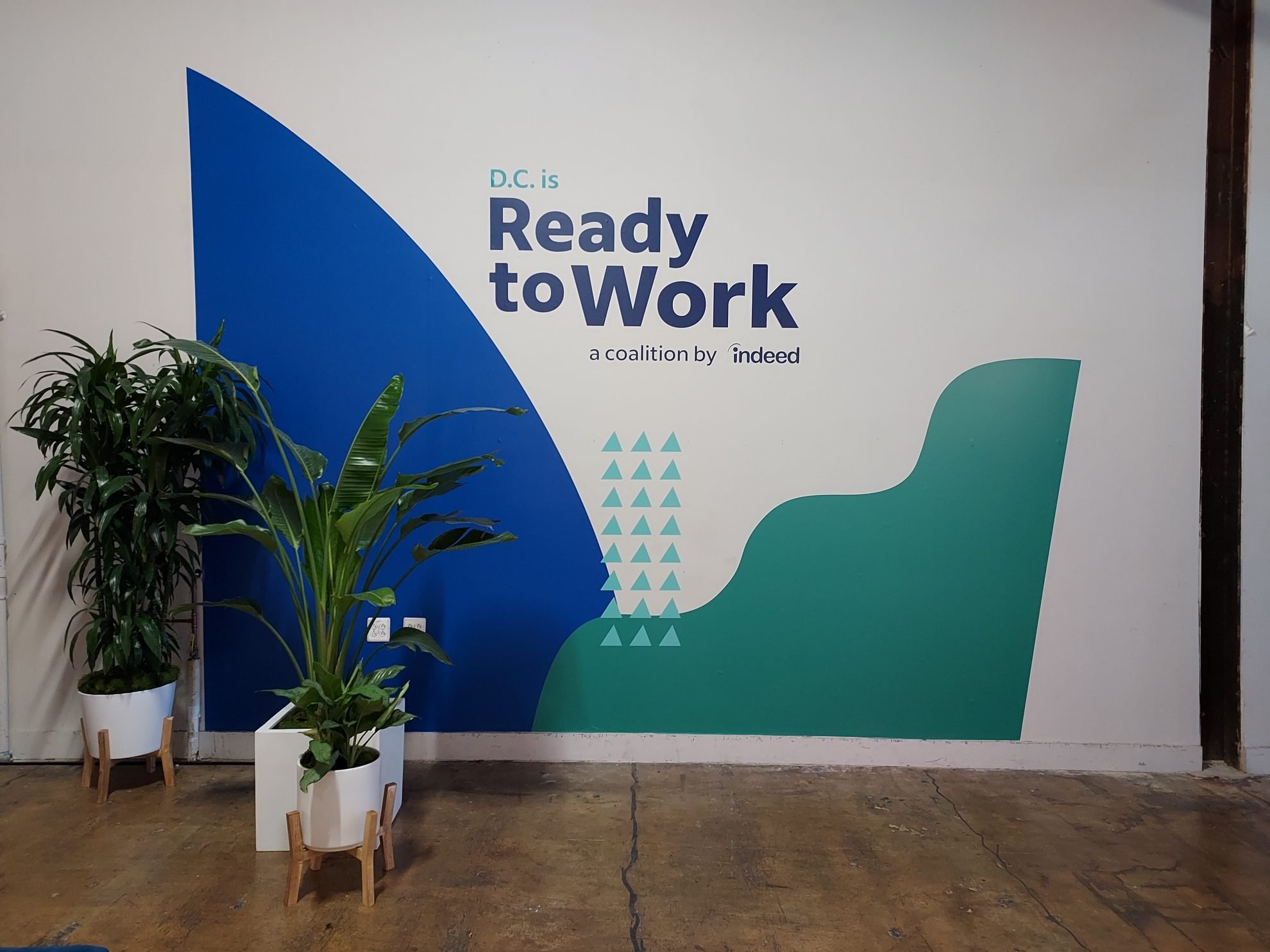
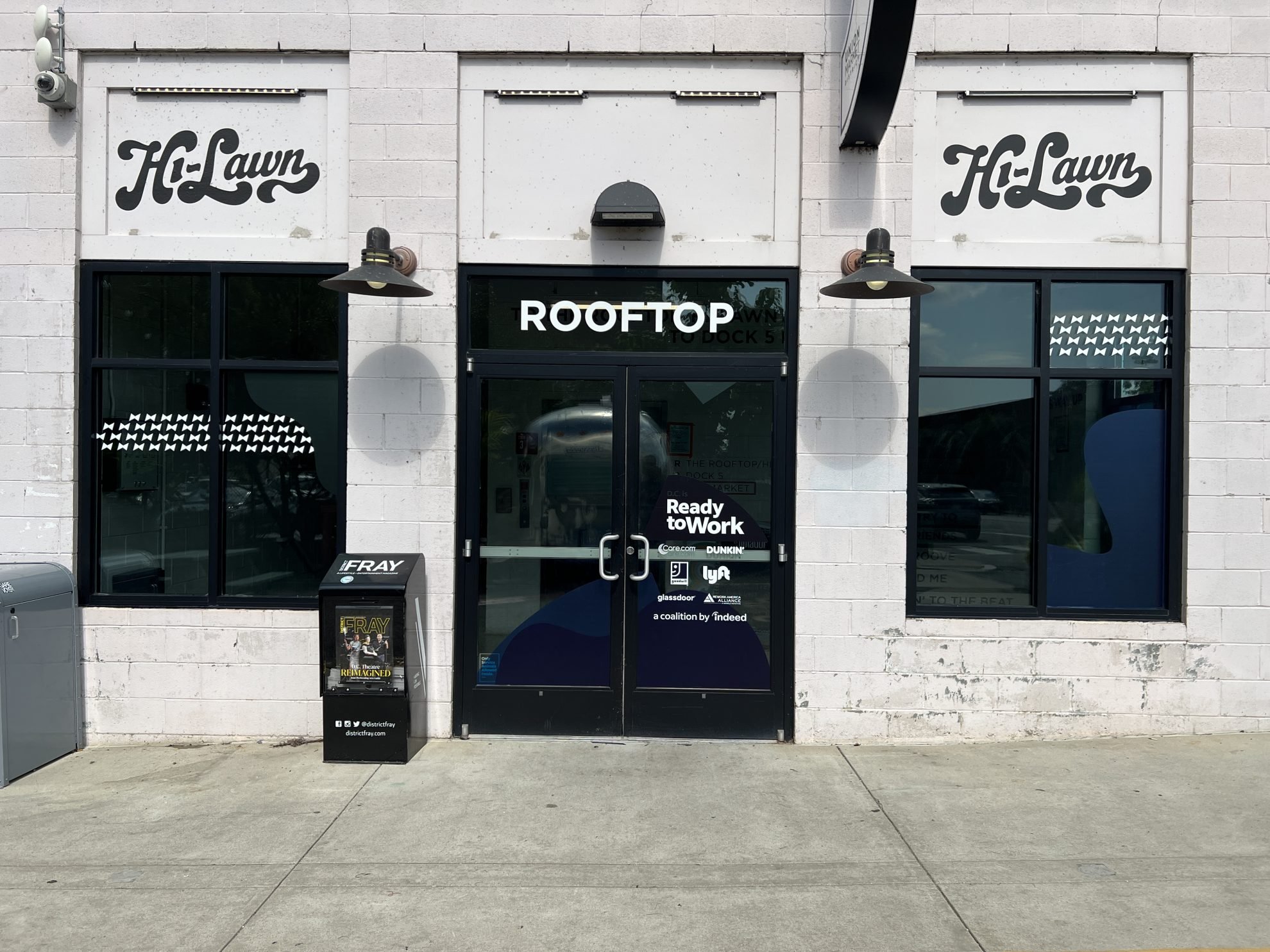
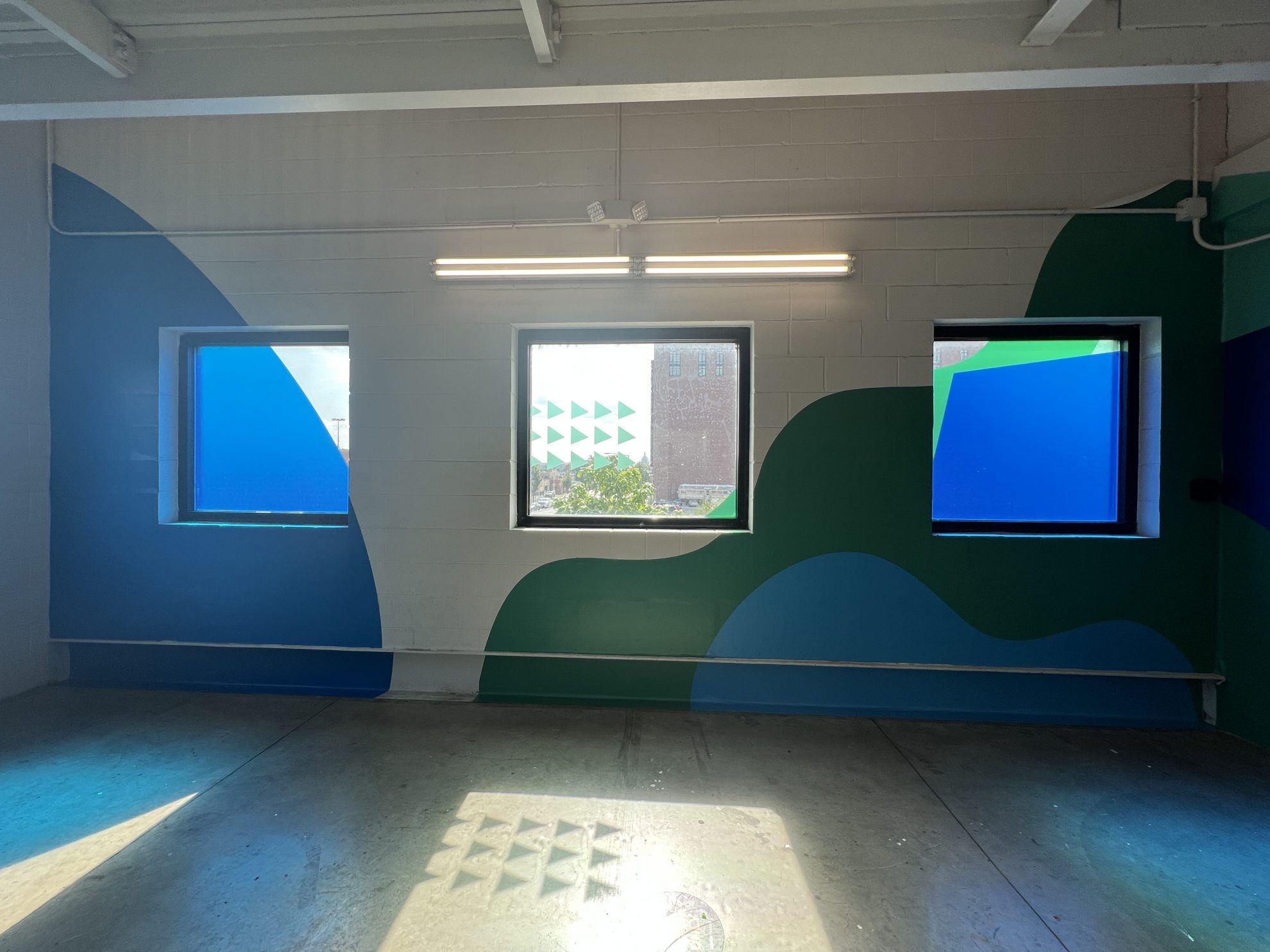
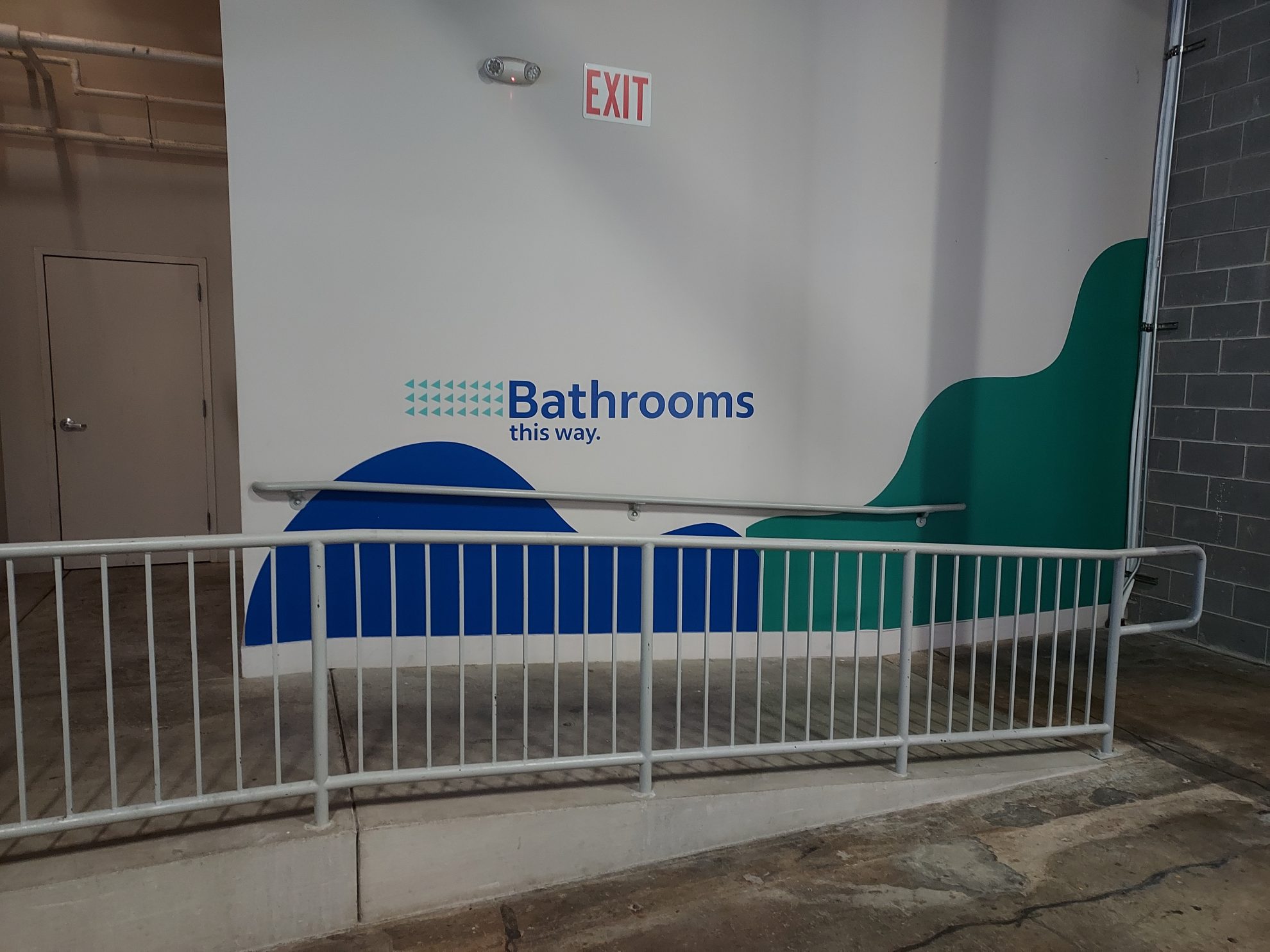
Heritage Signs & Displays' collaboration with The Gathery to brand Union Market in Arlington, VA, for Indeed's "Ready to Work" job fair. The project included custom event displays, wall graphics, window graphics, and wayfinding signs, creating an immersive and visually appealing environment. The branding enhanced the venue, reflected the event's mission, and provided a seamless experience for attendees.