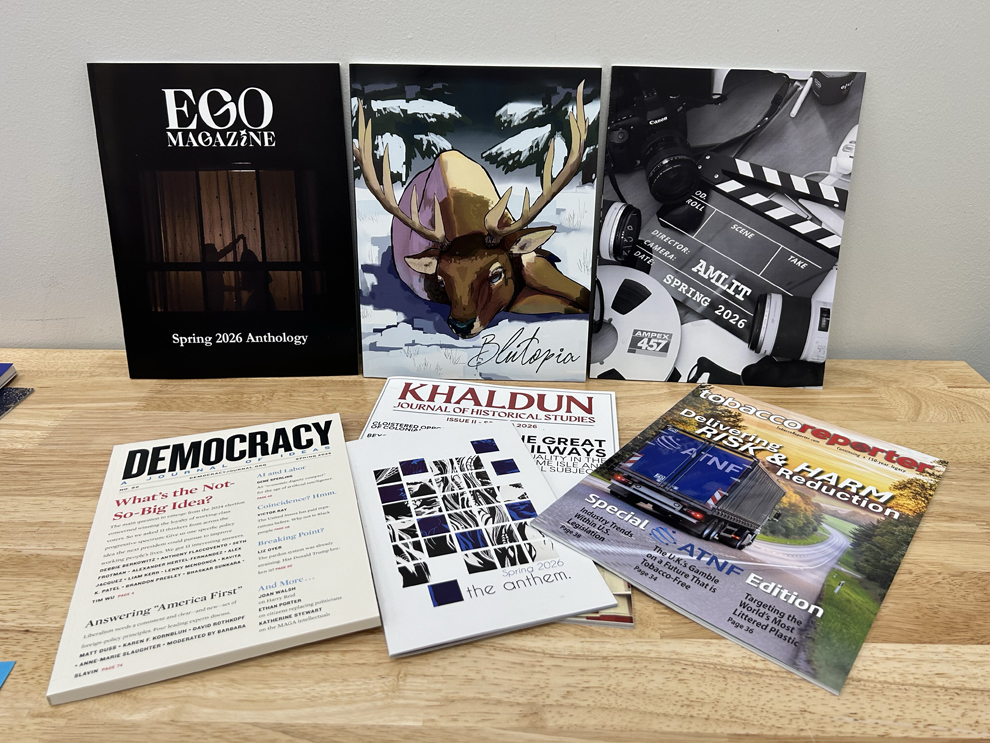
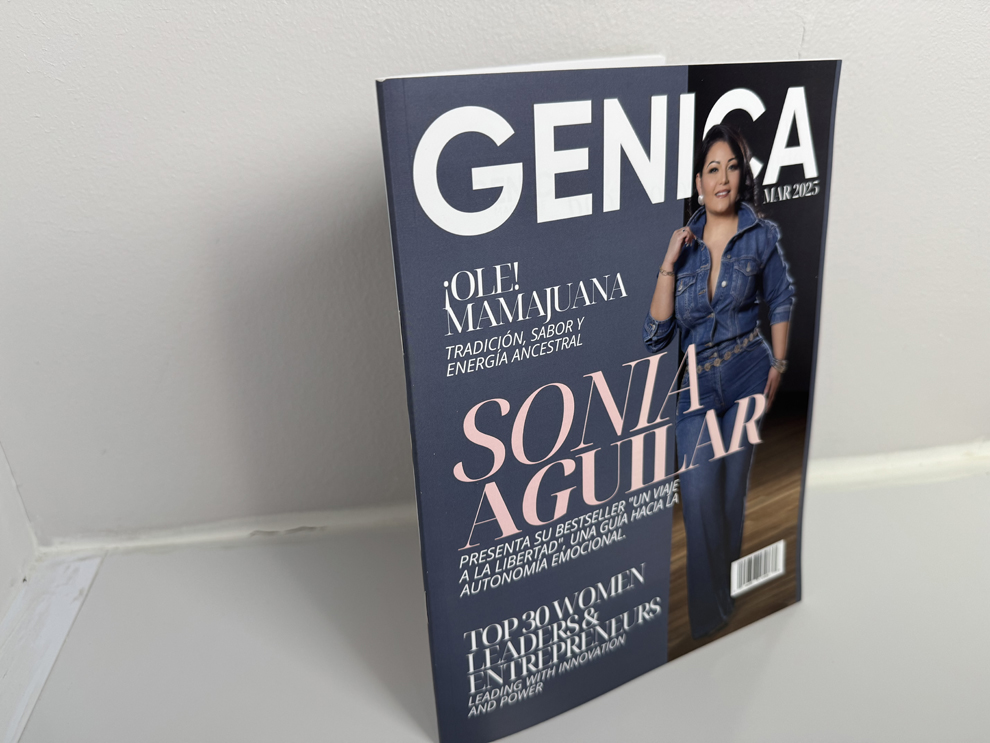
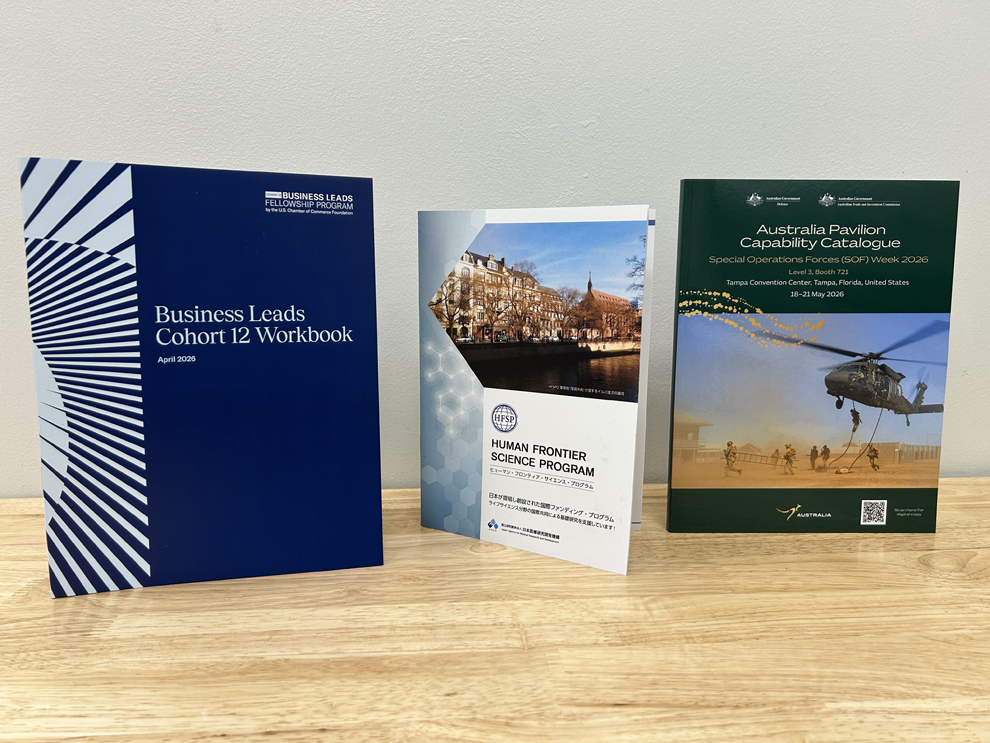
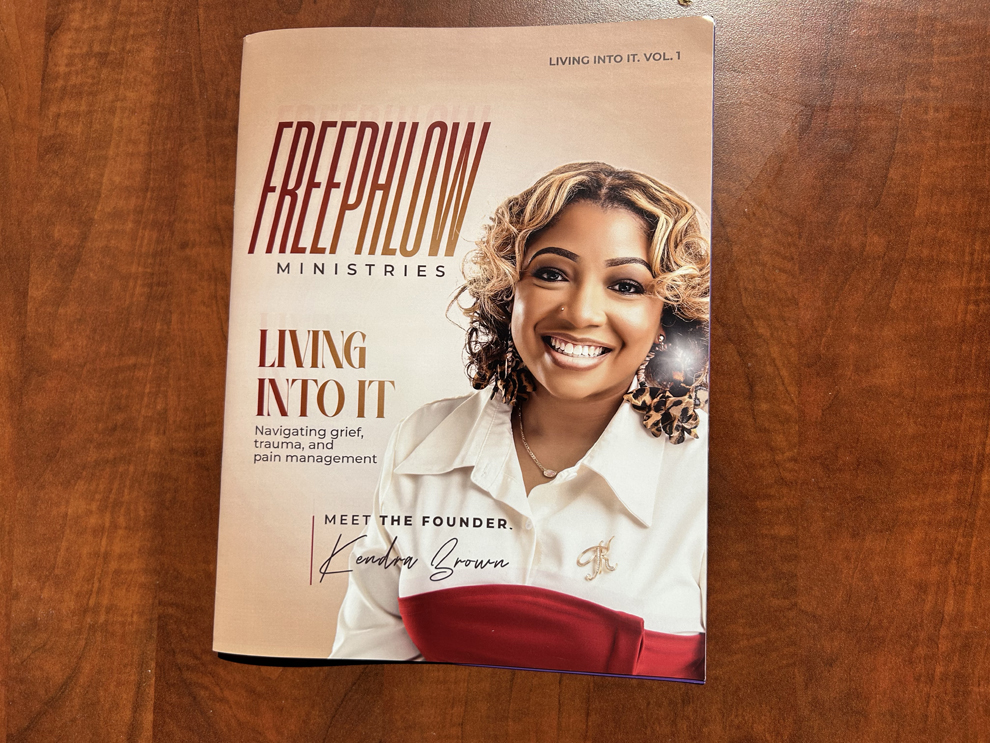
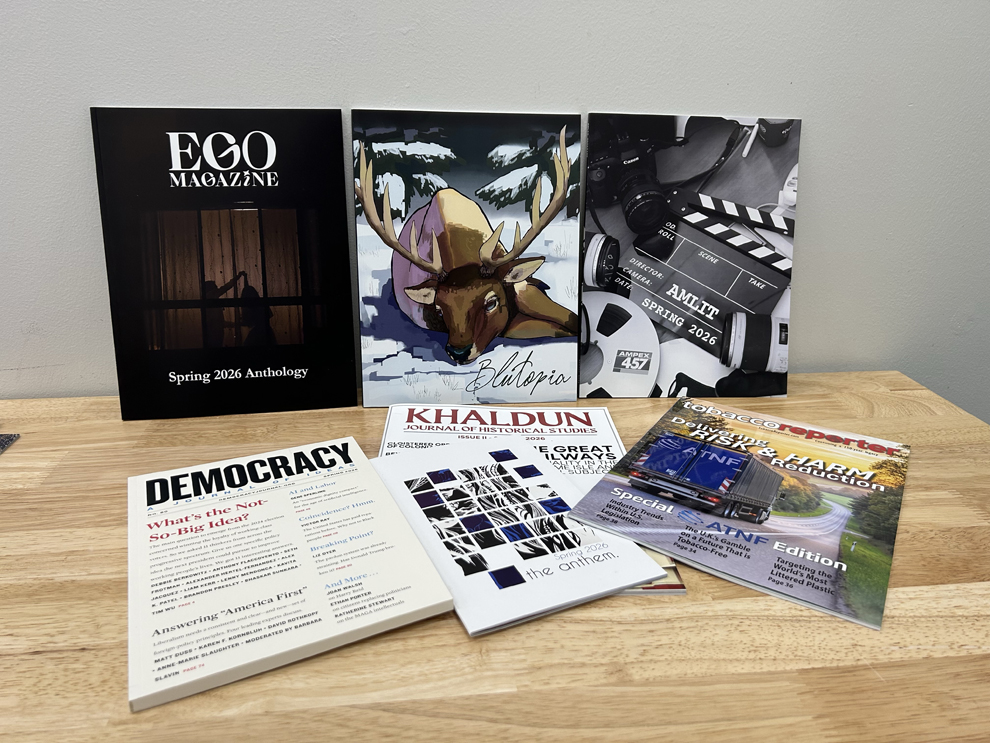
Atlanta organizations produce a great deal of content that is meant to be read, kept, and passed along. Trade associations publish professional journals, universities and health systems issue research and policy reports, chambers and membership groups print directories, and nonprofits distribute program guides. Each of these pieces carries its own mix of page count, paper, binding, color, and distribution needs, and Heritage helps turn finished files into publications that respect those differences.
Who will read the piece, and when, should drive the early decisions. A directory that members consult all year calls for a different construction than a report prepared for a board meeting at a Midtown headquarters or a journal issue timed to an industry conference downtown. Heritage asks about the readership and the date first, then works toward a schedule that holds up.
Format, paper weight, page count, binding, color expectations, quantity, and delivery method shape how the finished publication performs in the hands of readers. Matching those specifications to the actual use produces a piece that is easier to read, sturdier to handle, and more credible to the audience it serves.
Heritage has been printing since 1977, and that history matters when a publication represents an organization to its members, donors, students, or partners. The team has produced journals, reports, and reference pieces for decades, which means the questions we ask about your Atlanta project are informed by experience rather than guesswork. Veteran ownership and family leadership reinforce a habit of accountability: say what will happen, then follow through.
Quality control runs through every step. Where color is important to charts, photography, or brand elements, Heritage can apply spectrophotometric calibration and verification with production-specific color profiles so output stays within the realistic capability of the chosen press, paper, and finish. Every Commercial Printing order receives an electronic proof for your review and approval before anything prints. That proof confirms content and layout; it is not a substitute for the optional paid Physical Production Color Proof available on qualifying Custom Quote projects.
Atlanta schedules revolve around academic terms, fiscal-year reporting, membership renewals, and convention season. Heritage evaluates the real work before committing to a date, then communicates plainly so your publication arrives when readers expect it.
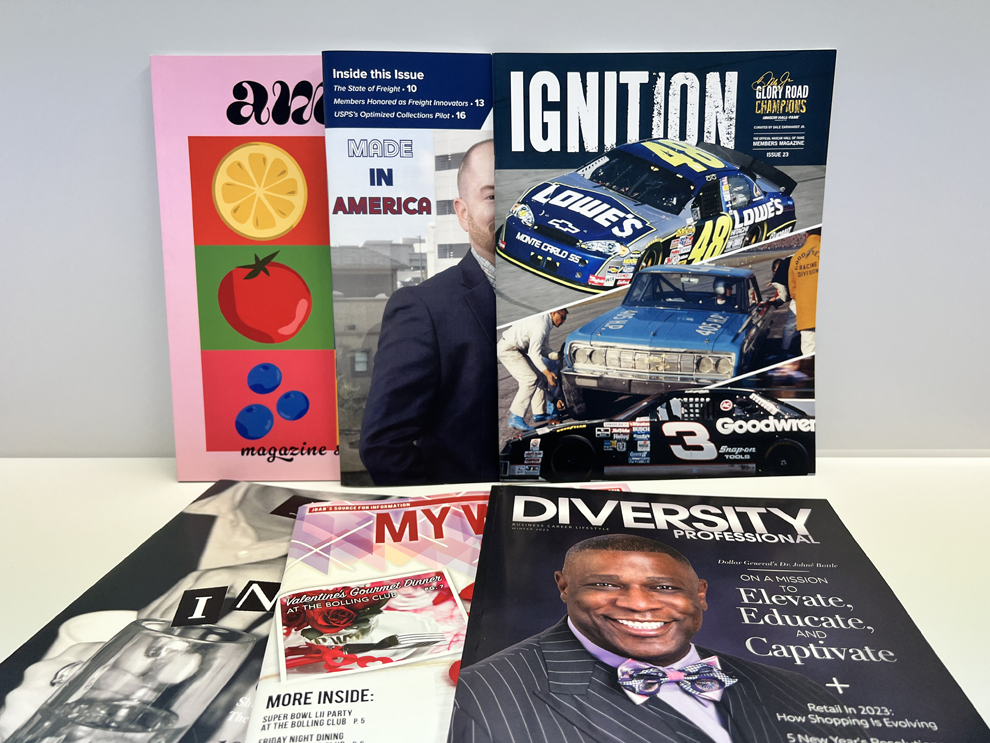
Choose this when a recurring editorial issue needs a consistent masthead, coordinated cover and interior paper, and edition-to-edition continuity.
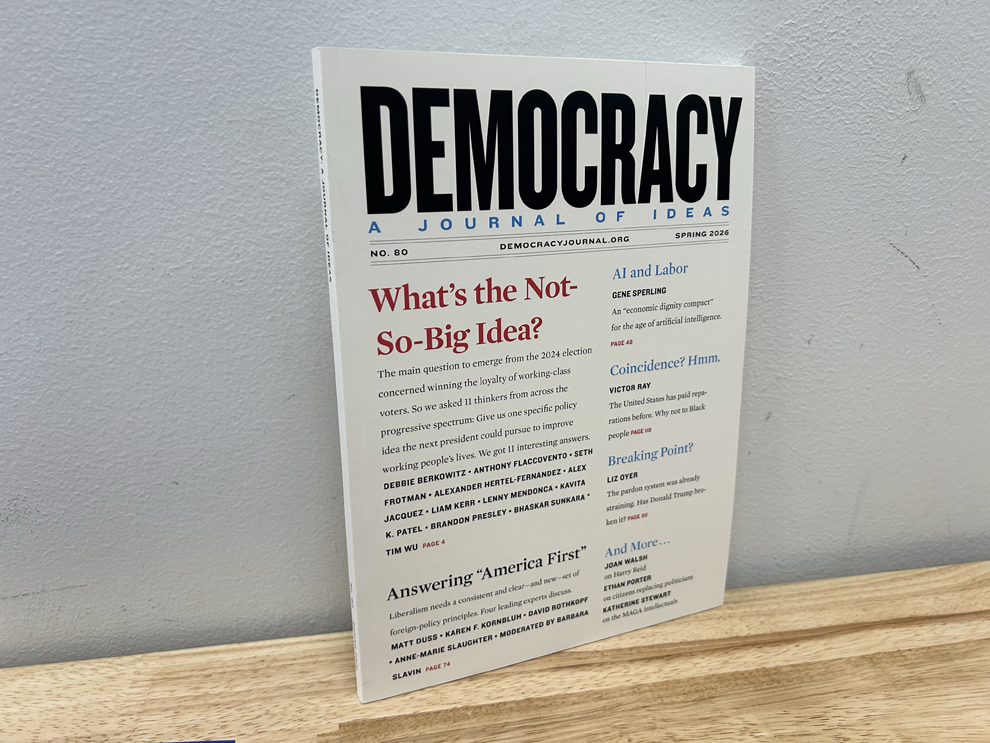
The right home for brief, frequent updates to staff, members, or donors where cadence and mailing matter more than bulk.
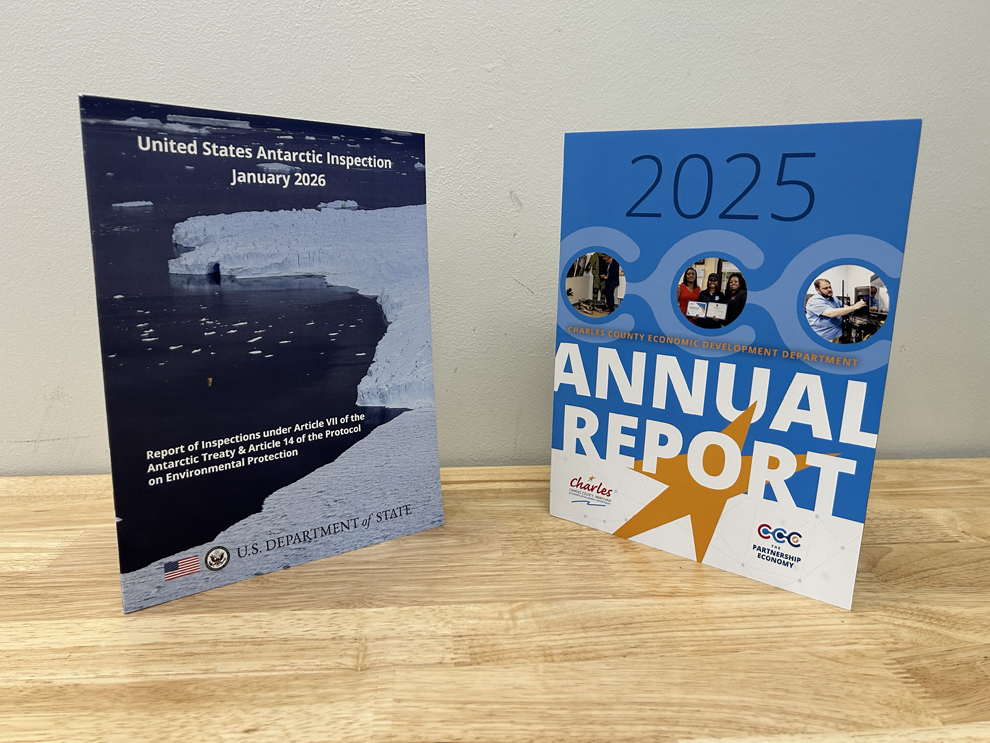
Best suited to yearly stakeholder reporting that combines financial statements, outcomes, governance, and leadership messages.
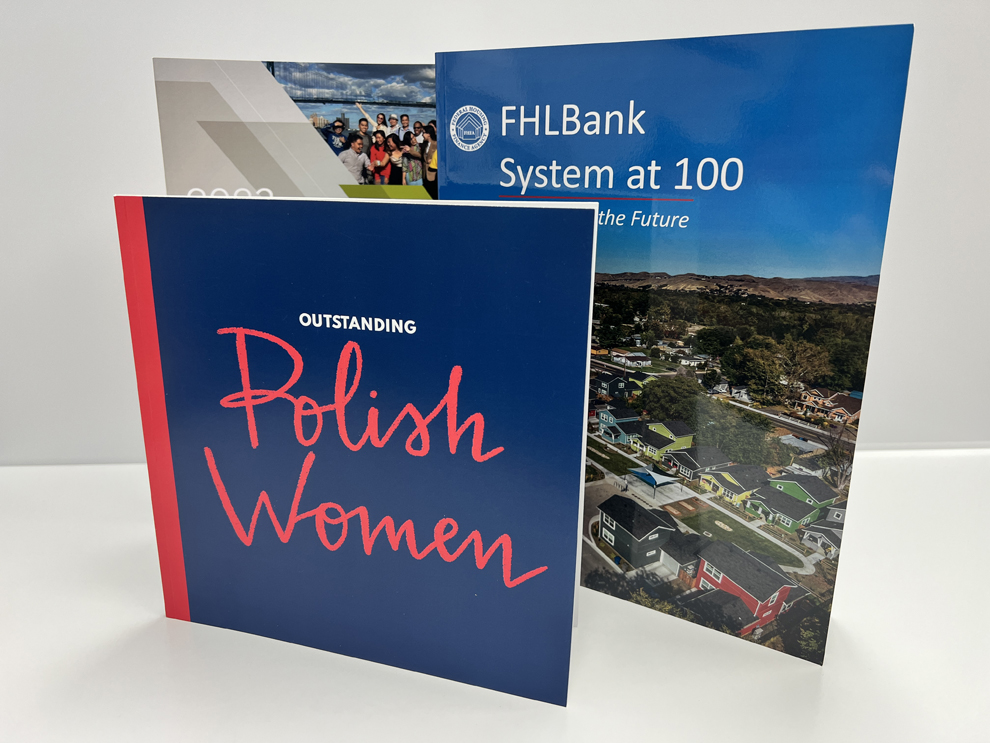
A practical fit when the main decisions are binding, page count, and format for a compact guide or program.
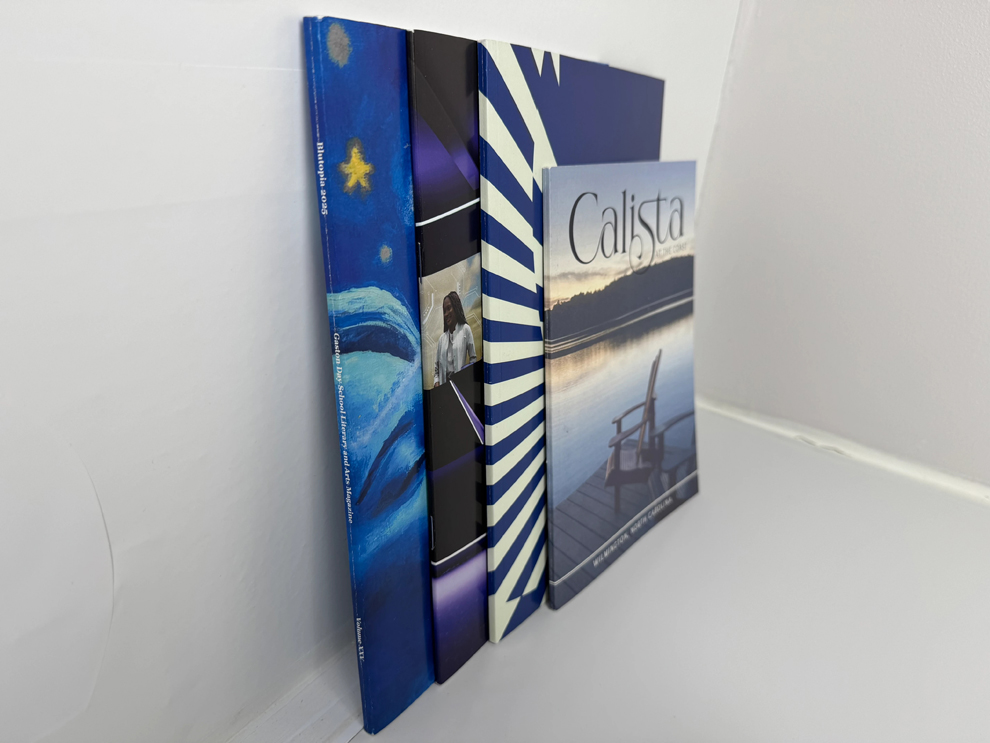
Select this for substantial page counts where a square, printable spine and book-like presentation are essential.
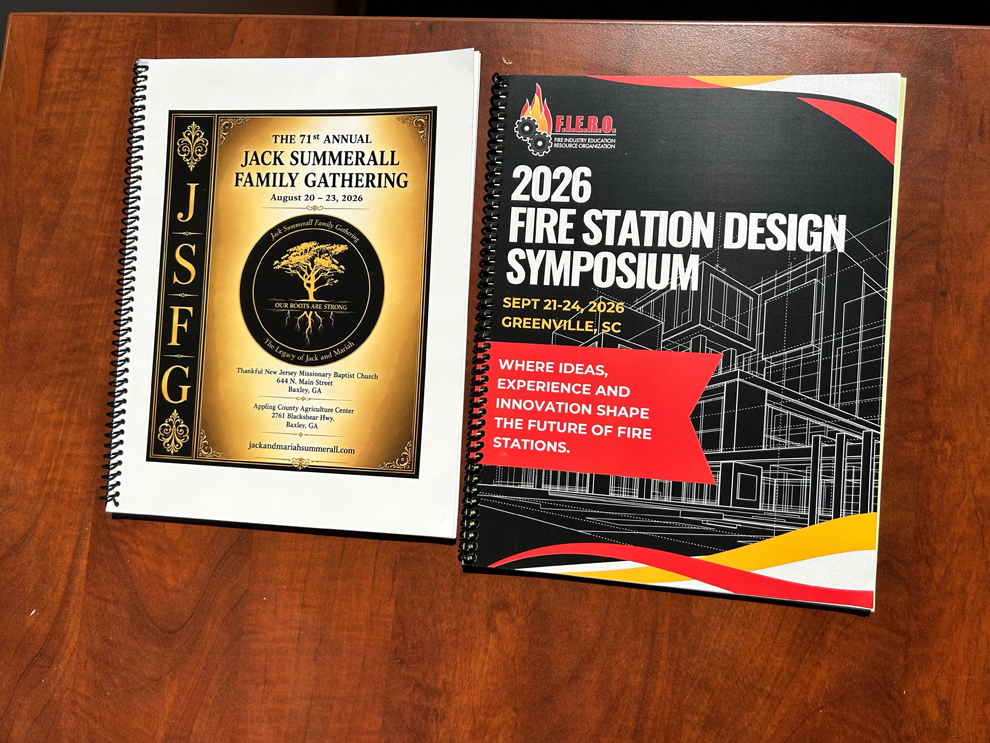
Designed for instructional content that will be opened repeatedly, written in, and kept within reach.
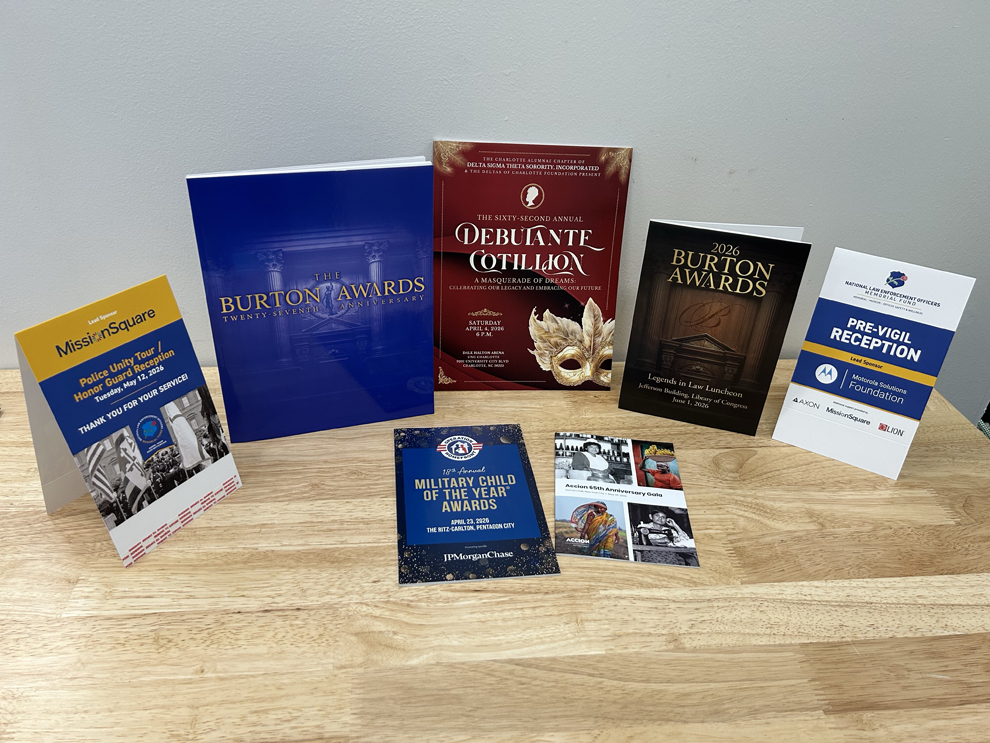
Intended for conferences, galas, and ceremonies where schedules, speakers, and sponsors define the content.
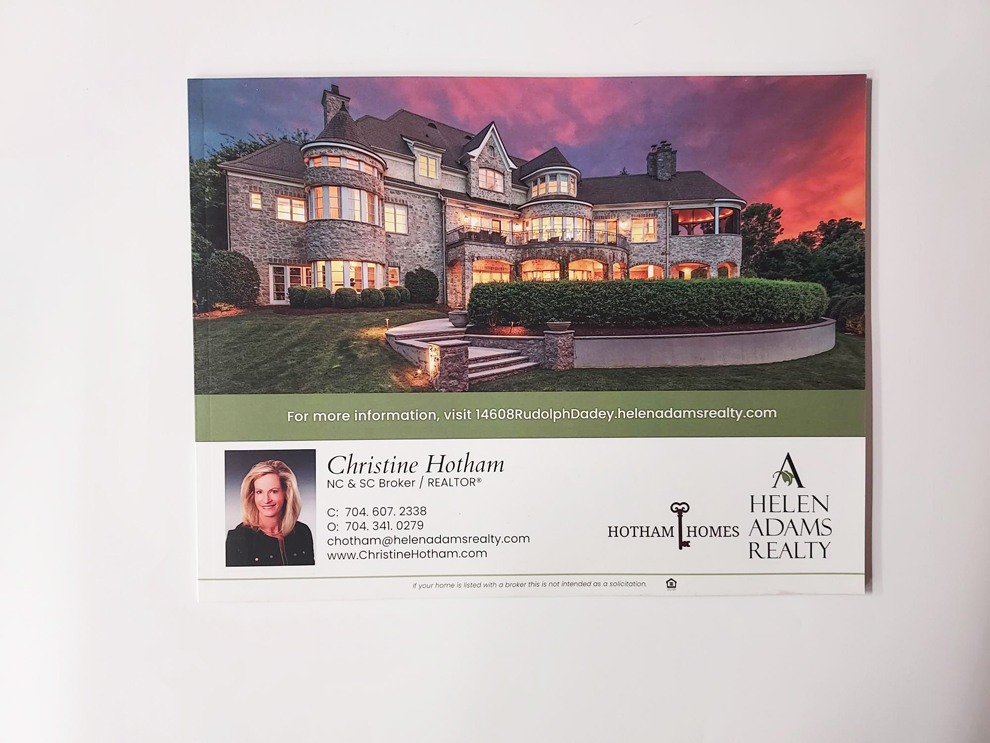
Adds addressing and postal preparation when a publication needs to travel straight from production to recipients.
Whether you are producing a research report for a university review, a membership directory for a statewide association, or a program guide for a nonprofit serving metro Atlanta, Heritage can help you settle the specifications and the schedule. Projects that need production guidance, color-critical review, multiple editions, mailing coordination, or a managed timeline are a strong fit for Custom Quote. If your artwork is finished and a current saddle-stitched, perfect-bound, or plastic-coil Online Store configuration matches your specifications, you can also price and order directly.
Every project starts with a picture of the job: finished size, page count, quantity, paper, color sensitivity, file readiness, proofing needs, required date, and how copies will reach readers. Submitting a Custom Quote opens that conversation; it does not create an order. Once Heritage accepts and assigns the work, your Project Coordinator becomes your direct phone and email contact through every stage, and returning clients keep working with the coordinator who already knows their publication.
Binding follows how the piece will be used. Saddle stitching suits thinner guides and journal issues with moderate page counts. Perfect binding gives a thicker report or directory a square spine that can carry a printed title. Plastic coil lets reference material lie flat on a desk. Paper weight, cover stock, color coverage, and quantity each influence which option is practical, and no single combination fits every publication.
An electronic proof arrives before printing, and your approval releases the job. Heritage produces to the confirmed specifications, keeps you informed if anything shifts, and moves copies into mailing, shipping to your Atlanta address, or delivery for your own distribution plan.
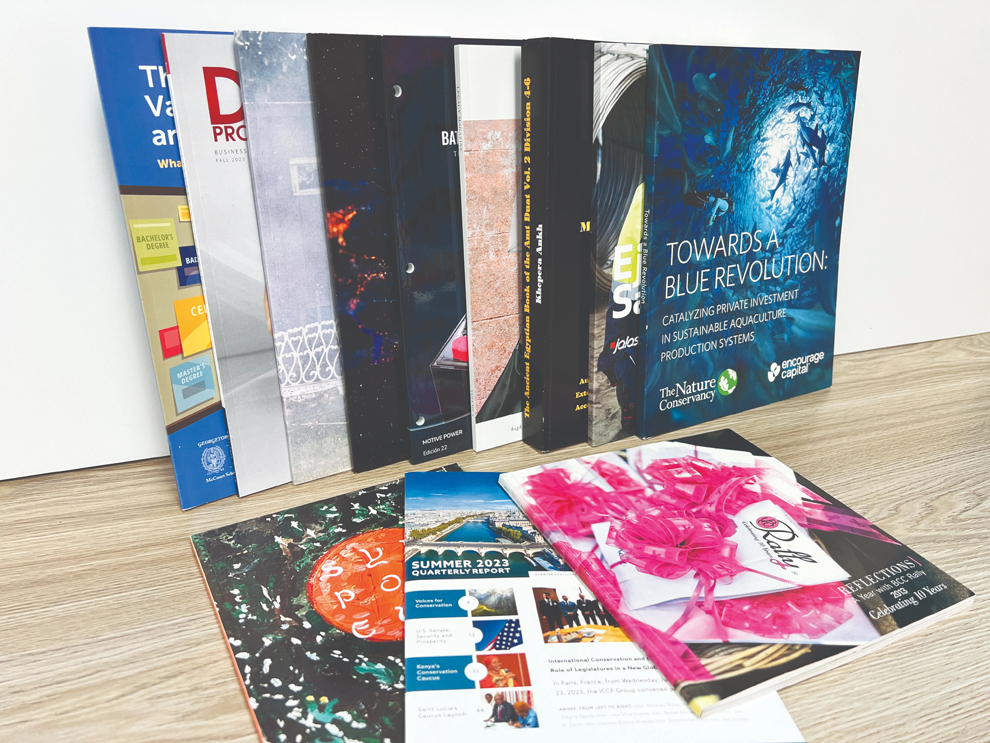
Heritage produces publications for Atlanta and Georgia organizations and delivers them by mail, freight, or parcel shipment according to the agreed plan. Project communication happens by phone and email with your assigned Project Coordinator on accepted Custom Quote work, so distance does not change the level of attention. Delivery timing is confirmed as part of the production schedule rather than assumed.
At that page count, perfect binding is usually the strongest candidate because it produces a square spine with enough bulk to carry a printed title and sit neatly on a shelf. Saddle stitching generally reaches its limit well before 140 pages. If readers will keep the report open on a desk for extended reference, plastic coil is worth discussing. Paper weight affects the final answer, so share the stock you have in mind.
Narrower families take precedence when the piece clearly belongs to them. Recurring editorial issues go to Magazine Printing, brief frequent updates go to Newsletter Printing, yearly stakeholder reporting goes to Annual Reports, and compact pieces driven mainly by format go to Booklet Printing. Publication Printing covers journals, research reports, directories, guides, and member publications that need a plan built around their own content and readership.
Read the proof as a reader would. Confirm page order, pagination, running heads, cover copy, table and chart placement, image cropping, and any version-specific text. Check that fonts rendered correctly and that nothing shifted at the margins. Your approval tells Heritage this is the file to print, so corrections belong at this stage. The electronic proof shows content and layout but cannot serve as a physical color reference.
Heritage reviews the inquiry to confirm the project fits the Custom Quote path and that the information needed to quote is complete. Submission does not itself create an accepted order or assign a coordinator. When Heritage accepts and assigns the project, your Project Coordinator reaches out directly, becomes your phone and email contact, and begins confirming specifications, proofing steps, and the production schedule.
You are. Heritage works from completed or nearly completed print-ready artwork, and your team owns the editorial content and overall design. On qualifying Custom Quote projects, Heritage can provide production-focused assistance such as adjusting bleeds, correcting file settings, or making layout changes needed for the piece to print as intended. Full creative development is not part of Publication Printing.
When mailing is part of the accepted scope, Heritage handles addressing and postal preparation for the publication. You provide accurate, authorized recipient data in an agreed format. Heritage is responsible for the mailing services included in the project; once the United States Postal Service accepts the mail, delivery timing is in its hands.
Heritage uses spectrophotometric calibration and verification with production-specific profiles when the job calls for it, and supplied PMS values can be set as targets. Because every press, ink, paper, and coating combination has its own gamut, results are managed within what the chosen materials can reproduce rather than what a backlit monitor displays.
Possibly, but Heritage will not confirm that until the file, specifications, and new date are reviewed. Send the print-ready artwork and the revised deadline as early as you can. Your Project Coordinator will assess the remaining window, flag decisions that need immediate answers, and tell you plainly what is achievable. When an expedited route is realistic, approved work moves forward with priority.
Yes, and keeping a record of finished size, paper, cover construction, binding, and color targets gives each new edition a reliable starting point. Heritage still reviews the incoming file, quantity, date, and material availability every time, because page counts change, stock availability shifts, and distribution plans evolve between releases.
It makes sense when color is critical enough that you need to see it on the actual production printer and paper before the full run. Brand palettes, photographic covers, and donor or sponsor imagery are common reasons. This proof is available on qualifying Custom Quote projects for an added charge, adds time to the schedule, and becomes the controlling color reference once approved.
A self-cover keeps weight and cost down and works when the publication is lighter and short-lived. A separate heavier cover adds structure, protects pages that are handled all year, and gives the piece a more finished presence. Directories that members return to repeatedly usually benefit from the separate cover, but mailing weight and binding should be weighed alongside that choice.
Each edition is treated as its own version with a distinct file name, quantity, proof approval, and distribution instruction. Shared elements like covers or inserts can be coordinated so the editions look consistent. Clear ownership of each version on your side helps keep approvals moving and prevents mix-ups during binding and fulfillment.
It can be when specifications are fully decided, artwork is complete and print-ready, and a live saddle-stitched, perfect-bound, or plastic-coil configuration matches the job. Store orders still receive an electronic proof and normal production review, and eligible products can be combined to meet the order minimum. The Store does not include an assigned Project Coordinator, specification consultation, or a Physical Production Color Proof.
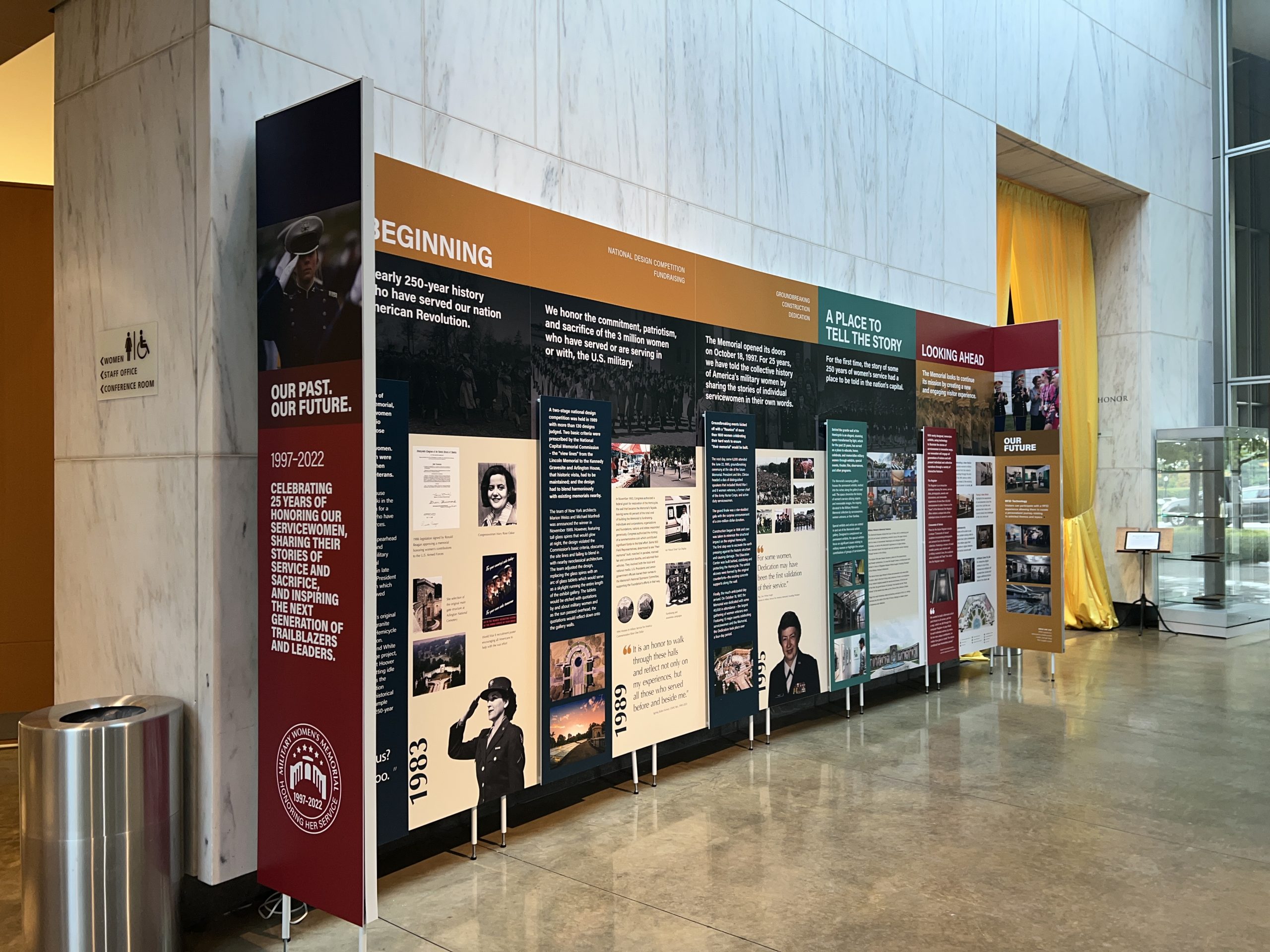
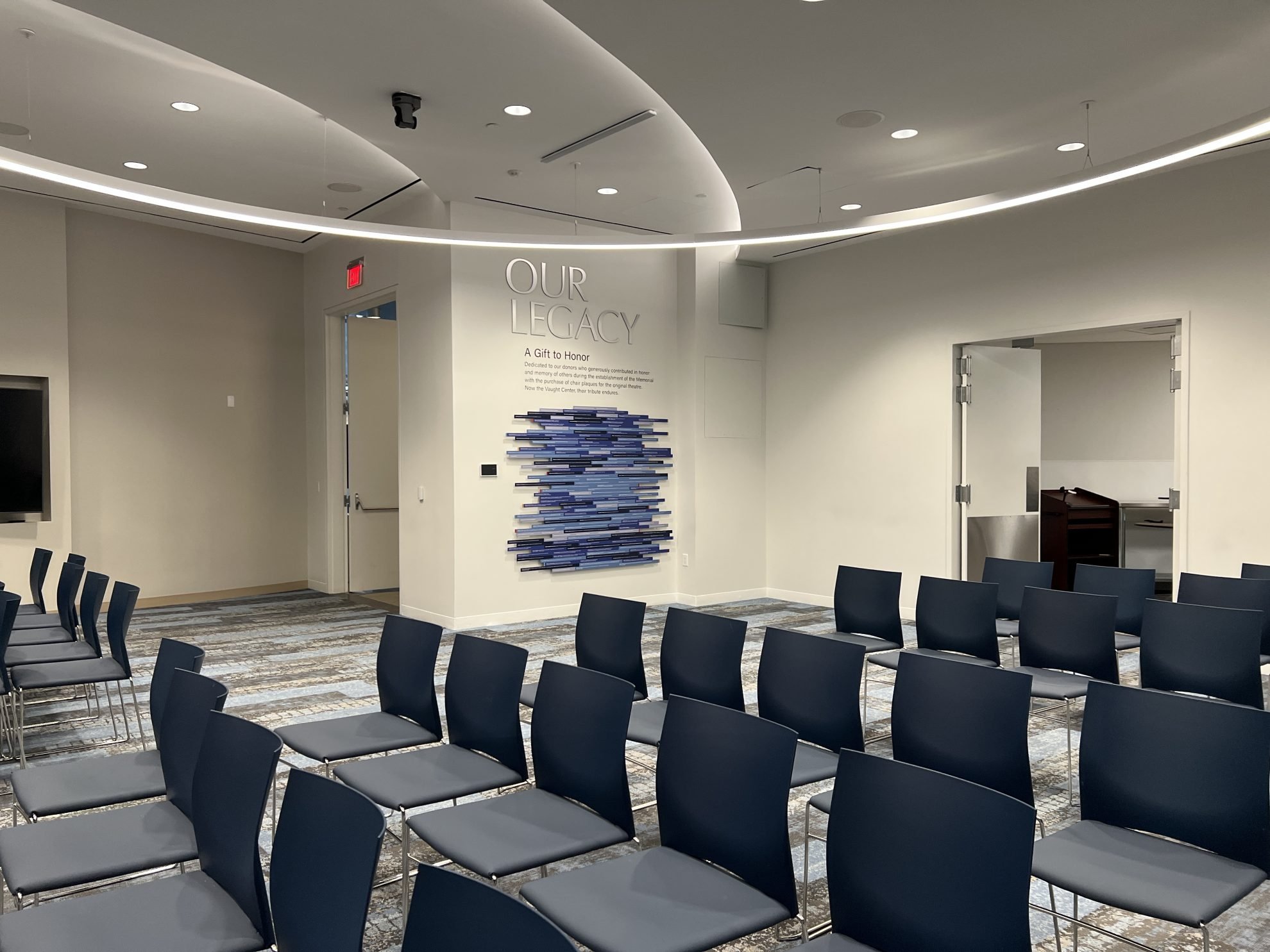
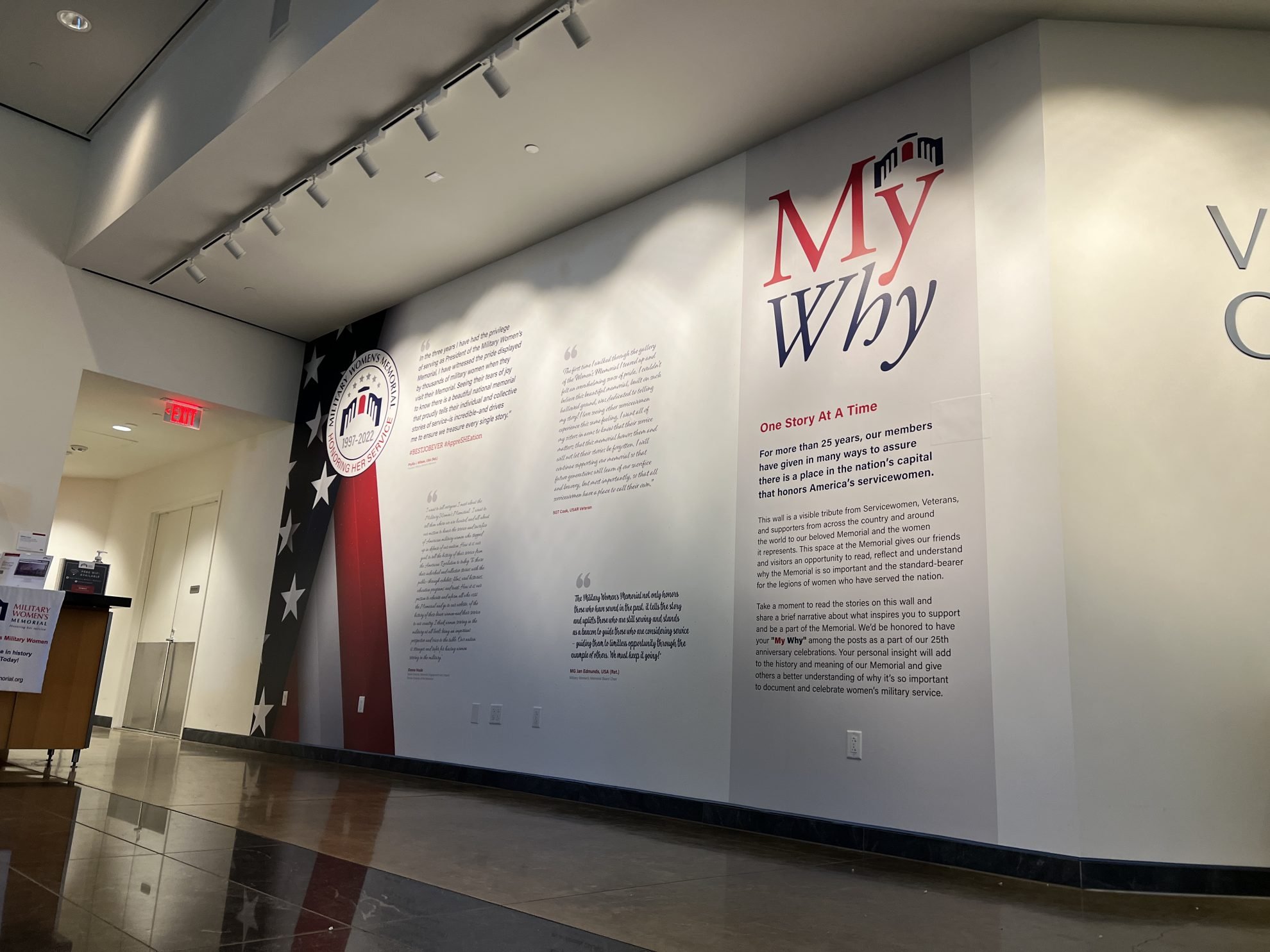
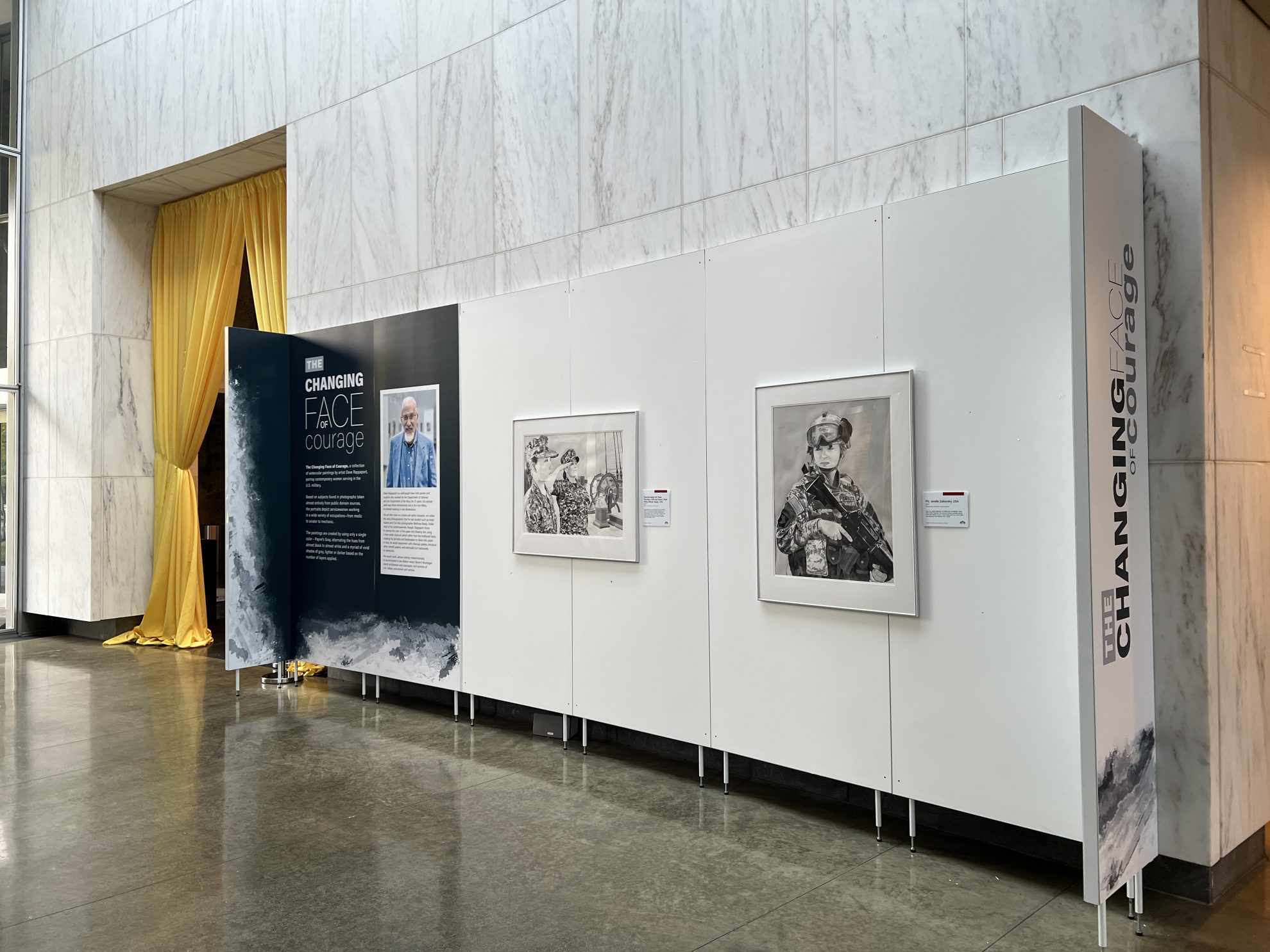
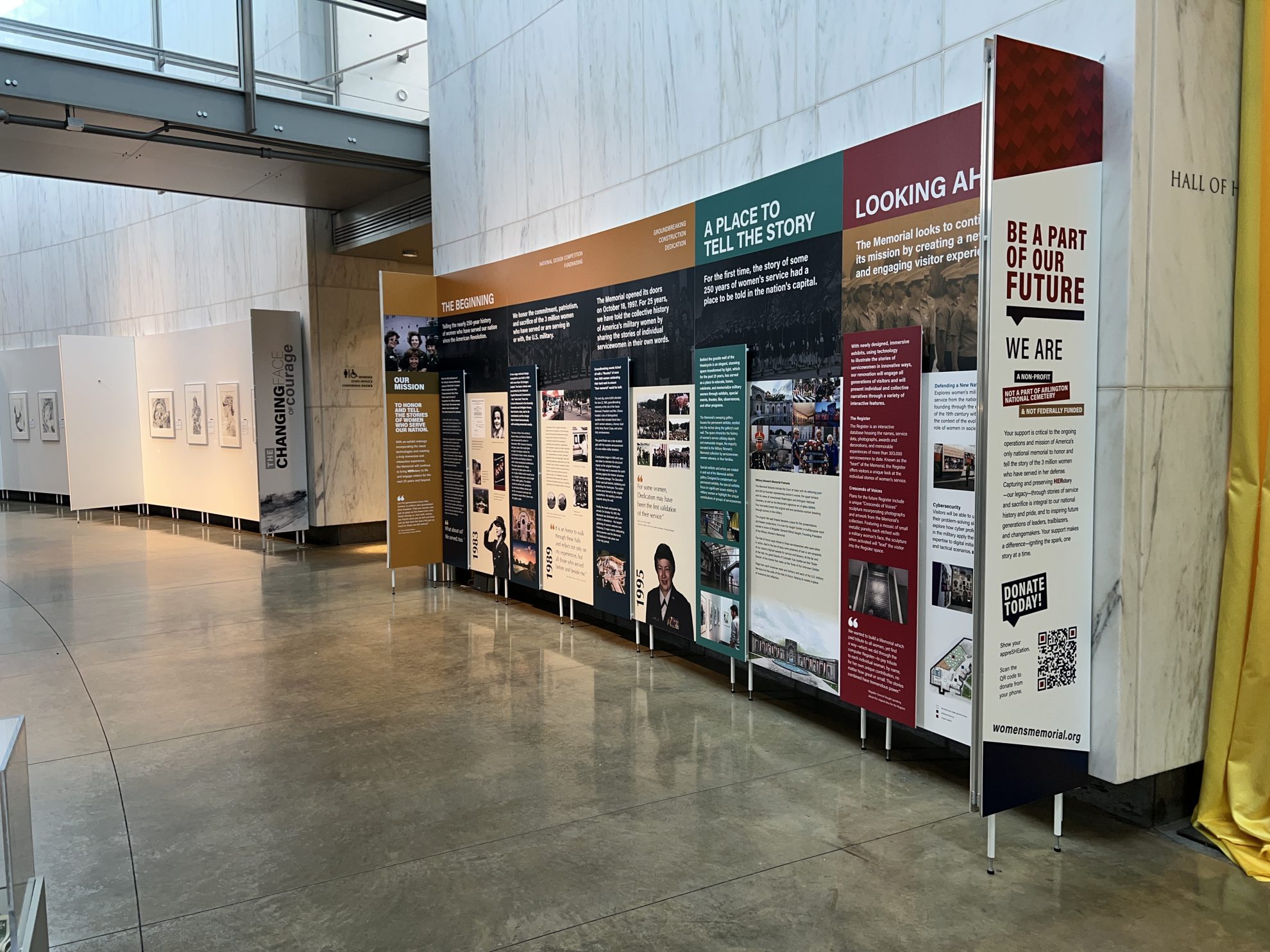
Heritage Signs & Displays created new museum signage for the Military Women’s Memorial in Arlington, VA. The project included custom signs, wall wraps, dimensional letters, and standoff-mounted displays to honor the legacy of U.S. servicewomen and the donors who supported the memorial. The updated interior features impactful designs, including a "Our Legacy" wall display and panels showcasing historical contributions and artwork, creating a transformative tribute to women in the U.S. Armed Forces.
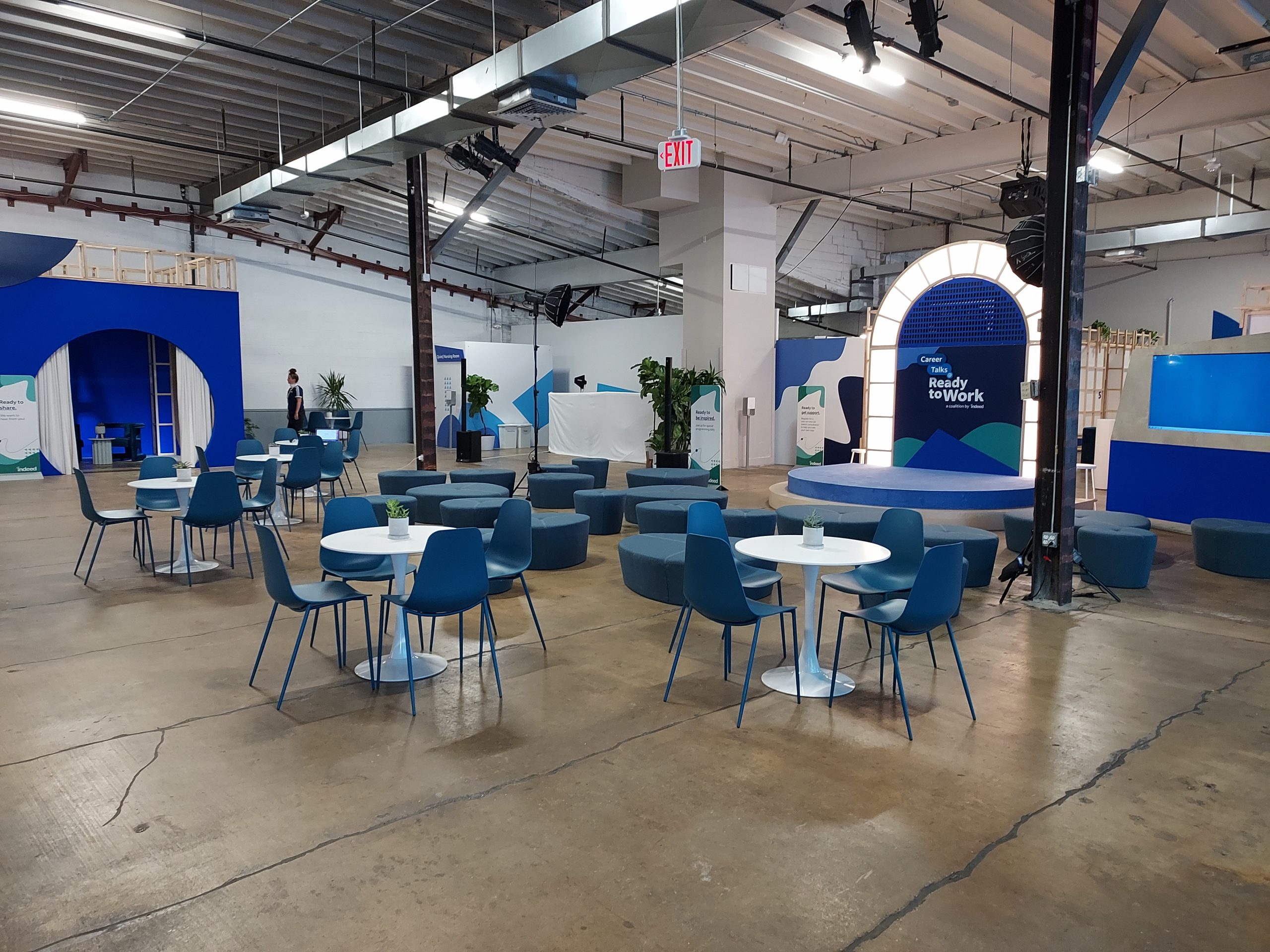
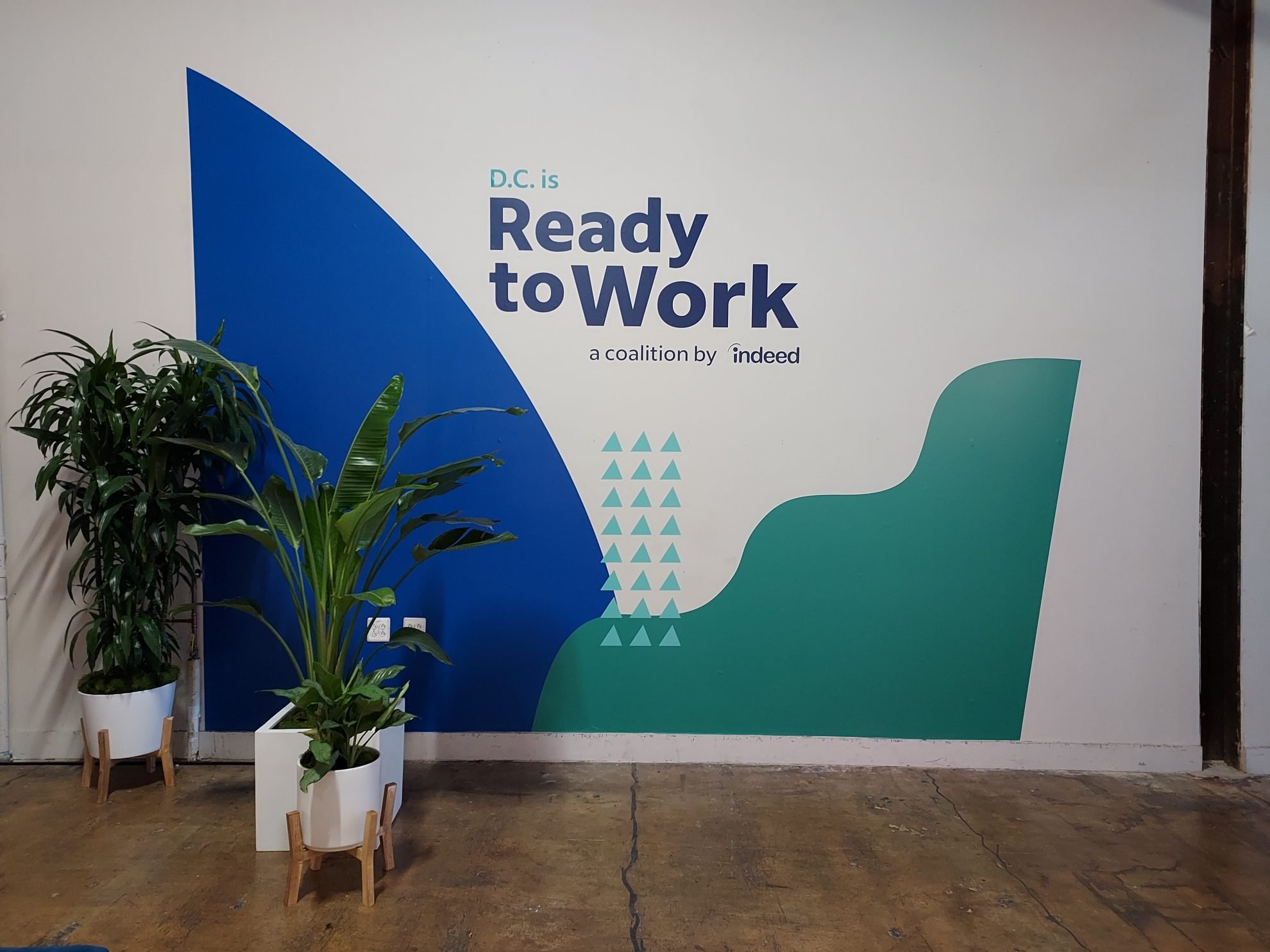
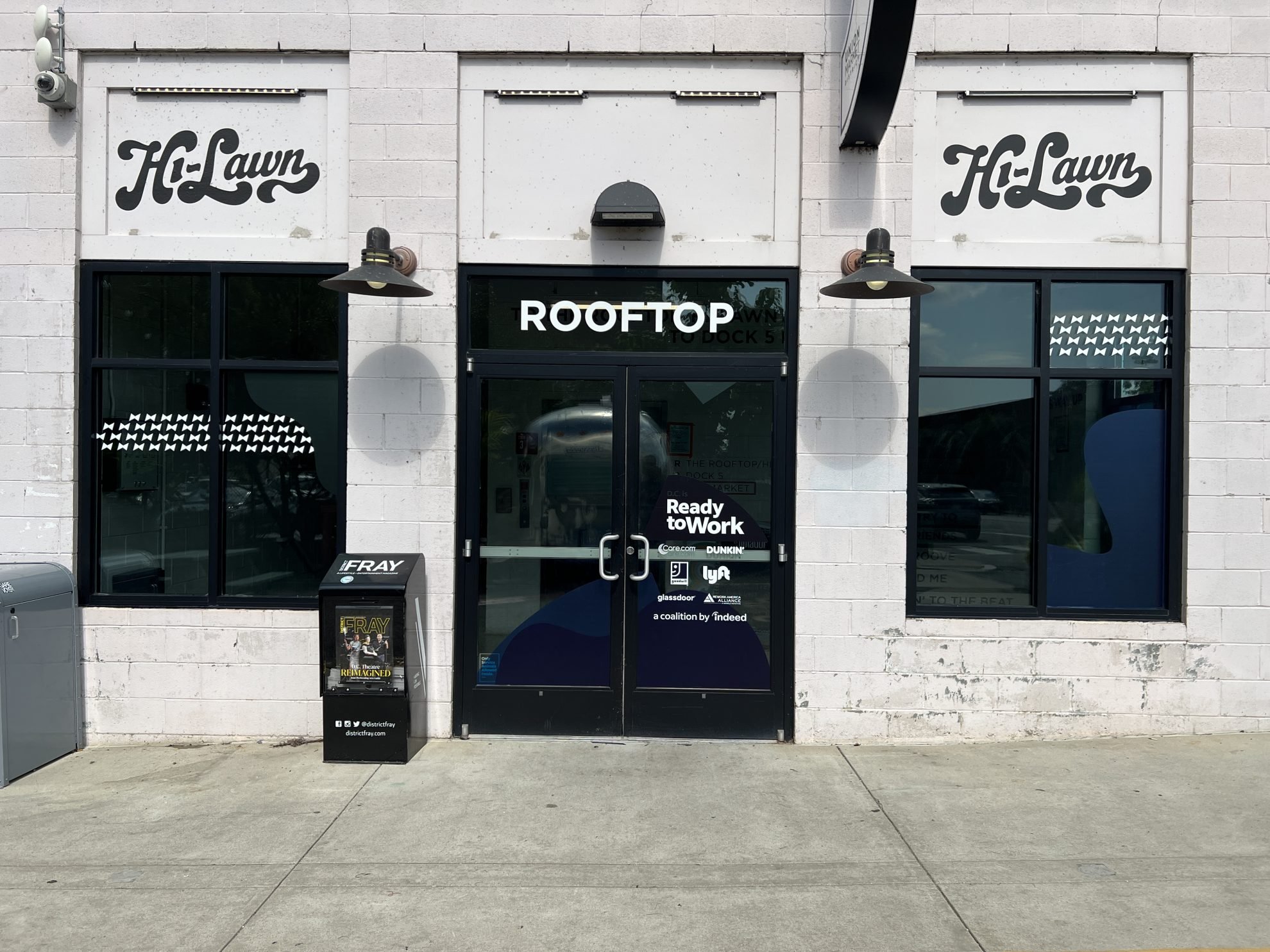
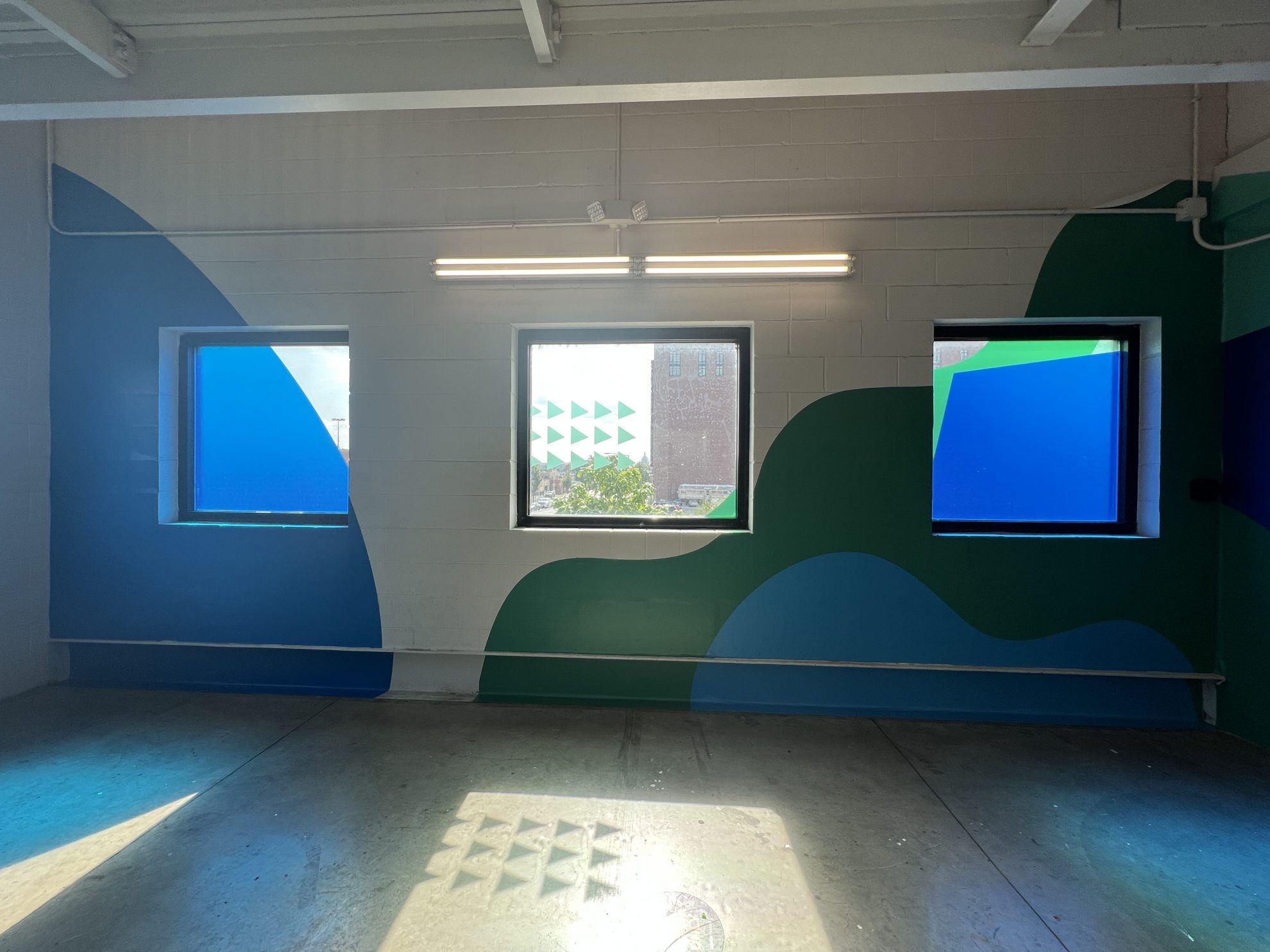
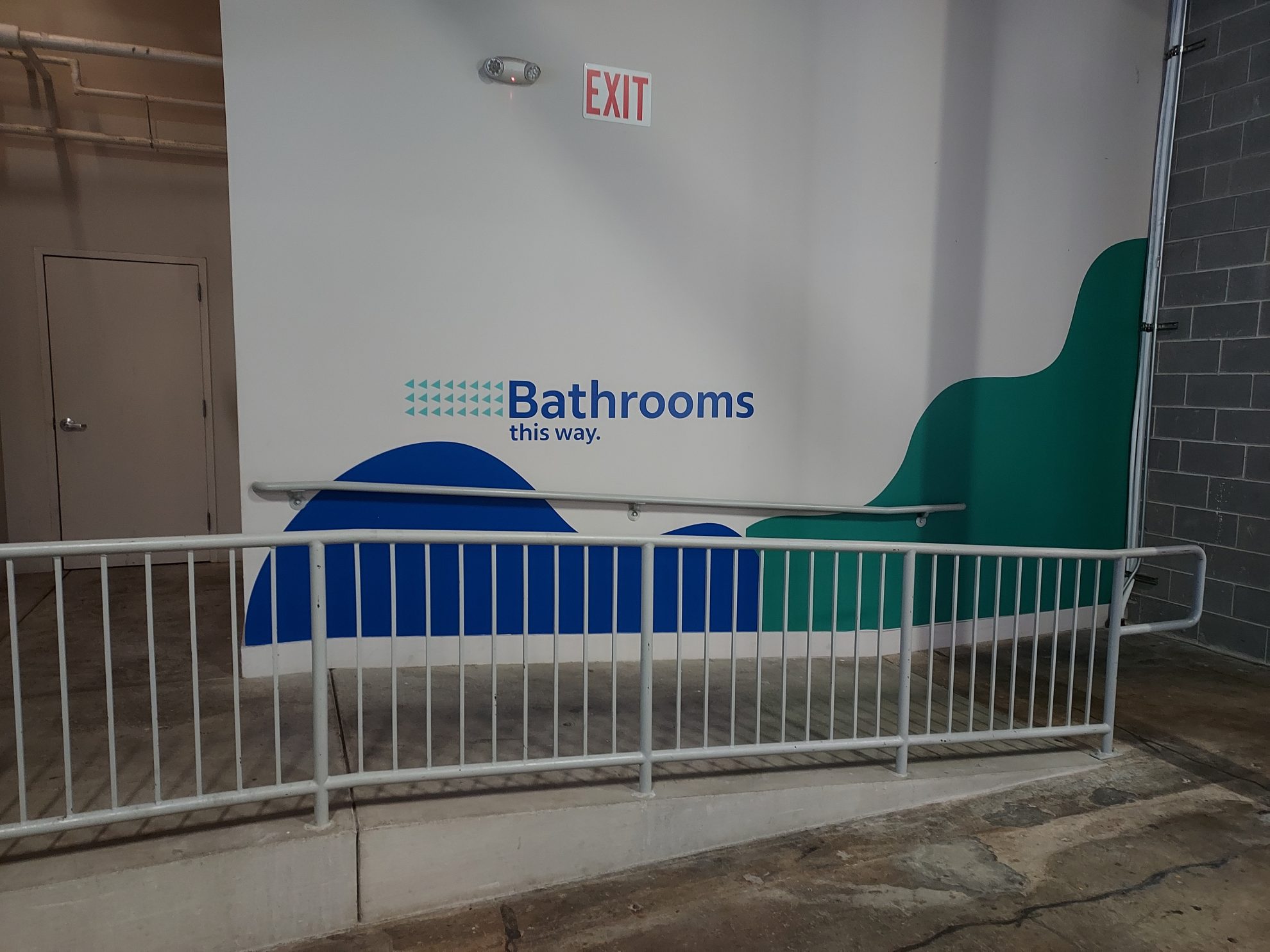
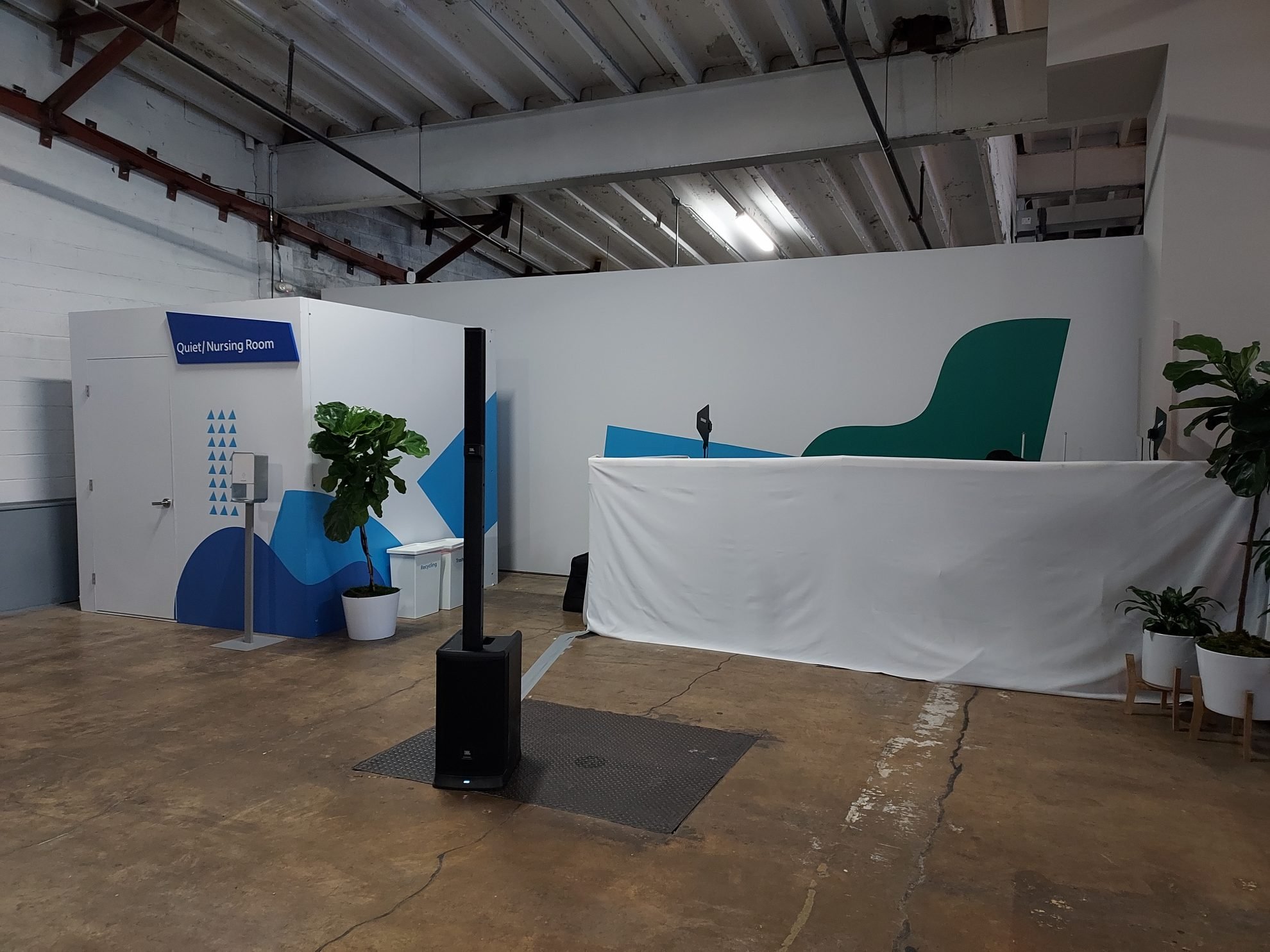
Heritage Signs & Displays' collaboration with The Gathery to brand Union Market in Arlington, VA, for Indeed's "Ready to Work" job fair. The project included custom event displays, wall graphics, window graphics, and wayfinding signs, creating an immersive and visually appealing environment. The branding enhanced the venue, reflected the event's mission, and provided a seamless experience for attendees.