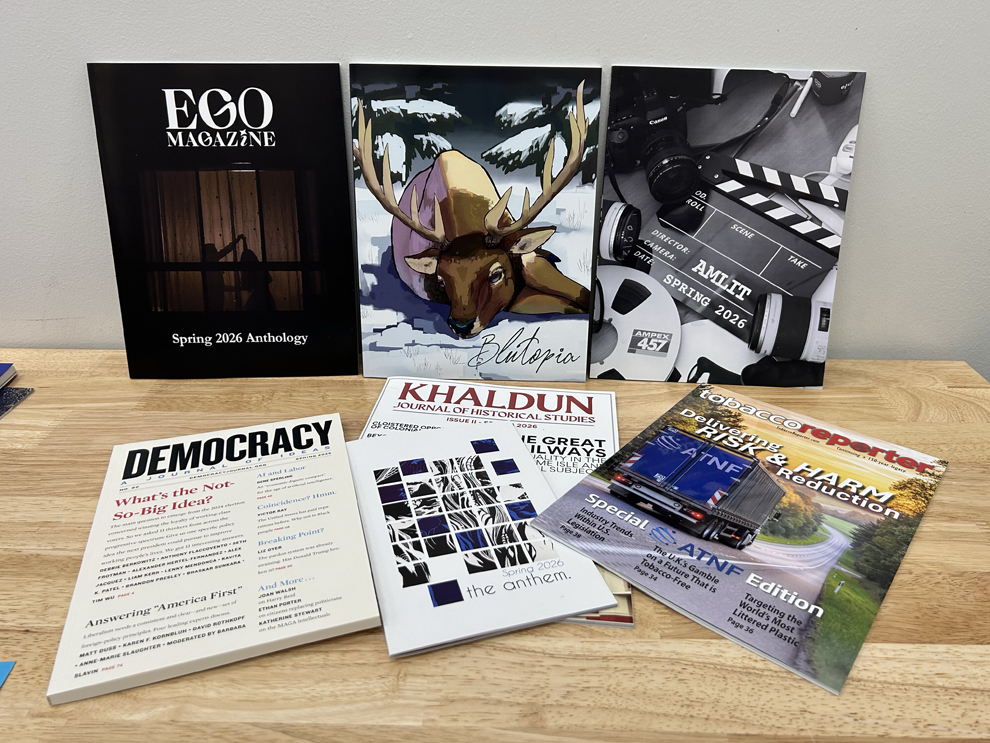
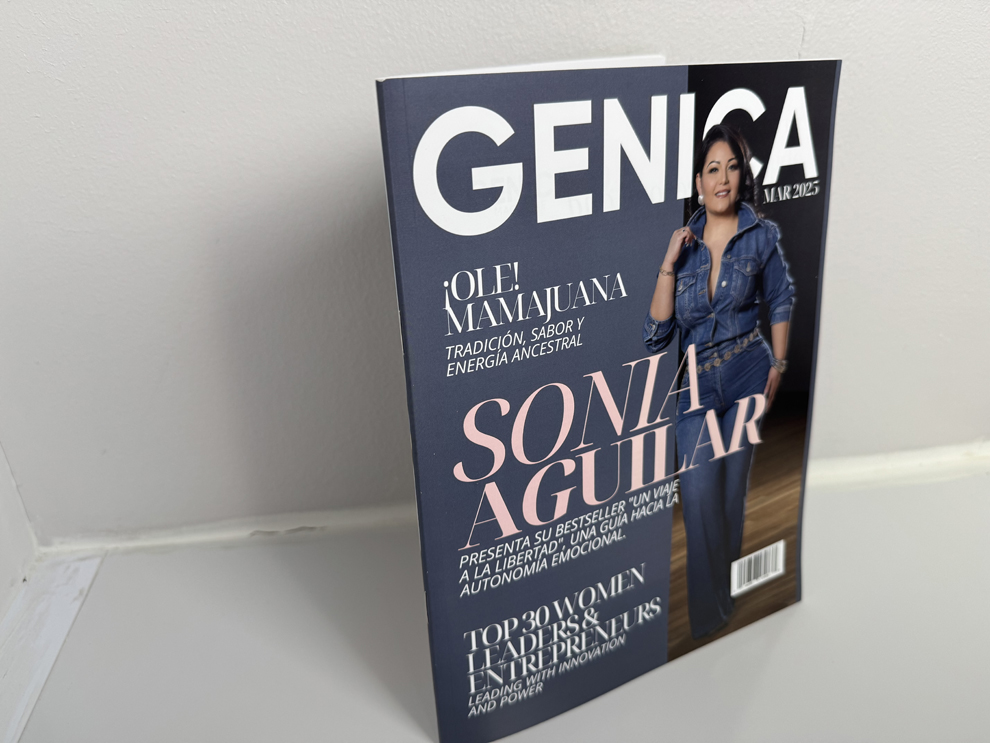
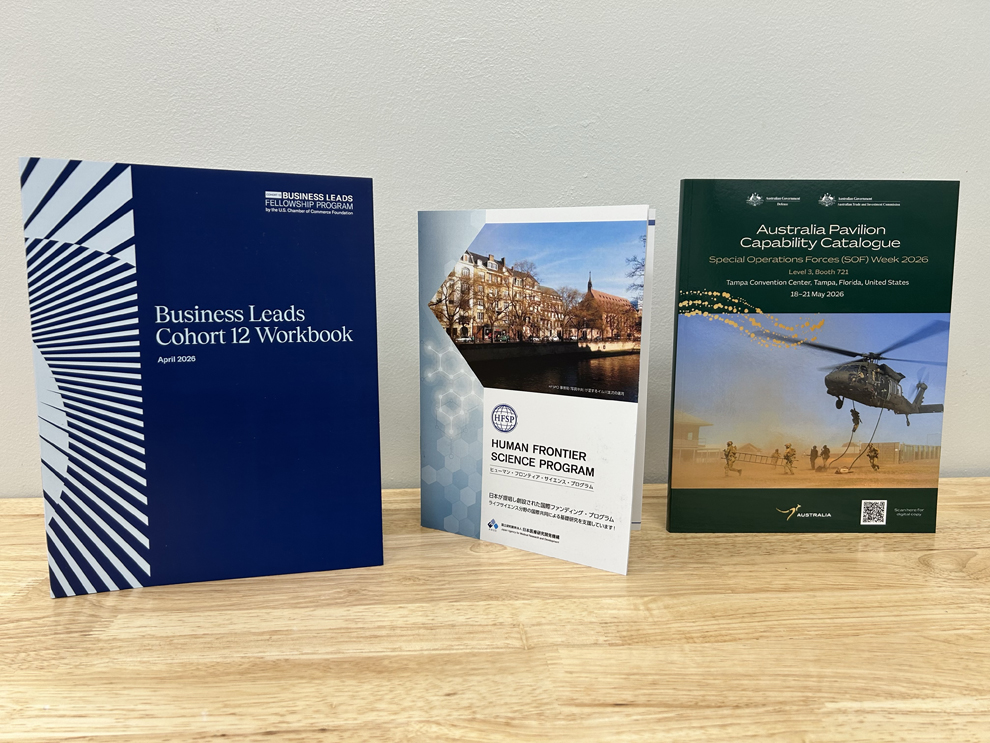
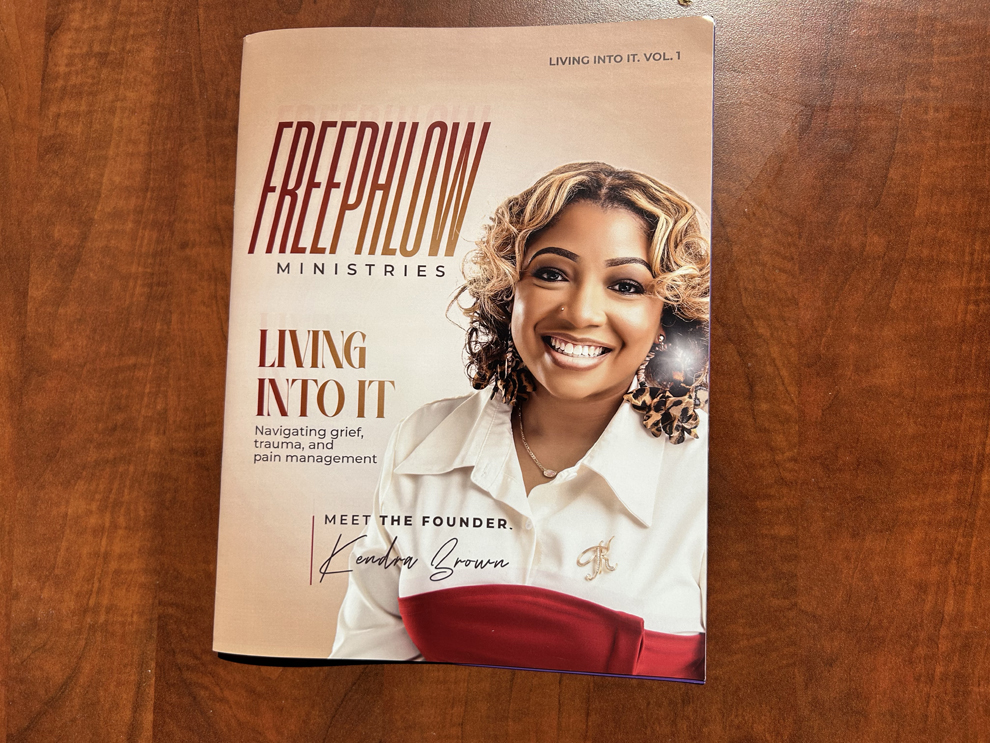
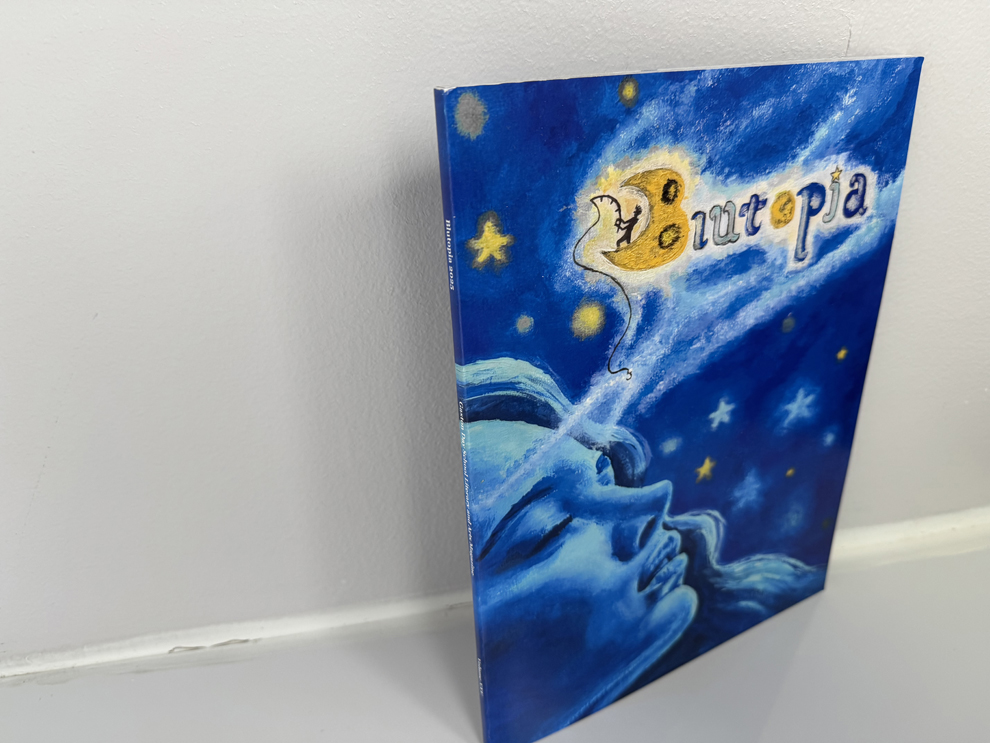
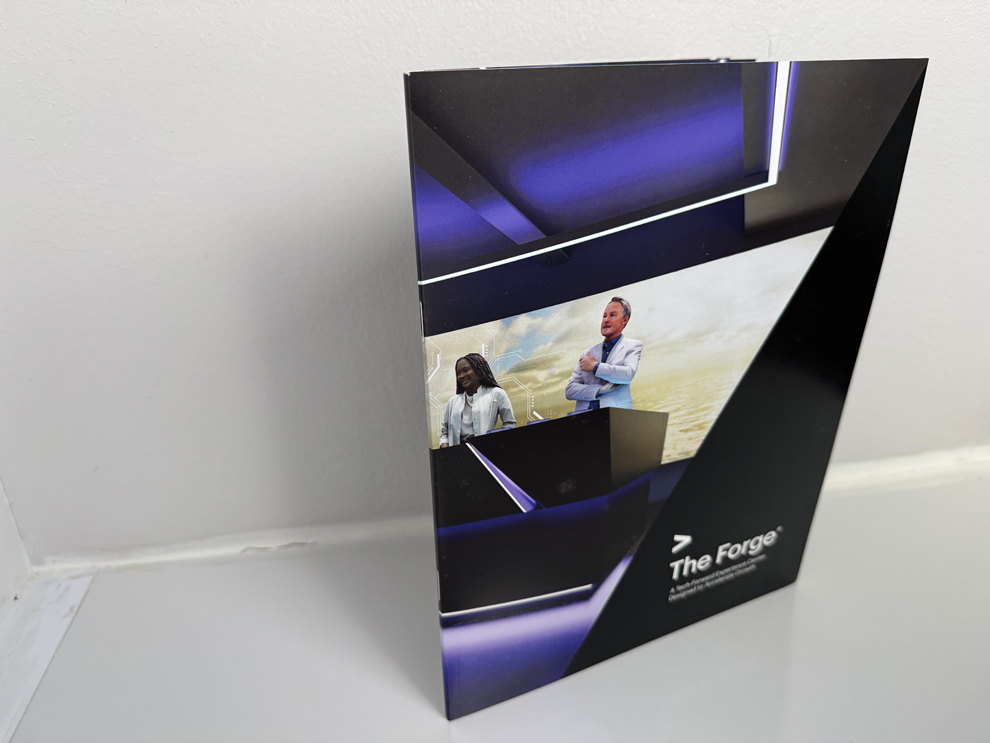
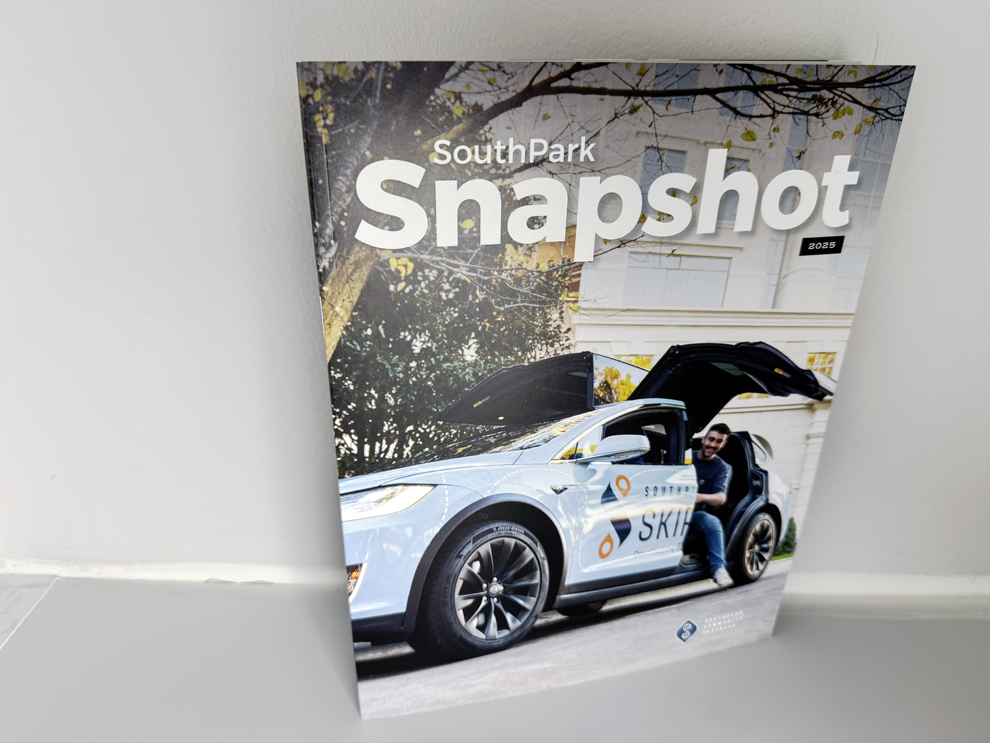
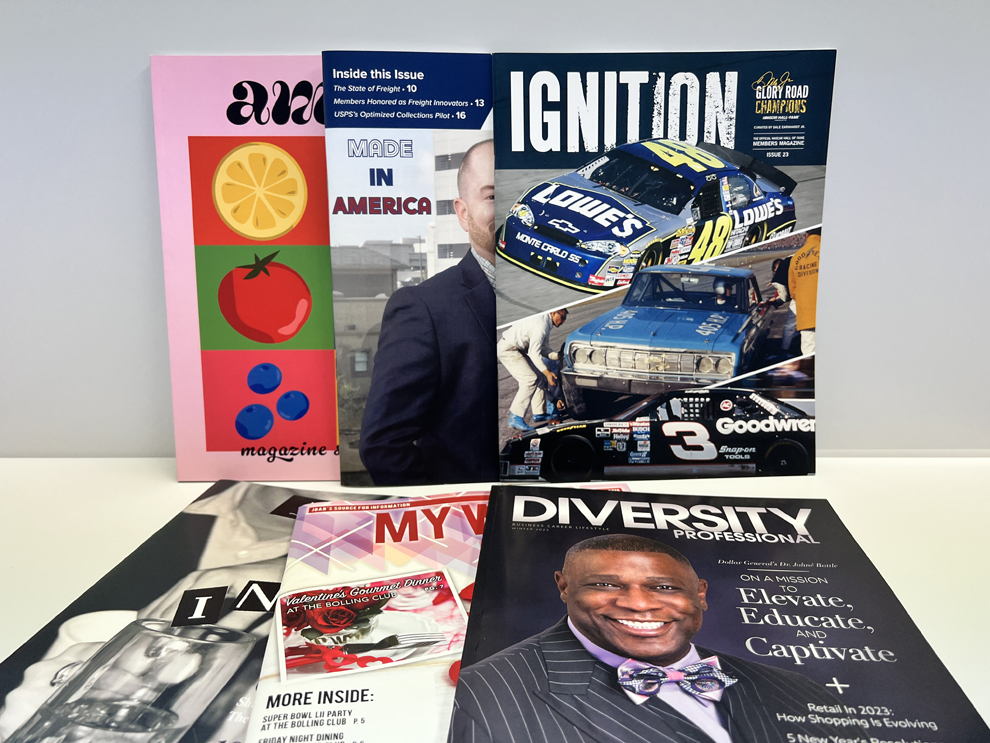
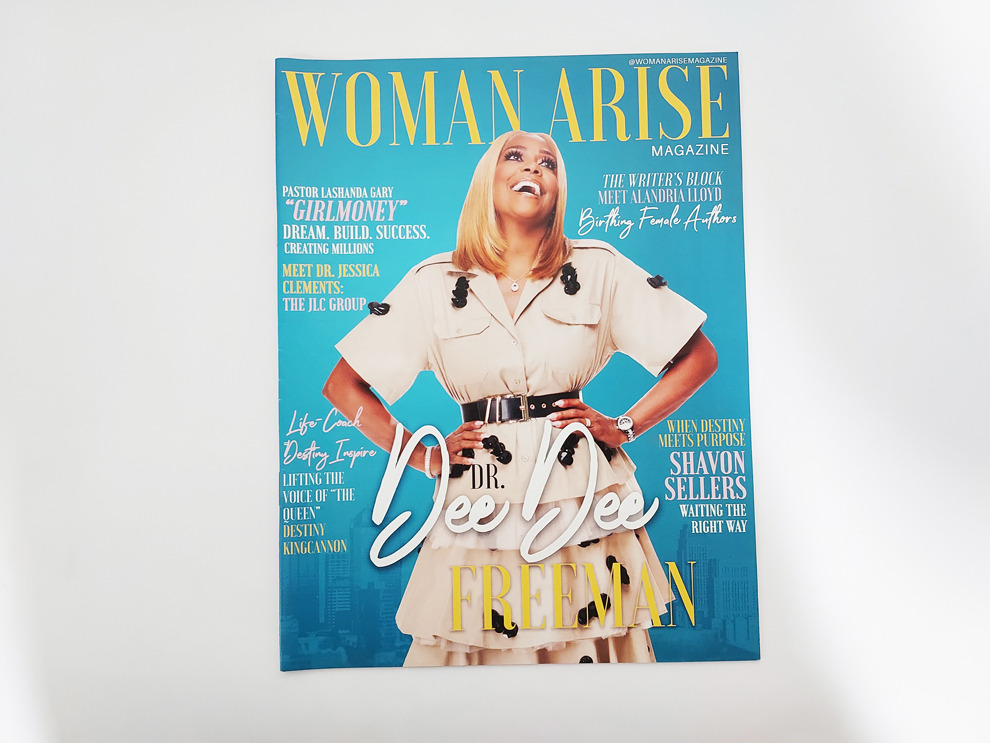
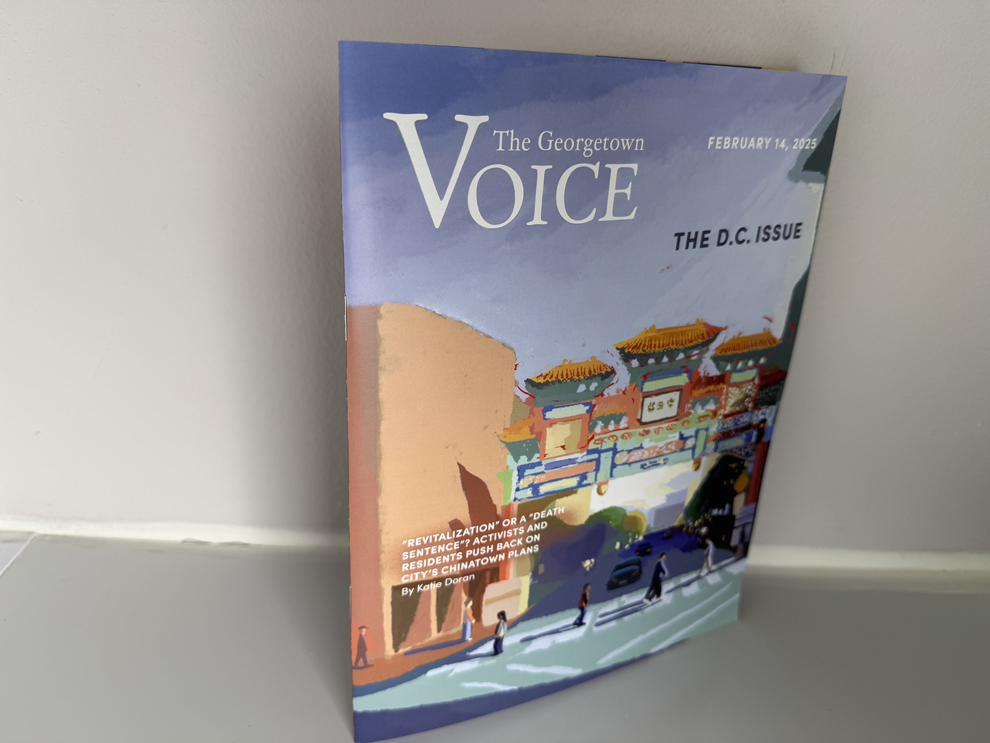
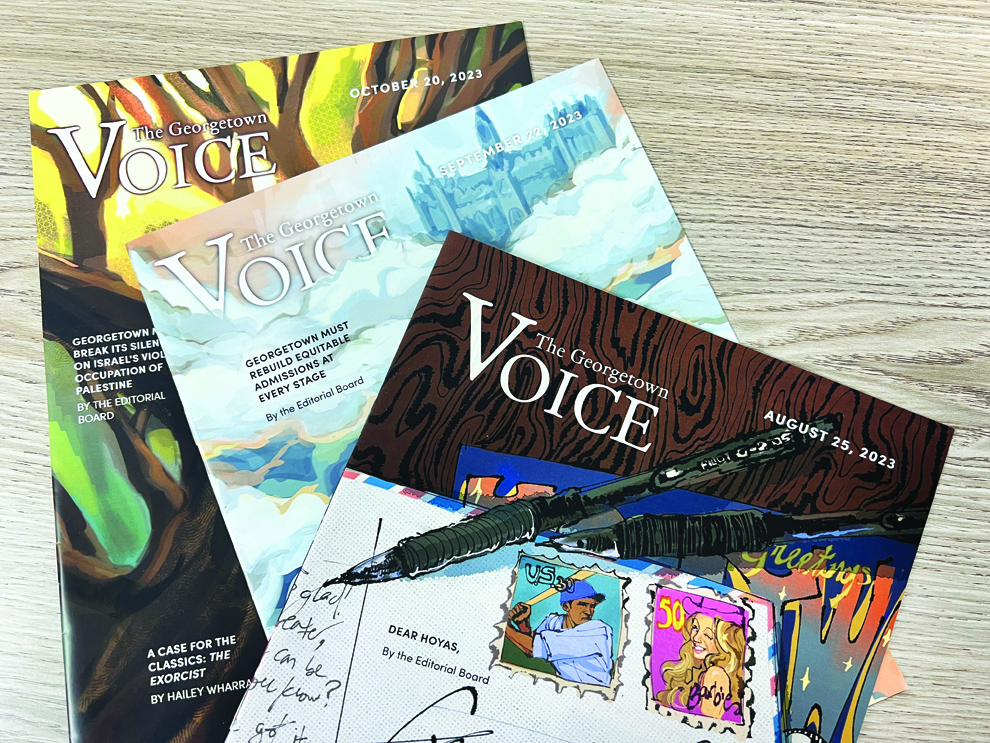
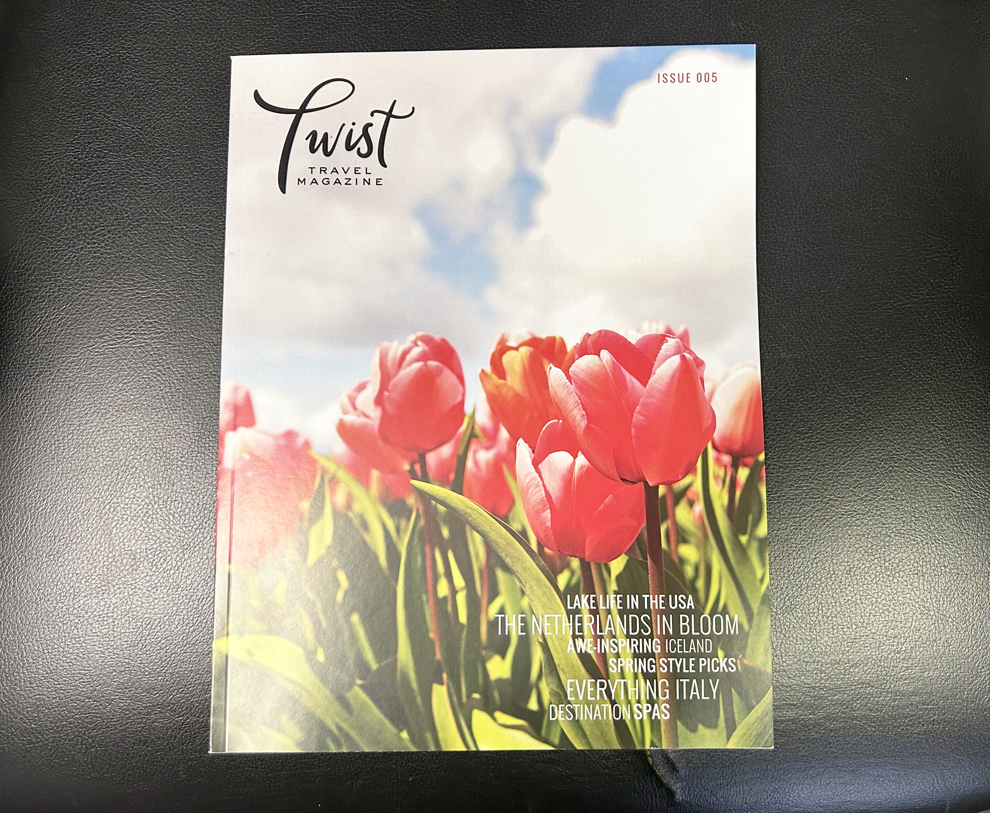
Universities, healthcare systems, manufacturers, logistics companies, nonprofits, and professional associations across Greensboro and the Piedmont Triad produce publications that matter: faculty and research journals, community health reports, workforce and program guides, chamber and alumni directories, and member publications. Each one arrives with its own page count, paper expectations, binding needs, color content, and delivery plan, and each deserves a format chosen for its content rather than borrowed from another category.
The practical question is who will read the piece and how it needs to arrive. A directory consulted at a desk for twelve months, a report prepared for a board meeting, and a guide handed out at a regional conference each call for different decisions. Heritage works from your required date, asks the production questions early, and explains what the schedule can realistically support before anything is promised.
Size, paper weight, page count, binding method, color coverage, quantity, and distribution influence the finished result. Considered together, these choices produce a publication that reads well, holds up in use, and reaches your audience as intended. Heritage helps Greensboro organizations make those decisions deliberately.
Heritage has been printing since 1977, and that long production history still shapes how we approach a journal, report, or directory that will sit on desks and in waiting rooms across the Triad for months. We are veteran-owned and family-led, and our award-winning printing work reflects the same habits every publication benefits from: careful attention to detail, direct communication, and follow-through once a date has been set.
Quality control runs through the whole job. Where color matters, Heritage applies spectrophotometric calibration and verification along with profiles built for the specific press, paper, and coating combination, so logos, photography, and charts hold together across the run. Every Commercial Printing order receives an electronic proof for your review and approval before printing, and qualifying Custom Quote projects may add a paid Physical Production Color Proof when a physical color reference is warranted.
Greensboro publication dates often follow academic calendars, fiscal-year reporting, board approvals, and regional meeting schedules. Heritage will not quote a turnaround before seeing the files and specifications, but once those are in hand we respond promptly with a clear plan and honest timing.
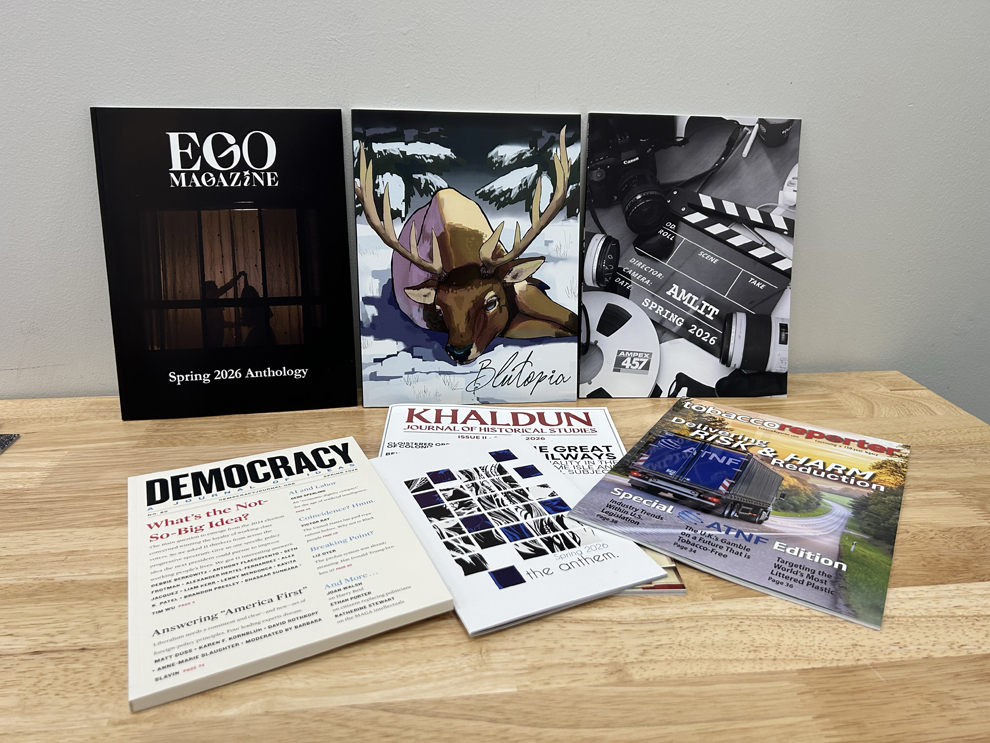
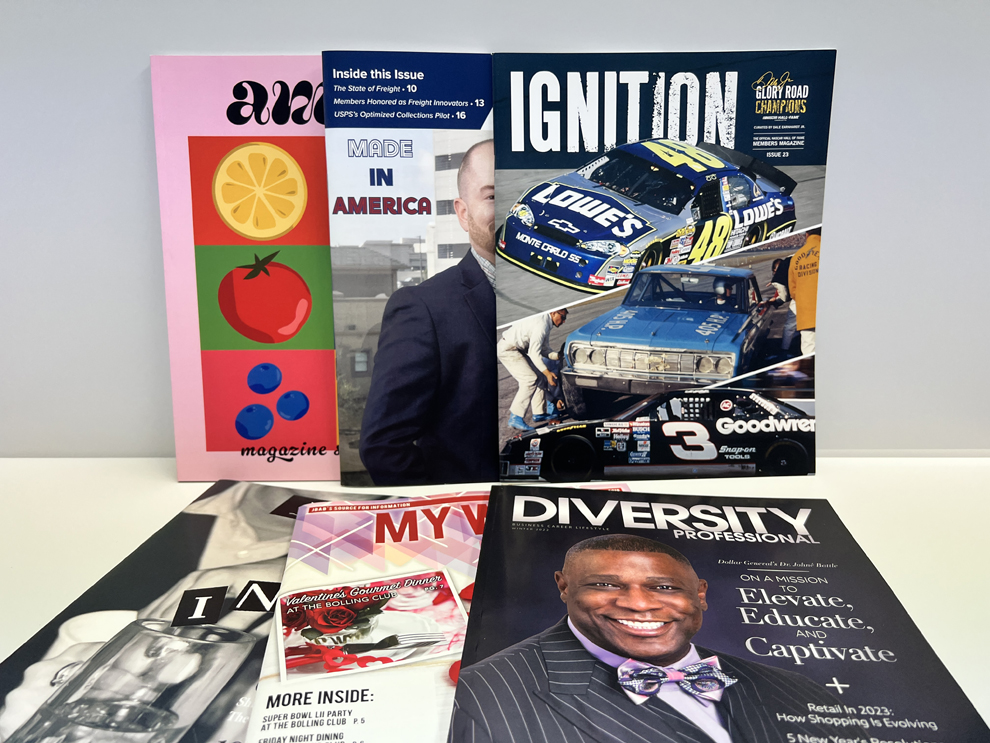
Choose this when the piece is a recurring editorial issue with a consistent masthead, issue cadence, and coordinated cover and interior stock.
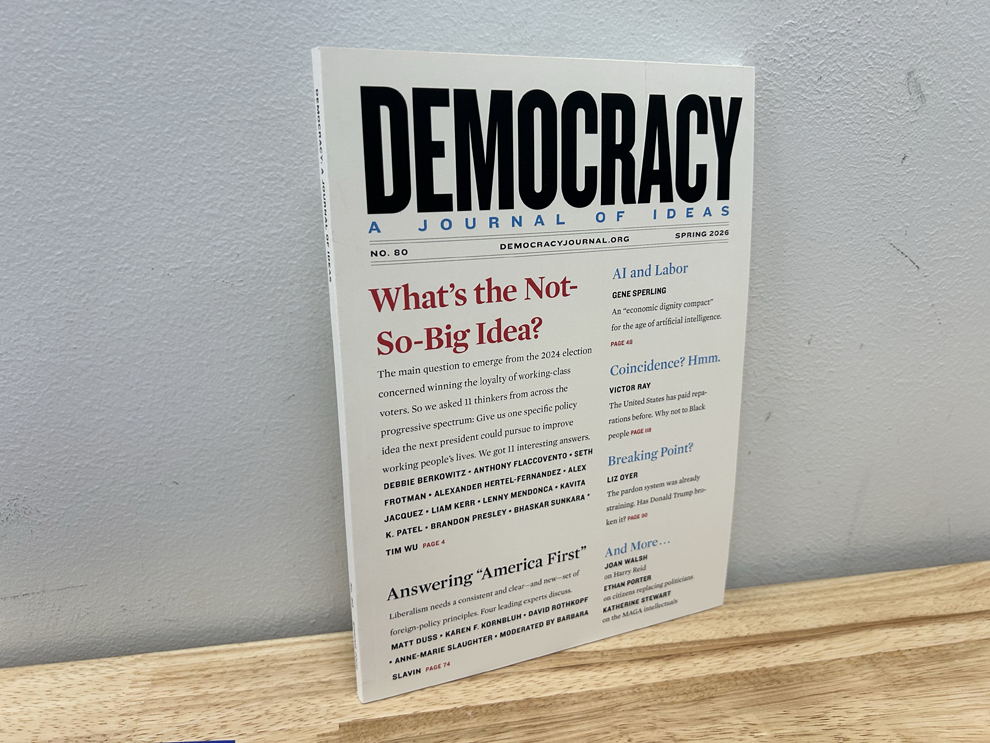
Better suited to shorter, frequent updates where folding, mailing cadence, and quick turnaround between editions drive the decisions.
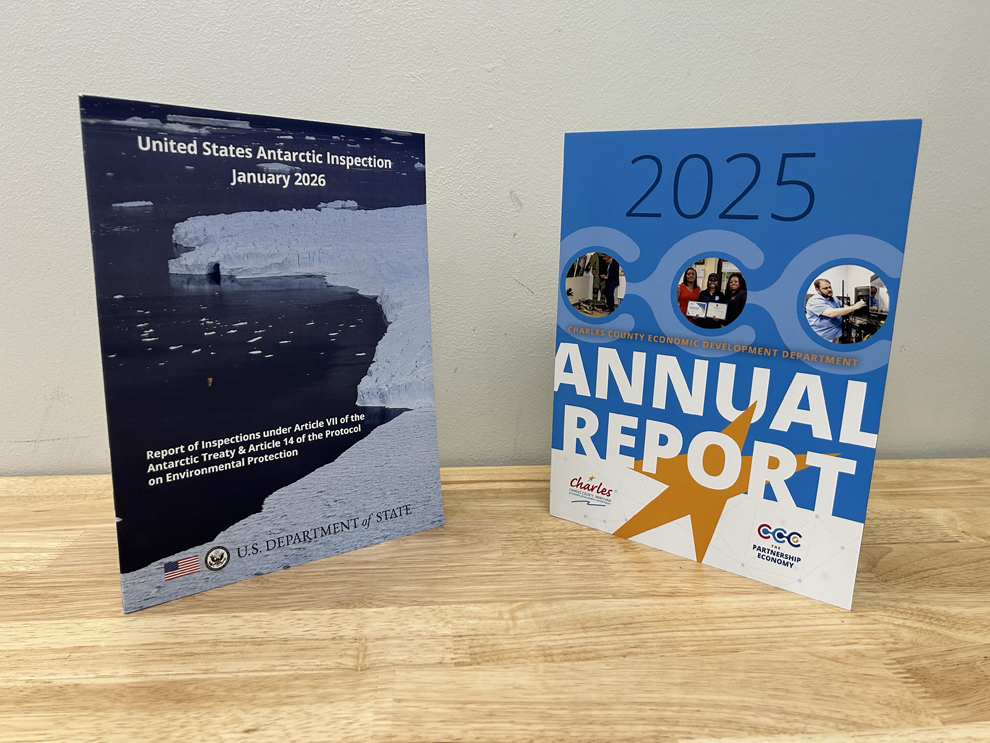
The right home for yearly stakeholder reporting on finances, outcomes, governance, and organizational impact.
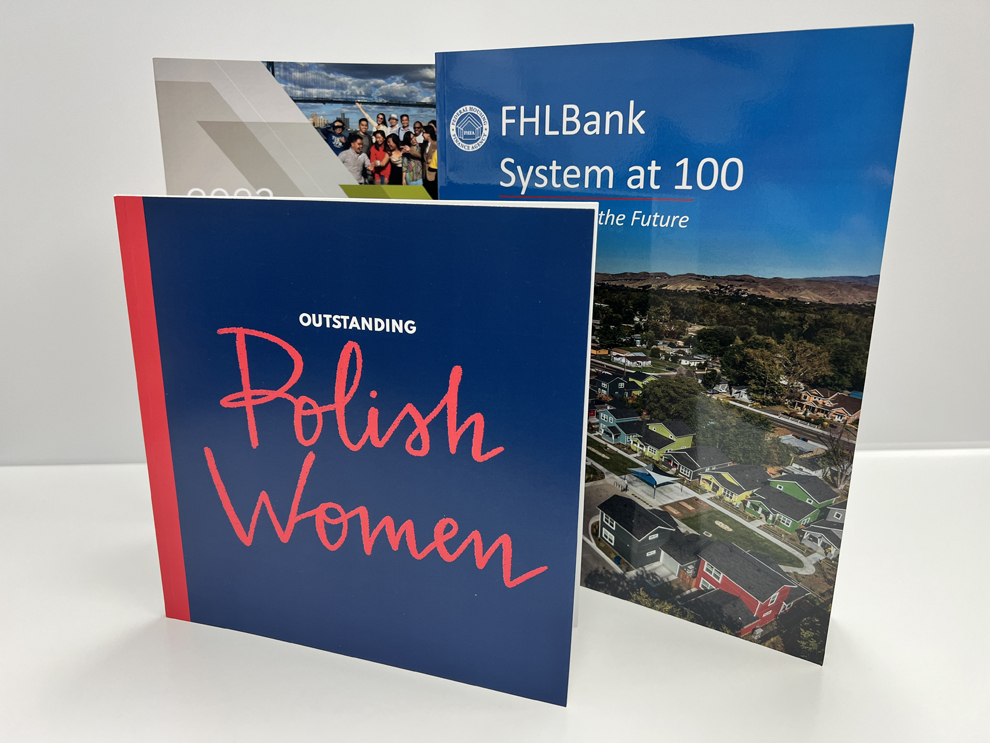
Fits compact multi-page pieces where page count, binding, and a practical hand-held format are the main questions.
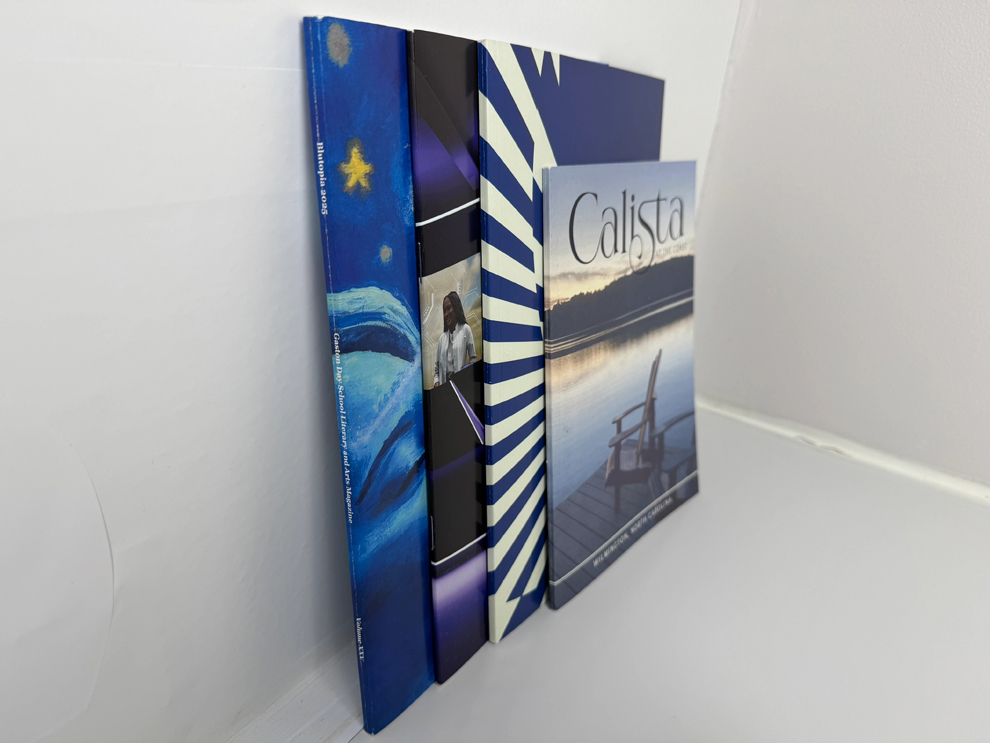
Appropriate when enough pages exist to support a square, printable spine and a book-like shelf presence.
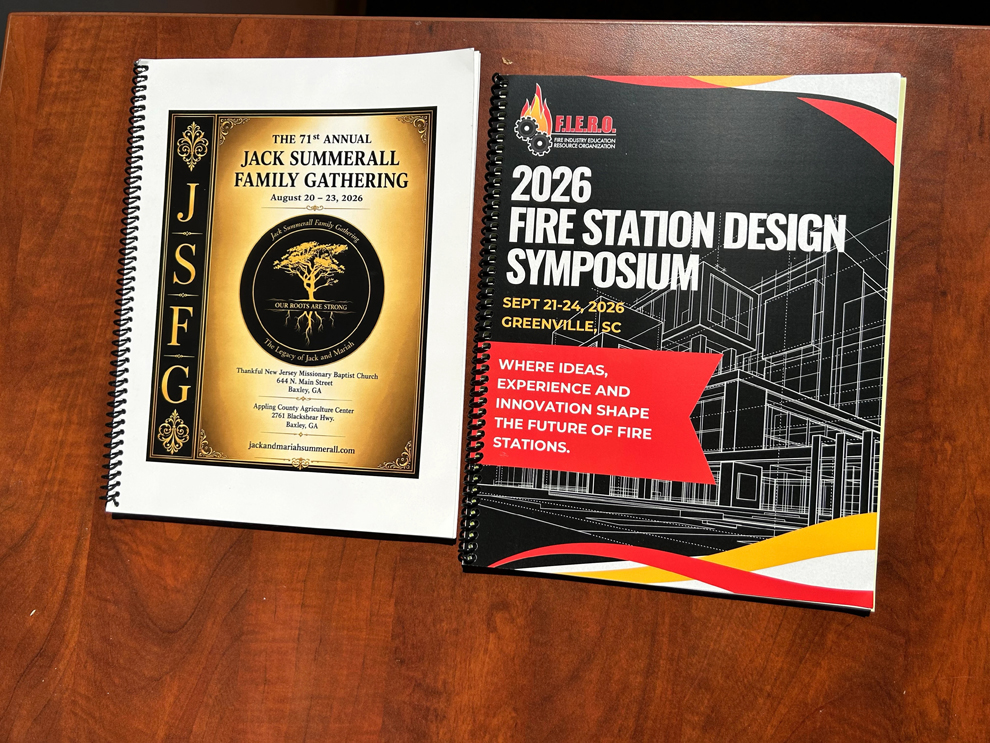
Built for instructional content that gets opened repeatedly, marked up, and kept flat on a desk or workbench.
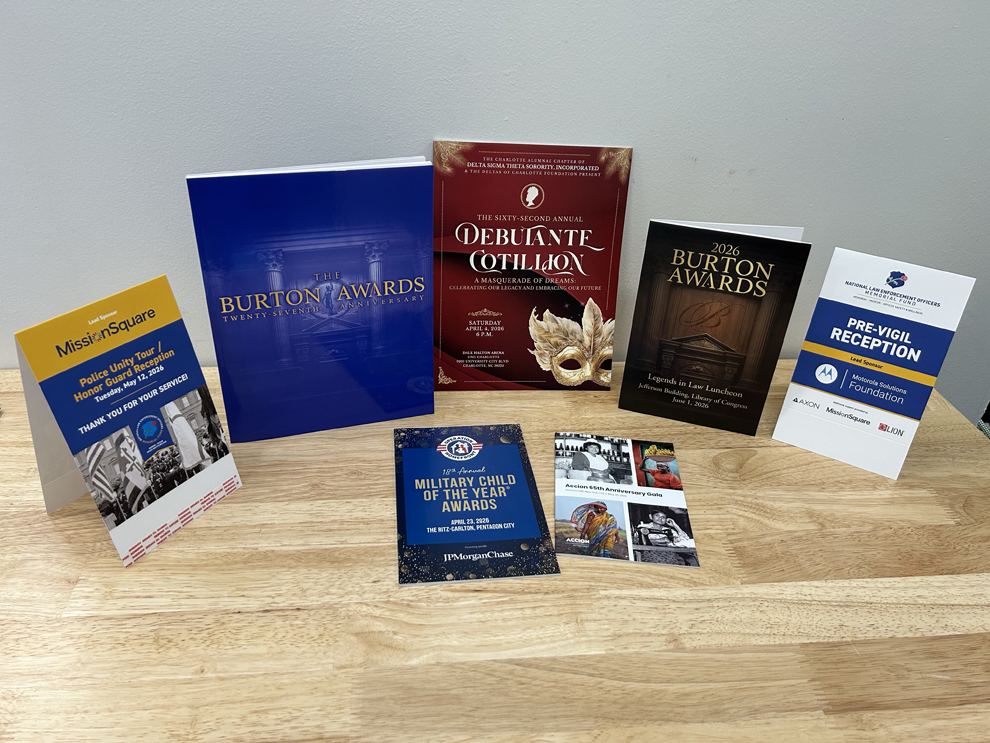
Designed around agendas, speakers, sponsors, and schedules for conferences, ceremonies, and meetings.
Adds addressing, postal preparation, and mail entry when the finished publication goes straight to recipients.
Tell us what you are producing, how many copies you need, and when readers must have them. For publications that call for specification guidance, color-critical review, multiple editions, mailing support, or coordination around a firm date, Custom Quote is the appropriate path for qualifying projects. If your artwork is complete and a current saddle-stitched, perfect-bound, or plastic-coil Online Store configuration already matches the job, you can price and order it directly.
Heritage begins by understanding the whole job: finished size, page count, quantity, paper and cover preferences, color-critical elements, proofing expectations, the required in-hand date, and how the copies will be distributed. Submitting a Custom Quote starts that conversation as an inquiry. Once Heritage accepts the request and assigns the order, your assigned Project Coordinator becomes your direct phone and email contact and manages the publication through production. Established repeat clients continue working with the coordinator who knows their publication.
Binding follows use. A thinner faculty journal or program guide often suits saddle stitching. A thicker directory or report gains a square spine and sturdier presentation through perfect binding. Reference guides that need to stay open benefit from plastic coil. Page count, paper weight, cover construction, color coverage, and quantity shape which of these options is practical for your publication.
Nothing prints until you have reviewed and approved the electronic proof. From there, Heritage produces to the confirmed specifications, keeps color and finishing consistent through the run, and communicates if anything shifts. Finished copies move into mailing, shipping, delivery, or your own distribution as agreed.
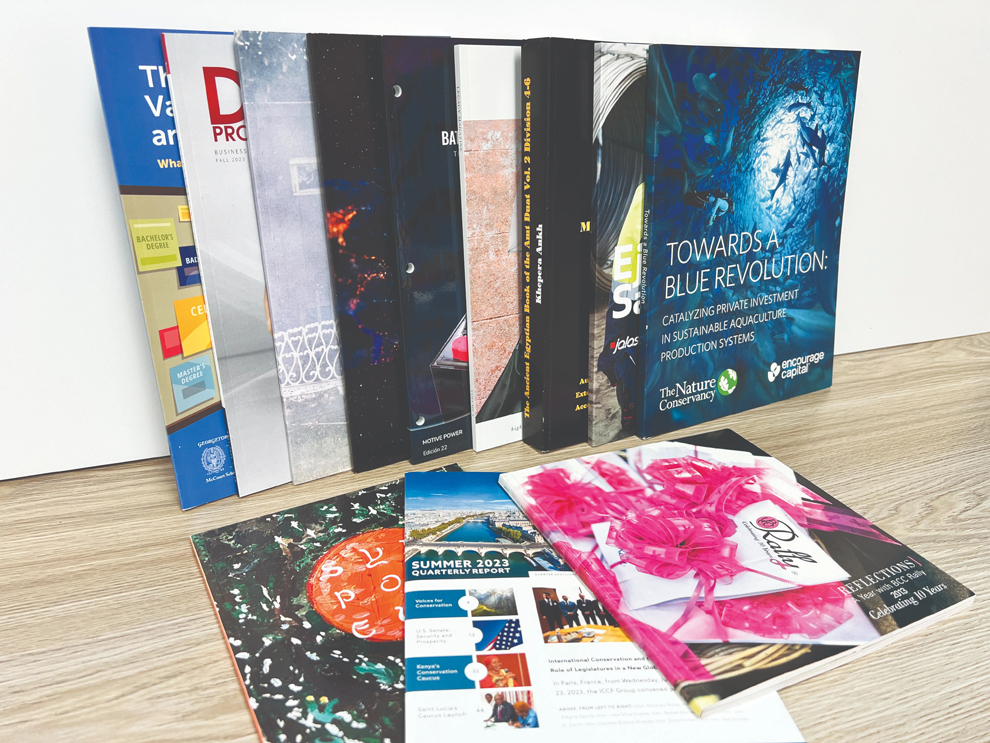
Publication Printing is for organizational pieces that do not belong to a narrower family: research and policy journals, program and resource guides, directories, member publications, and similar multi-page documents. If the piece is a recurring editorial magazine, a short frequent newsletter, or a yearly stakeholder report, the dedicated family will serve you better, and the related products above will take you there.
At that thickness, perfect binding is the usual answer. It produces a flat, printable spine and a durable block that stands up to a year of desk use. Saddle stitching is limited to thinner pieces, and plastic coil becomes impractical beyond a certain page count. Paper weight affects spine thickness, so confirm stock and count together before final decisions.
Ask how the publication will be handled and perceived. A self-cover keeps the whole piece on one stock, which simplifies production and lightens mailing weight. A separate heavier cover adds protection and a more finished look for a directory or report that circulates for months. Binding method and page count also influence which approach is sensible.
No. The electronic proof confirms content, layout, pagination, and the production file Heritage will use, and every Commercial Printing order receives one before printing. Screens and printed paper reproduce color differently, so the electronic proof is not a physical color standard. Review it carefully for text, images, page order, and cover details, then approve it to release the job.
Consider it when color accuracy carries real consequences, such as institutional branding on a cover or photography in a community report. For qualifying Custom Quote projects, Heritage produces this paid proof on the intended production printer and paper, and once approved it becomes the controlling physical color reference. Build the extra approval step into your schedule from the outset.
You own the editorial content and the creative design. Heritage prefers complete or nearly complete print-ready artwork. On qualifying Custom Quote projects we can make production-oriented adjustments, such as correcting bleeds, resolving font or image issues, and preparing files to print correctly. Publication Printing is not a full creative or editorial development service.
Your submission is an inquiry, not yet an accepted order. Heritage reviews the publication details, date, and scope. When the request is accepted and the order assigned, your assigned Project Coordinator reaches out as your direct phone and email contact and walks through specifications, proofing, production timing, and distribution for the rest of the project.
Yes. Specifications from a prior edition, including trim size, paper, cover construction, binding, and color targets, give the next release a solid starting point. Heritage still reviews each new file, quantity, schedule, and material availability, because an edition may change page count or introduce new color content that affects the plan.
Separate editions can be produced within one project, whether the difference is a cover, an inserted section, a language, or the recipient group. Distinct file names, confirmed quantities per version, separate proof approvals, and clear distribution instructions keep the versions organized through production and fulfillment.
Yes, when mailing is included in the project scope. Heritage can handle addressing and postal preparation. You provide accurate, authorized recipient data, and Heritage performs the agreed mailing services. Delivery timing after USPS acceptance is controlled by the Postal Service rather than by Heritage.
The Online Store works when your artwork is fully print-ready, specifications are already settled, an available saddle-stitched, perfect-bound, or plastic-coil configuration matches the job, and the order meets the $750 eligible-order minimum. It is self-directed, with no assigned Project Coordinator and no physical proof option. Custom Quote serves qualifying projects of $2,000 or more that need specification guidance, file preparation, multiple editions, color-critical review, mailing support, or schedule coordination.
Send the completed file and the hard in-hand date as early as possible. Heritage evaluates the remaining window, flags decisions that need immediate answers, and tells you plainly what is achievable. Expedited paths are confirmed only after files, proof approval, materials, capacity, and distribution are understood, not assumed at the first conversation.
Yes. Heritage maintains a Greensboro location and supports colleges, healthcare systems, manufacturers, nonprofits, and associations throughout Greensboro, High Point, Winston-Salem, Burlington, and surrounding Triad communities. Finished publications can be shipped, delivered, mailed, or prepared for your own distribution according to the project plan.
Heritage Signs & Displays created new museum signage for the Military Women’s Memorial in Arlington, VA. The project included custom signs, wall wraps, dimensional letters, and standoff-mounted displays to honor the legacy of U.S. servicewomen and the donors who supported the memorial. The updated interior features impactful designs, including a "Our Legacy" wall display and panels showcasing historical contributions and artwork, creating a transformative tribute to women in the U.S. Armed Forces.
Heritage Signs & Displays' collaboration with The Gathery to brand Union Market in Arlington, VA, for Indeed's "Ready to Work" job fair. The project included custom event displays, wall graphics, window graphics, and wayfinding signs, creating an immersive and visually appealing environment. The branding enhanced the venue, reflected the event's mission, and provided a seamless experience for attendees.