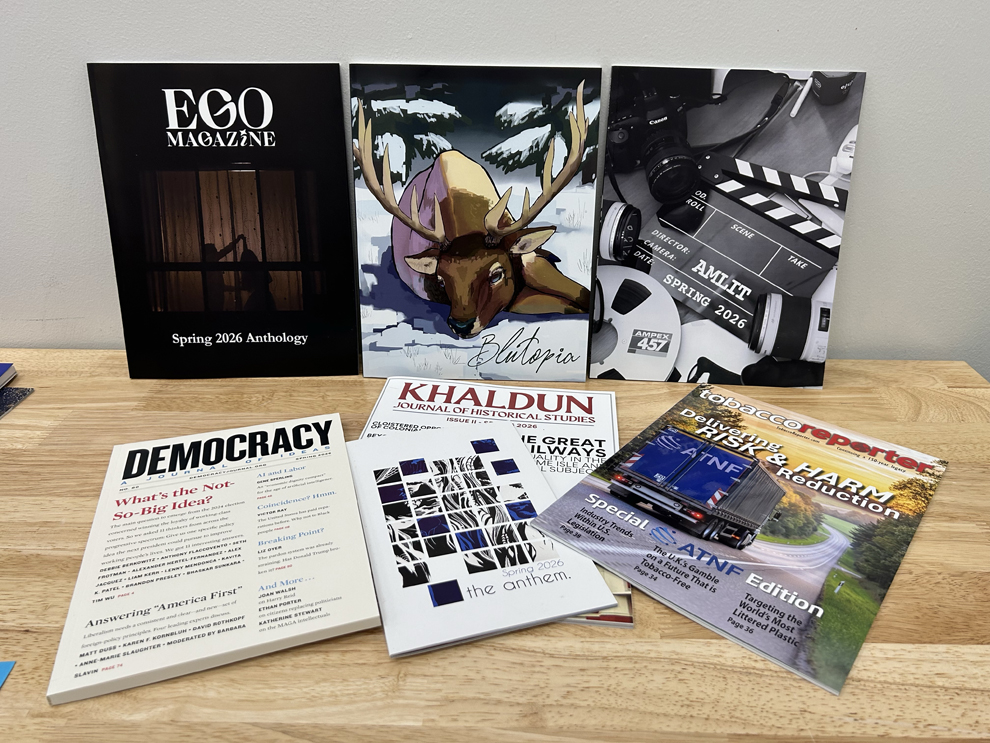
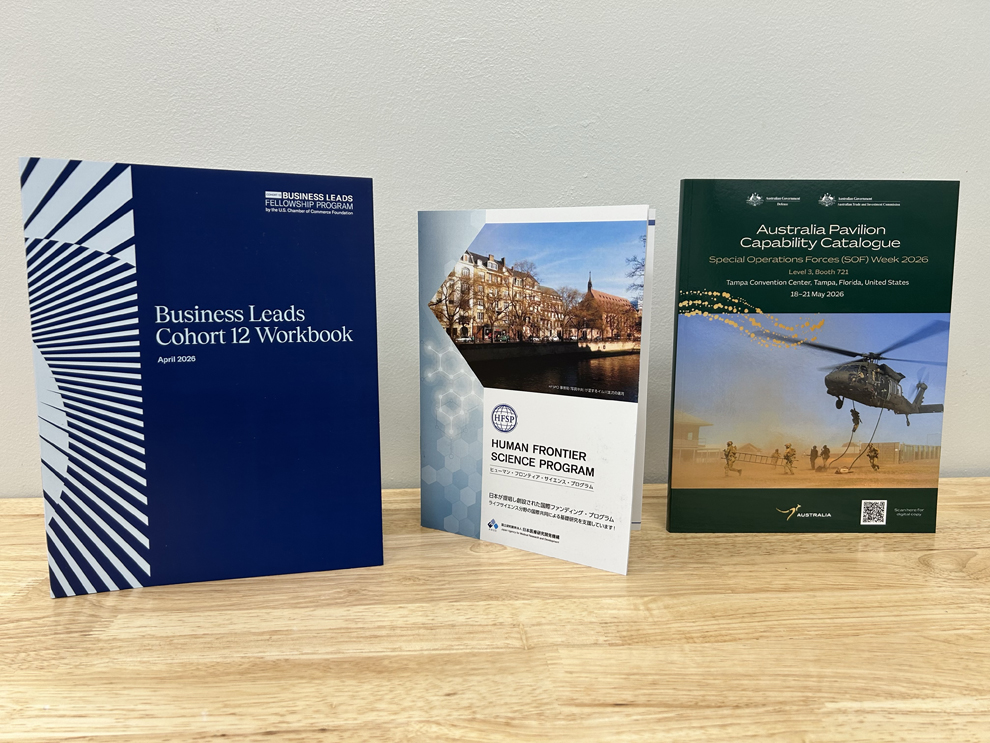
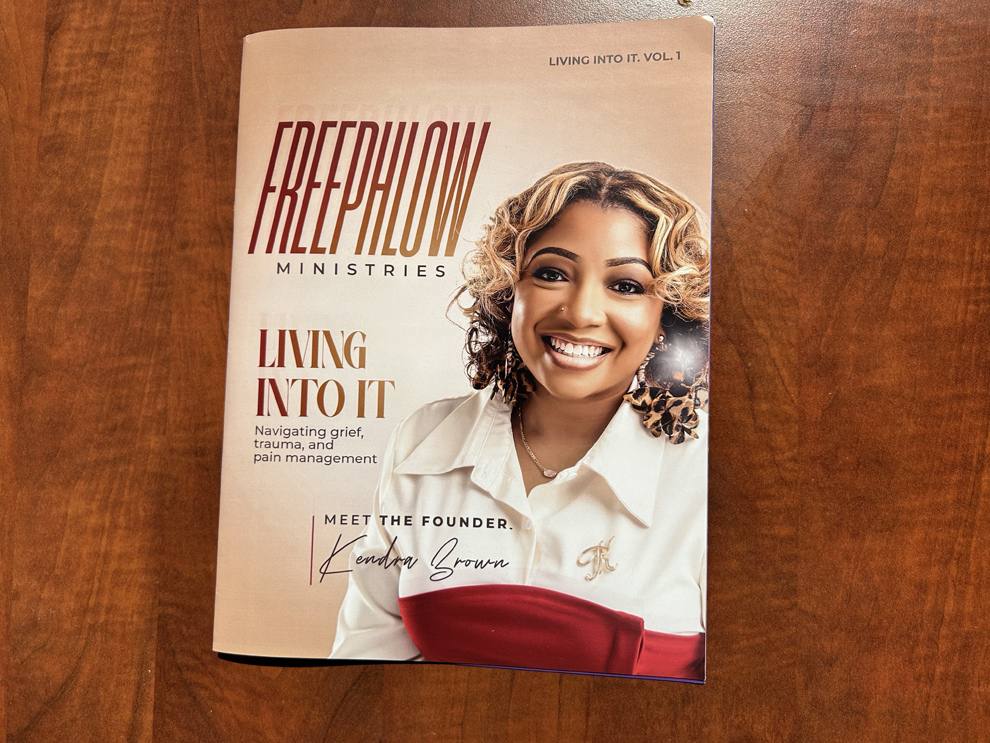
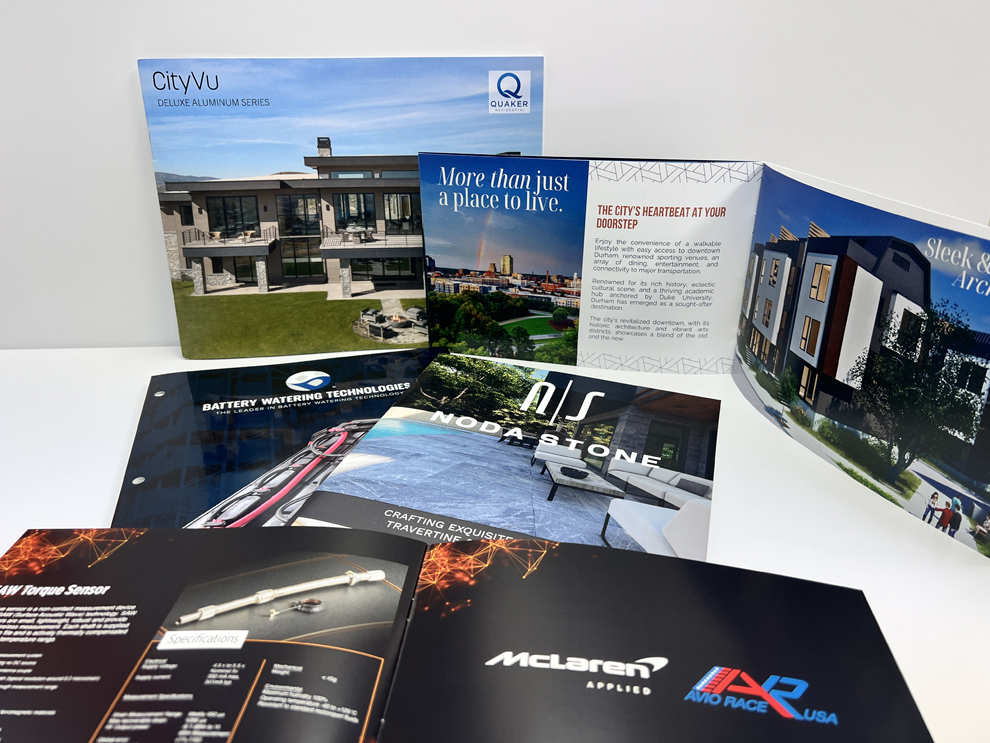
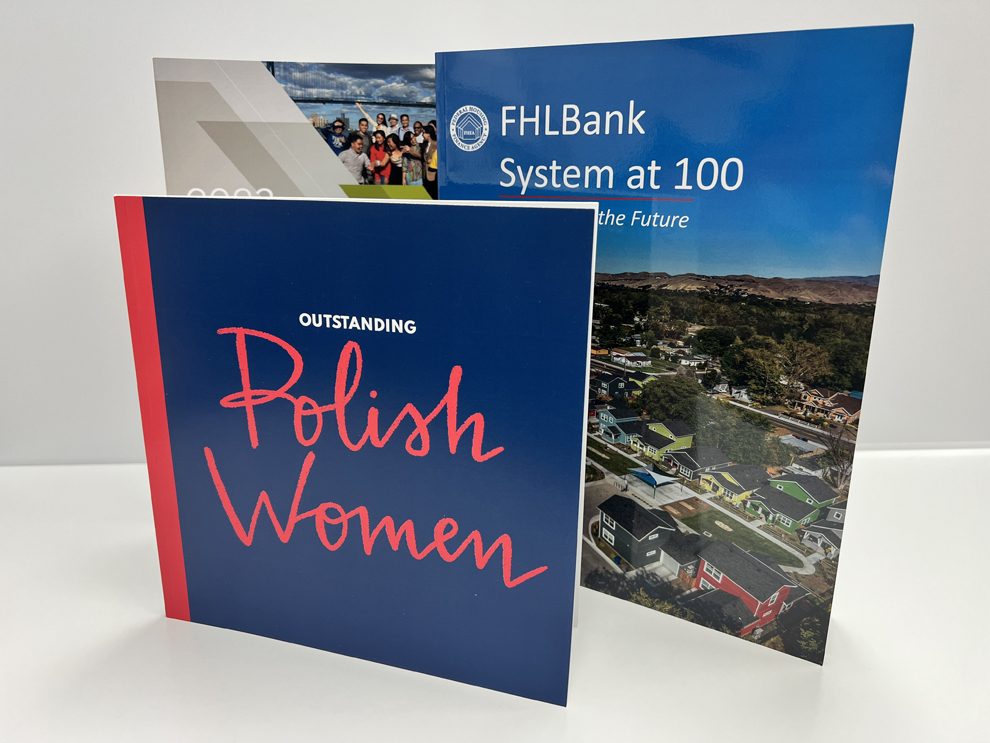
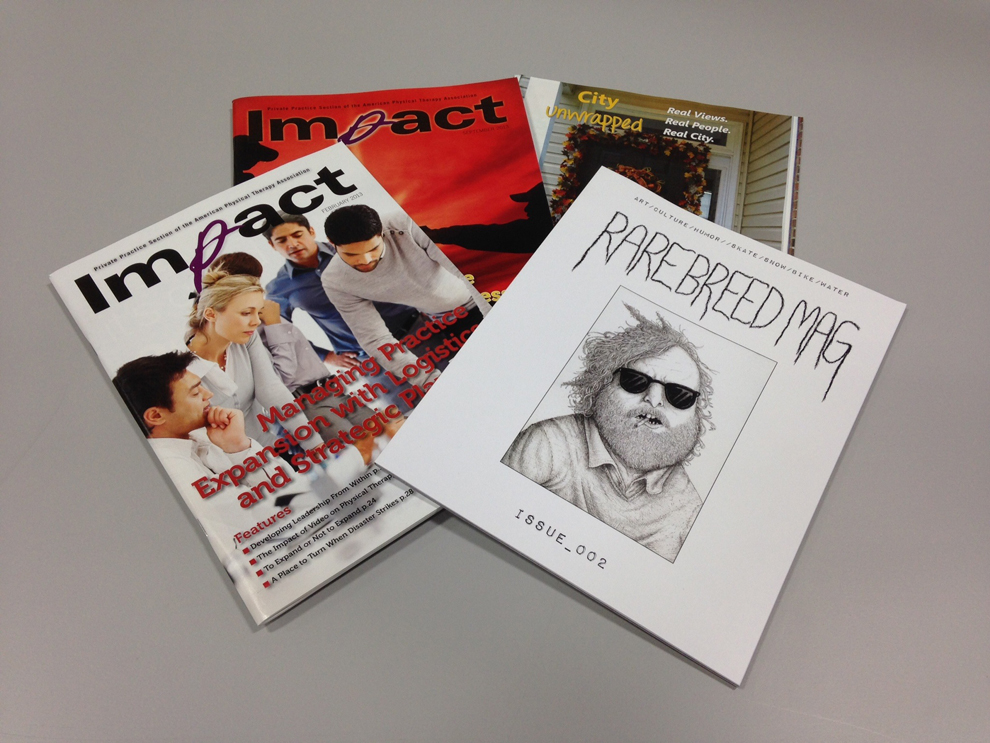
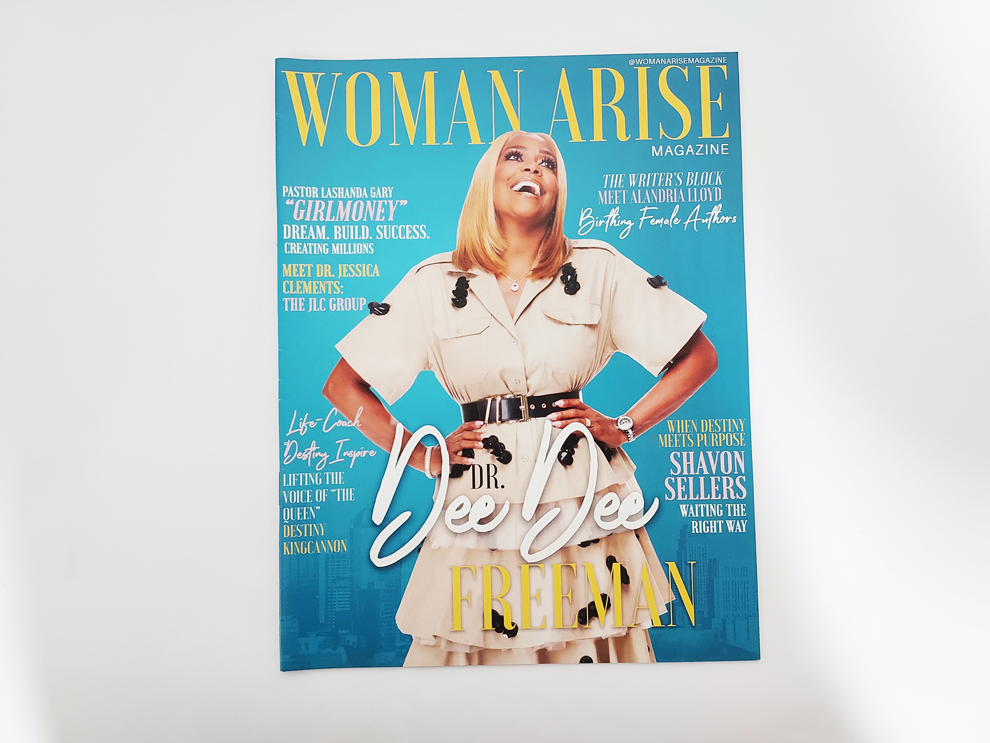
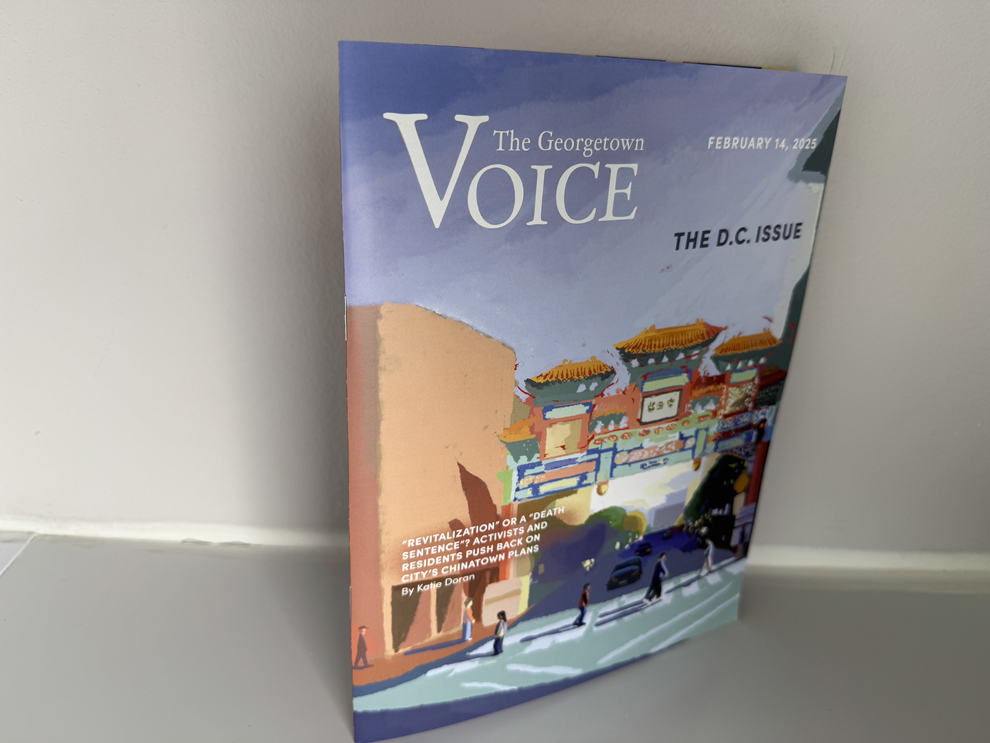
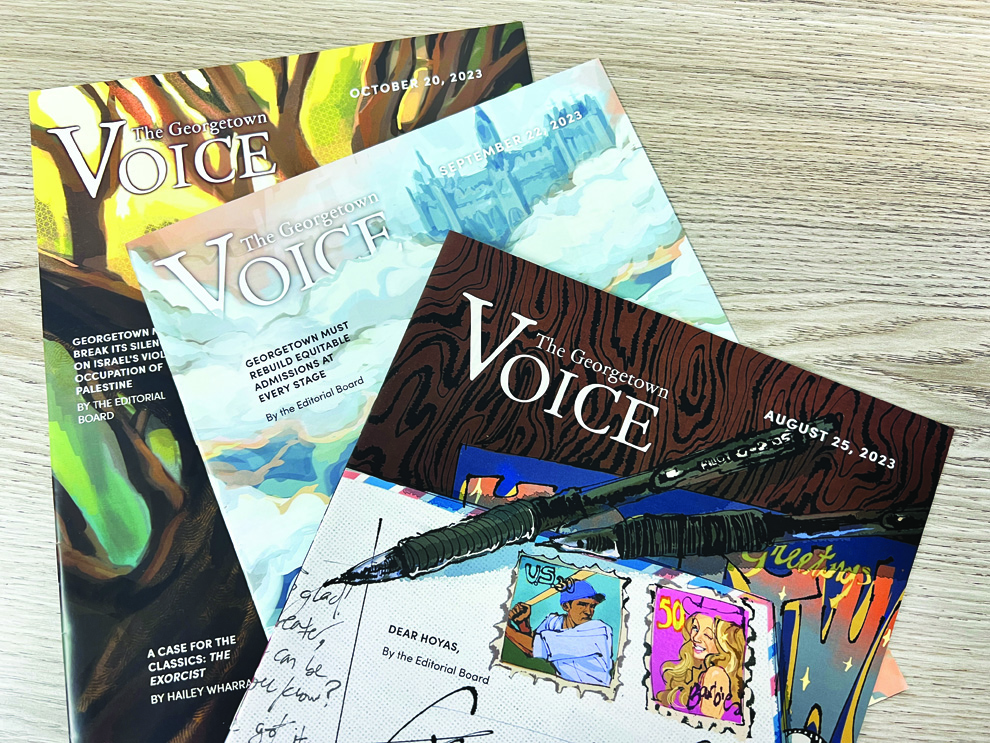
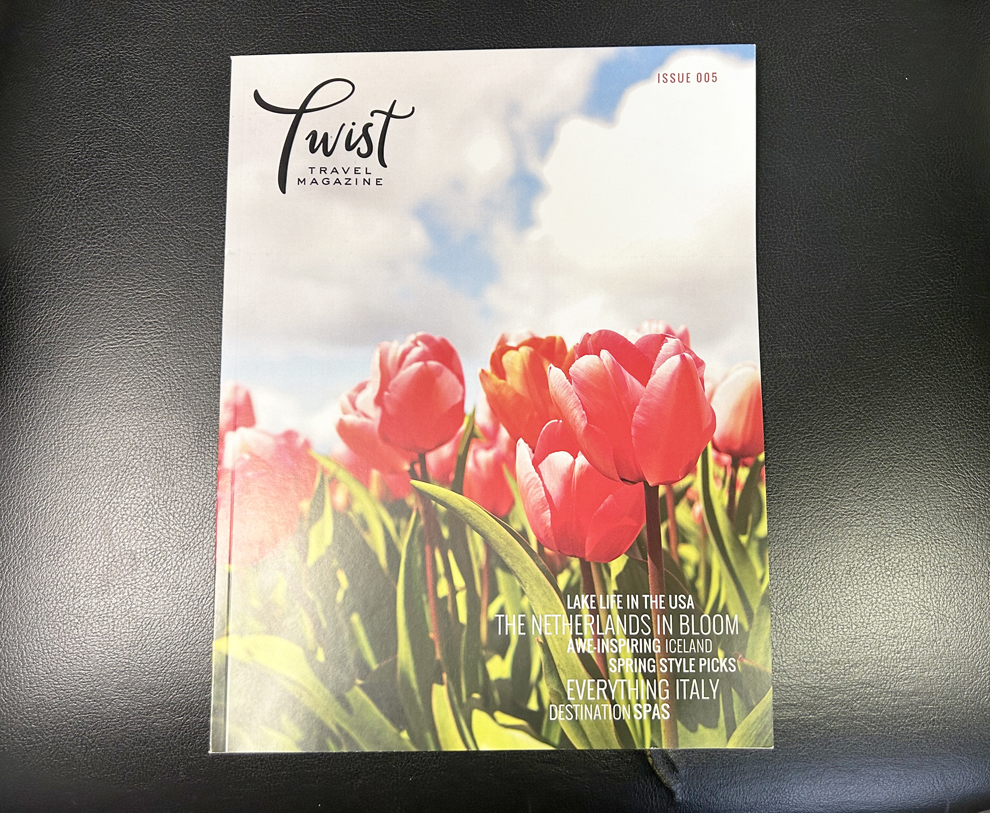
Greenville, SC organizations produce a steady stream of publications. Chambers release member directories, economic development groups publish regional reports, universities print program guides, healthcare systems issue community reports, and professional societies circulate journals. Each piece has a distinct readership and life span, and each deserves specifications chosen for that purpose rather than borrowed from an unrelated job.
Timing shapes the plan as much as content does. A workforce report prepared for an Upstate industry gathering has a date that will not move, while a directory expected to sit on desks for a year needs durability more than speed. Heritage asks about the audience, the quantity, and the release date early, then explains which production decisions affect the result and what schedule is realistic for the files in hand.
Finished size, paper weight, page count, binding, color coverage, quantity, and delivery method interact. A heavier text stock changes how many pages saddle stitching can hold comfortably, and a coated cover alters how a report feels in a reader's hands. Considering these choices together produces a publication that works the way its readers will use it.
Heritage has been printing since 1977, long before signs and displays joined the business, and that history still informs how we treat a journal or report that carries an organization's name. Experienced production staff look at a publication file the way a reader will, checking that the cover, interior, and binding support the content instead of distracting from it.
Color discipline matters when a publication includes brand marks, data charts, maps, or photography. Heritage applies spectrophotometric calibration and verification along with production-specific color profiles where the work calls for them, so printed output stays within the real capabilities of the chosen press, ink, and paper. Every Commercial Printing order, including a self-directed Store order, receives an electronic proof for your review and approval before anything prints.
Greenville schedules often follow board approvals, grant reporting periods, academic calendars, and regional economic forums. Heritage supports the Upstate from its established Carolinas production footprint rather than from a Greenville storefront, which means candid answers about timing and a plan that accounts for shipping or delivery to your office or venue.
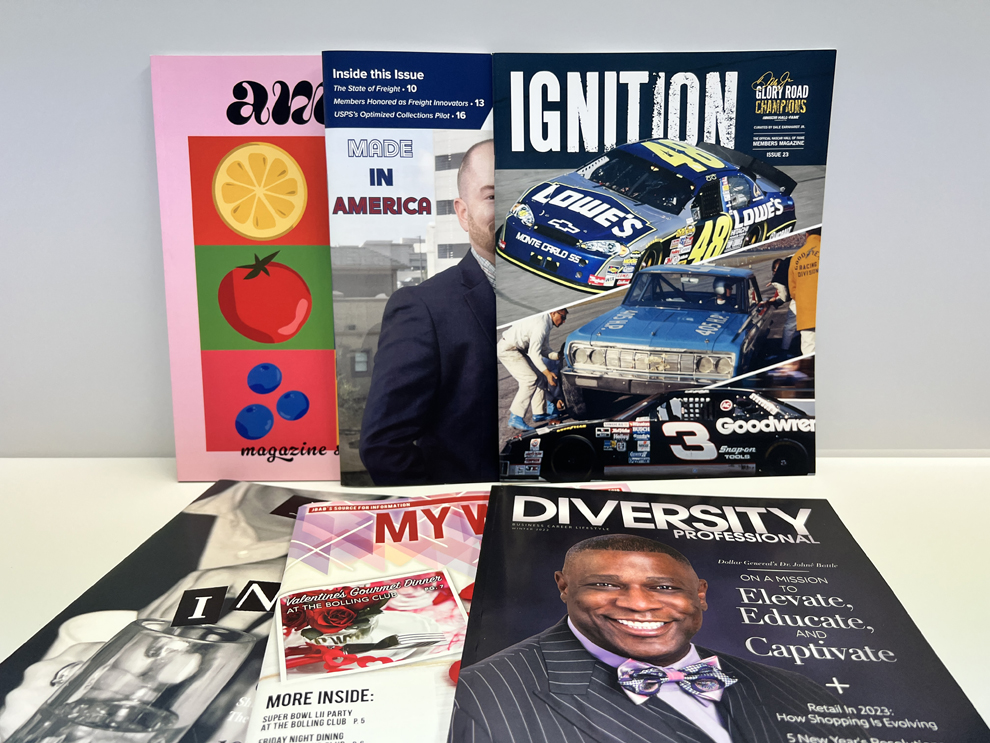
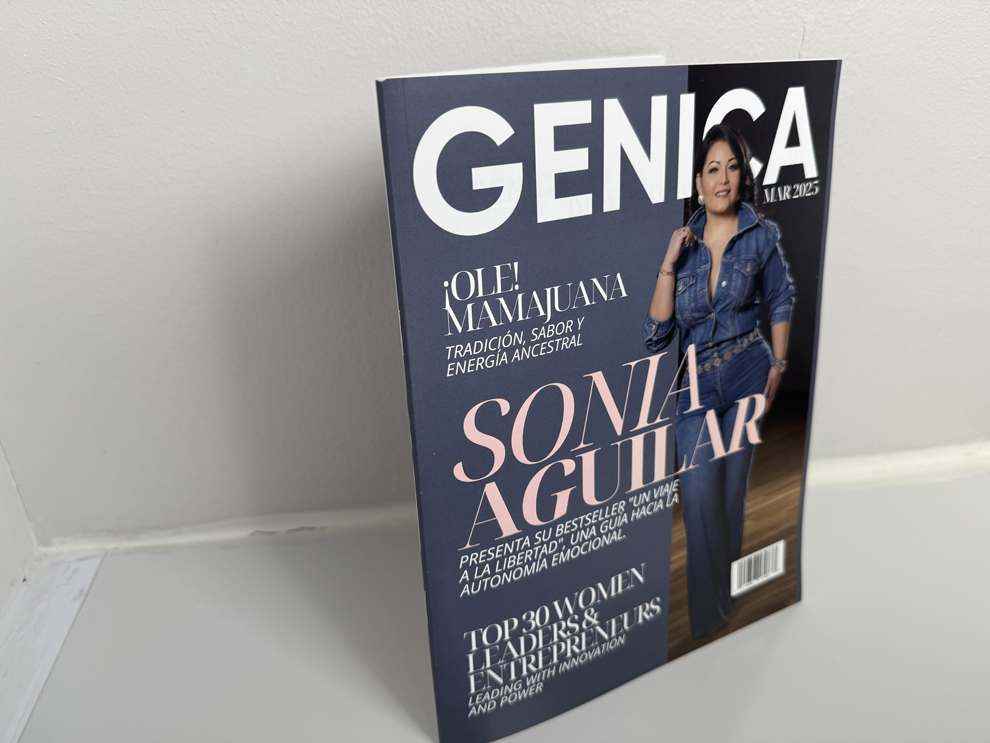
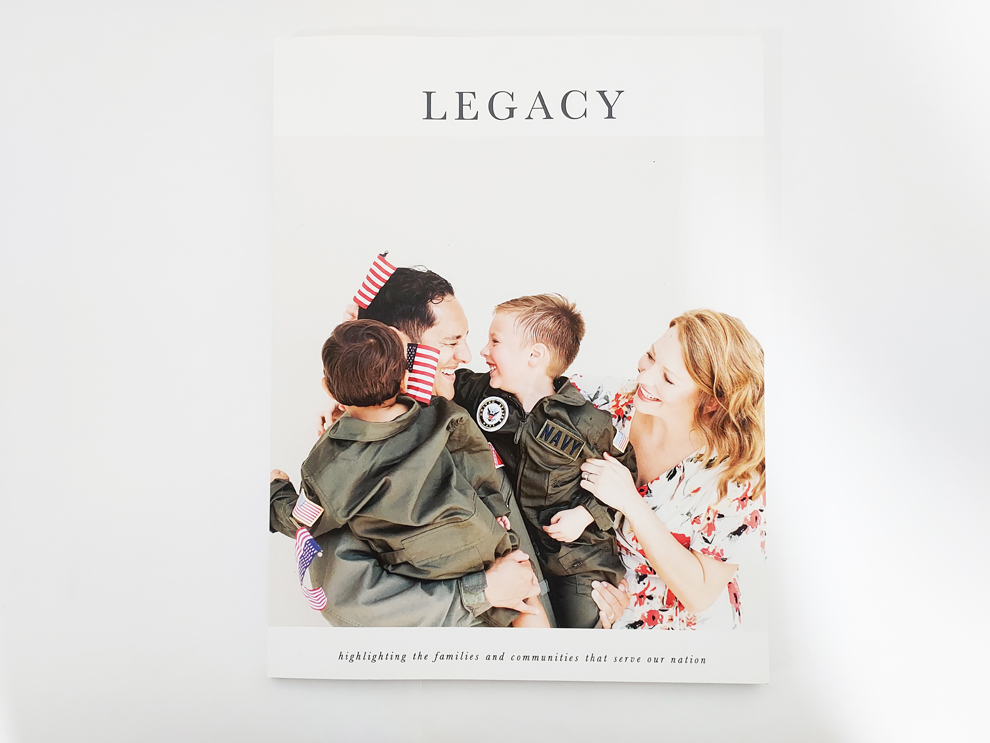
Choose this when the piece is a numbered, recurring editorial issue with consistent cover treatment and interior paper from edition to edition.
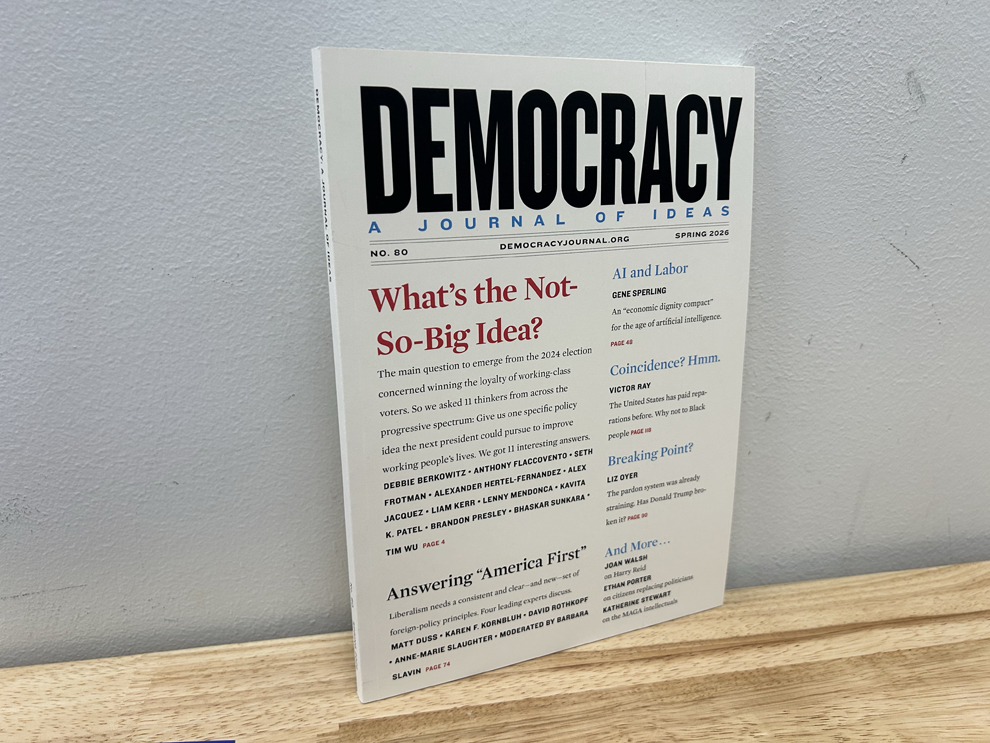
A better fit for brief, frequent updates that go out monthly or quarterly and often rely on folding and mailing more than binding.
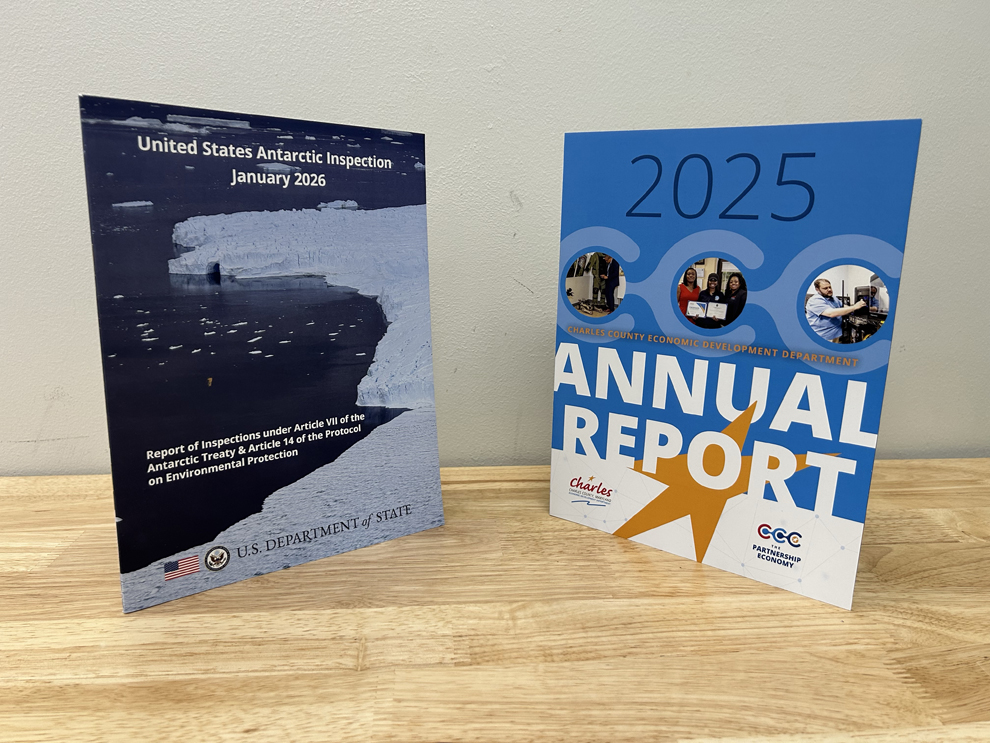
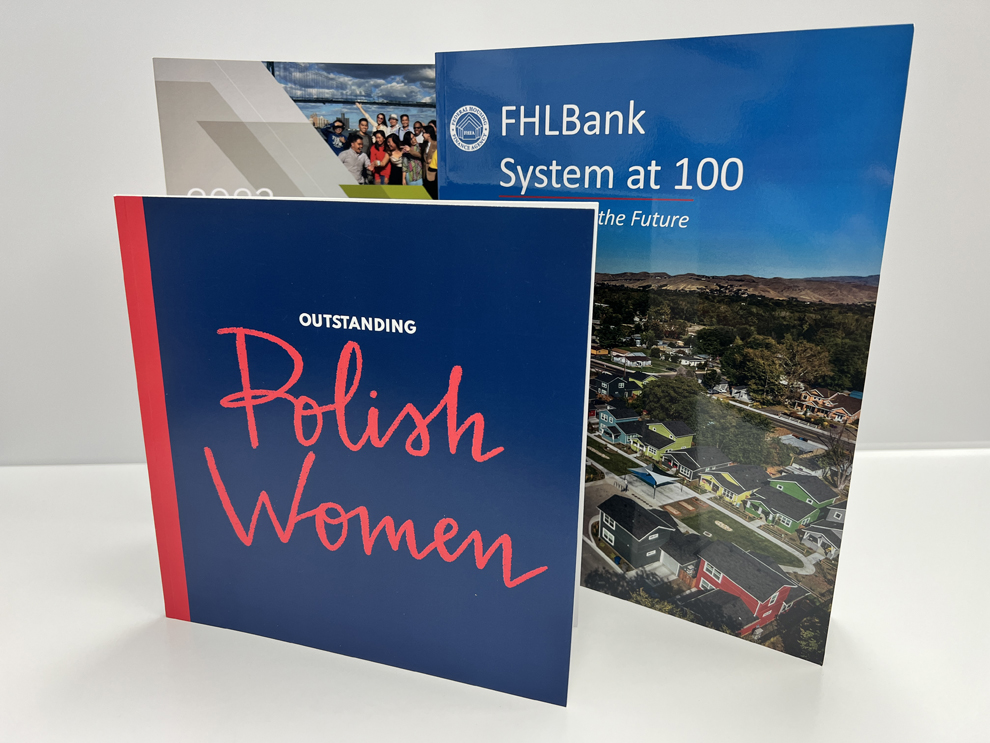
Dedicated to the once-a-year stakeholder document that presents financial results, governance, and impact in a formal, polished package.
Ideal when a compact piece simply needs a sound binding and practical format without the broader planning a larger publication requires.
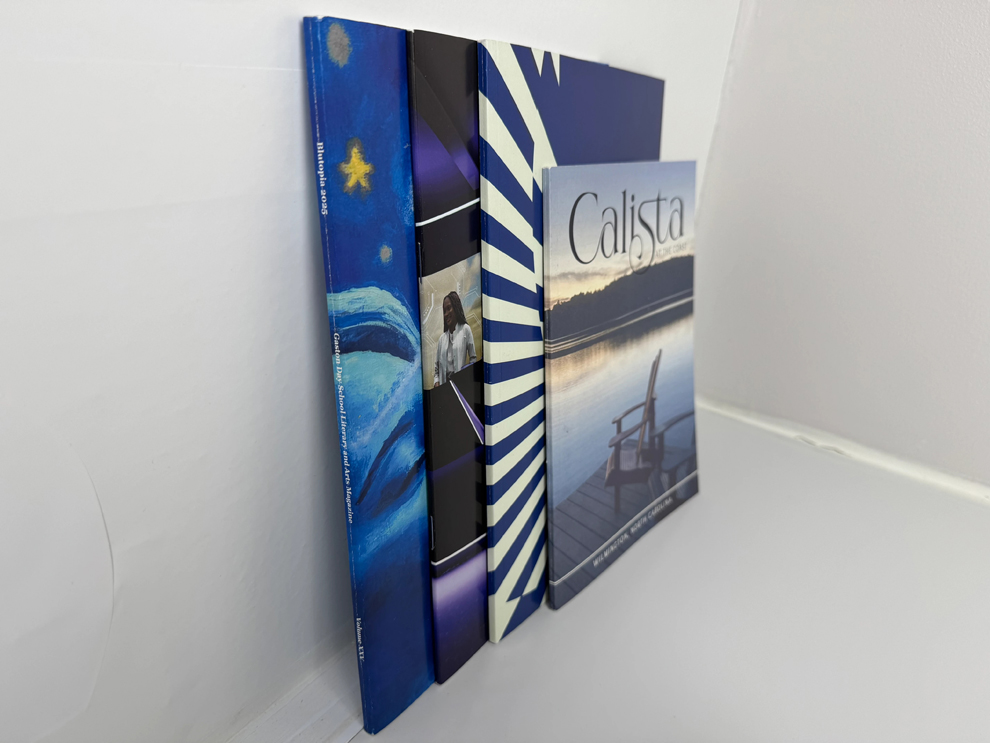
Suited to publications with enough pages to carry a square, printable spine and a lasting bookshelf presence.
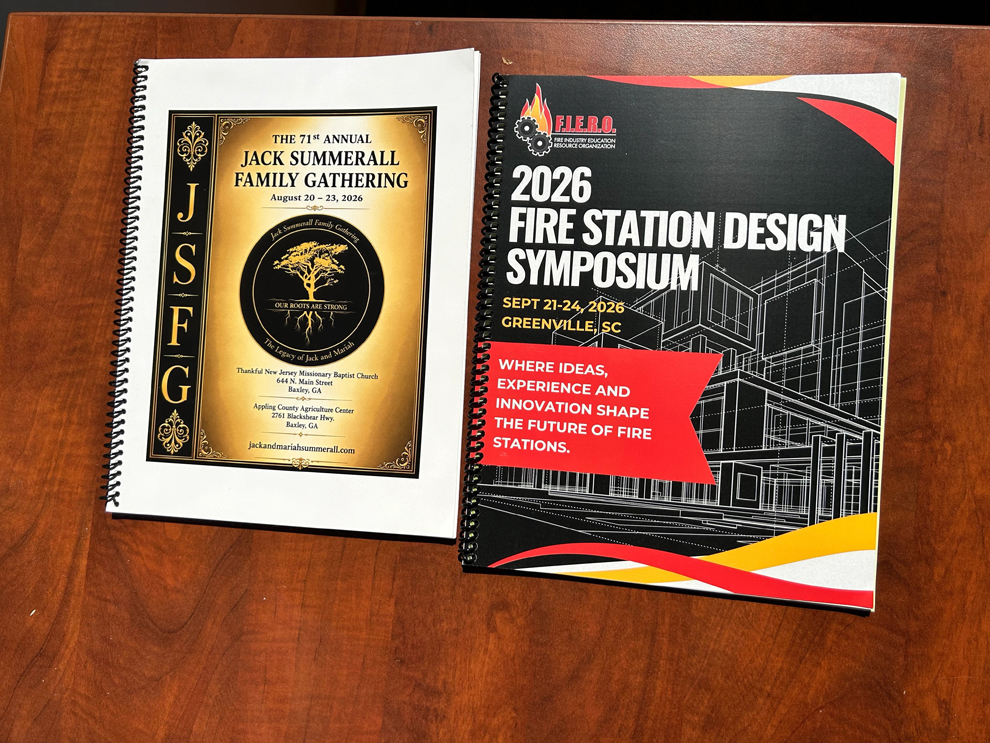
Built for instructional content that gets opened, marked up, and referenced repeatedly on a plant floor or in a classroom.
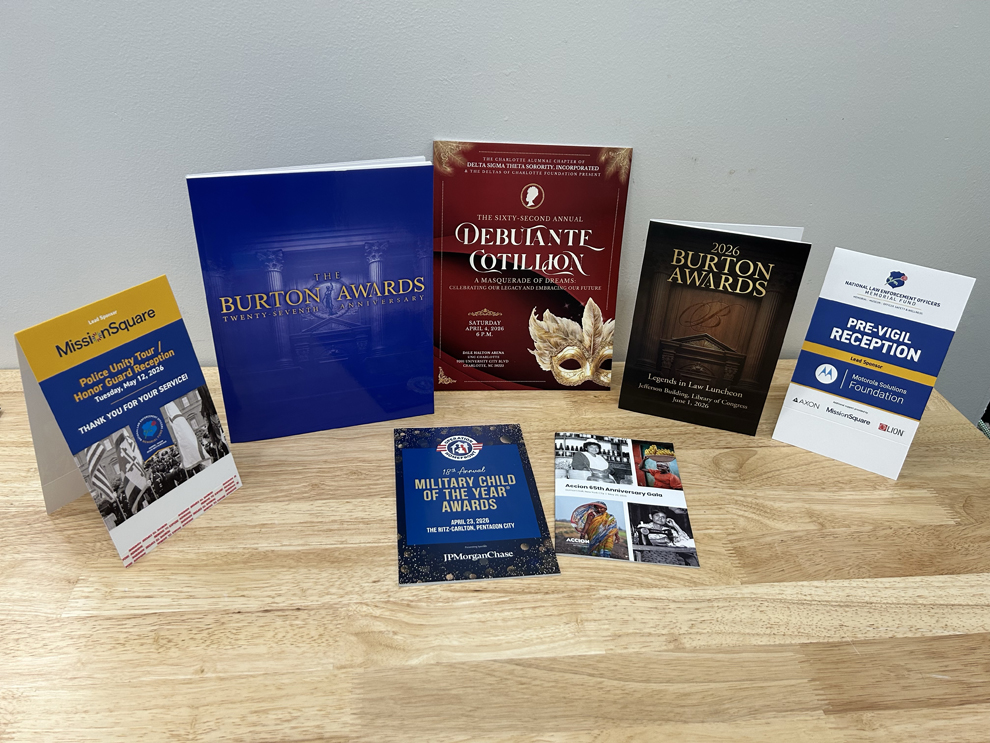
Designed around agendas, speaker lists, and sponsor recognition for conferences, galas, and ceremonies with a fixed event date.
Adds addressing and postal preparation so a finished publication can enter the mail stream without involving a separate vendor.
For a journal, report, directory, or guide that needs specification guidance, color-critical review, several audience versions, mailing support, or coordination around a board meeting or conference date, submit a Custom Quote and Heritage will review the request and respond. If your artwork is finished and a current saddle-stitched, perfect-bound, or plastic-coil Online Store configuration already matches the job, you can price and order it directly.
Heritage starts by confirming the practical details: trim size, page count, quantity, paper preferences, color expectations, file status, proofing needs, and how the finished pieces will reach readers. If you request a Custom Quote, that submission opens a review rather than a confirmed order. Once Heritage accepts and assigns the project, your Project Coordinator becomes your direct phone and email contact through delivery.
Binding should follow how the publication gets handled. A quarterly journal of forty pages often suits saddle stitching, while a two-hundred-page directory calls for perfect binding and a spine that can display the title. Plastic coil earns its place when a program guide or resource manual must lie flat in use. Paper weight, cover stock, color coverage, and quantity shape which option makes sense for a given run.
Nothing prints until you approve the electronic proof. From there Heritage holds to the confirmed specifications, checks consistency through the run, and keeps you updated on timing. Finished publications can be shipped to Greenville, delivered to a venue, prepared for your own distribution, or mailed when mailing is part of the accepted scope.
No. Heritage serves Greenville, Spartanburg, Anderson, Greer, and the wider Upstate from its established Carolinas production footprint rather than a local storefront. Publications are produced to the approved specifications and then shipped, delivered, or mailed according to the plan agreed for your project, so distance has little effect on the finished result when the schedule is set early.
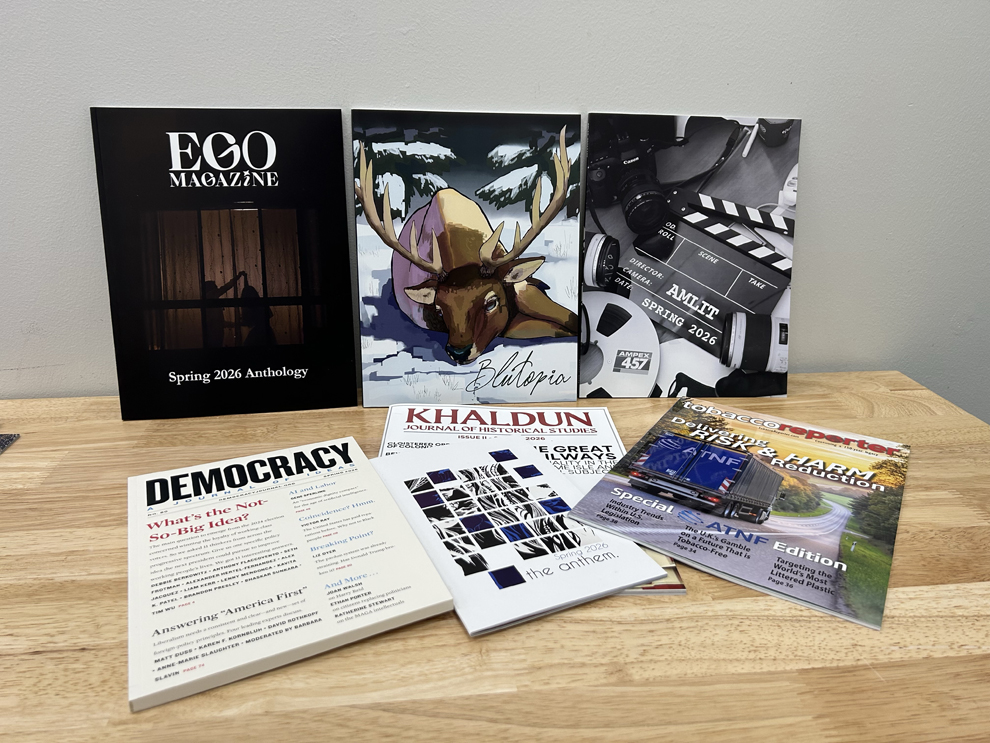
Think about what drives the decision. If the main question is binding and format for a compact piece, Booklet Printing is the clearer home. If the piece is a journal, research report, program guide, directory, or member publication whose content, readership, and distribution plan shape every specification, Publication Printing is the better fit. Recurring editorial issues belong with Magazine Printing, and brief frequent updates belong with Newsletter Printing.
Perfect binding is the likely answer. At that page count the publication has enough bulk for a square spine that can carry the title and year, which helps a directory stay findable on a shelf for twelve months. Saddle stitching is limited to thinner pieces, and plastic coil is better reserved for guides that must lie flat. Final confirmation depends on paper weight and trim size.
Review text, page order, pagination, cover and spine content, image placement, bleeds, and any version-specific details such as region or chapter names. Approval tells Heritage which file to produce, so corrections should happen before that step. Remember that a screen cannot serve as a color standard, since monitors and printed paper reproduce color differently.
Qualifying Custom Quote projects may add a Physical Production Color Proof for an additional charge. Heritage produces it on the intended production printer and paper, and once approved it becomes the controlling physical color reference for the run. It adds an approval step and production time, so build it into the schedule. This option is not available through the self-directed Online Store.
Supplied PMS values serve as production targets. Heritage uses spectrophotometric calibration and verification with production-specific profiles where the job warrants them, and printed results are managed within the gamut of the selected printer, ink, paper, and coating. Some spot colors reproduce more closely than others in process color, and Heritage can discuss realistic expectations when color is critical to the piece.
Heritage prints from completed, print-ready artwork and expects the client to own writing, editing, and creative design. For qualifying Custom Quote work, Heritage can handle production-oriented adjustments such as bleed corrections, imposition, file repair, or minor layout fixes that help supplied files print correctly. Publication Printing is not a full editorial or design service.
The submission is an inquiry, not an accepted order. Heritage reviews the publication details, confirms eligibility, and responds. When Heritage accepts the project and assigns it, your assigned Project Coordinator reaches out directly, confirms the date and specifications, and becomes your phone and email contact through proofing, production, and delivery. Repeat clients with an existing coordinator often continue that relationship.
It can be, provided the publication is fully specified, your artwork is complete and print-ready, and a live saddle-stitched, perfect-bound, or plastic-coil configuration matches what you need. The Store is self-directed, so you make the configuration decisions, and it does not include an assigned Project Coordinator, production file preparation, or a Physical Production Color Proof. Eligible products can be combined to reach the order minimum.
New Commercial Printing opportunities carry a $750 minimum, and the Self-Directed Online Store applies the same $750 total for eligible items in one order. Custom Quote is the higher-touch path for qualifying projects of $2,000 or more that also need specification guidance, coordination, file preparation, or physical proofing. Orders above $2,000 may still use the Store when a configuration fits.
Yes, when mailing is included in the accepted project scope. Heritage coordinates addressing and postal preparation for the finished pieces. You provide accurate, authorized recipient data, and Heritage carries out the mailing services agreed for the job. Delivery timing after USPS acceptance is handled by the postal service and falls outside Heritage's control.
Not entirely. Established details such as trim size, paper, cover construction, binding, and color targets provide a strong baseline, which saves discussion and helps issues look consistent on a shelf. Heritage still reviews each new file, quantity, schedule, and material availability, because page counts shift, papers change, and distribution lists grow between editions.
Often, yes, but Heritage will not promise a turnaround before seeing the work. Share the new date and the completed file as soon as you can. Heritage reviews the remaining window, identifies decisions that need immediate attention such as paper availability or proof approval, and tells you plainly what can be accomplished. Approved work then moves forward with urgency.
Yes. Versions can vary by cover, insert, language, region, department, or quantity while sharing the same core content. Clear file naming, a version list with quantities, separate proof approvals, and distinct shipping or mailing instructions keep editions from being mixed during production. Discuss versions at the start so the plan accounts for them
Heritage Signs & Displays created new museum signage for the Military Women’s Memorial in Arlington, VA. The project included custom signs, wall wraps, dimensional letters, and standoff-mounted displays to honor the legacy of U.S. servicewomen and the donors who supported the memorial. The updated interior features impactful designs, including a "Our Legacy" wall display and panels showcasing historical contributions and artwork, creating a transformative tribute to women in the U.S. Armed Forces.
Heritage Signs & Displays' collaboration with The Gathery to brand Union Market in Arlington, VA, for Indeed's "Ready to Work" job fair. The project included custom event displays, wall graphics, window graphics, and wayfinding signs, creating an immersive and visually appealing environment. The branding enhanced the venue, reflected the event's mission, and provided a seamless experience for attendees.